CONFIRMED
The Great Pyramid of Giza: How It Was Really Built
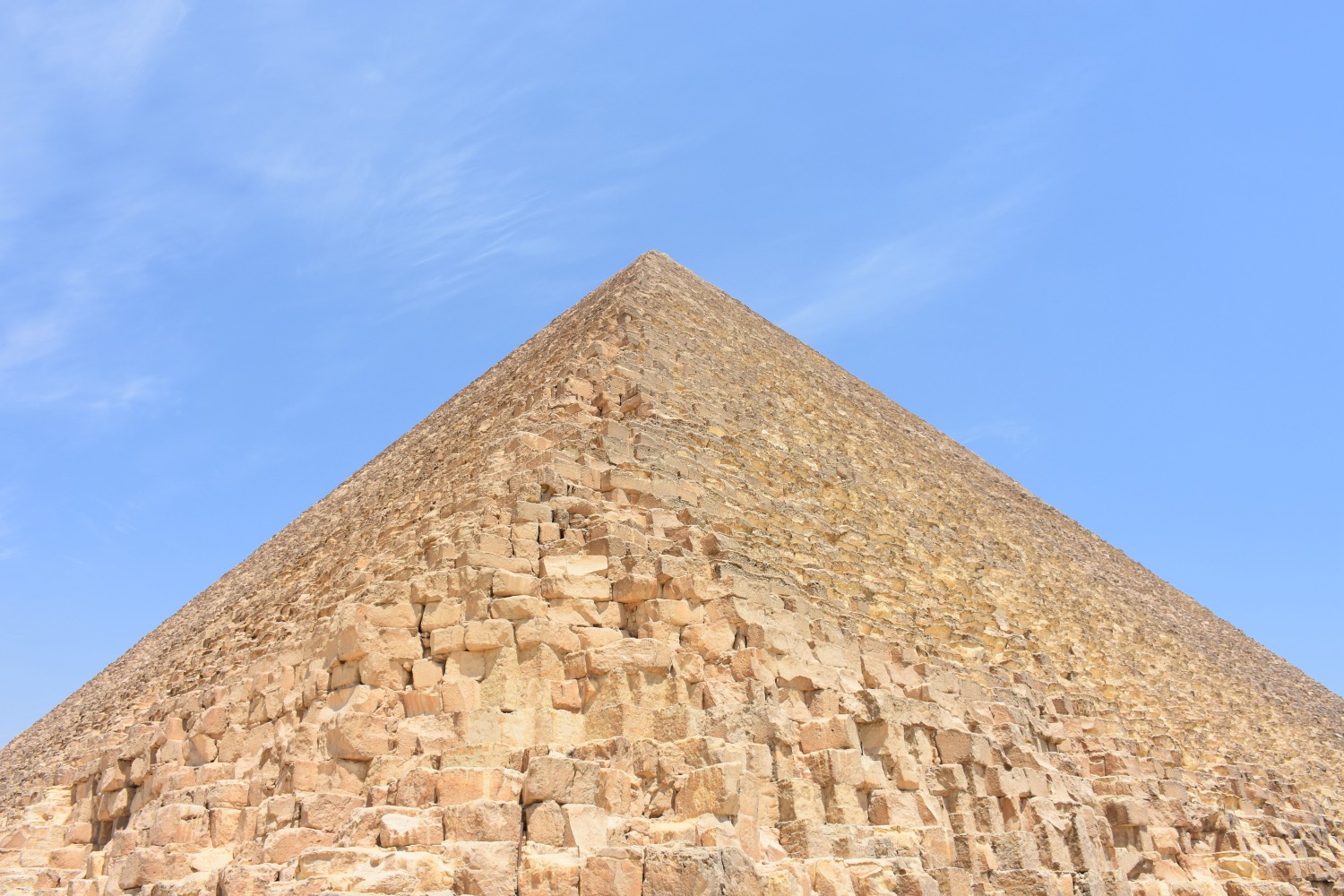
The Great Pyramid of Giza is the last of the Seven Wonders of the Ancient World still standing, and the most famous building humanity has ever made. Raised around 2560 BCE on the Giza plateau outside modern Cairo as a tomb for the pharaoh Khufu, it rose to a height of some 146 metres, built from roughly 2.3 million blocks of stone weighing, on average, over two tonnes each — and it remained the tallest human-made structure on Earth for nearly four thousand years. Its scale, its precision, and its antiquity have made it a screen for every kind of speculation: that it was built by slaves cracking under the lash, or could not have been built by ancient Egyptians at all; that it encodes the mathematical constant pi, the dimensions of the Earth, and prophecies of the future; that it was a power plant, a beacon, or a monument raised with the help of visitors from the stars. Almost none of this is true, and the strangest thing about the Great Pyramid is that the real story of how it was built — recovered from the workers' own village, their cemeteries, the quarries, and even a four-and-a-half-thousand-year-old logbook kept by one of the men who supplied it — is more remarkable than any fantasy. It was built by Egyptians: skilled, paid, well-fed, superbly organised Egyptians, working with copper, stone, timber, rope, and an administrative genius that is the true marvel of the age. This is the story of how the Great Pyramid was really built.
Ancient & Historical Mysteries
-2560