Label
Conspiracies that turned out to be true
Documented through primary sources — declassified records, court rulings, sworn testimony, official acknowledgments.
100 articles
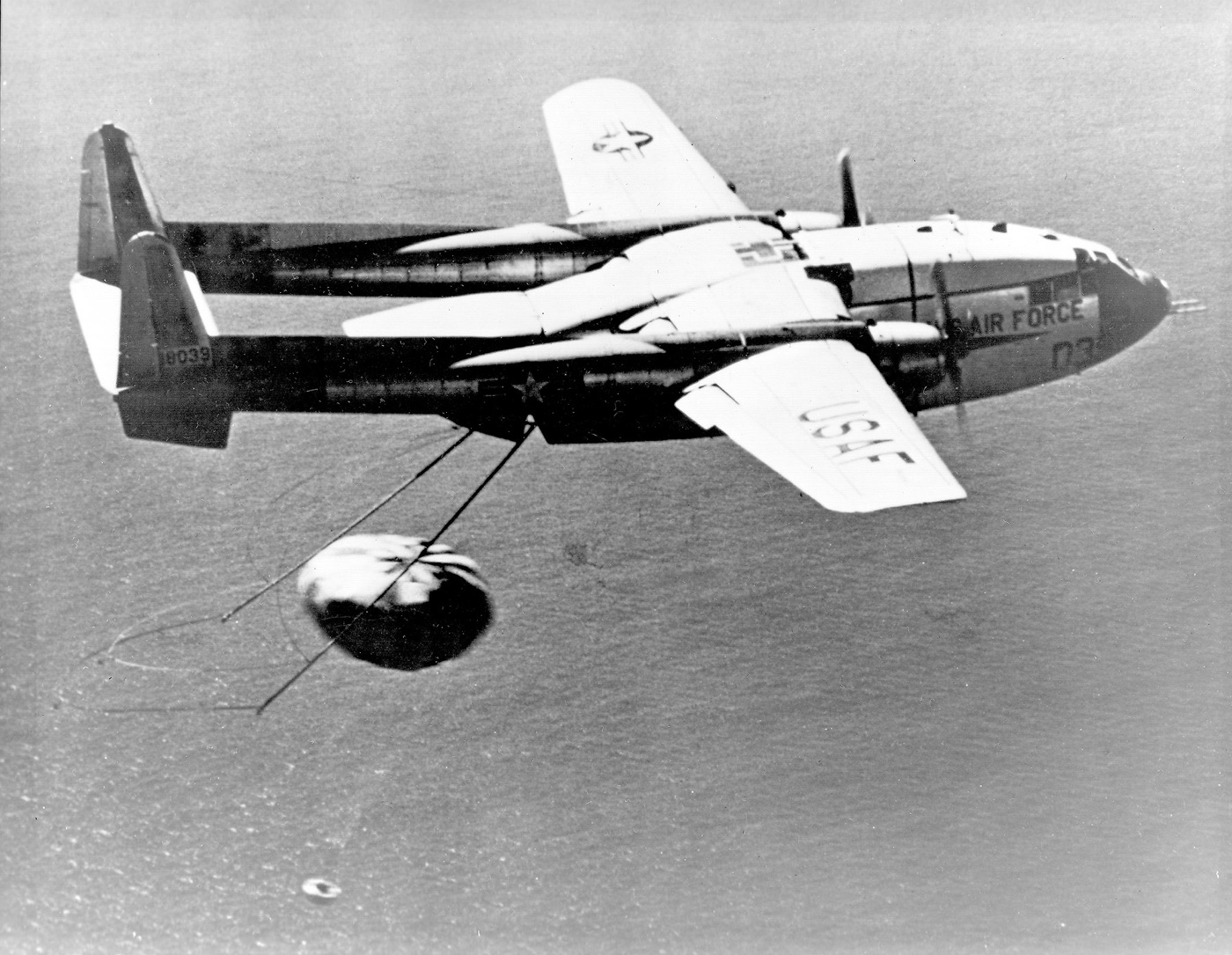
Corona: The Secret Spy Satellites That Watched the Cold War
In August 1960, months after a Soviet missile brought down an American U-2 spy plane and ended the era of manned overflights of the USSR, the United States achieved something that would prove far more important: it retrieved, from a capsule that had been ejected from a satellite in orbit and parachuted down over the Pacific to be snatched from the air by a passing aircraft, a roll of film containing photographs of the Soviet Union. That single mission photographed more Soviet territory than all the U-2 flights combined. It was the first success of Corona, a top-secret American reconnaissance-satellite program run jointly by the CIA and the Air Force and hidden behind a cover story about a scientific satellite called Discoverer. Over the following twelve years, Corona satellites would photograph the Soviet Union, China, and other closed societies from orbit, returning their film to Earth in a series of astonishing mid-air recoveries, and would transform the ability of the United States to see inside its adversaries. In doing so, Corona did more than gather secrets: by letting each superpower verify the true size of the other's forces, it punctured dangerous myths, made arms-control treaties possible, and, in its quiet way, helped stabilize the terrifying balance of the nuclear age. Classified for decades, its existence was revealed only in 1995. This is the story of Corona — the secret eyes that America put in the sky, and how they changed the Cold War.
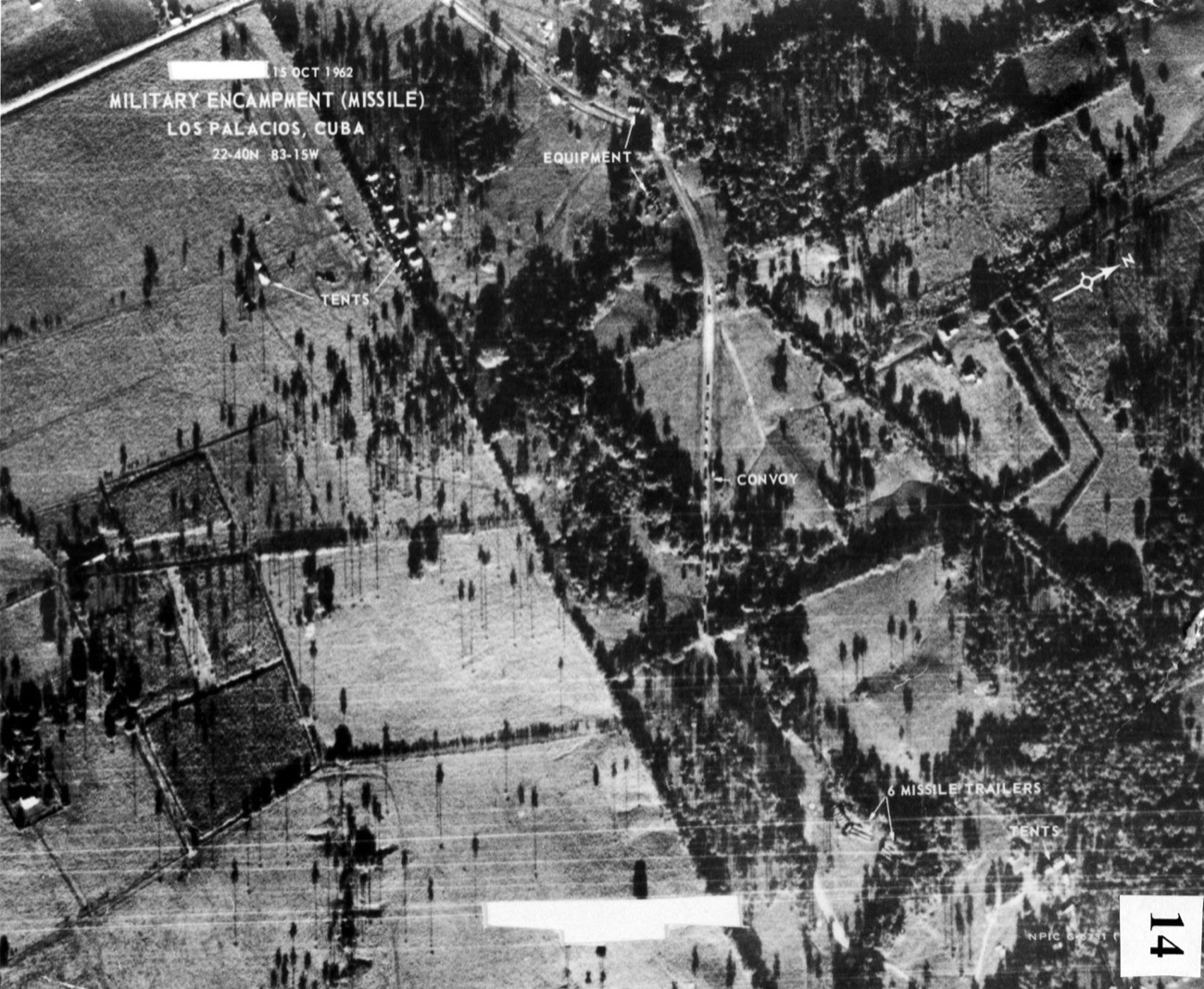
The Cuban Missile Crisis: Thirteen Days on the Nuclear Brink
In October 1962, the Cold War came within a hair's breadth of becoming a nuclear one. For thirteen days that month, the United States and the Soviet Union confronted each other over the discovery that the Soviets had secretly installed nuclear missiles in Cuba, ninety miles from the American coast, capable of striking much of the United States within minutes. American reconnaissance had caught the deployment while the missile sites were still being built; President John F. Kennedy imposed a naval blockade of the island and demanded the missiles' removal; and for the better part of two weeks the world held its breath as the two superpowers, each armed with the power to destroy the other and much of humanity, edged toward the abyss. It was, and remains, the closest the world has ever come to full-scale nuclear war — closer, it later emerged, than even the participants understood at the time, with more than one moment in which a single decision, or a single frightened officer, might have triggered catastrophe. That it ended not in annihilation but in a negotiated settlement was the product of nerve, restraint, back-channel diplomacy, a secret deal, and no small amount of luck. This is the story of the Cuban Missile Crisis — the secret deployment, the discovery, the standoff, the near-catastrophes, and the fragile bargain that saved the world.
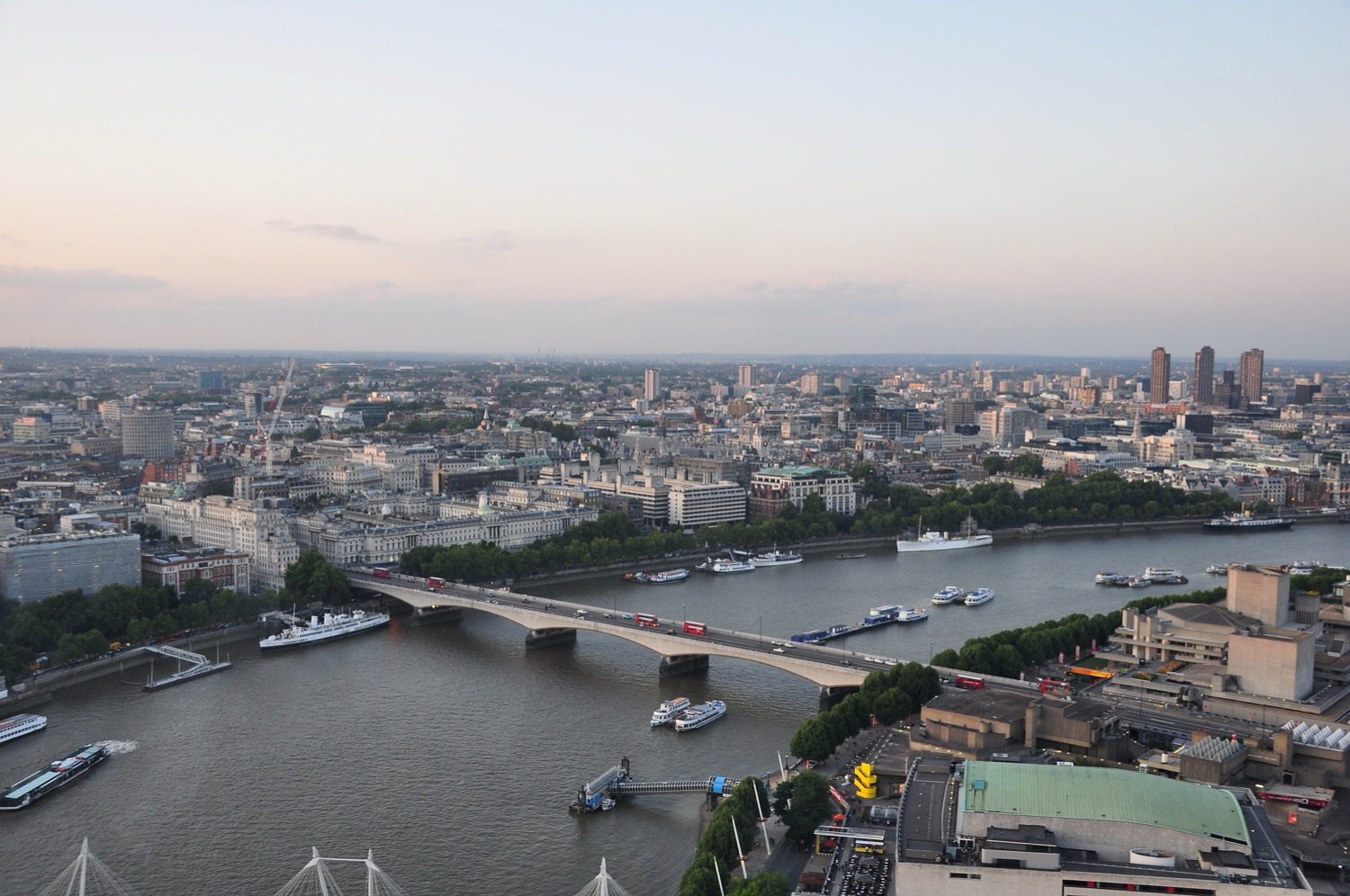
The Umbrella Murder: The Poisoning of Georgi Markov
On the afternoon of 7 September 1978, Georgi Markov, a Bulgarian émigré writer, was waiting at a bus stop on Waterloo Bridge in London, on his way to his job at the BBC World Service, when he felt a sudden sharp sting in the back of his right thigh. Turning, he saw a man behind him bending to pick up a dropped umbrella; the man apologised in a foreign accent, hurried across the road, and got into a taxi. Markov thought little of it at first, but by that evening he had developed a high fever, and over the next three days his condition collapsed catastrophically. He died on 11 September, aged forty-nine. A post-mortem examination found, embedded in his thigh, a tiny metal pellet no larger than a pinhead, drilled with minuscule cavities that had held a dose of ricin — one of the deadliest toxins known, and one for which there is no antidote. Markov had been assassinated in broad daylight on a London street, murdered for the crime of broadcasting the truth about the communist regime in his homeland. The method — a poison pellet delivered, it is believed, by a specially engineered umbrella — became one of the most infamous images of Cold War espionage, and the killing itself one of its clearest examples of a state reaching across borders to silence a dissident. This is the story of the umbrella murder.
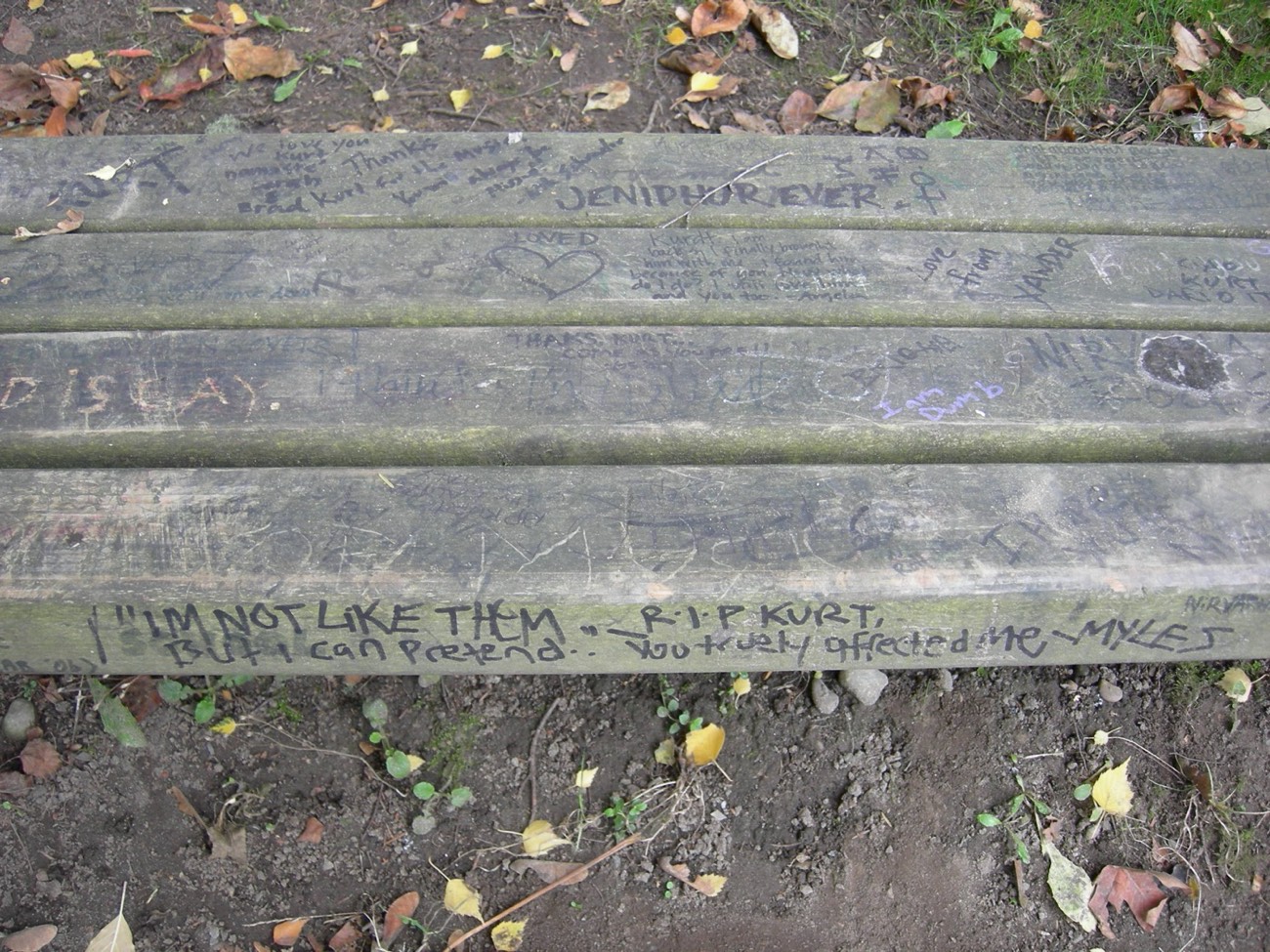
The Death of Kurt Cobain: The Reluctant Icon and the Theories
In early April 1994, Kurt Cobain — the singer, songwriter, and guitarist of Nirvana, the band that had carried underground rock into the mainstream and made him, against his own wishes, the defining voice of a generation — was found dead at his home in Seattle. He was twenty-seven years old. His death, from a self-inflicted gunshot wound, was ruled a suicide by the King County medical examiner and the Seattle police, a conclusion the authorities have reaffirmed in the decades since, including in a fresh review on the twentieth anniversary. Cobain had long struggled with severe depression, a debilitating chronic stomach condition, and heroin addiction, and had survived a near-fatal overdose only weeks before; a note was found at the scene. For most of those who knew him and have studied the case, his death was the tragic culmination of years of pain. Yet from the beginning a minority have insisted otherwise — that Cobain was murdered, that the suicide finding was wrong, with suspicion aimed in various directions — and these claims, amplified by books and films, have kept a conspiracy alive. This article examines his death with the care such a subject demands: what the evidence establishes, why the murder theories have not held up, and, above all, the human tragedy of mental illness and addiction that the conspiracy too often obscures. If you are struggling, please know that help is available, and that reaching out is a sign of strength, not weakness.
The Poisoning of Alexander Litvinenko: Polonium in a London Teapot
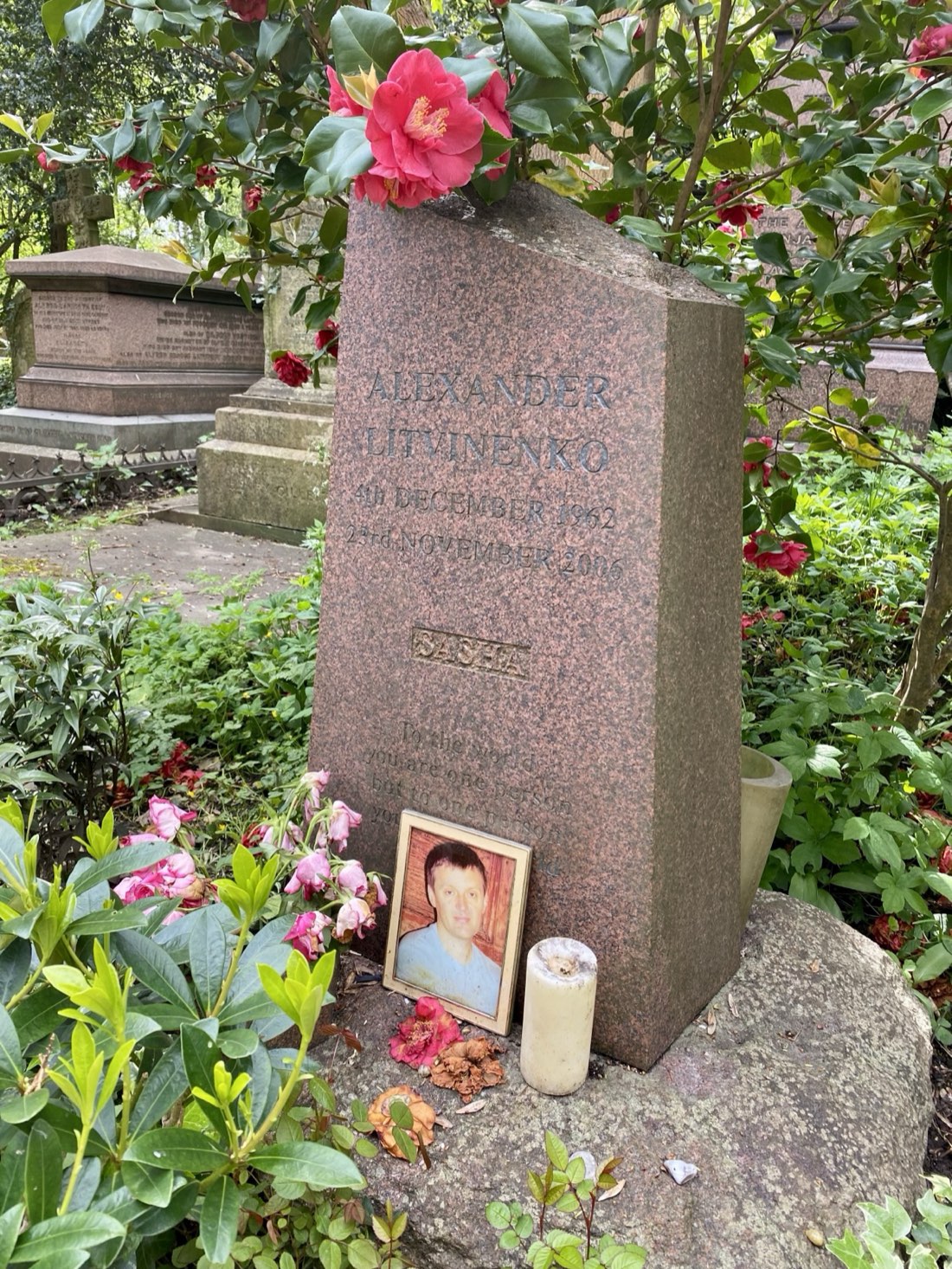
On 1 November 2006, Alexander Litvinenko, a former officer of Russia's FSB security service who had defected to Britain and become one of the Kremlin's most outspoken critics, met two Russian contacts for tea at the Pine Bar of the Millennium Hotel in London's Mayfair. Within hours he was violently ill; over the following three weeks he wasted away in a hospital bed, his hair falling out, his organs failing, as doctors struggled to identify what was killing him. Only as he lay dying did they discover the cause: polonium-210, a rare and extraordinarily radioactive isotope, which had been slipped into his teapot. He died on 23 November 2006, aged forty-four, but not before dictating a statement accusing President Vladimir Putin directly of ordering his murder. The polonium had left a faint radioactive trail across London — through the hotel, restaurants, offices, and aircraft — which investigators followed to two Russian men, and, they concluded, back to the Russian state itself. A decade later, a British public inquiry found that Litvinenko had been killed in an operation carried out by the FSB and 'probably approved' by Putin himself. It was an assassination by radiation on the streets of a Western capital, and one of the most brazen acts of state murder of the twenty-first century. This is the story of the polonium poisoning of Alexander Litvinenko.
Project Azorian: The CIA's Secret Salvage of a Soviet Submarine
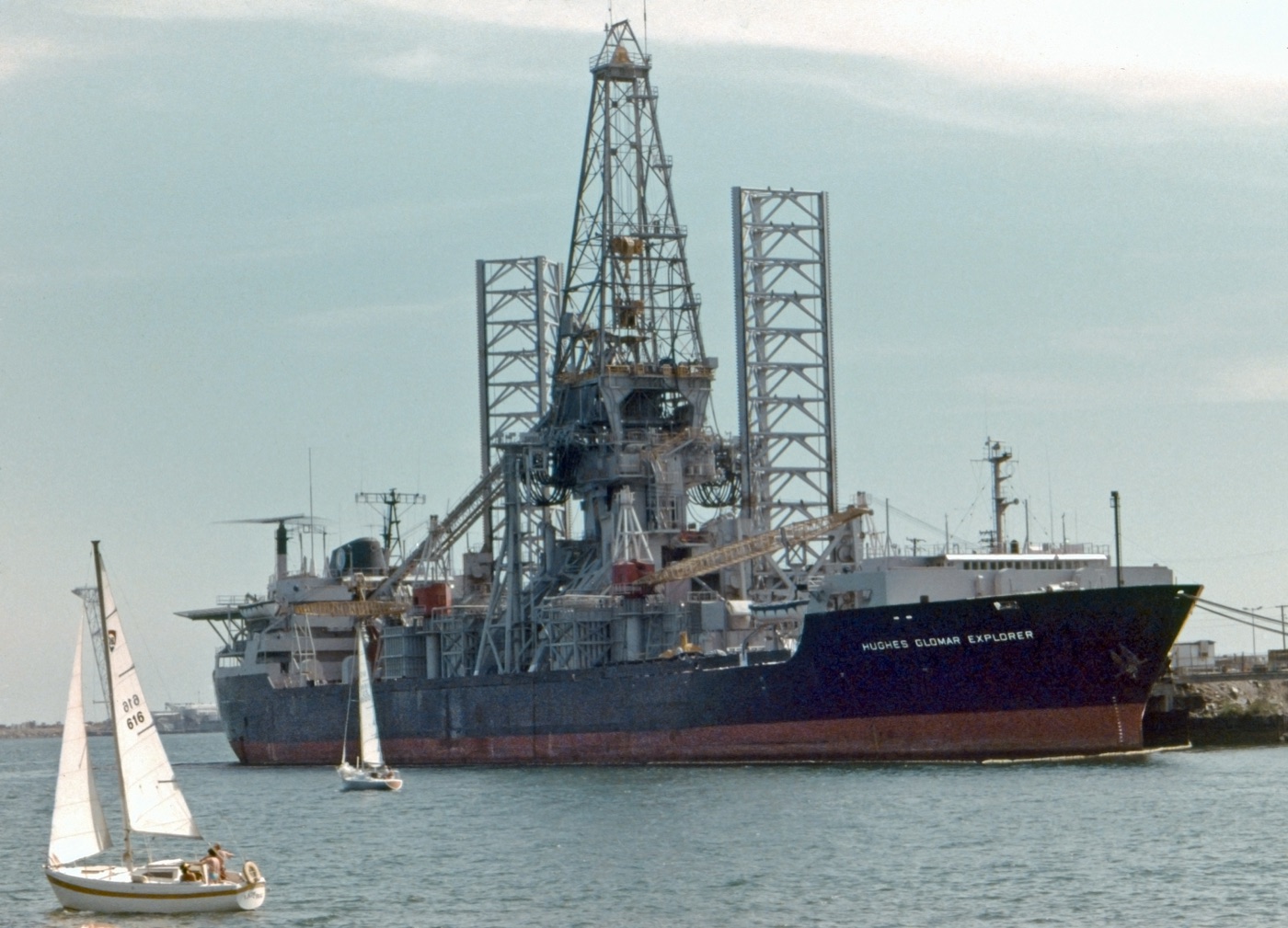
In 1968, a Soviet ballistic-missile submarine, the K-129, sank in the Pacific Ocean north of Hawaii, carrying its crew, its nuclear missiles, and its secrets to the bottom, nearly three miles down. The Soviets searched and failed to find it; the United States, using its network of undersea listening posts, located the wreck. And then the CIA conceived one of the boldest schemes in the history of espionage: to raise the submarine — or a large part of it — from a depth of some 4,900 meters, a feat of deep-sea salvage far beyond anything ever attempted, in order to seize the Soviet nuclear missiles, warheads, and, most tantalizingly, the code machines and cryptographic materials aboard. To do it in secret, the agency built a purpose-designed salvage ship equipped with an enormous mechanical claw, and hid the entire enterprise behind an elaborate cover story: that the vessel, the Hughes Glomar Explorer, belonged to the reclusive billionaire Howard Hughes and was mining valuable metals from the sea floor. In the summer of 1974, the ship attempted the impossible. It succeeded in lifting the submarine partway to the surface — before a portion broke off and fell back into the abyss. Exactly what was recovered remains, in part, classified to this day. And when journalists exposed the operation, the CIA's refusal to comment gave the world a phrase that has been with it ever since: that it could 'neither confirm nor deny.' This is the story of Project Azorian.
The Rosenberg Case: Atomic Spies and a Contested Execution
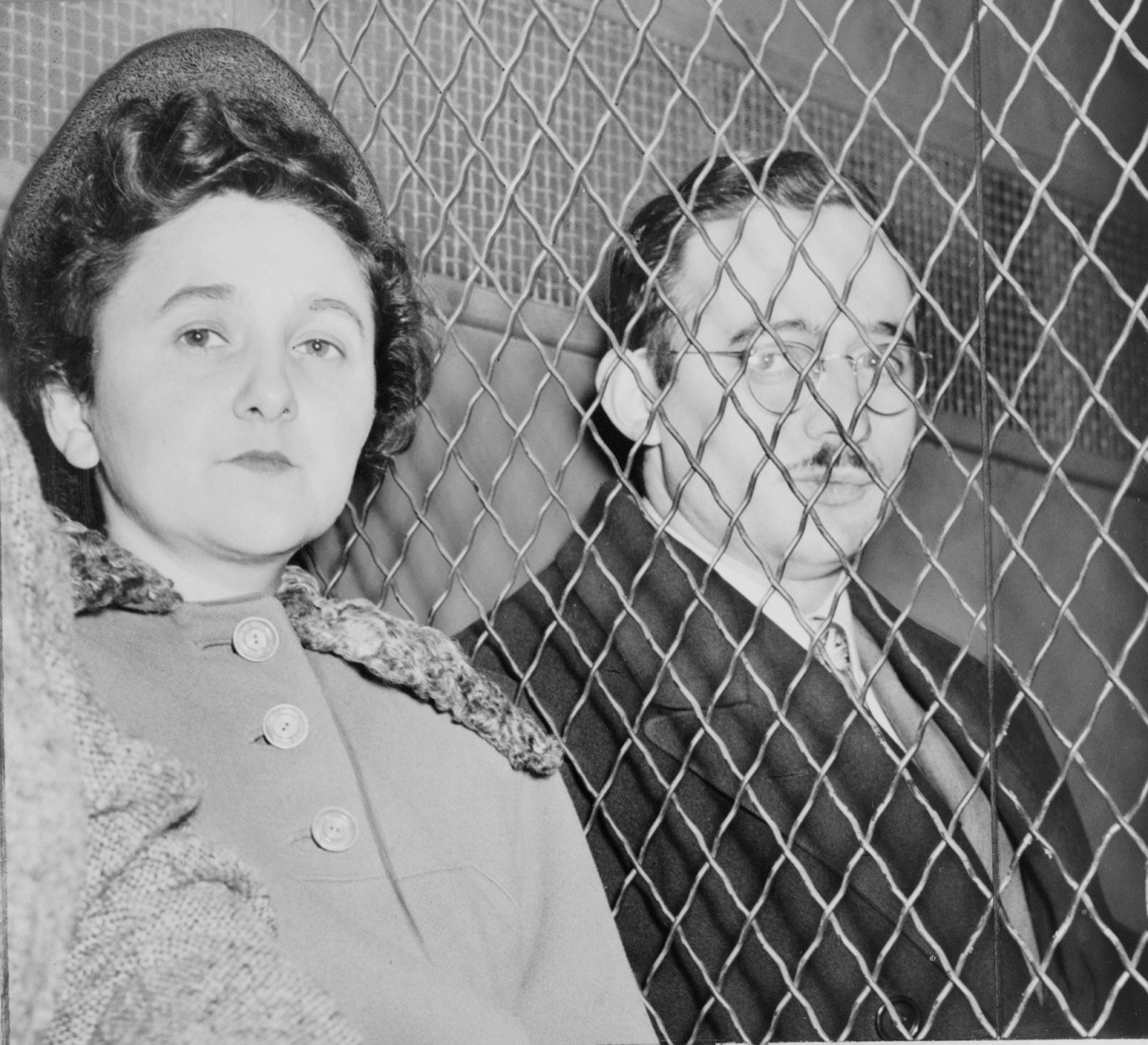
On 19 June 1953, Julius and Ethel Rosenberg were executed in the electric chair at Sing Sing prison in New York, convicted of conspiracy to commit espionage for passing atomic secrets to the Soviet Union. They were the only two American civilians ever put to death for spying during the Cold War, and they left behind two young sons. Their case had become, by the time of their deaths, one of the most bitterly divisive in American history: to their defenders, they were innocent victims of anti-communist hysteria, framed and killed to feed the Red Scare; to the prosecution and much of the public, they were traitors who had handed Stalin the atomic bomb and deserved to die. For decades the truth was fiercely contested, the two camps talking past each other. Then, in 1995, the United States released the Venona decrypts — intercepted Soviet intelligence cables — and, with the later opening of Soviet archives, the picture finally came clear, and it satisfied neither side. Julius Rosenberg had, in fact, been a Soviet spy, running a significant espionage ring. But Ethel's guilt was another matter entirely: the testimony that sent her to the chair was later admitted to be a lie, and she appears to have been, at most, a knowing bystander, executed to pressure her husband. This is the story of the Rosenberg case — of real espionage, real injustice, and the hard truth that lies between the two myths that grew up around it.
The U-2 Incident: The Spy Plane That Wrecked a Summit
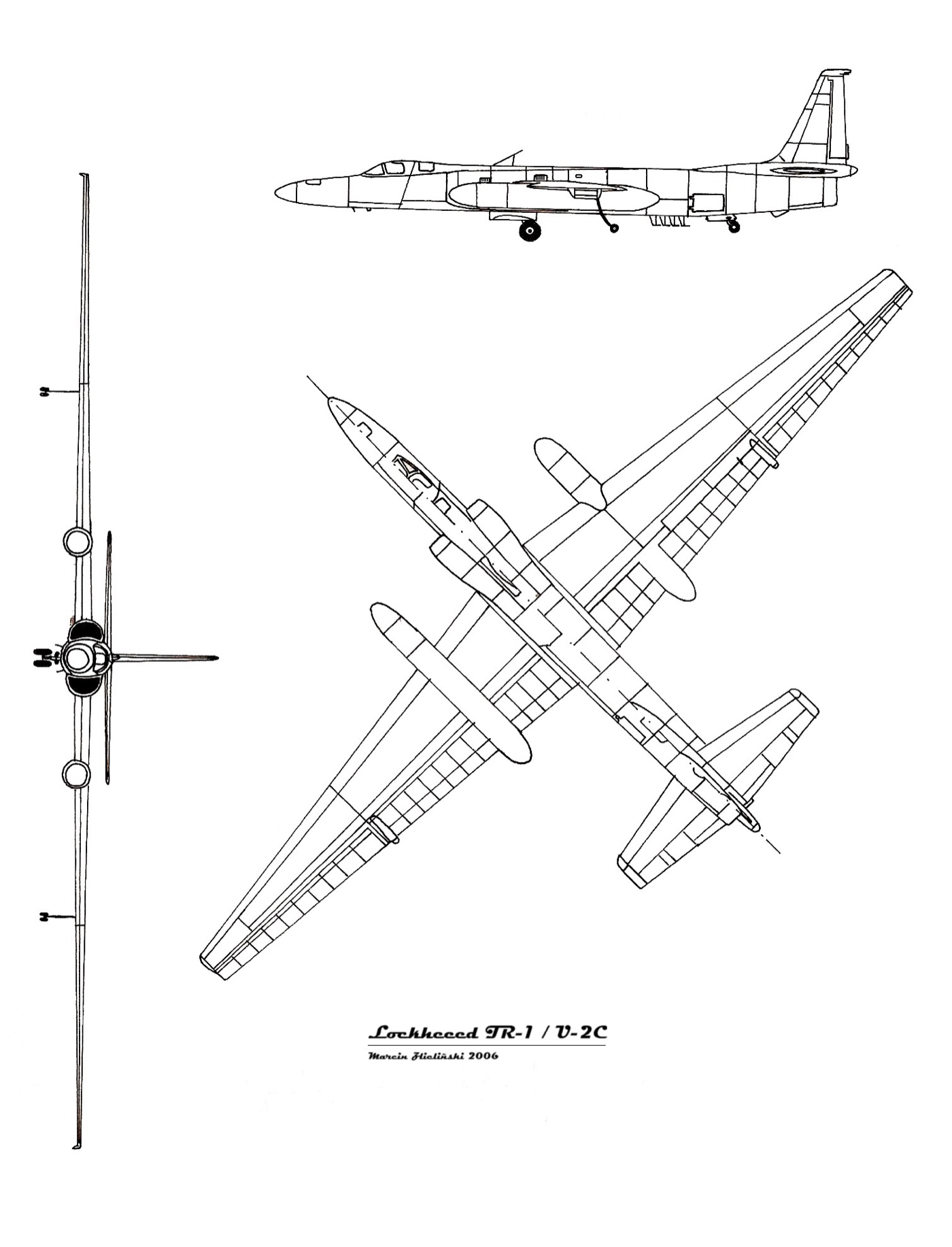
On the morning of 1 May 1960, an American U-2 reconnaissance aircraft — a strange, glider-winged spy plane built to fly higher than any fighter could reach — was cruising at some 70,000 feet over the heart of the Soviet Union, its cameras photographing military installations, when a Soviet surface-to-air missile exploded near it and sent it spinning out of the sky. The pilot, a CIA contract flyer named Francis Gary Powers, parachuted to earth and was captured alive near the city of Sverdlovsk. What followed was one of the most humiliating episodes in the history of American Cold War diplomacy. Believing the pilot dead and the plane destroyed, the United States put out a cover story: that a NASA 'weather research' plane had strayed off course after its pilot reported oxygen trouble. Then the Soviet leader Nikita Khrushchev sprang his trap, revealing that the pilot was alive, had confessed, and that the wreckage — cameras, film, and all — was in Soviet hands. President Eisenhower was exposed in a lie before the world, and, breaking with precedent, ultimately acknowledged that the United States had been conducting espionage overflights. The incident detonated days before a long-planned summit in Paris, which it duly destroyed, ending a fragile thaw and plunging the Cold War back into deep freeze. This is the story of the U-2 incident — the secret program, the shootdown, the collapsing lie, and the summit it took down with it.
The Moai of Easter Island: The Statues That Walked
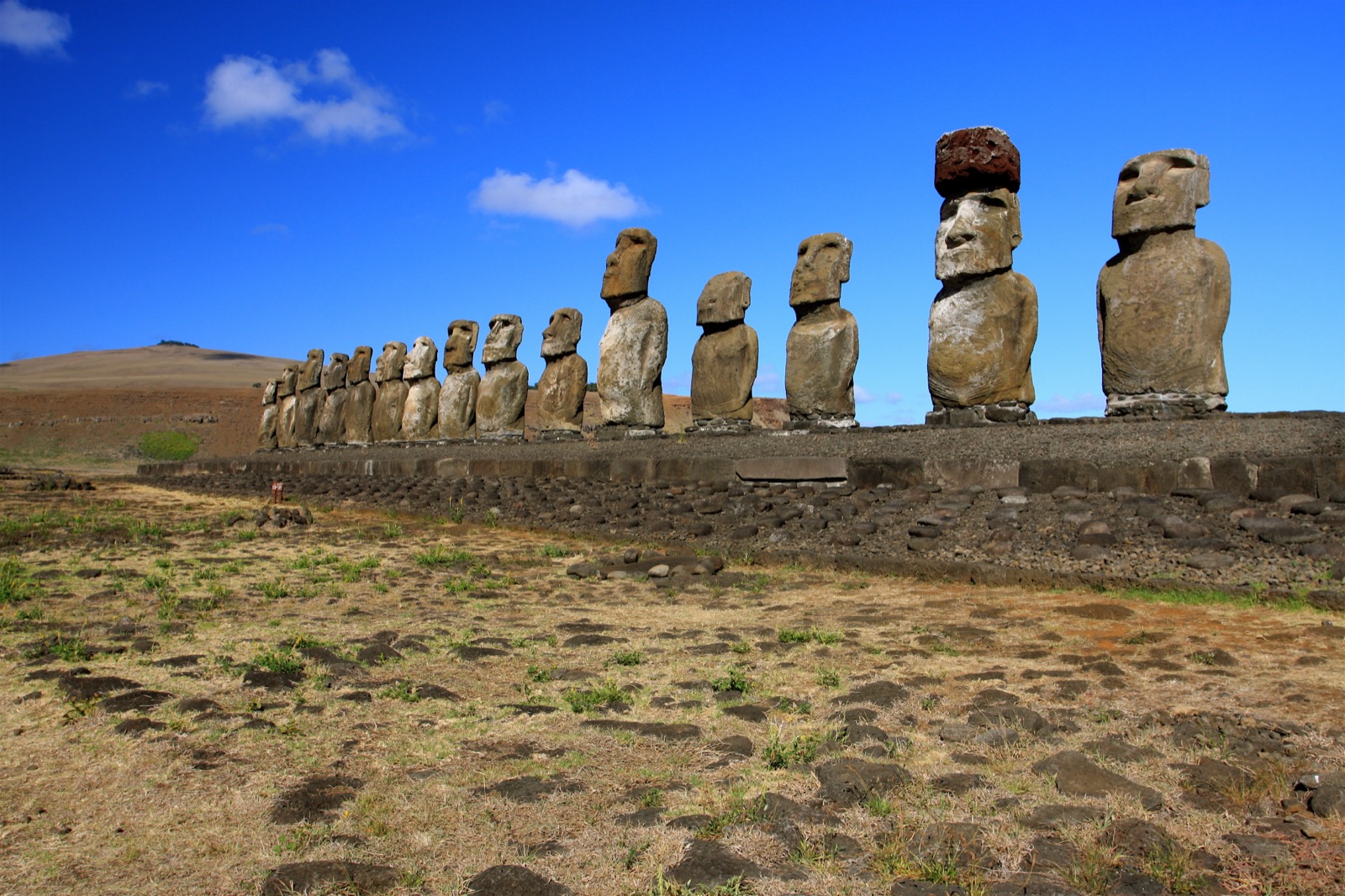
Rapa Nui — Easter Island — is one of the loneliest places inhabited by human beings, a small volcanic triangle in the southeastern Pacific more than three thousand kilometres from the coast of Chile and some two thousand from the nearest inhabited island. On this remote speck of land, a Polynesian society created one of the most recognisable bodies of monumental art in the world: the moai, nearly a thousand colossal stone figures, carved from volcanic rock and raised on stone platforms to gaze inland over the people they were made to protect. For centuries, outsiders looked at these statues on their treeless island and asked how so 'primitive' a people could have made and moved them — a question that led, at its worst, to fantasies of lost continents and ancient astronauts, and, more insidiously, to a powerful modern morality tale in which the islanders supposedly destroyed their own environment, felled their last tree to haul their idols, and collapsed into famine and war: a cautionary fable of self-inflicted ecological ruin. Both the wonder and the warning turn out to be built on misunderstanding. The moai are unmistakably the work of the Rapanui themselves; recent experiments suggest they were 'walked' upright to their platforms, exactly as island tradition always said; and the story of ecological suicide has been steadily dismantled, revealing instead a resilient people whose real catastrophe came not from within but from the arrival of outsiders. This is the story of the statues that walked.
The Assassination of Franz Ferdinand: The Shot That Lit the World
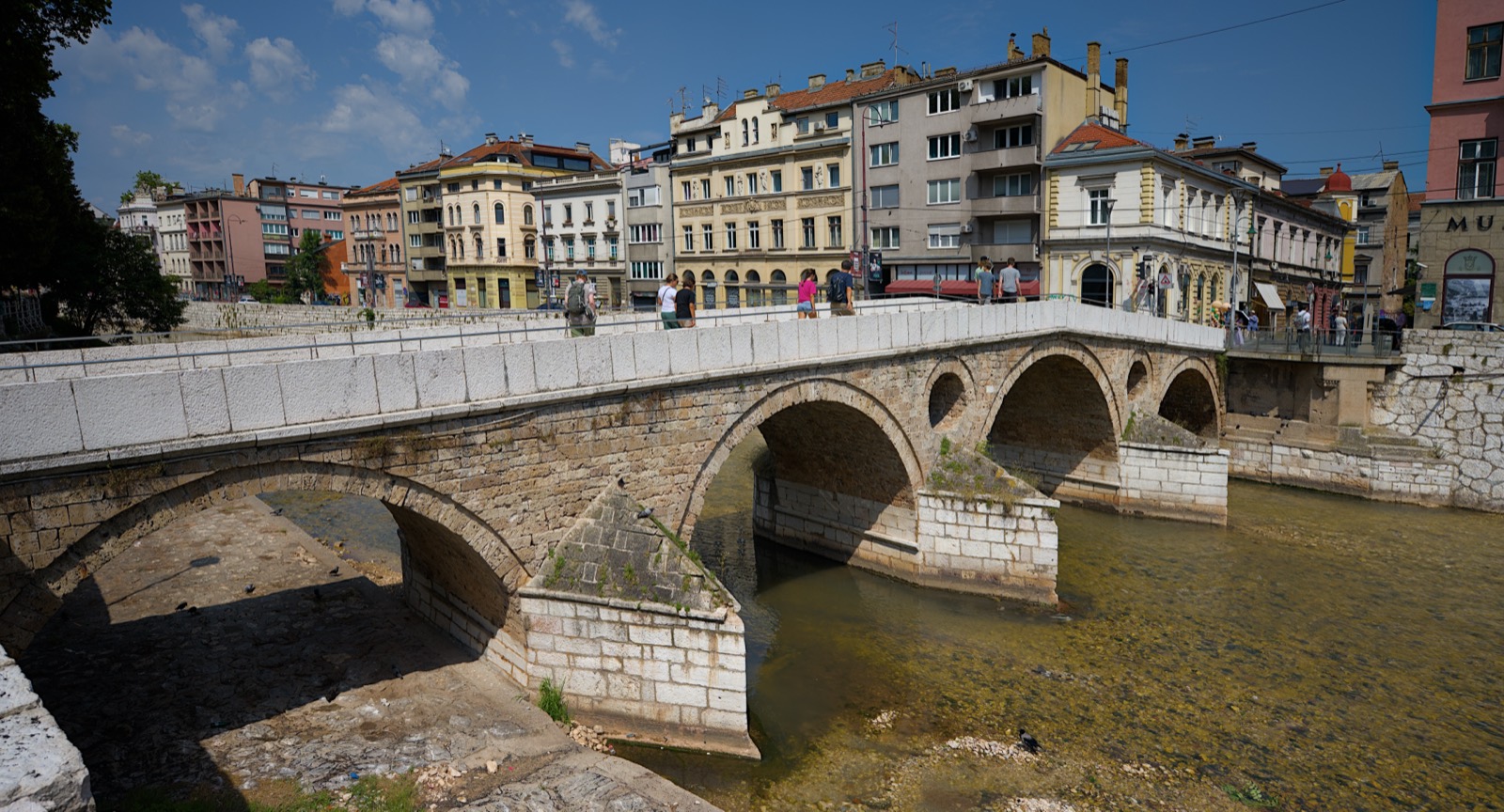
On the morning of 28 June 1914, Archduke Franz Ferdinand of Austria, heir presumptive to the throne of Austria-Hungary, rode through the streets of Sarajevo with his wife Sophie in an open car. Waiting along the route were members of a group of young Bosnian Serb nationalists, armed and trained by a secret society with links to Serbian military intelligence, who had come to kill him. The first attempt failed: a bomb was thrown and bounced away, wounding others but not the Archduke. It should have ended there. But a series of small mistakes — a change of route not passed to the drivers, a wrong turn, a car stopped to reverse at the worst possible spot — brought Franz Ferdinand's stalled vehicle to a halt a few feet from one of the assassins, Gavrilo Princip, who had given up and drifted away from his post. He stepped forward and fired twice. The Archduke and his wife were dead within minutes. What followed was not merely a tragedy for two people and their orphaned children but a catastrophe for the world: over the next six weeks, a tangle of alliances, ultimatums, and mobilisations turned a political murder in the Balkans into the First World War, which would kill some twenty million people and destroy four empires. This is the story of the shot that lit the world — and of how very nearly it was never fired.
Göbekli Tepe: The Temple That Rewrote Prehistory
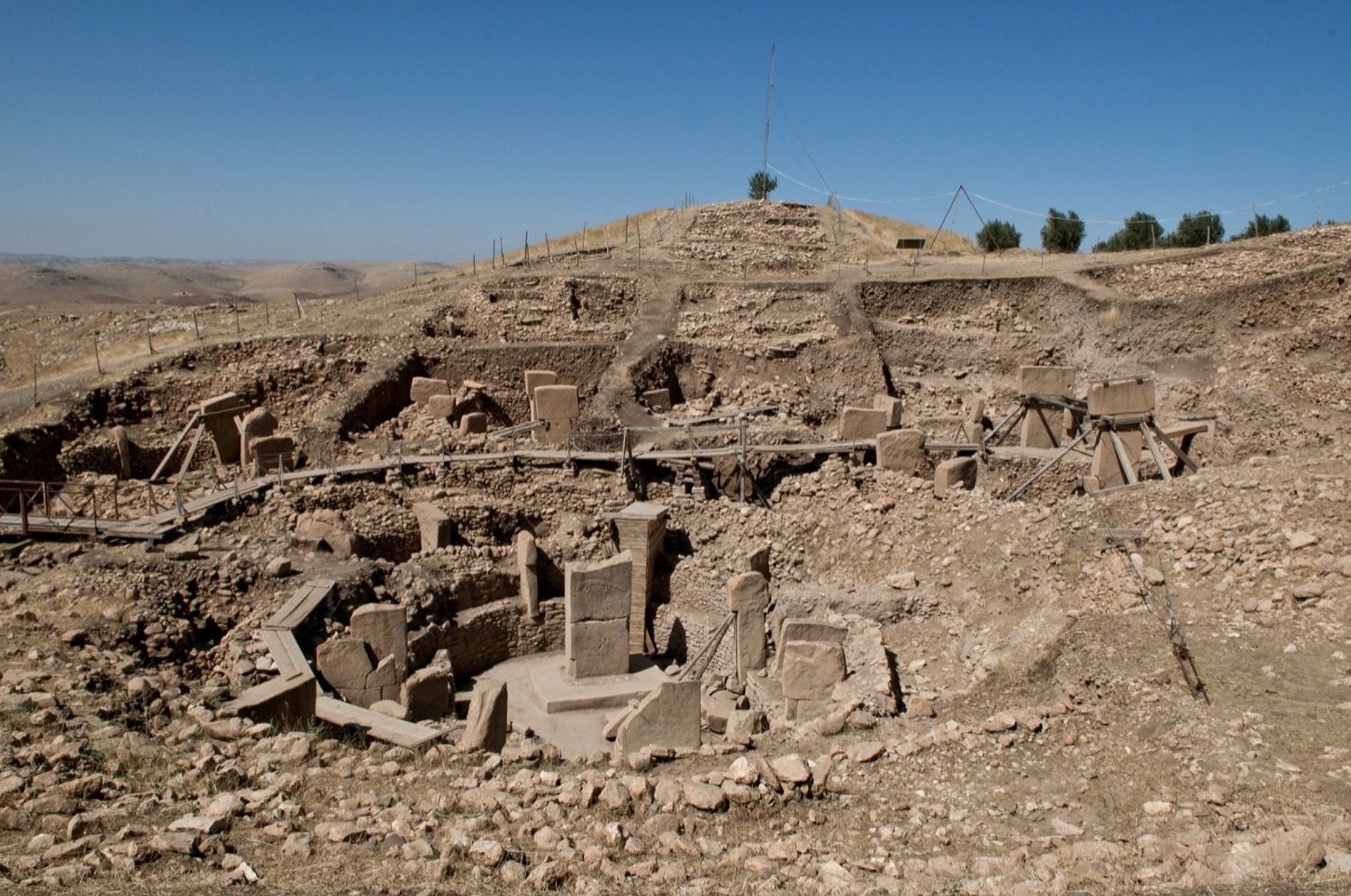
On a limestone ridge overlooking the plains of southeastern Turkey, near the ancient city of Urfa, stands a place that forced archaeologists to rewrite the earliest chapter of the human story. Göbekli Tepe — the name means 'Potbelly Hill' in Turkish — is a complex of great circular enclosures built from massive T-shaped stone pillars, some more than five metres tall and weighing many tons, many of them carved in relief with foxes, boars, snakes, scorpions, vultures, and other animals. It is staggeringly old. Radiocarbon dating places its construction to around 9500 BCE and earlier, making it roughly eleven and a half thousand years old — some six thousand years older than Stonehenge and seven thousand older than the Great Pyramid. What made the discovery revolutionary was not merely its age but who built it: not a settled society of farmers with cities and kings, but hunter-gatherers, people without pottery, without metal, without the wheel, and without — at least at first — agriculture itself. The prevailing wisdom had long held that monumental architecture was a product of civilisation, something only settled, food-producing societies could afford. Göbekli Tepe stood that assumption on its head, and suggested that the impulse to gather and build something great may have come first. It is a genuine mystery — but a mystery of human achievement, not of lost super-civilisations or visitors from the stars. This is the story of the temple that rewrote prehistory.
The Great Pyramid of Giza: How It Was Really Built
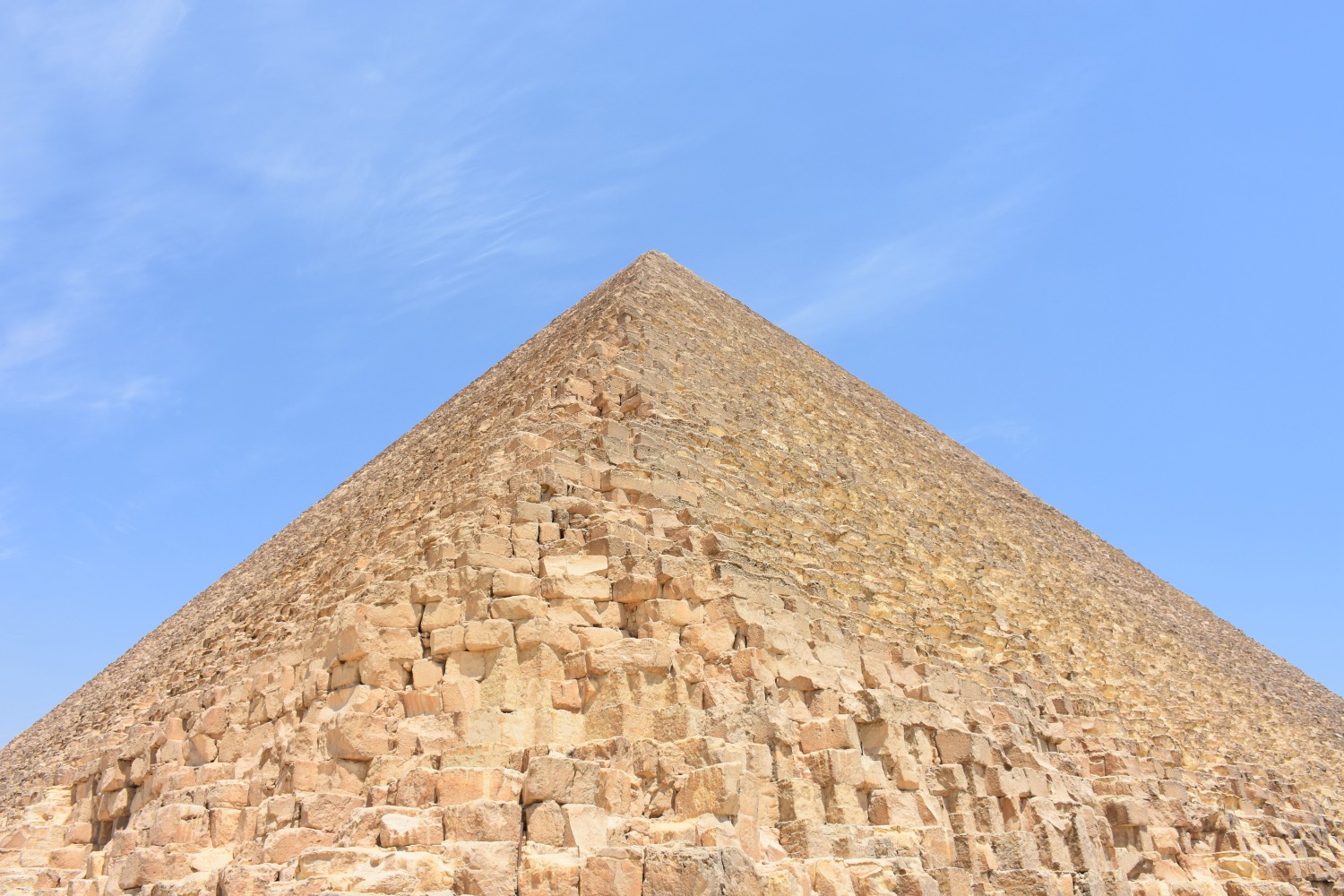
The Great Pyramid of Giza is the last of the Seven Wonders of the Ancient World still standing, and the most famous building humanity has ever made. Raised around 2560 BCE on the Giza plateau outside modern Cairo as a tomb for the pharaoh Khufu, it rose to a height of some 146 metres, built from roughly 2.3 million blocks of stone weighing, on average, over two tonnes each — and it remained the tallest human-made structure on Earth for nearly four thousand years. Its scale, its precision, and its antiquity have made it a screen for every kind of speculation: that it was built by slaves cracking under the lash, or could not have been built by ancient Egyptians at all; that it encodes the mathematical constant pi, the dimensions of the Earth, and prophecies of the future; that it was a power plant, a beacon, or a monument raised with the help of visitors from the stars. Almost none of this is true, and the strangest thing about the Great Pyramid is that the real story of how it was built — recovered from the workers' own village, their cemeteries, the quarries, and even a four-and-a-half-thousand-year-old logbook kept by one of the men who supplied it — is more remarkable than any fantasy. It was built by Egyptians: skilled, paid, well-fed, superbly organised Egyptians, working with copper, stone, timber, rope, and an administrative genius that is the true marvel of the age. This is the story of how the Great Pyramid was really built.