Archive
Everything we've published
The complete index. Newest first.
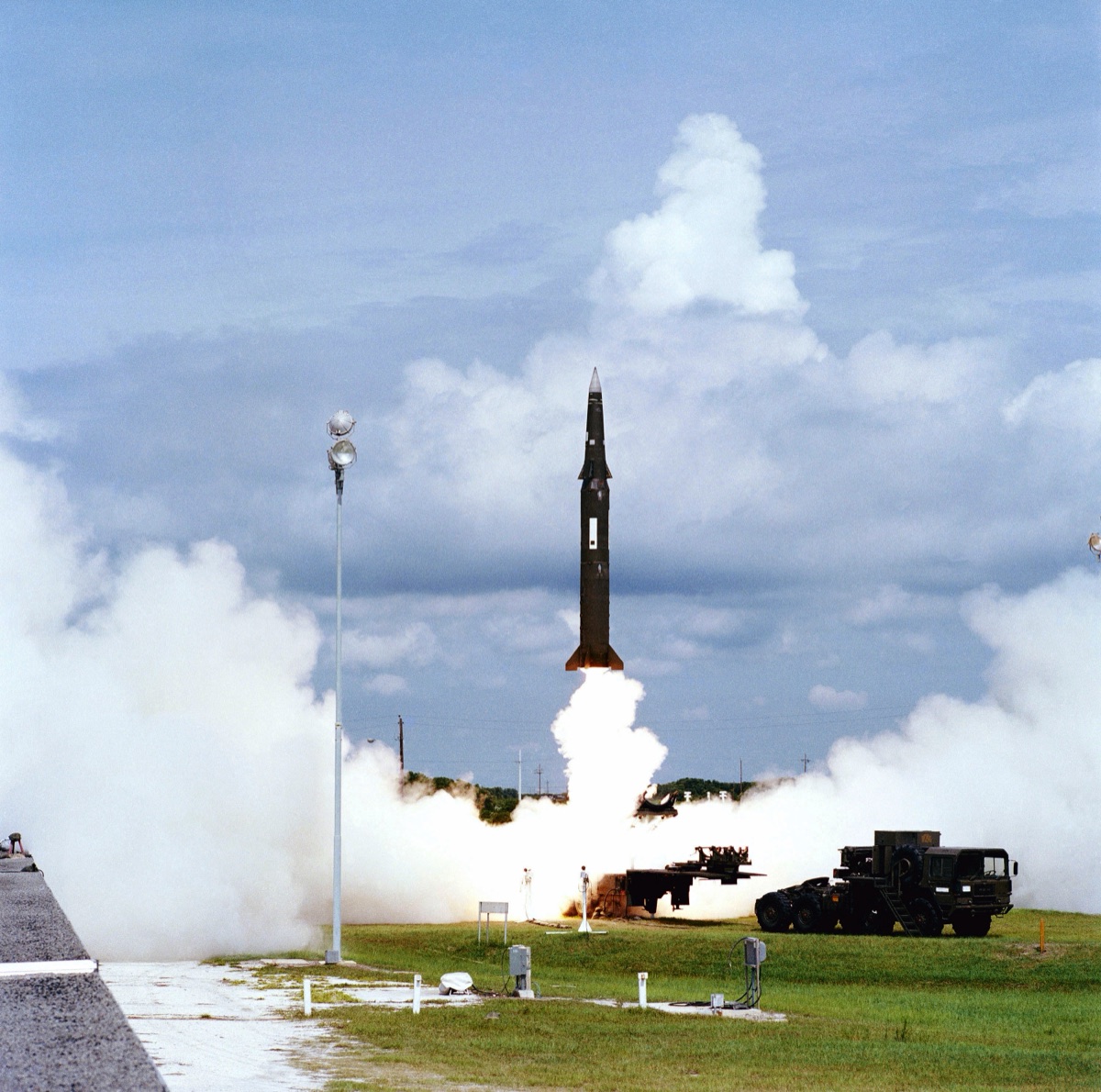
Able Archer 83: The NATO Exercise That Nearly Started a Nuclear War
In November 1983, at the tensest moment of the late Cold War, NATO conducted a command-post exercise called Able Archer 83, simulating the procedures for escalating a conflict all the way to nuclear war. It was, on its face, a routine drill. But it took place against a backdrop of extraordinary danger: a year in which President Reagan had branded the Soviet Union an 'evil empire' and launched his 'Star Wars' missile-defense plan; in which NATO was deploying Pershing II missiles in Europe that could strike Moscow in as little as six minutes; and in which the Soviets had, weeks earlier, shot down a Korean airliner, killing 269 people. Above all, it took place while the Soviet leadership, under the ailing and deeply suspicious former KGB chief Yuri Andropov, was in the grip of a genuine fear that the United States was preparing a surprise nuclear first strike — a fear so acute that the KGB was running a vast intelligence operation to watch for the signs. Into this atmosphere came Able Archer, so realistic in its simulation of a march to nuclear release that some in Moscow reportedly feared it might be the real thing, a cover for an actual attack — and the Soviets may have begun to ready their own nuclear forces in response. Whether the world truly stood on the brink, or whether the danger has been exaggerated, is debated to this day. This is the story of Able Archer 83 — the exercise that may have brought the world closer to nuclear war than anyone realized at the time.

The Death of Bruce Lee: The Dragon's Sudden End
On the evening of 20 July 1973, Bruce Lee — the martial artist, actor, and philosopher who had done more than anyone to bring kung fu to the world, and who stood on the very threshold of global superstardom — lay down in a Hong Kong apartment with a headache and never woke up. He was thirty-two years old, extraordinarily fit, and weeks away from the release of Enter the Dragon, the film that would make him an immortal icon. His sudden death at the height of his powers stunned the world and seemed, to many, impossible: how could a man who embodied physical perfection simply die of a headache? A coroner's inquest concluded that he had died of a swelling of the brain — cerebral oedema — most likely triggered by a reaction to a common painkiller, and returned a verdict of 'death by misadventure.' But that clinical answer has never satisfied everyone, and in the vacuum of certainty a thicket of theories has grown: that he was murdered by rival martial artists or organised crime, that he fell to an ancient family curse later 'confirmed' by the freak death of his son, that some exotic 'death touch' had felled him. The medical reality is at once more mundane and more genuinely uncertain than any of these. This is the story of the death of Bruce Lee — of what the evidence shows, what remains unknown, and why the legends persist.
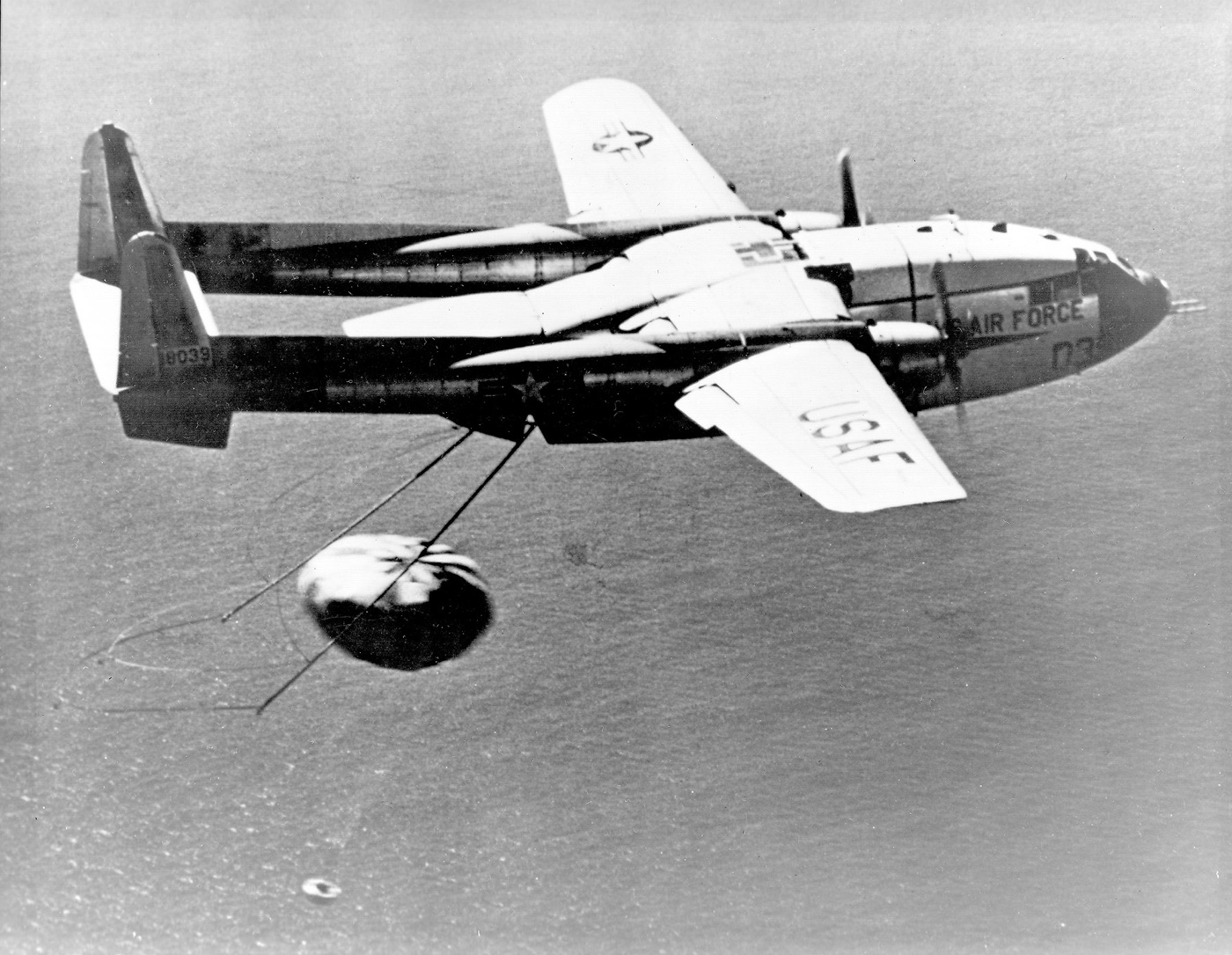
Corona: The Secret Spy Satellites That Watched the Cold War
In August 1960, months after a Soviet missile brought down an American U-2 spy plane and ended the era of manned overflights of the USSR, the United States achieved something that would prove far more important: it retrieved, from a capsule that had been ejected from a satellite in orbit and parachuted down over the Pacific to be snatched from the air by a passing aircraft, a roll of film containing photographs of the Soviet Union. That single mission photographed more Soviet territory than all the U-2 flights combined. It was the first success of Corona, a top-secret American reconnaissance-satellite program run jointly by the CIA and the Air Force and hidden behind a cover story about a scientific satellite called Discoverer. Over the following twelve years, Corona satellites would photograph the Soviet Union, China, and other closed societies from orbit, returning their film to Earth in a series of astonishing mid-air recoveries, and would transform the ability of the United States to see inside its adversaries. In doing so, Corona did more than gather secrets: by letting each superpower verify the true size of the other's forces, it punctured dangerous myths, made arms-control treaties possible, and, in its quiet way, helped stabilize the terrifying balance of the nuclear age. Classified for decades, its existence was revealed only in 1995. This is the story of Corona — the secret eyes that America put in the sky, and how they changed the Cold War.
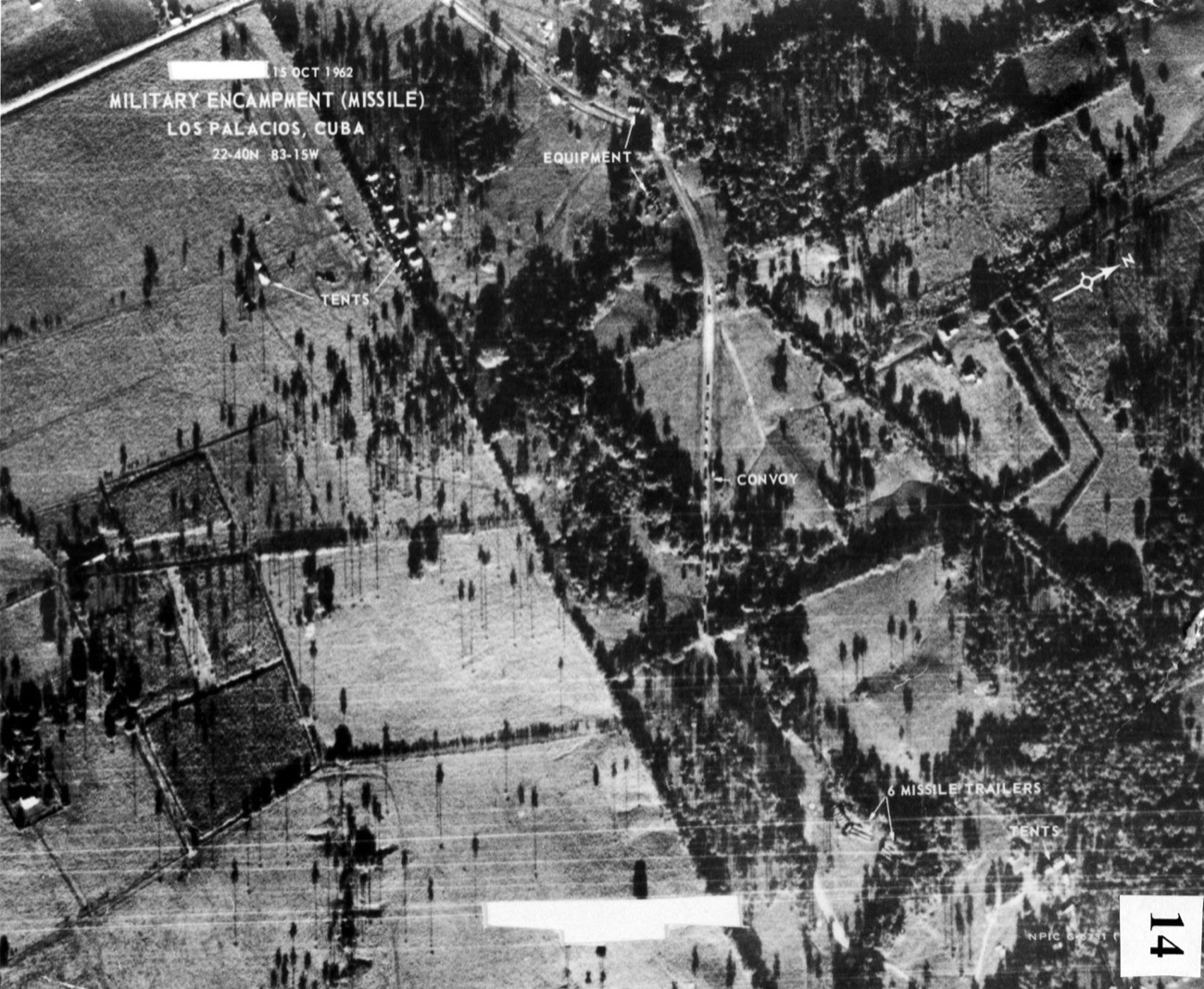
The Cuban Missile Crisis: Thirteen Days on the Nuclear Brink
In October 1962, the Cold War came within a hair's breadth of becoming a nuclear one. For thirteen days that month, the United States and the Soviet Union confronted each other over the discovery that the Soviets had secretly installed nuclear missiles in Cuba, ninety miles from the American coast, capable of striking much of the United States within minutes. American reconnaissance had caught the deployment while the missile sites were still being built; President John F. Kennedy imposed a naval blockade of the island and demanded the missiles' removal; and for the better part of two weeks the world held its breath as the two superpowers, each armed with the power to destroy the other and much of humanity, edged toward the abyss. It was, and remains, the closest the world has ever come to full-scale nuclear war — closer, it later emerged, than even the participants understood at the time, with more than one moment in which a single decision, or a single frightened officer, might have triggered catastrophe. That it ended not in annihilation but in a negotiated settlement was the product of nerve, restraint, back-channel diplomacy, a secret deal, and no small amount of luck. This is the story of the Cuban Missile Crisis — the secret deployment, the discovery, the standoff, the near-catastrophes, and the fragile bargain that saved the world.

The Umbrella Murder: The Poisoning of Georgi Markov
On the afternoon of 7 September 1978, Georgi Markov, a Bulgarian émigré writer, was waiting at a bus stop on Waterloo Bridge in London, on his way to his job at the BBC World Service, when he felt a sudden sharp sting in the back of his right thigh. Turning, he saw a man behind him bending to pick up a dropped umbrella; the man apologised in a foreign accent, hurried across the road, and got into a taxi. Markov thought little of it at first, but by that evening he had developed a high fever, and over the next three days his condition collapsed catastrophically. He died on 11 September, aged forty-nine. A post-mortem examination found, embedded in his thigh, a tiny metal pellet no larger than a pinhead, drilled with minuscule cavities that had held a dose of ricin — one of the deadliest toxins known, and one for which there is no antidote. Markov had been assassinated in broad daylight on a London street, murdered for the crime of broadcasting the truth about the communist regime in his homeland. The method — a poison pellet delivered, it is believed, by a specially engineered umbrella — became one of the most infamous images of Cold War espionage, and the killing itself one of its clearest examples of a state reaching across borders to silence a dissident. This is the story of the umbrella murder.
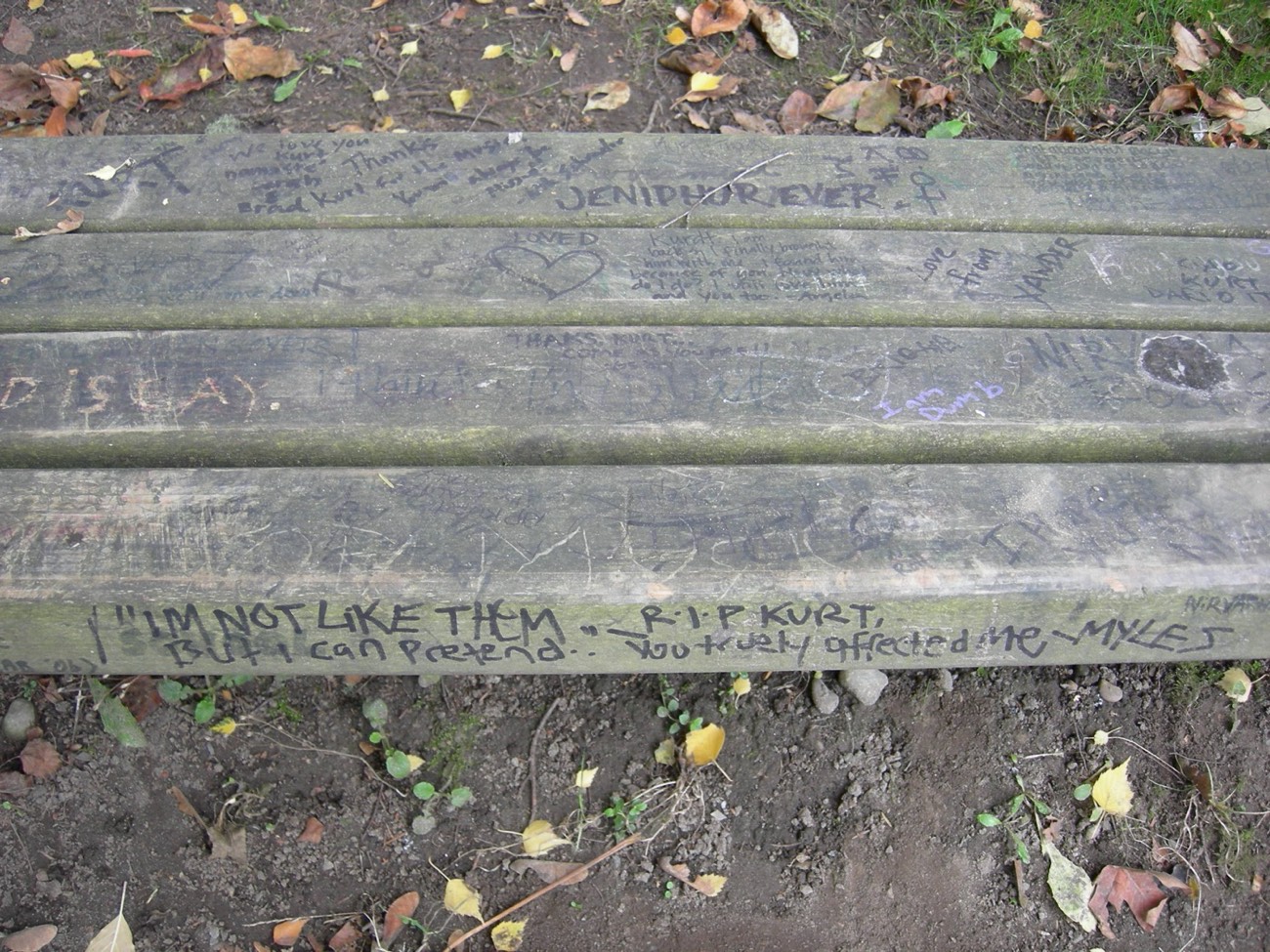
The Death of Kurt Cobain: The Reluctant Icon and the Theories
In early April 1994, Kurt Cobain — the singer, songwriter, and guitarist of Nirvana, the band that had carried underground rock into the mainstream and made him, against his own wishes, the defining voice of a generation — was found dead at his home in Seattle. He was twenty-seven years old. His death, from a self-inflicted gunshot wound, was ruled a suicide by the King County medical examiner and the Seattle police, a conclusion the authorities have reaffirmed in the decades since, including in a fresh review on the twentieth anniversary. Cobain had long struggled with severe depression, a debilitating chronic stomach condition, and heroin addiction, and had survived a near-fatal overdose only weeks before; a note was found at the scene. For most of those who knew him and have studied the case, his death was the tragic culmination of years of pain. Yet from the beginning a minority have insisted otherwise — that Cobain was murdered, that the suicide finding was wrong, with suspicion aimed in various directions — and these claims, amplified by books and films, have kept a conspiracy alive. This article examines his death with the care such a subject demands: what the evidence establishes, why the murder theories have not held up, and, above all, the human tragedy of mental illness and addiction that the conspiracy too often obscures. If you are struggling, please know that help is available, and that reaching out is a sign of strength, not weakness.
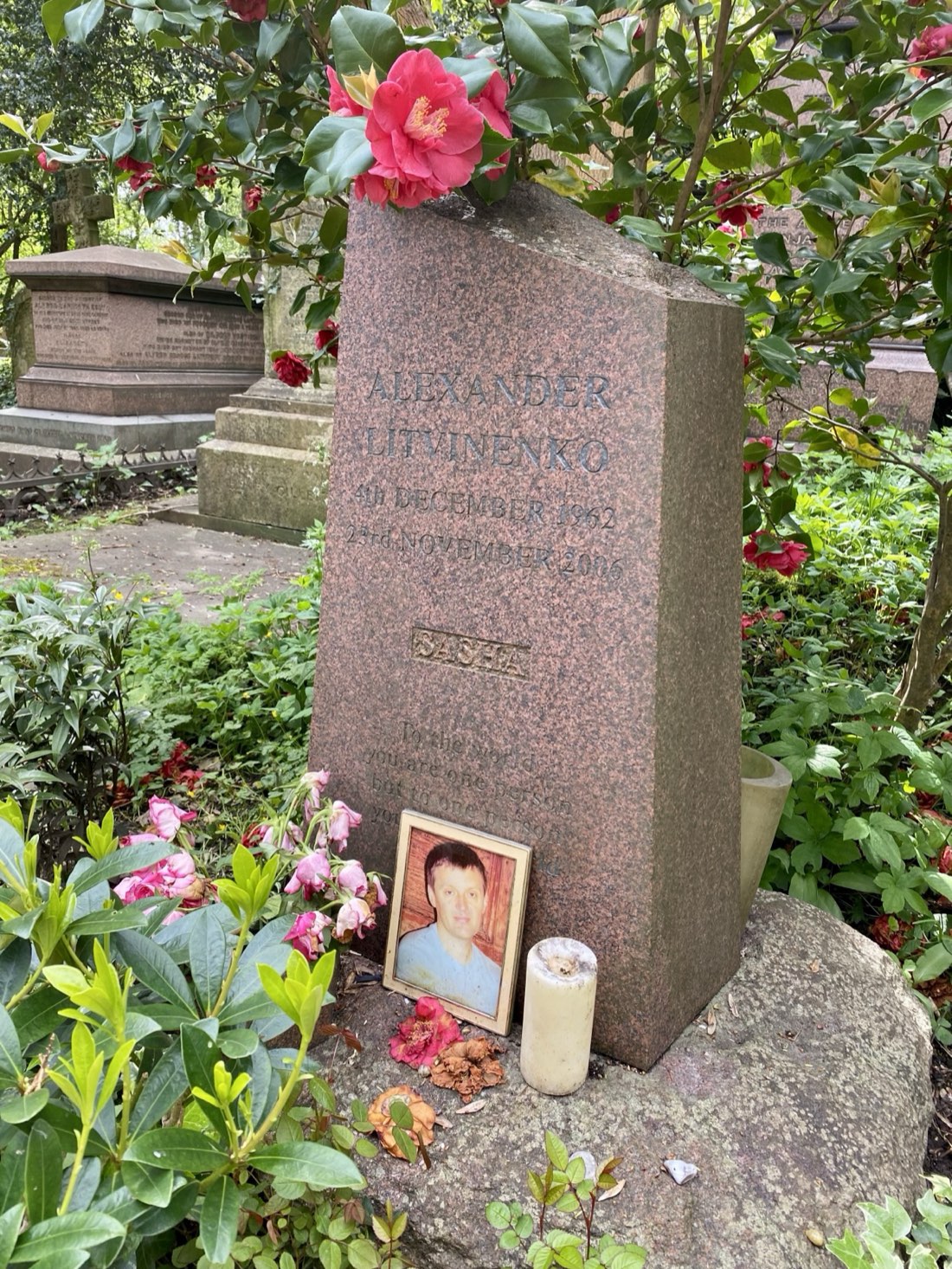
The Poisoning of Alexander Litvinenko: Polonium in a London Teapot
On 1 November 2006, Alexander Litvinenko, a former officer of Russia's FSB security service who had defected to Britain and become one of the Kremlin's most outspoken critics, met two Russian contacts for tea at the Pine Bar of the Millennium Hotel in London's Mayfair. Within hours he was violently ill; over the following three weeks he wasted away in a hospital bed, his hair falling out, his organs failing, as doctors struggled to identify what was killing him. Only as he lay dying did they discover the cause: polonium-210, a rare and extraordinarily radioactive isotope, which had been slipped into his teapot. He died on 23 November 2006, aged forty-four, but not before dictating a statement accusing President Vladimir Putin directly of ordering his murder. The polonium had left a faint radioactive trail across London — through the hotel, restaurants, offices, and aircraft — which investigators followed to two Russian men, and, they concluded, back to the Russian state itself. A decade later, a British public inquiry found that Litvinenko had been killed in an operation carried out by the FSB and 'probably approved' by Putin himself. It was an assassination by radiation on the streets of a Western capital, and one of the most brazen acts of state murder of the twenty-first century. This is the story of the polonium poisoning of Alexander Litvinenko.

The Death of Marilyn Monroe: The Star, the Overdose, and the Theories
In the early hours of 5 August 1962, Marilyn Monroe — the most photographed and adored star of her age, an icon of Hollywood glamour recognised the world over — was found dead in the bedroom of her modest home in the Brentwood district of Los Angeles. She was thirty-six years old. The Los Angeles County coroner determined that she had died of acute barbiturate poisoning, a lethal quantity of sleeping pills in her system, and classified the death as a 'probable suicide,' consistent with her long and painful history of depression, insomnia, and dependency on the drugs that both sustained and endangered her. It should have been, and in its essentials was, the tragic end of a brilliant, fragile woman whom fame had exploited more than it had protected. But the investigation that night was careless and confused, the timeline muddled, the accounts of those present contradictory; and Monroe's rumoured connections to President John F. Kennedy and his brother, Attorney General Robert Kennedy, gave rise almost immediately to whispers, and then to an enduring industry, of conspiracy — that she had been murdered, or silenced, to protect powerful men. Sixty years on, those theories persist, unproven and unpersuasive, while the documented evidence points, as it did from the start, toward a lonelier and more ordinary tragedy. This is the story of the death of Marilyn Monroe — what is known, what is not, and why the difference matters.
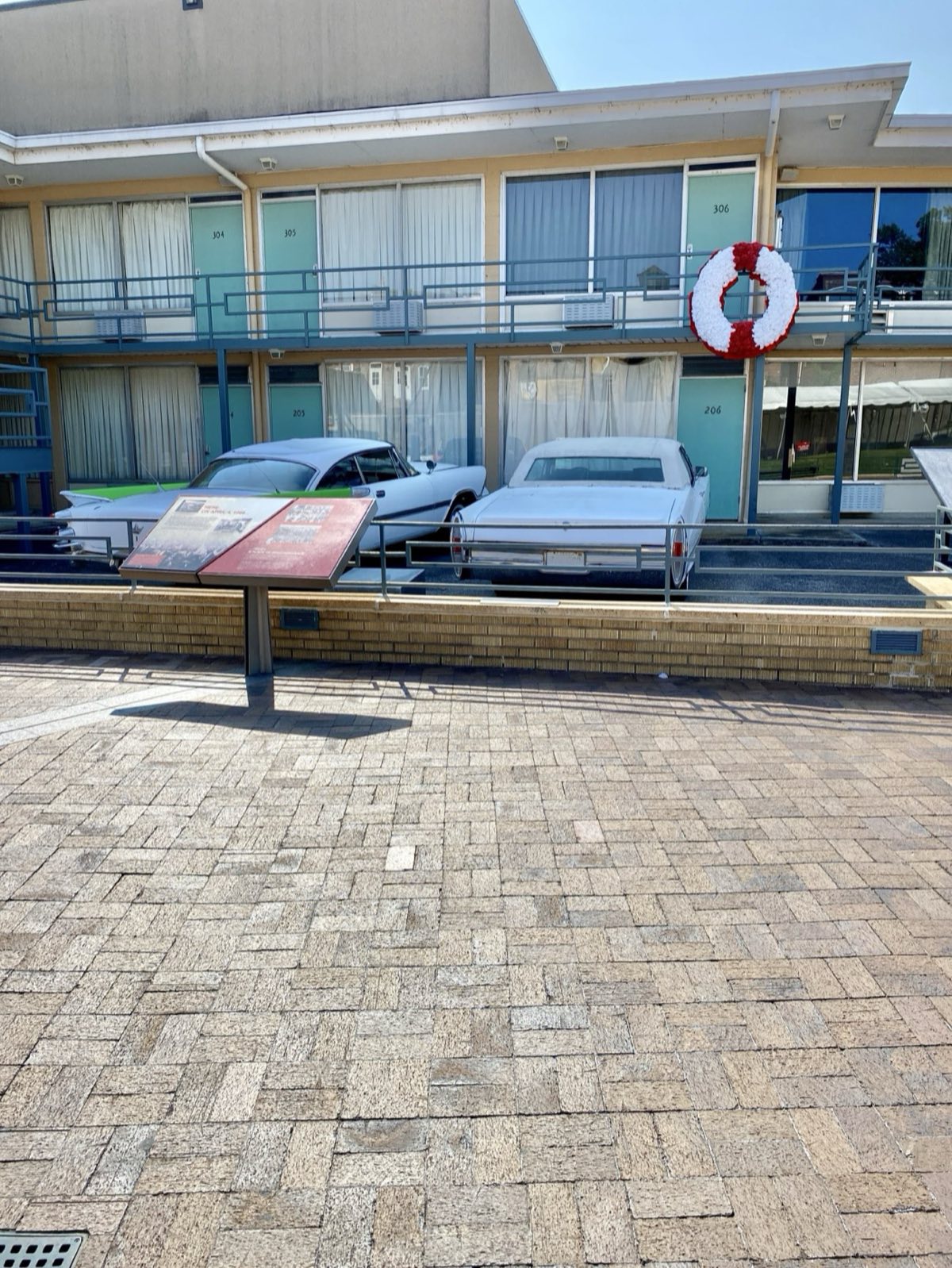
The Assassination of Martin Luther King Jr.: The Shot at the Lorraine Motel
At one minute past six on the evening of 4 April 1968, Martin Luther King Jr. stepped out onto the balcony of room 306 at the Lorraine Motel in Memphis, Tennessee. He had come to the city to support striking Black sanitation workers, and the night before had delivered, as if in premonition, his haunting 'I've Been to the Mountaintop' speech. Now, standing at the railing chatting with colleagues in the parking lot below, he was struck in the face by a single high-powered rifle bullet fired from a rooming house across the street. He fell mortally wounded and was pronounced dead an hour later. He was thirty-nine years old, and with his death the United States lost the most eloquent, disciplined, and morally commanding leader its long struggle for racial justice had produced. A petty criminal and escaped convict named James Earl Ray was identified as the assassin, captured after a two-month international manhunt, and convicted on his own guilty plea. Yet within days Ray recanted, insisting he had been a pawn in a larger plot; he spent the rest of his life seeking the trial he never got; and King's own widow and children came to believe he was not the lone gunman — or not the gunman at all. Set against the documented fact that the FBI had waged a vicious secret campaign to destroy King, the questions have proved impossible to lay fully to rest. This is the story of the assassination at the Lorraine Motel, and of the doubts that outlived the man convicted of it.

The Death of Natalie Wood: Drowning Off Catalina
On the morning of 29 November 1981, the body of Natalie Wood — one of the most cherished actresses of her generation, a star since childhood — was found floating in the Pacific Ocean about a mile from her yacht, the Splendour, off the coast of Santa Catalina Island in California. She was forty-three, and she had drowned. The night before, she had been aboard the yacht with three other people: her husband, the actor Robert Wagner; her Brainstorm co-star, Christopher Walken; and the boat's captain, Dennis Davern. The Los Angeles coroner initially ruled the death an accidental drowning, theorising that she had slipped while trying to secure or board the yacht's dinghy and had been unable to climb back out of the cold water. But the account of that night was troubled from the start — there had reportedly been drinking and an argument aboard, the stories of those present shifted over the years, and Wood, it was widely known, had a lifelong fear of water. Three decades later, in 2011, the case was reopened; the cause of death was formally amended to 'drowning and other undetermined factors'; and in 2018 her husband was named a 'person of interest' — though he has always denied any wrongdoing, was never arrested or charged, and no evidence of foul play has ever been established. This is the story of the death of Natalie Wood — a genuine mystery in which the official record itself declines to say for certain what happened.

Project Azorian: The CIA's Secret Salvage of a Soviet Submarine
In 1968, a Soviet ballistic-missile submarine, the K-129, sank in the Pacific Ocean north of Hawaii, carrying its crew, its nuclear missiles, and its secrets to the bottom, nearly three miles down. The Soviets searched and failed to find it; the United States, using its network of undersea listening posts, located the wreck. And then the CIA conceived one of the boldest schemes in the history of espionage: to raise the submarine — or a large part of it — from a depth of some 4,900 meters, a feat of deep-sea salvage far beyond anything ever attempted, in order to seize the Soviet nuclear missiles, warheads, and, most tantalizingly, the code machines and cryptographic materials aboard. To do it in secret, the agency built a purpose-designed salvage ship equipped with an enormous mechanical claw, and hid the entire enterprise behind an elaborate cover story: that the vessel, the Hughes Glomar Explorer, belonged to the reclusive billionaire Howard Hughes and was mining valuable metals from the sea floor. In the summer of 1974, the ship attempted the impossible. It succeeded in lifting the submarine partway to the surface — before a portion broke off and fell back into the abyss. Exactly what was recovered remains, in part, classified to this day. And when journalists exposed the operation, the CIA's refusal to comment gave the world a phrase that has been with it ever since: that it could 'neither confirm nor deny.' This is the story of Project Azorian.
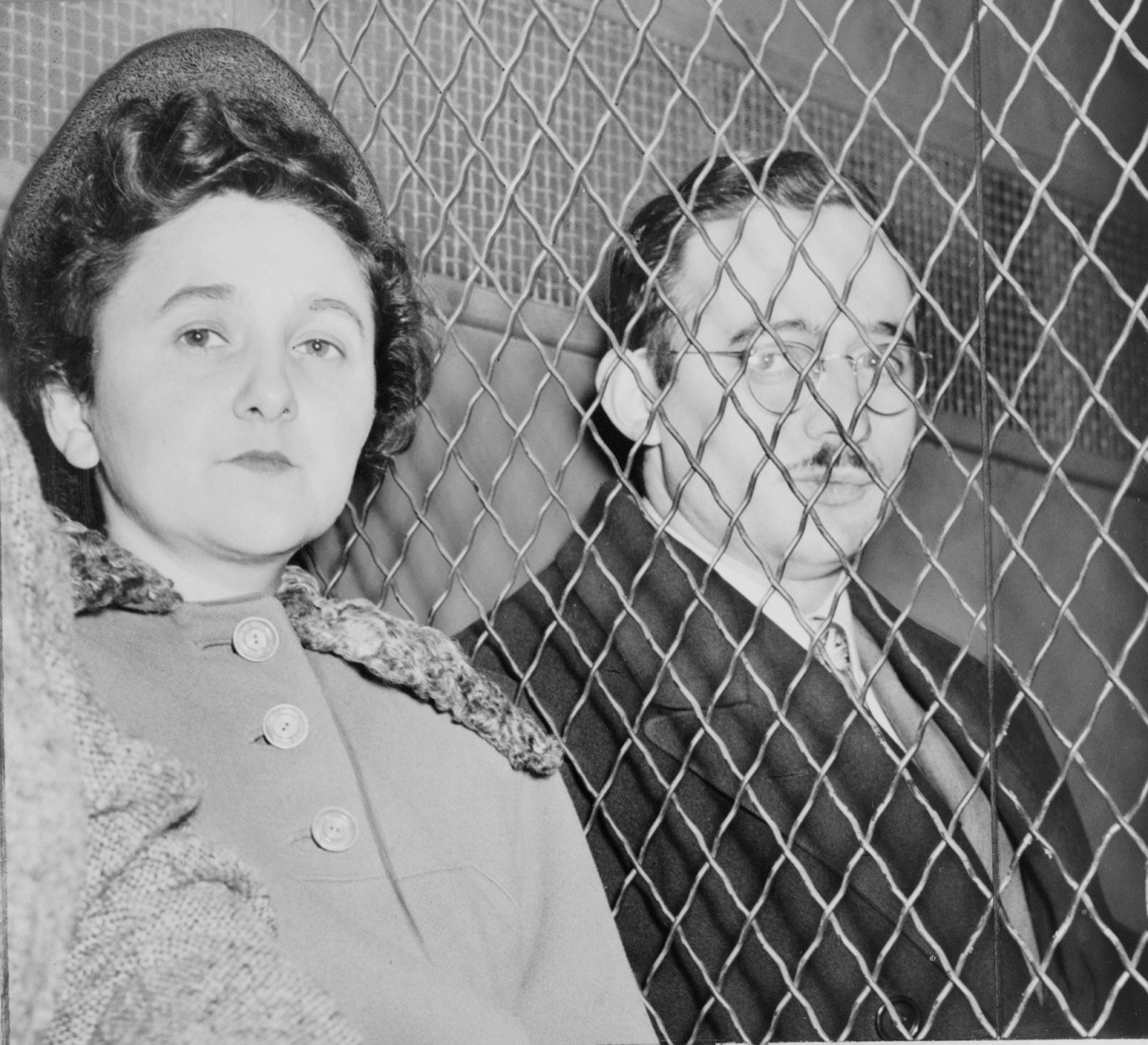
The Rosenberg Case: Atomic Spies and a Contested Execution
On 19 June 1953, Julius and Ethel Rosenberg were executed in the electric chair at Sing Sing prison in New York, convicted of conspiracy to commit espionage for passing atomic secrets to the Soviet Union. They were the only two American civilians ever put to death for spying during the Cold War, and they left behind two young sons. Their case had become, by the time of their deaths, one of the most bitterly divisive in American history: to their defenders, they were innocent victims of anti-communist hysteria, framed and killed to feed the Red Scare; to the prosecution and much of the public, they were traitors who had handed Stalin the atomic bomb and deserved to die. For decades the truth was fiercely contested, the two camps talking past each other. Then, in 1995, the United States released the Venona decrypts — intercepted Soviet intelligence cables — and, with the later opening of Soviet archives, the picture finally came clear, and it satisfied neither side. Julius Rosenberg had, in fact, been a Soviet spy, running a significant espionage ring. But Ethel's guilt was another matter entirely: the testimony that sent her to the chair was later admitted to be a lie, and she appears to have been, at most, a knowing bystander, executed to pressure her husband. This is the story of the Rosenberg case — of real espionage, real injustice, and the hard truth that lies between the two myths that grew up around it.