Category
Media & Propaganda
How narratives are made — and who pays for them.
3 articles
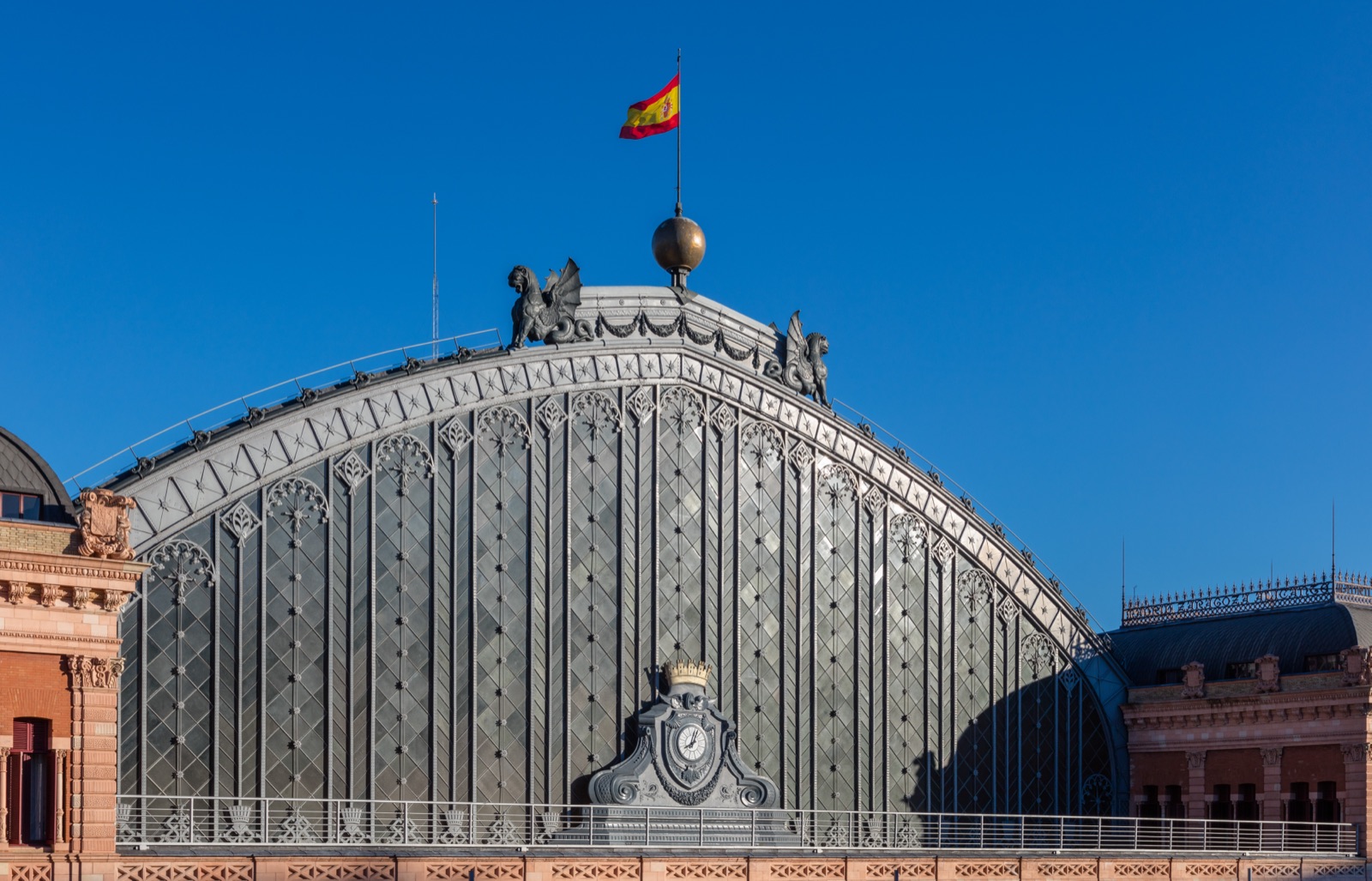
The Madrid Train Bombings and the Battle Over Who Did It
At the height of the morning rush on Thursday, March 11, 2004, ten bombs hidden in sports bags exploded within a few minutes of each other on four packed commuter trains converging on Madrid's Atocha station. One hundred and ninety-three people were killed and around two thousand injured — the deadliest terrorist attack in Spanish history and, at the time, in the history of post-war Europe. The bombs were crude and devastating: military plastic explosive packed with nails and screws, triggered by the alarms of cheap mobile phones. The attack fell three days before a general election that the governing conservative Partido Popular had expected to win, and from the first hours its government insisted, repeatedly and emphatically, that the perpetrator was ETA, the Basque separatist group it had spent years promising to defeat. The evidence pointed elsewhere almost at once — to an unexploded bag with a phone detonator, to a van near the departure station holding detonators and a cassette of Quranic verses, to a local cell of Islamist radicals enraged by Spain's participation in the war in Iraq. Over a frantic weekend the public came to believe it was being misled, gathered in spontaneous protests outside the ruling party's headquarters, and on March 14 voted the government out. Three years later, after the longest trial in modern Spanish history, the courts established the truth in detail: a jihadist cell, inspired by al-Qaeda, had carried out the massacre, and ETA had had nothing to do with it. And yet the case never closed in the public mind. A determined campaign — by newspapers, broadcasters, and politicians of the defeated right — kept alive the claim that the official account was a cover-up and that the real authors of 11-M had been hidden, for years after the verdict and, in corners of Spanish life, to this day. This article sets out what happened, what the courts proved, what genuinely remains murky, and how a fully solved crime became one of the most contested events in modern European politics.
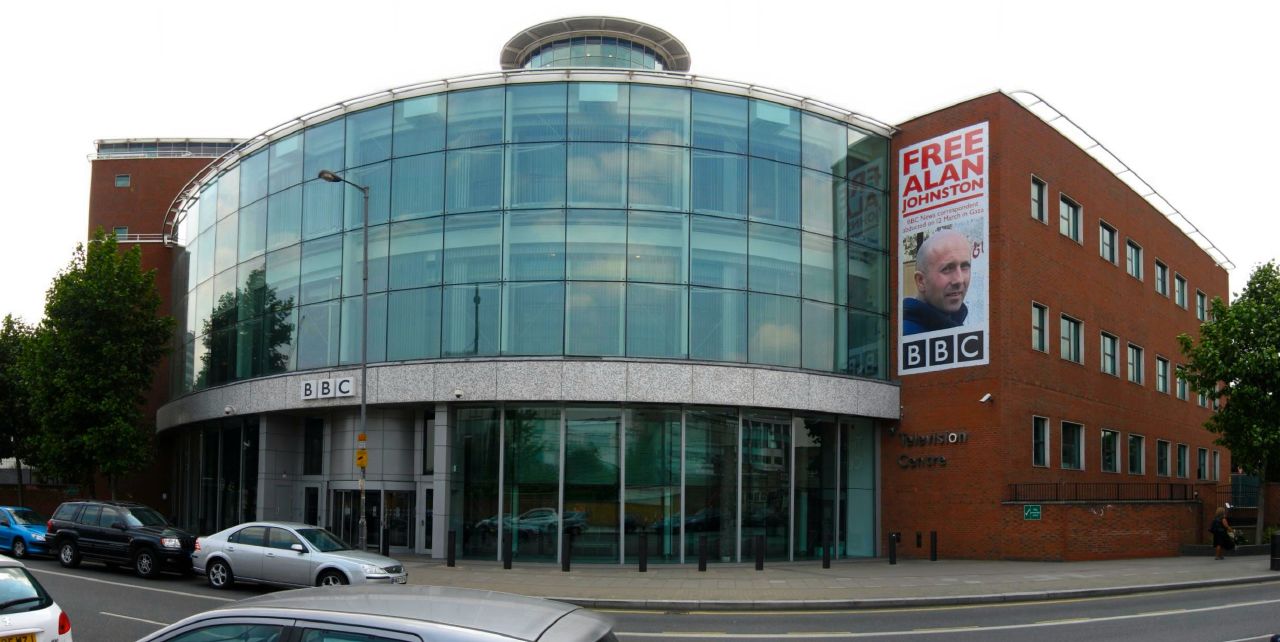
Jimmy Savile and the Institutions That Looked Away
Sir James Wilson Vincent Savile — born in Leeds on October 31, 1926, knighted by Elizabeth II on June 16, 1990, and knighted by Pope John Paul II as a Knight Commander of the Pontifical Order of Saint Gregory the Great in the same year — was, at the time of his death on October 29, 2011 at the age of 84, one of the most decorated, photographed, and televised figures in postwar British public life. He had presented the first edition of the BBC's *Top of the Pops* from a converted Manchester church on January 1, 1964, hosted *Jim'll Fix It* on BBC One every Saturday teatime from May 31, 1975 to June 17, 1994, raised an estimated £40 million for the National Spinal Injuries Centre at Stoke Mandeville Hospital, run twenty-one consecutive London Marathons, dined with Margaret Thatcher at Chequers on eleven separate Christmas Eves between 1980 and 1990, and held — at the time of his death — formal voluntary positions or unsupervised access at Leeds General Infirmary, Stoke Mandeville Hospital, and Broadmoor Hospital, the last as a member of an oversight task force appointed in 1988 by Edwina Currie. Eleven months after his funeral, on the evening of October 3, 2012, ITV broadcast *Exposure: The Other Side of Jimmy Savile*, a sixty-minute documentary in which five women — including Karin Ward, a former pupil at Duncroft Approved School in Surrey — described abuse by Savile between 1971 and 1974. Six days later, on October 9, 2012, the Metropolitan Police Service formally launched Operation Yewtree. By the time the joint Metropolitan Police and NSPCC report *Giving Victims a Voice* was published on January 11, 2013, investigators had recorded 450 separate complaints, with offences spanning the years 1955 to 2009, victim ages ranging from 8 to 47, and identified locations including 14 NHS hospitals, 28 schools, and BBC premises across London and Manchester. The Dame Janet Smith Review — commissioned by the BBC in October 2012, published on February 25, 2016, and running to 789 pages — concluded that on BBC premises between 1965 and 2006, Savile committed offences against at least 72 identified victims and that a 'culture of fear' and deference to celebrity at the corporation had prevented complaints from being acted on. The Kate Lampard reports — commissioned by the Department of Health, published in February 2015 across 28 separate hospital-by-hospital reviews — established 60 acts of abuse at Stoke Mandeville and 60 acts of abuse at Leeds General Infirmary, with additional findings at Broadmoor and twenty-one other NHS sites. No personal prosecutions were possible after Savile's death. No surviving colleague has been charged in connection with the offences. This article examines what fourteen separate institutional inquiries have established about the access, the rumours, the 2009 prosecutorial decision that did not proceed, and the question that remains: how an institution that knows can choose not to act for forty years.
Operation Mockingbird
Between 1948 and the mid-1970s, the Central Intelligence Agency cultivated paid and unpaid working relationships with American journalists, editors, and publishers across every major U.S. news organization. The architect was an OSS veteran named Frank Wisner. He called the network the 'Mighty Wurlitzer' — a theatre-organ metaphor for a machine that could play many instruments from a single console. The full scope was confirmed by the 1975 Church Committee, expanded upon in Carl Bernstein's 25,000-word 1977 Rolling Stone investigation, and partly declassified since. What the records have not yet given up is the operational name everyone agrees was attached to it.
3 files · end of the line