Category
Health & Medicine
From Tuskegee to lab leaks: the ethics, evidence and erasures.
9 articles
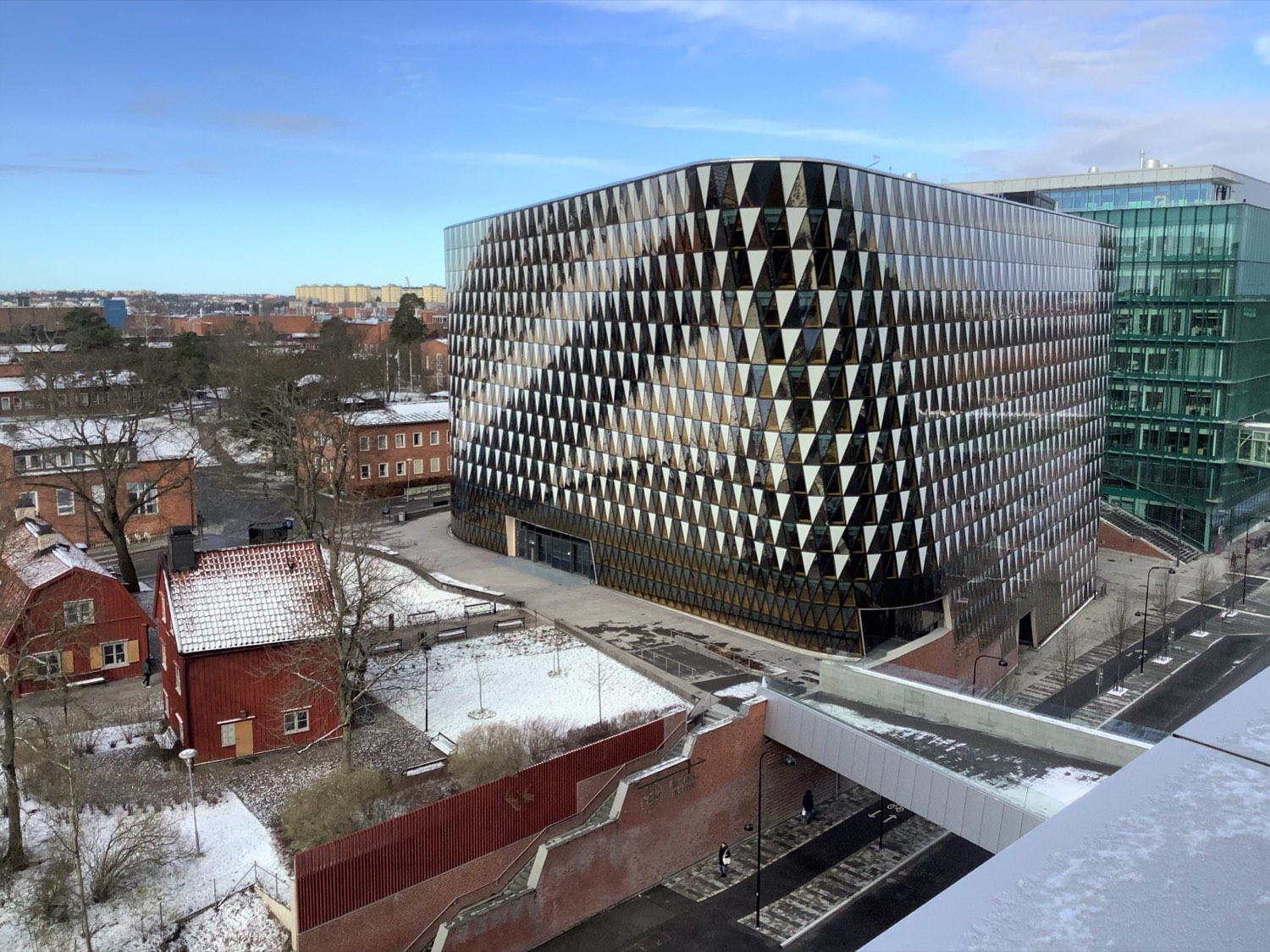
The Macchiarini Scandal and the Surgeon Who Sold a Miracle
Paolo Macchiarini arrived at Sweden's Karolinska Institute in 2010 trailing the aura of a medical pioneer — a charismatic thoracic surgeon who claimed to be doing the seemingly impossible: building new windpipes for patients whose own were failing, by seeding a scaffold with the patient's own stem cells so the body would not reject it. The most audacious version used a synthetic trachea, a tube of plastic, soaked in a bath of stem cells and implanted where a human windpipe should be. It was presented as the dawn of regenerative medicine, published in the world's most prestigious journals, and celebrated by the Karolinska Institute — the body that awards the Nobel Prize in Medicine — as a triumph that might one day grow organs to order. The reality was a catastrophe. The synthetic tracheas did not become living tissue; they degraded, collapsed, and festered inside the patients, who suffered terribly. Of the handful of people who received Macchiarini's plastic windpipes, almost all died. When four senior doctors at Karolinska examined the cases and concluded that he had endangered patients and misrepresented his results, the institute's leadership did not stop him — it cleared him, and turned its machinery against the whistleblowers who had spoken up. It took an American magazine's exposé of Macchiarini's astonishing private life, and a Swedish television documentary, to finally break the story open in 2016. The unravelling cost the careers of university and hospital leaders, produced a landmark reckoning over research fraud, and ended, in 2023, with Macchiarini convicted of bodily harm. This is the story of how a celebrated institution came to protect a man who was killing his patients, and of the colleagues who paid for telling the truth.
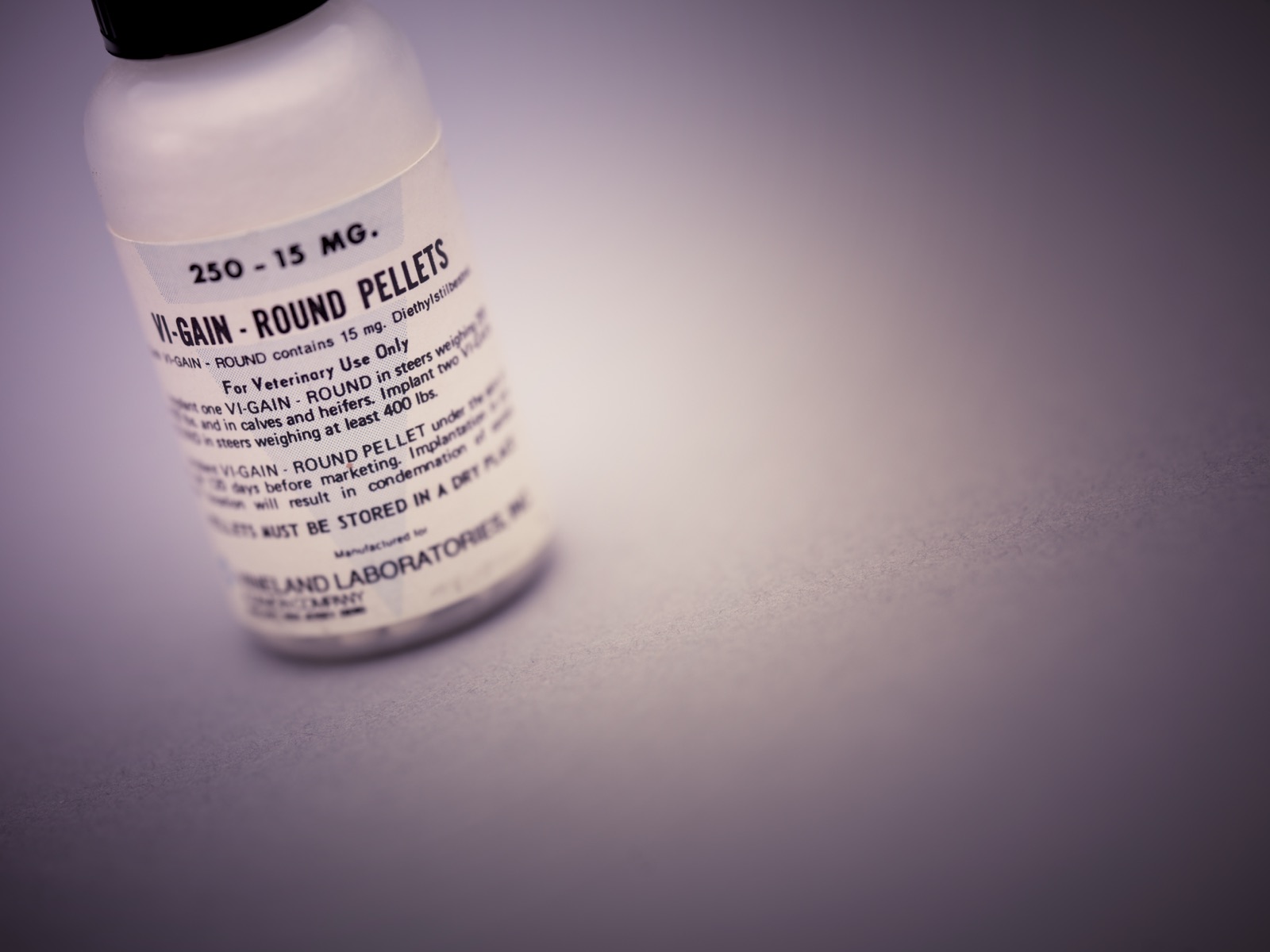
DES and the Cancer That Waited a Generation
Diethylstilbestrol — DES — was the kind of drug that seems, in hindsight, designed to teach a lesson about how medicine can fail. A cheap synthetic estrogen, first made in 1938 and never patented, it was prescribed from around 1940 onward to millions of pregnant women in the United States and elsewhere, marketed with the soothing promise that it would prevent miscarriage and make 'normal pregnancies more normal.' It did neither. As early as 1953, a careful controlled study showed that DES did nothing to prevent miscarriage — and yet doctors went on prescribing it to pregnant women for nearly two more decades. The true cost did not appear in the women who took it, or even in their pregnancies, but in the children those pregnancies produced. In 1971, doctors traced a sudden cluster of a rare vaginal cancer in young women — a cancer almost never seen in people that age — back to a single common factor: their mothers had taken DES while carrying them. It was the first time a drug had been shown to cause cancer not in the person who took it but in their child, years later, through the wall of the womb. The harm had waited a generation to appear. Behind it lay a tangle of failures — a drug sold without good evidence, kept on the market long after it was shown useless, and made by so many companies that, decades later, the women it injured often could not even prove whose pill their mothers had swallowed. This is the story of DES: what it was, why it was given, the delayed catastrophe it caused, and the lasting marks it left on medicine and the law.
Vioxx and the Painkiller That Broke Hearts
Vioxx was supposed to be a better painkiller. Approved in 1999 and marketed aggressively by the pharmaceutical giant Merck, it belonged to a new class of drugs — the COX-2 inhibitors — that promised the pain relief of traditional anti-inflammatories like ibuprofen and naproxen without their tendency to cause stomach ulcers and bleeding. It was a blockbuster almost instantly, prescribed to some eighty million people worldwide and earning Merck around two and a half billion dollars a year at its peak. But sitting inside the company's own clinical data was a signal it did not want to see: Vioxx increased the risk of heart attack and stroke. A large Merck study had pointed to it as early as 2000, and rather than confront the possibility that its blockbuster was dangerous, the company offered an alternative explanation, kept marketing the drug, and — according to documents later revealed in court — trained its sales force to dodge doctors' questions about heart safety. It was not until 2004, when a second trial produced cardiovascular results too clear to spin, that Merck withdrew Vioxx from the market. By then a scientist at the United States Food and Drug Administration had estimated that the drug may have caused tens of thousands of excess heart attacks and deaths. This is the story of Vioxx: a drug that worked as a painkiller and killed as a side effect, a company that saw the danger and looked past it, and a disaster that exposed how poorly the system guards against a medicine that turns out to be lethal after it is already in millions of bodies.

The Guatemala Syphilis Experiments and the Deliberate Infection of the Powerless
Between 1946 and 1948, doctors working for the United States Public Health Service travelled to Guatemala and did something that even the medical ethics of their own era forbade: they deliberately gave people syphilis. Not by accident, not as a side effect of withholding treatment, but on purpose — infecting more than a thousand Guatemalan prisoners, soldiers, psychiatric patients, and commercial sex workers with syphilis, gonorrhea, and chancroid, in order to study how the diseases spread and whether the new wonder drug penicillin could prevent them. The subjects were chosen precisely because they were powerless: confined to a prison, a barracks, or an asylum, in a poor country far from American oversight, where no one would ask whether they had agreed. Many were never told what was being done to them. Some were infected by having the bacteria applied directly to abraded skin or injected into their bodies; psychiatric patients who could not possibly understand were among them. At least eighty-three of the people caught up in the studies later died, though the link to the experiments was never fully untangled. The work produced little usable science, was never published, and was quietly buried — its records filed away in the papers of the doctor who ran it, the same man who would go on to help direct the infamous Tuskegee study. It stayed hidden for over sixty years, until a historian found those records in 2010. This is the story of what the United States did in Guatemala, why it was done where it was done, and how a government came to apologise for a crime that almost no one had known about.
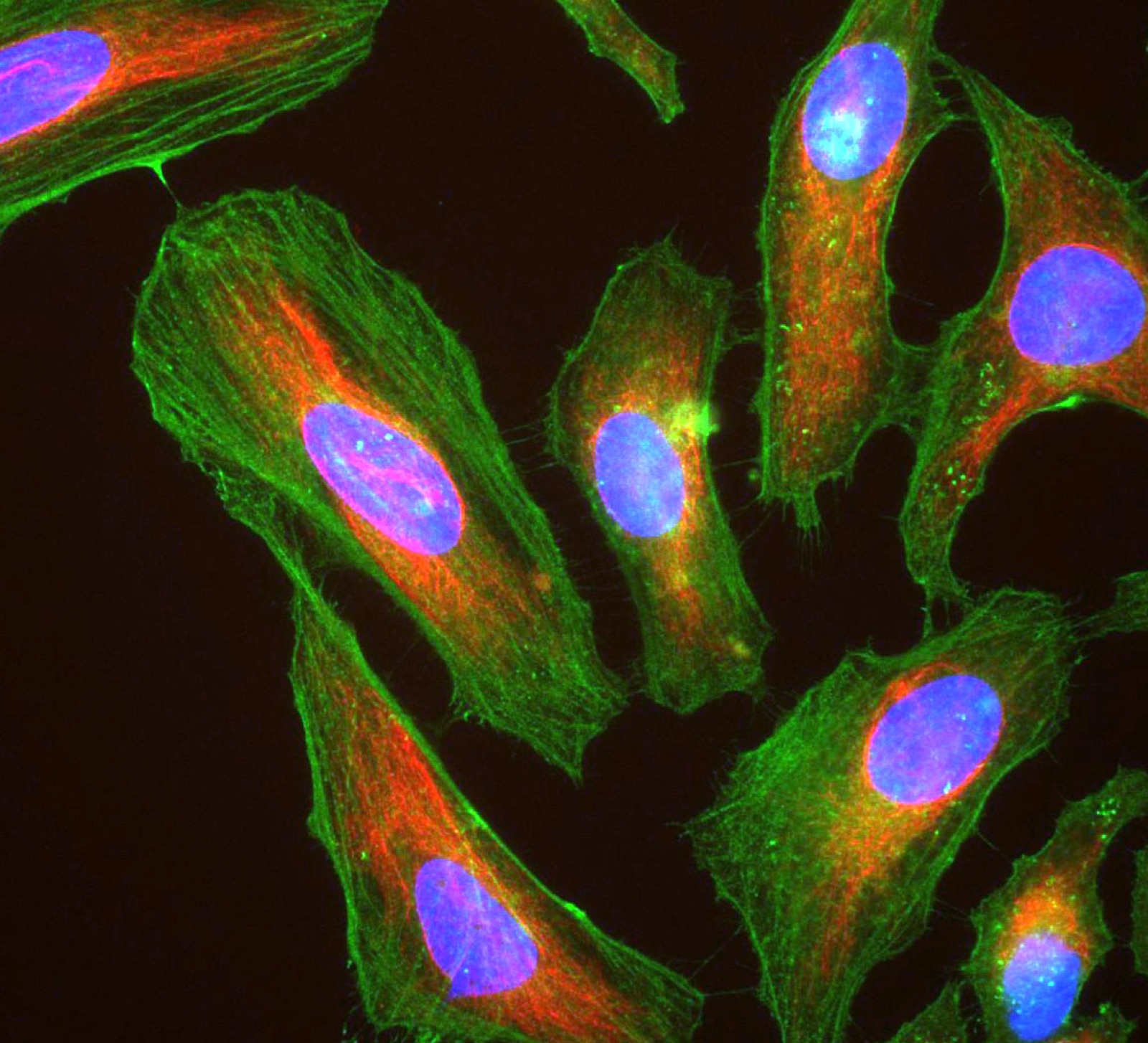
Henrietta Lacks and the Cells That Would Not Die
In the early months of 1951, a thirty-one-year-old Black woman named Henrietta Lacks went to the Johns Hopkins Hospital in Baltimore — one of the few hospitals in the segregated United States that would treat Black patients — with a cervical cancer that was killing her with frightening speed. During her treatment, a surgeon shaved two small samples from her cervix, one healthy and one cancerous, and sent them to a laboratory down the hall. No one asked Henrietta's permission, and no one told her; this was simply how things were done, especially to a poor Black patient in a charity ward. She died that October and was buried in an unmarked grave. But the cancer cells from that sample did something no human cells had ever reliably done before: they survived, and divided, and kept dividing, doubling every day, apparently without limit. They were the first immortal human cell line, and the scientist who grew them named them HeLa, after the first letters of her first and last names. Over the following decades those cells — descended from a woman almost no one knew anything about — would become one of the foundational tools of modern biology: used to develop the polio vaccine, to map the human genome, to test drugs and radiation and cosmetics, to study cancer and AIDS and the viruses that cause them, sent into space, and grown by the ton and sold around the world in a multi-billion-dollar industry. Henrietta's own family knew none of it for more than twenty years, received nothing, and in many cases could not afford the medicine her cells helped create. This is the story of the woman behind HeLa, of what was taken and what was built from it, and of a debt that the science of an era was structured never to pay.
Thalidomide and the Wonder Drug That Came for the Unborn
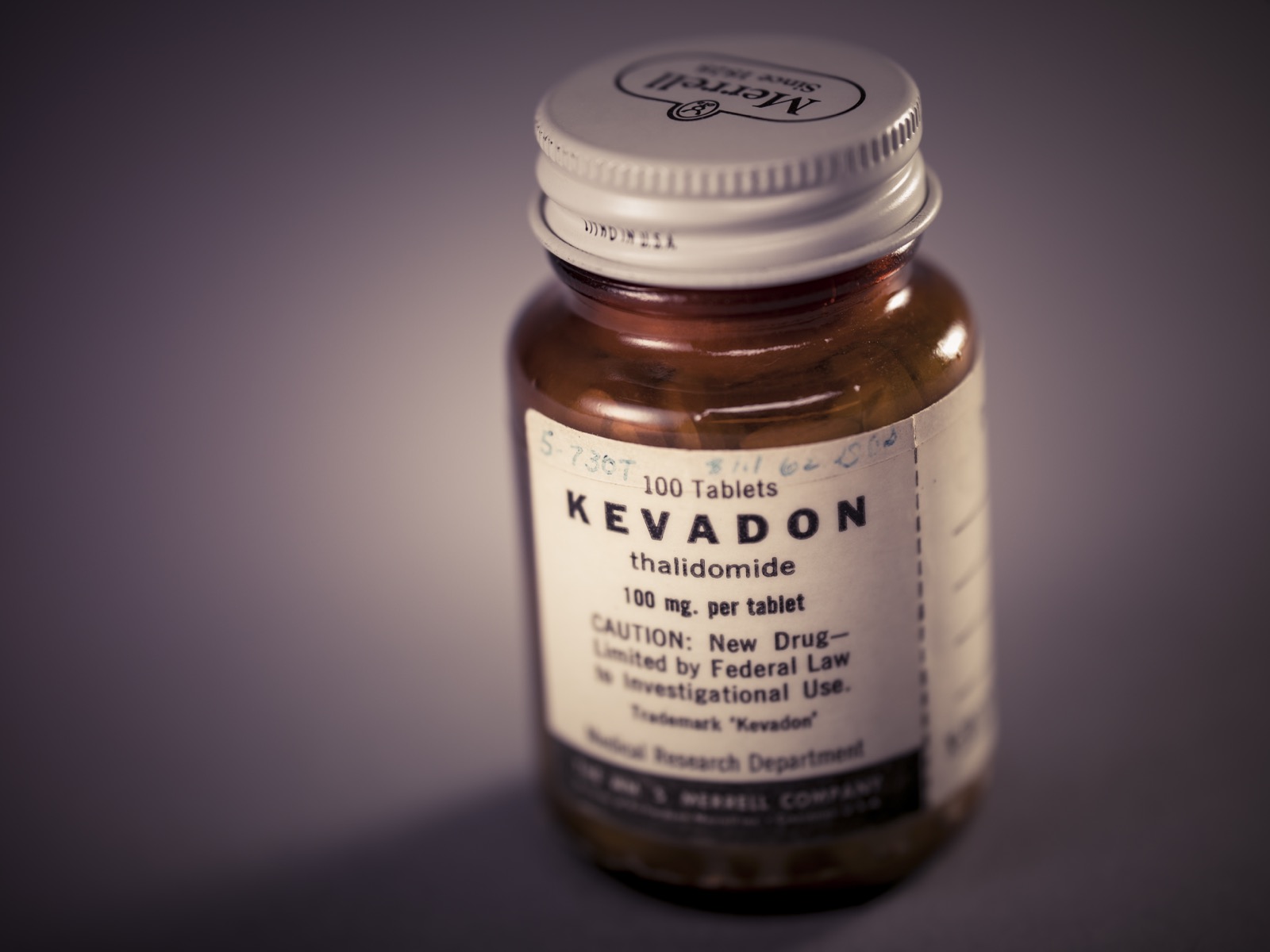
It was sold as the safest drug imaginable. Thalidomide — marketed as Contergan in West Germany, Distaval in Britain, Neurosedyn in Sweden, and Kevadon in North America — was a sedative and sleeping pill that the German company Grünenthal advertised as so harmless it was impossible to take a fatal overdose, suitable even for children, and, crucially, safe for pregnant women suffering morning sickness. None of it had been properly tested for what it did to a developing fetus, because in the late 1950s almost no one tested for that at all. Between 1957 and 1961 the drug was sold in dozens of countries, and as it spread, something terrible began to appear in maternity wards: babies born with limbs shortened or missing entirely — hands attached at the shoulder, the condition doctors called phocomelia — along with damage to ears, eyes, hearts, and internal organs. By the time the cause was identified and the drug pulled from shelves in late 1961, roughly ten thousand children worldwide had been born with thalidomide injuries, and thousands more had died before or shortly after birth. The United States was very nearly spared entirely, because of one woman: Frances Oldham Kelsey, a new reviewer at the Food and Drug Administration who, against sustained pressure from the manufacturer, simply refused to approve it. The thalidomide disaster destroyed the comfortable assumption that a drug on the market must be safe, broke the makers' long resistance to accountability, and forced governments to rebuild the entire system by which medicines are tested and approved. This is the story of how it happened, who stopped it, and what it changed.

The Vipeholm Experiments and the Toffee Made to Rot Teeth
At the Vipeholm hospital outside Lund, in southern Sweden, the patients could not leave and could not consent. They were adults with severe intellectual disabilities, classified in the language of the time as 'uneducable,' housed for life in a state institution that controlled every meal they ate. And in the years after the Second World War, that total control made them, in the eyes of Sweden's medical authorities, the perfect material for an experiment. The country had one of the worst rates of tooth decay in the world, and the National Board of Health wanted to understand, definitively, what caused it. So between 1945 and the mid-1950s, researchers used the people of Vipeholm to find out — feeding different groups different diets, and, in the most notorious phase, giving some of them large quantities of a specially formulated sticky toffee, eaten between meals, that was engineered to cling to the teeth and bathe them in sugar for as long as possible. The patients' mouths were the laboratory. Many of them developed severe, irreversible cavities. The studies that resulted were a genuine scientific landmark: they established, more clearly than any work before, that it is sugar — and above all sugar eaten frequently and in sticky form — that drives tooth decay. That finding reshaped dentistry and gave Sweden its enduring tradition of lördagsgodis, sweets saved for Saturdays. But it was bought with the teeth of people who were never asked, and could not have answered. This is the story of what was done at Vipeholm, what it taught the world, and the question it leaves about the price of knowledge.
COVID-19 Origins
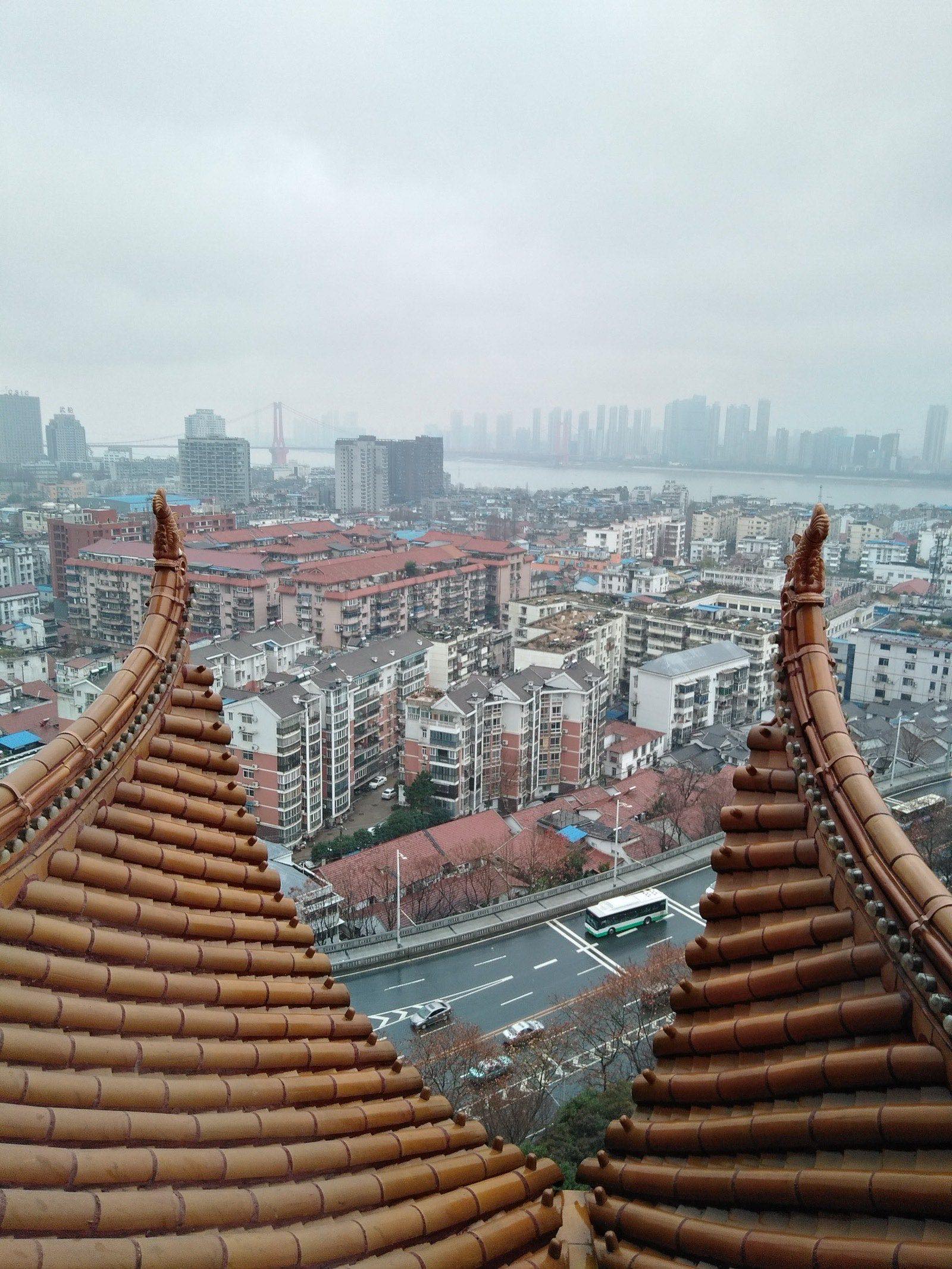
The first publicly documented cluster of pneumonia cases caused by what would later be named SARS-CoV-2 was identified in Wuhan, Hubei Province, China, in the second week of December 2019. By March 11, 2020, the World Health Organization had declared a pandemic. By mid-2024, the recorded global death toll was approximately 7 million; excess-mortality estimates ran two to three times higher. The origin of the virus has been the subject of two competing hypotheses since early 2020: a *natural zoonotic spillover* from a wildlife host (most likely a horseshoe bat via an intermediate species, possibly through the Huanan Seafood Wholesale Market in central Wuhan), and a *research-related incident* from one of the coronavirus research programs at the Wuhan Institute of Virology (WIV) located 14 kilometres south of the market. The WHO's 2021 joint study with Chinese authorities ruled the lab leak 'extremely unlikely.' Subsequent intelligence-community assessments by U.S. agencies have been internally divided. As of late 2025, the FBI and the U.S. Department of Energy lean toward a lab-origin hypothesis at low-to-moderate confidence; the CIA in January 2025 issued a low-confidence lab-origin assessment; other U.S. agencies have continued to favor natural zoonotic origin. Independent peer-reviewed analyses have likewise divided. The case file remains open. What follows is a description of what is documented, what is contested, and where the evidence currently stands.
The Tuskegee Syphilis Study
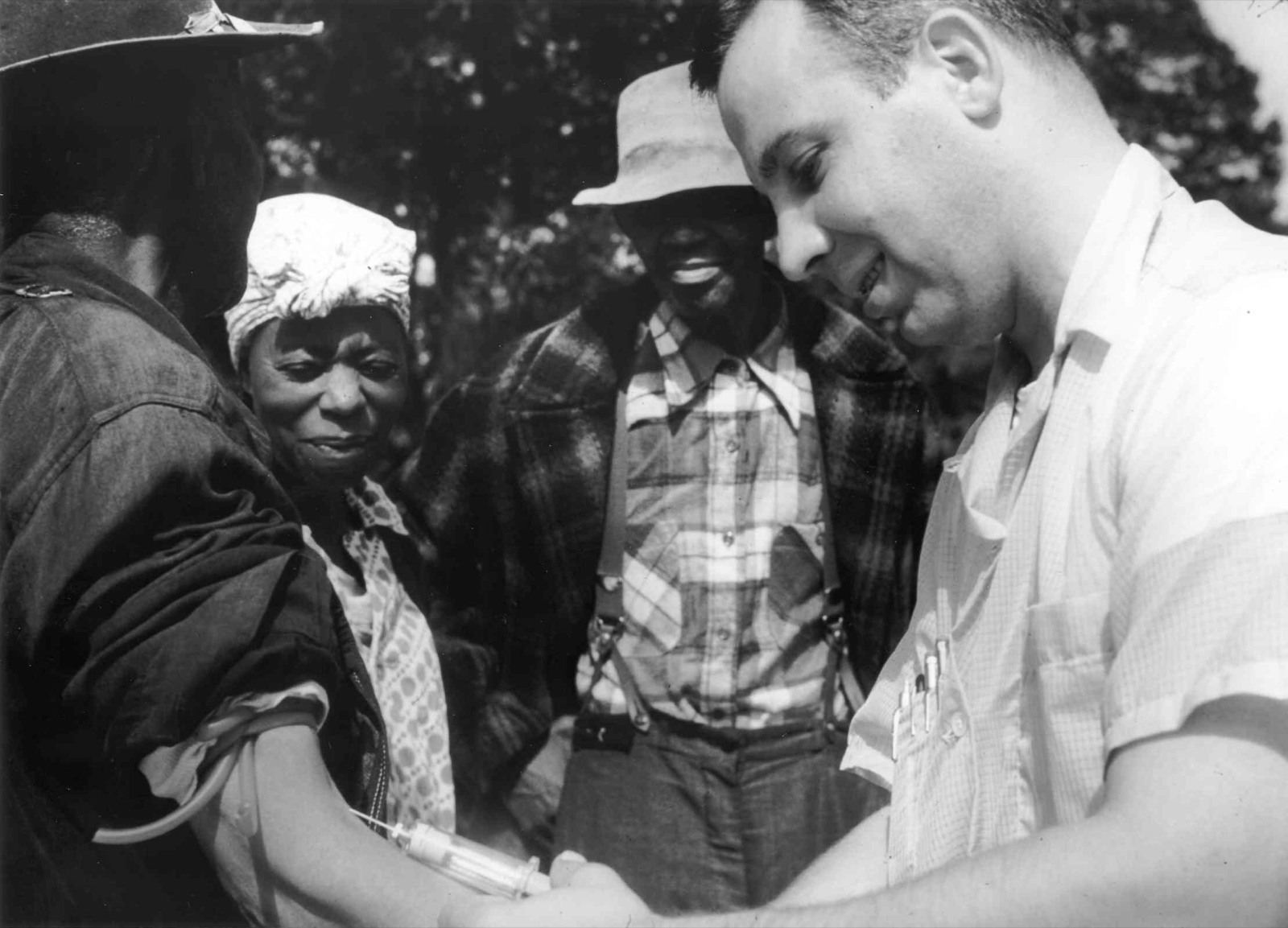
In 1932, the U.S. Public Health Service began a study of 399 Black men in Macon County, Alabama, who had syphilis. They were told they were being treated. They were not. For forty years — including the twenty-five years after penicillin became standard care — the Public Health Service watched the disease take its course. A whistleblower's documents reached the Associated Press on July 25, 1972, and the study ended a few months later. President Clinton apologized on behalf of the United States government in 1997.
9 files · end of the line