Category
Space & UFOlogy
From Roswell to the Pentagon UAP report — and back.
12 articles
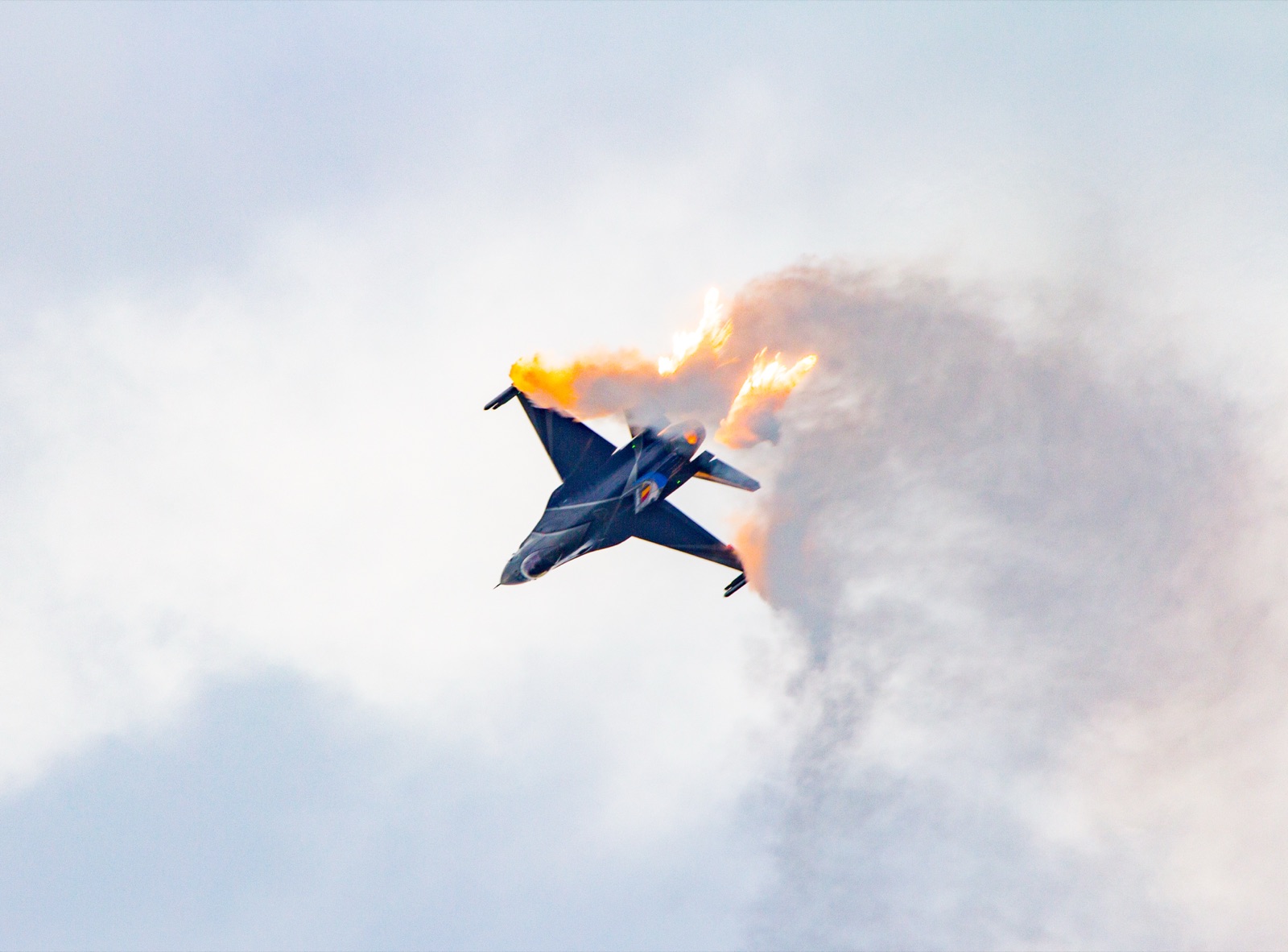
The Belgian UFO Wave: The Triangles Over Wallonia
It began on the evening of 29 November 1989 in the hills near Eupen, in the German-speaking east of Belgium, where two gendarmes on patrol reported a large, silent object hanging low in the sky — a dark triangle marked by three bright lights at its corners and a pulsing red beacon at its centre. Over the following months, the sightings multiplied into one of the largest and most concentrated waves in the history of the subject: thousands of reports, most describing the same slow-moving triangle, gathered across the Walloon countryside through the winter and spring of 1989–1990. What made the Belgian wave unlike almost any other was not the reports themselves but the response to them. The Belgian Air Force, instead of dismissing the affair, engaged with it openly, scrambled F-16 fighters on the night of 30–31 March 1990 to chase radar contacts, and afterwards conceded, in public, that it had no explanation for what its instruments had recorded. A single striking photograph of a black triangle became the icon of the whole episode. Two decades later, the man who took it confessed that he had made it with a piece of painted polystyrene. This is the story of the triangles over Wallonia — of a genuine mystery, a genuine hoax, and the difficulty of telling, at this distance, exactly where one ends and the other begins.
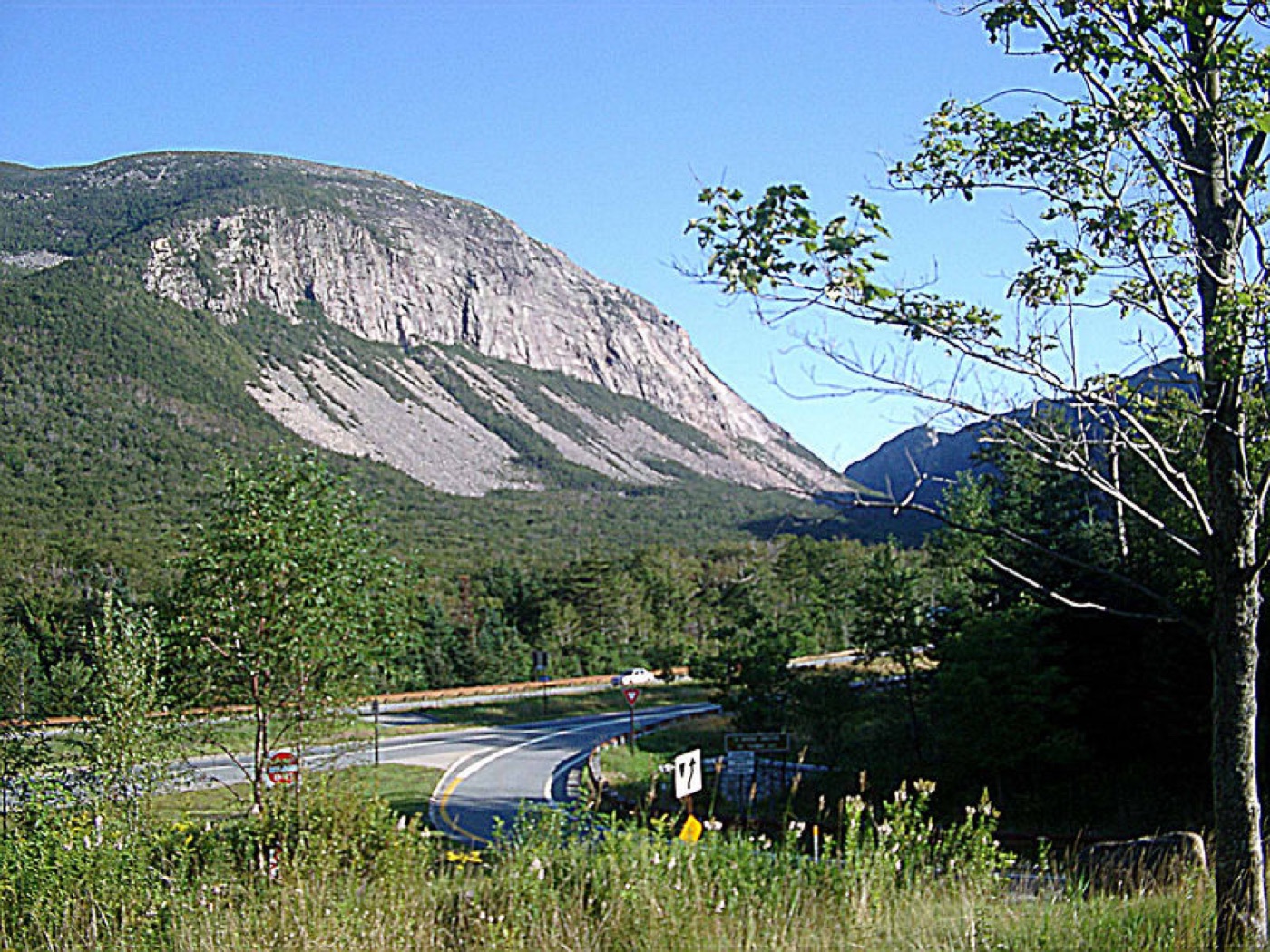
Betty and Barney Hill: The First Alien Abduction
On the night of 19 September 1961, Betty and Barney Hill were driving home to Portsmouth, New Hampshire, from a vacation, taking the winding roads through the White Mountains late at night, when they noticed a bright light in the sky that seemed to be following their car. As it drew closer, Barney stopped and looked at it through binoculars, and reported seeing a structured craft with figures visible inside; frightened, the couple drove on. When they reached home, they found that the journey had taken about two hours longer than it should have — two hours they could not account for. In the days that followed, Betty was troubled by vivid nightmares of being taken aboard a craft and examined by strange beings, and Barney developed acute anxiety. Two years later, seeking relief, the Hills underwent hypnosis with a psychiatrist, and under hypnosis both recounted, separately, a detailed story of abduction: of being taken aboard the object by small humanoid beings, subjected to a medical examination, and, in Betty's case, shown a 'star map' of the visitors' travels among the stars. Their account, made public and then widely published, became the first famous case of alien abduction — and it established the entire template that countless later abduction stories would follow: the light on a lonely road, the missing time, the medical examination, the grey humanoid beings, and the memories recovered under hypnosis. The Hills were, by all accounts, sincere. What their sincere experience actually was — a genuine encounter, or something the mind constructs — is the real question. This is the story of Betty and Barney Hill.
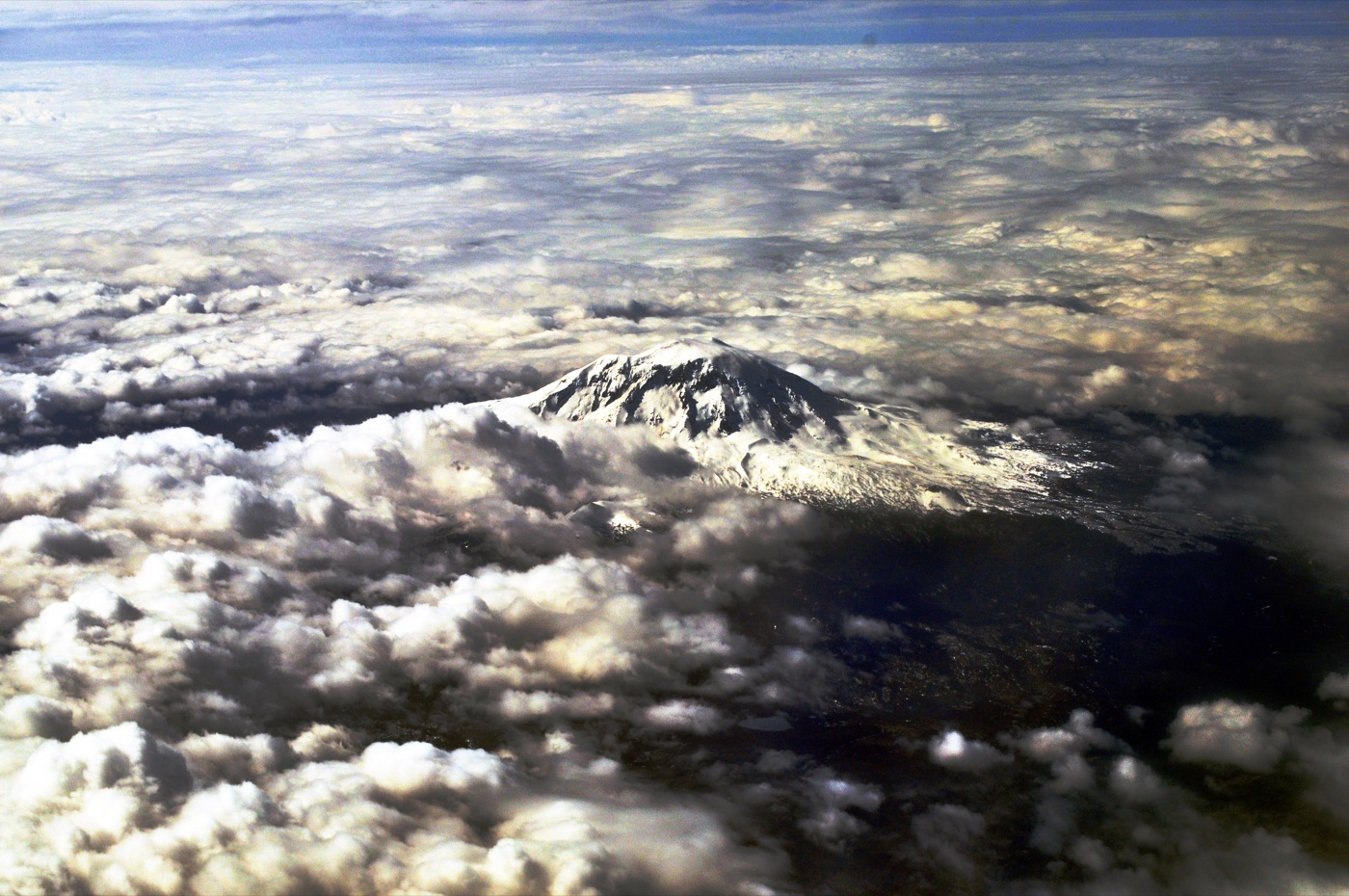
Kenneth Arnold: The Sighting That Invented the Flying Saucer
On the afternoon of 24 June 1947, a businessman and private pilot named Kenneth Arnold was flying his small aircraft near Mount Rainier, in the Cascade Range of Washington state, when he saw something that would change the world's imagination. Nine bright objects were streaking through the sky, flying in a chain formation at tremendous speed, weaving between the mountain peaks — moving, by his estimate, far faster than any aircraft of the era could manage. When he landed and described what he had seen to reporters, he reached for an analogy for the way the objects moved: they flew, he said, erratically, dipping and skimming, 'like a saucer would if you skipped it across water.' A reporter distilled this into a memorable phrase, and within days the newspapers of America were full of the term 'flying saucers.' It was, in a sense, a misunderstanding: Arnold had been describing the motion of the objects, not their shape, and the objects themselves he described as more crescent- or heel-shaped than round. But the phrase 'flying saucer' had entered the language, and with it came the idea of the round, disc-shaped craft that would become the iconic image of the UFO for generations. Within weeks, reports of 'flying saucers' were pouring in from across the country, and the crash near Roswell followed in early July. The modern age of UFOs had begun. This is the story of Kenneth Arnold's sighting — of what he saw, of how a phrase was born from a description of motion, and of how a single ambiguous encounter launched a global phenomenon.

The Phoenix Lights: The Mass Sighting Over Arizona
On the evening of 13 March 1997, thousands of people across the American state of Arizona looked up and saw something they could not explain. Reports poured in from a corridor hundreds of kilometers long, from near the Nevada border down through the city of Phoenix and on toward Tucson, and they described, in fact, two distinct phenomena. The first, earlier in the evening, was a huge V-shaped or triangular formation of lights that moved slowly and silently southward across the sky; many witnesses insisted it was not a group of separate lights at all but a single, enormous solid craft, so large it blotted out the stars as it passed overhead. The second, later that night, was a row of brilliant lights that appeared to hover over the Phoenix area and then winked out one by one. Together these became known as the Phoenix Lights, one of the largest mass UFO sightings in modern history. In the years since, the two events have followed very different paths. The later lights over Phoenix have a firm and well-supported explanation. The earlier V-formation does not, and remains genuinely debated to this day. And the story gained a strange twist when the state's governor, Fife Symington, who had at first responded to the sightings with a mocking joke, publicly reversed himself a decade later and admitted that he, too, had seen the craft that night — and believed it was something not of this world. This is the story of the Phoenix Lights, of what can be explained and what cannot, and of a governor's change of heart.
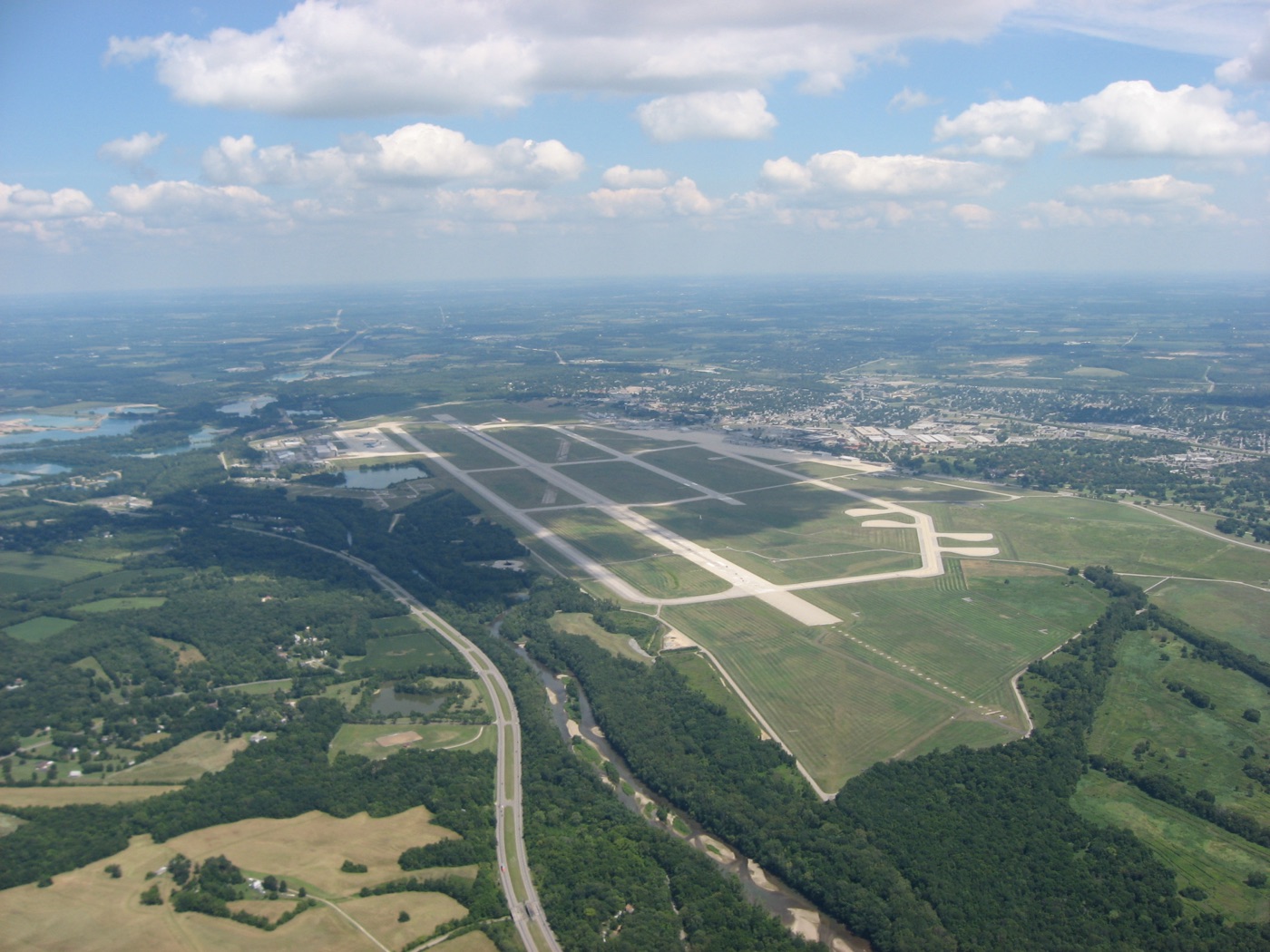
Project Blue Book: The Air Force's Long Study of UFOs
In the years after 1947, when the sighting by Kenneth Arnold and the events at Roswell launched the modern UFO era, the United States Air Force found itself confronting a steady stream of reports of unidentified objects in the sky — some from credible witnesses, some tracked on radar, all demanding some kind of official response in the anxious atmosphere of the early Cold War. The Air Force's answer was a series of official investigations, culminating in the longest and most famous of them: Project Blue Book, which ran from 1952 until 1969 and became the definitive government study of UFOs of its era. Over those seventeen years, Blue Book collected and examined more than twelve thousand reported sightings, seeking to determine what people were seeing and whether any of it threatened national security or represented technology beyond human capability. Its investigators concluded that the overwhelming majority of sightings had ordinary explanations — misidentified aircraft, weather balloons, stars and planets, atmospheric effects, and hoaxes — and that none of the cases provided evidence of extraterrestrial vehicles. Yet Blue Book also left behind a residue of several hundred cases that it could not explain, and it became the focus of a lasting controversy: was it a serious scientific effort that reached an honest, if unexciting, conclusion, or was it, as critics including its own scientific consultant came to argue, more a public-relations exercise designed to explain sightings away and reassure the public than to study them seriously? This is the story of Project Blue Book, of what it found and what it did not, and of the argument over how a government should investigate the unknown.
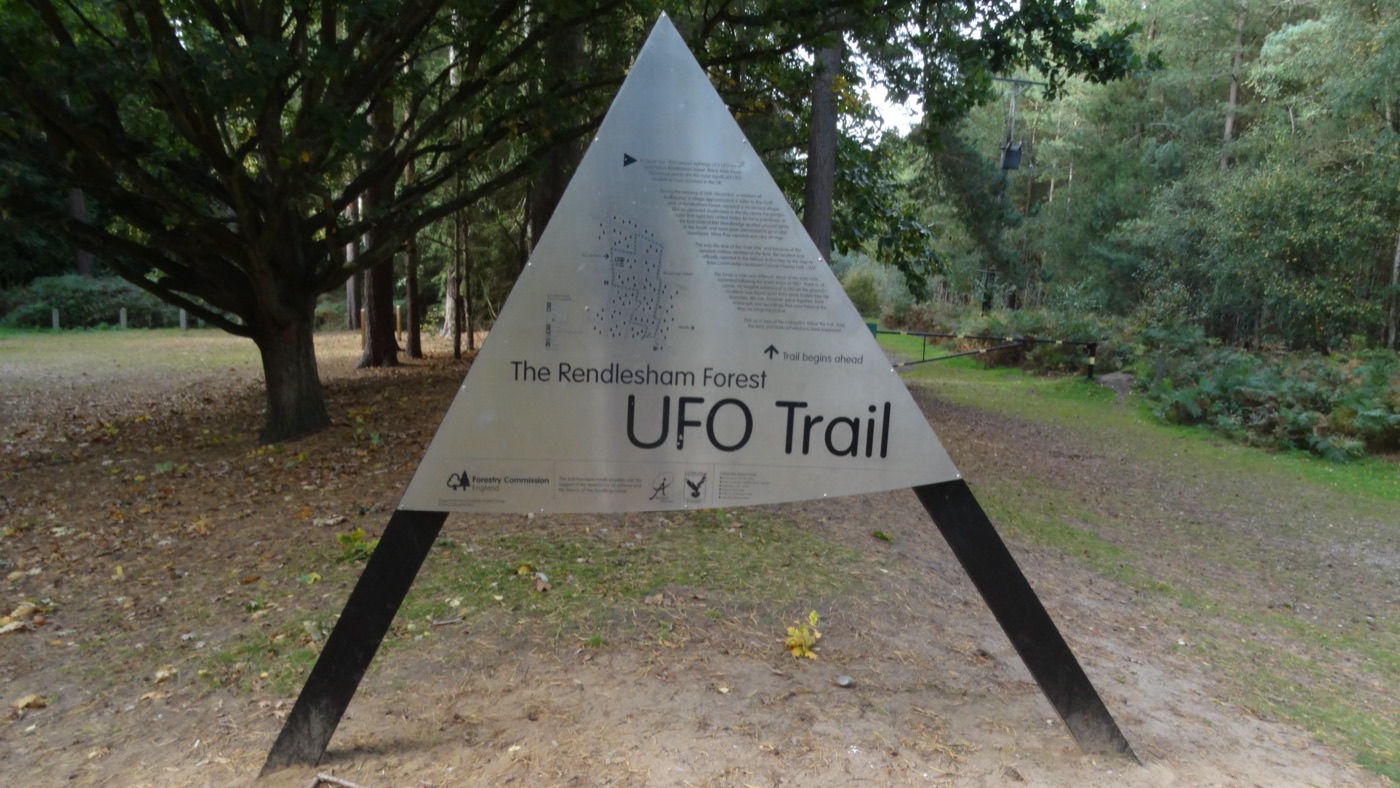
The Rendlesham Forest Incident: Britain's Most Famous UFO Case
In the last week of December 1980, in Rendlesham Forest on the coast of Suffolk in eastern England, something happened that has been argued over ever since. The forest lay between two adjacent airbases, RAF Woodbridge and RAF Bentwaters, then used by the United States Air Force at the height of the Cold War, and it was American servicemen stationed there who became the witnesses to what is now often called 'Britain's Roswell.' In the small hours of 26 December, security personnel at the base saw strange lights descending into the forest, and, thinking an aircraft might have crashed, went in to investigate. What they reported finding — a metallic, structured craft with lights and strange markings, hovering or resting among the trees — became one of the most famous UFO accounts in the world. Two nights later the base's deputy commander, Lieutenant Colonel Charles Halt, led his own investigation into the forest and recorded it on tape as it unfolded, describing pulsing lights and objects in the sky. His subsequent official memorandum, released years later under freedom-of-information laws, gave the case a documentary weight that few UFO stories possess. And yet the incident has a strong and well-argued mundane explanation, centered on a nearby lighthouse, a bright meteor, and misperceived stars — an explanation the witnesses have always rejected. This is the story of what happened in Rendlesham Forest, and of why, more than four decades later, it remains unresolved.
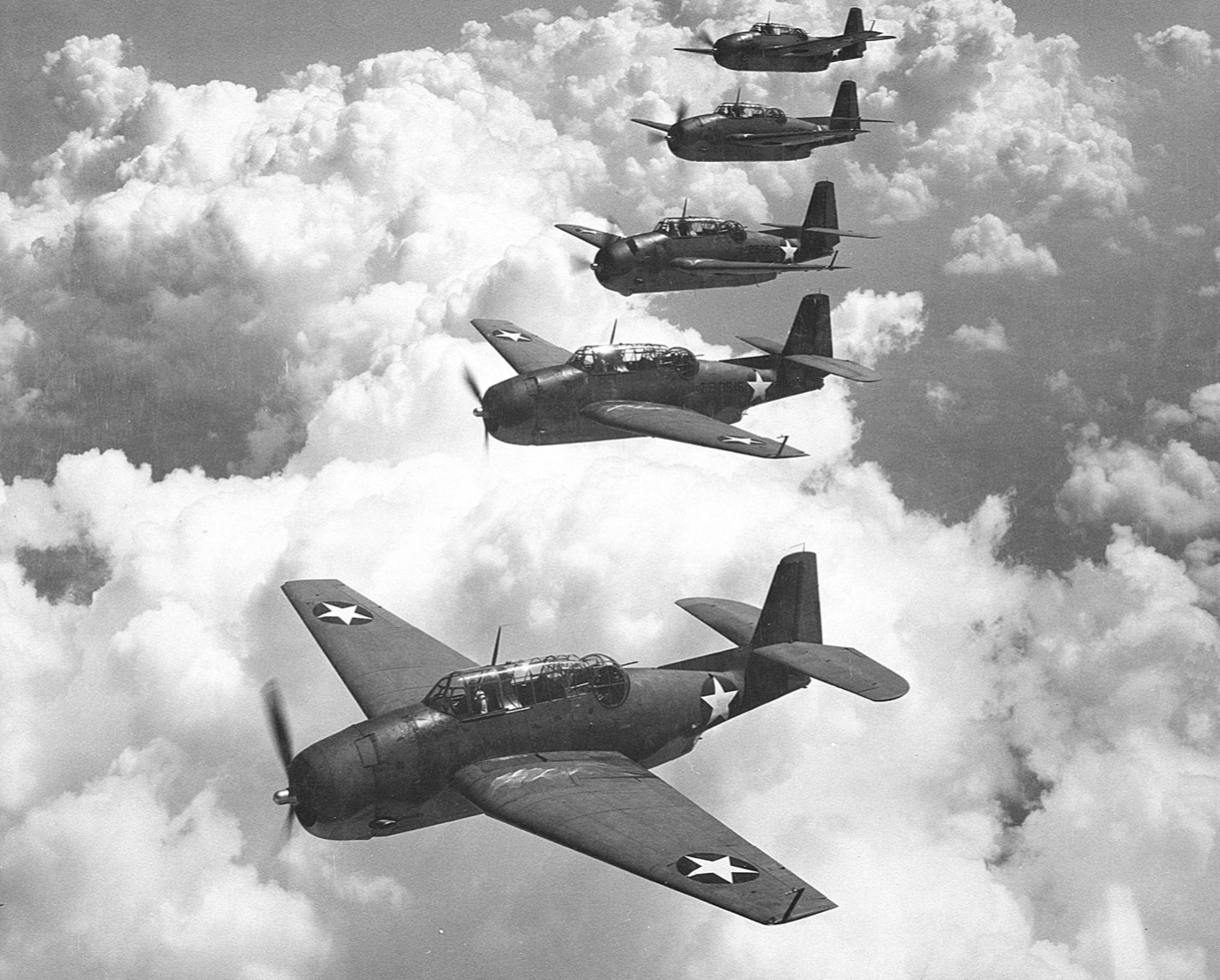
Flight 19: The Lost Squadron and the Birth of the Bermuda Triangle
On the afternoon of 5 December 1945, five United States Navy torpedo bombers took off from the Naval Air Station at Fort Lauderdale, Florida, on a routine training exercise over the Atlantic. The mission, designated Flight 19, was a navigation problem: fly east to a practice bombing range, then on a triangular course out over the ocean and back to base. Fourteen airmen were aboard the five planes, led by an experienced combat pilot named Lieutenant Charles Taylor. The flight never returned. As the afternoon wore into evening, radio operators on shore picked up Taylor's increasingly troubled transmissions: he believed his compasses had failed, he was unsure where he was, he thought he was somewhere he was not, and he led the flight one way and then another in a worsening confusion as the weather deteriorated and darkness fell. The last messages suggested the planes were running low on fuel far out over a rough sea. Then there was silence. A large flying boat dispatched to search for them disappeared as well, apparently exploding in the air, taking its crew of thirteen with it. Twenty-seven men were lost that night, and despite an enormous search, no wreckage of the five bombers was ever definitively found. The Navy concluded the flight had been lost to navigational error and the unforgiving ocean. But the strange, sad disappearance of Flight 19 would become the founding legend of the Bermuda Triangle, transformed over the following decades into a tale of supernatural mystery that the facts never supported. This is the story of the lost squadron, and of how a tragedy became a myth.
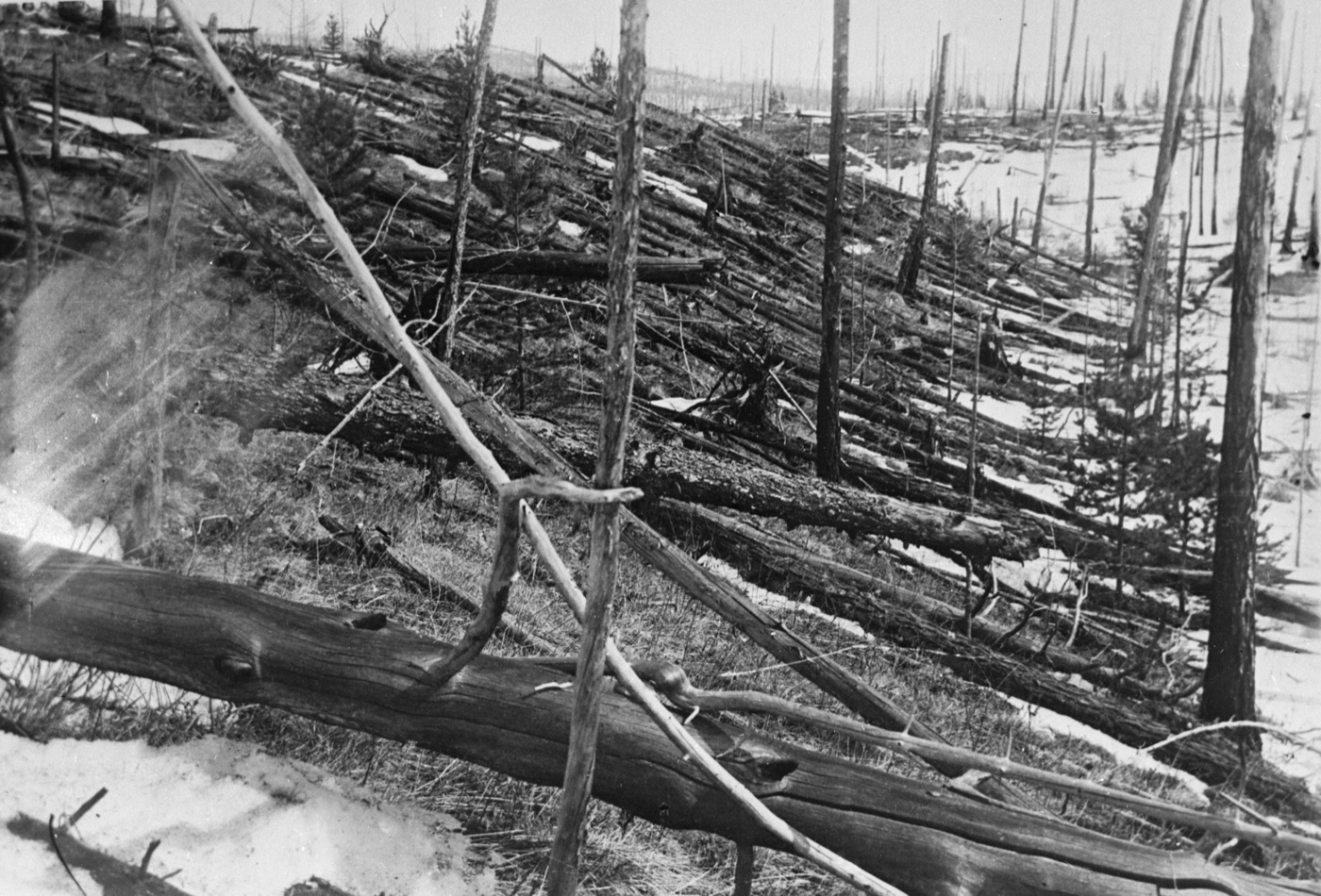
Tunguska: The Cosmic Explosion That Flattened a Forest
On the morning of 30 June 1908, the sky over a remote stretch of Siberia split open. Witnesses scattered across hundreds of kilometers saw a brilliant column of fire brighter than the sun streak across the heavens, followed by a flash, a series of deafening explosions like artillery, and a scorching wind. At a trading post some sixty-five kilometers from the center, a man was thrown from his chair and felt a heat so intense he thought his shirt was on fire; windows shattered and the ground shook. The blast, centered over the basin of the Podkamennaya Tunguska River, released energy estimated at the equivalent of ten to fifteen megatons of TNT — hundreds of times the power of the bomb that would later destroy Hiroshima — and it flattened some two thousand square kilometers of forest, knocking down an estimated eighty million trees in a vast radial pattern pointing away from the blast. For days afterward, the night skies of Europe and Asia glowed so brightly that people could read by them. And yet, when scientists finally reached the devastated zone — not until nearly twenty years later, after war and revolution had convulsed Russia — they found something that deepened rather than solved the puzzle: a colossal field of flattened trees, but no impact crater, and no great meteorite. The Tunguska event was the largest cosmic impact in recorded history, and the strange circumstances of its discovery left a gap that filled, over the decades, with theories ranging from the sober to the fantastical. This is the story of the explosion that leveled a Siberian forest, and of the answer that took the longest time to confirm.
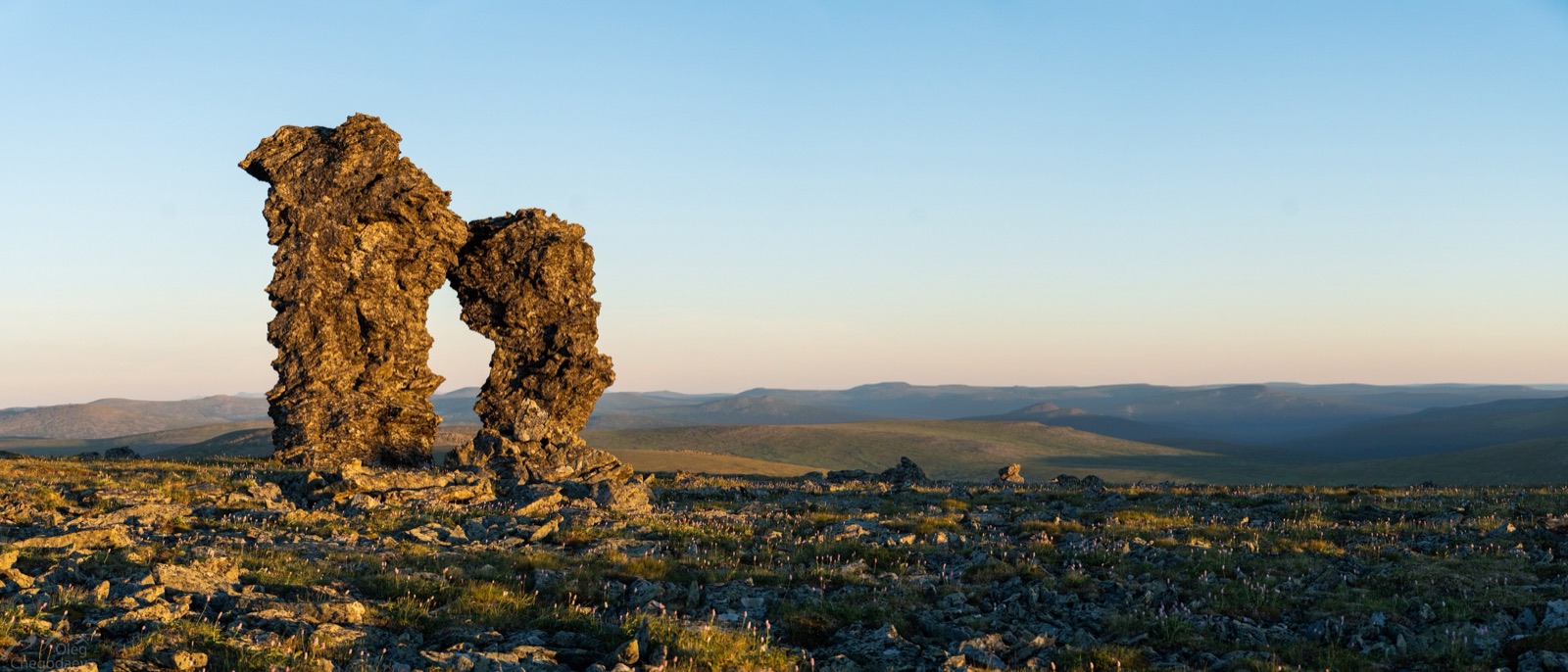
Dyatlov Pass
On the afternoon of February 1, 1959, a group of nine experienced Soviet ski-tourists — eight men and one woman, all between 20 and 38 years old, all members or alumni of the Ural Polytechnical Institute in Sverdlovsk (now Yekaterinburg) — pitched a four-pole canvas tent on the eastern slope of an undistinguished 1,079-meter mountain in the northern Urals named, in the Mansi language, Kholat Syakhl — 'Dead Mountain.' The group was led by 23-year-old Igor Dyatlov, a fifth-year radio-engineering student. The party had skied approximately 280 kilometers from the closest railway terminus over the prior nine days. Their planned summit, the following day, was the higher Otorten peak ten kilometers north. None of them reached it. When a search party located the abandoned tent on February 26, it had been cut open from the inside. Most of the group's clothing and equipment was still inside. The first three bodies — including Dyatlov — were found later that day, scattered along the slope below the tent, dressed only in underwear or light layers, none in proper outer clothing, none in their boots. Two further bodies were found nearer the tent over the following weeks. The final four bodies — including the only female member, Lyudmila Dubinina — were not located until May 4, 1959, in a snow-covered ravine approximately 1.5 kilometers downslope. Three of those four had massive internal trauma — equivalent in the words of the autopsy report to high-speed automobile-collision injuries — without corresponding external wounds. Two had missing soft tissue: Dubinina lacked her tongue and eyes. Some of the recovered clothing tested positive for elevated beta-particle radiation. The Soviet criminal investigation concluded in May 1959 that the deaths were caused by 'a compelling natural force which the hikers were unable to overcome.' The Russian Procurator-General's Office reopened the case in 2019 and concluded in July 2020 that the cause was a slab avalanche followed by hypothermia and disorientation. A 2021 computational study published in *Communications Earth & Environment* by Alpine snow scientists at EPFL Lausanne provided a quantitative mechanical model supporting the slab-avalanche conclusion. The case is closed in Russia. It is, in international public discussion, the most-debated cold-weather forensic mystery of the 20th century.
The Pentagon UAP Report
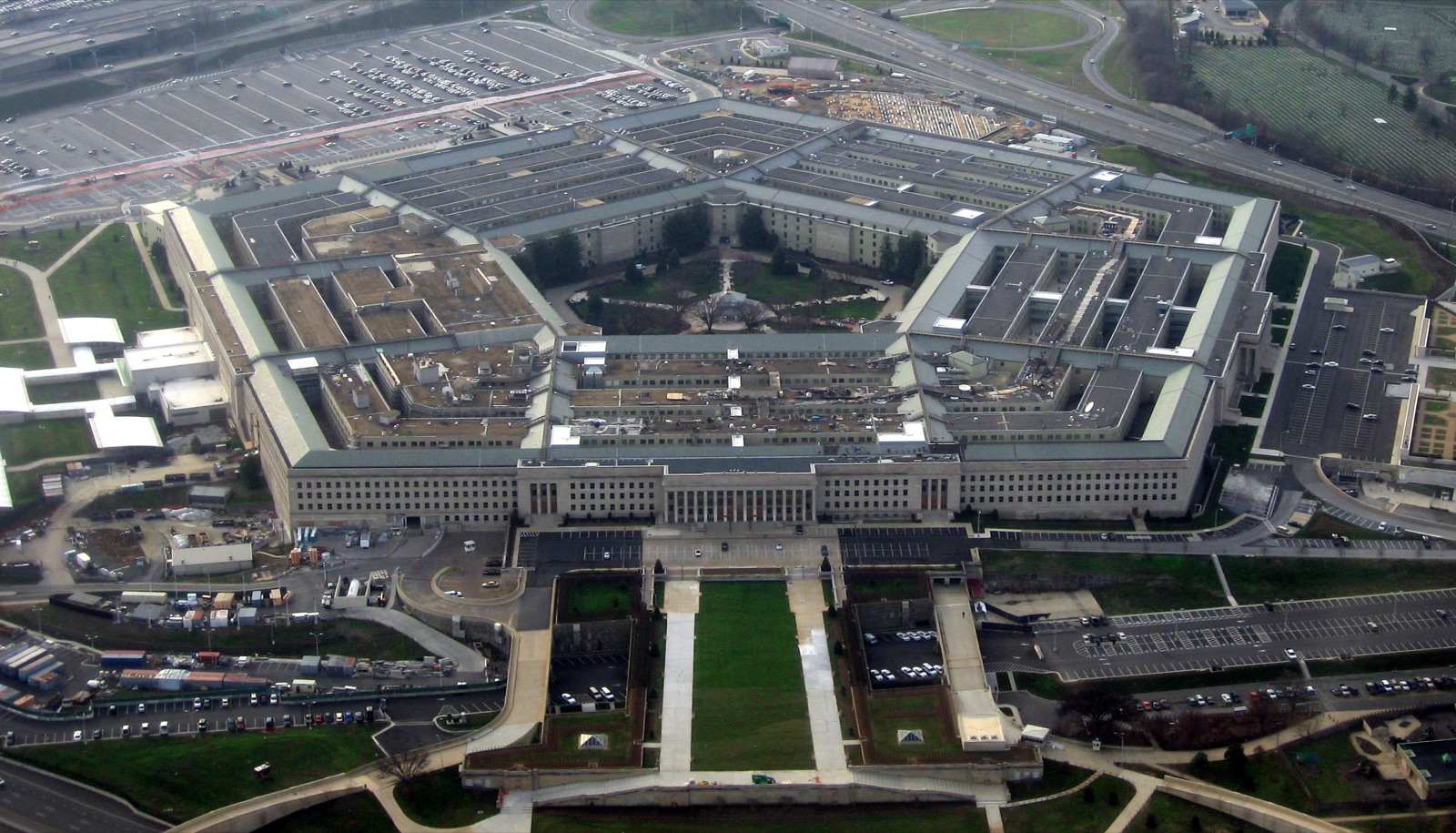
On December 16, 2017, *The New York Times* published a front-page article disclosing that a small, classified program inside the Pentagon — formally the Advanced Aerospace Threat Identification Program, informally AATIP — had been studying military encounters with Unidentified Aerial Phenomena since 2007. The article was accompanied by previously-classified U.S. Navy gun-camera footage of an oval-shaped object filmed off the coast of San Diego by an F/A-18F Super Hornet of the USS Nimitz Carrier Strike Group in November 2004 — the so-called 'Tic-Tac' footage. Over the following seven years, the U.S. Department of Defense has progressively renamed its UAP investigation office (AATIP → UAPTF → AOIMSG → AARO), held three Congressional hearings on UAP, issued one Office of the Director of National Intelligence preliminary report (June 2021), one All-domain Anomaly Resolution Office Historical Record Report Volume I (March 2024), and received Senator Chuck Schumer's UAP Disclosure Act amendment to the 2024 National Defense Authorization Act in substantially diluted form. In July 2023 a former Air Force intelligence officer, David Grusch, testified under oath to the House Oversight Subcommittee on National Security that the U.S. government holds 'non-human biologics' recovered from crashed craft — testimony the Pentagon has denied. The substantive evidentiary picture has not changed since 2017. What has changed is what governments are willing to say in public about it. The case file is open.
The Moon Landing Hoax Theory
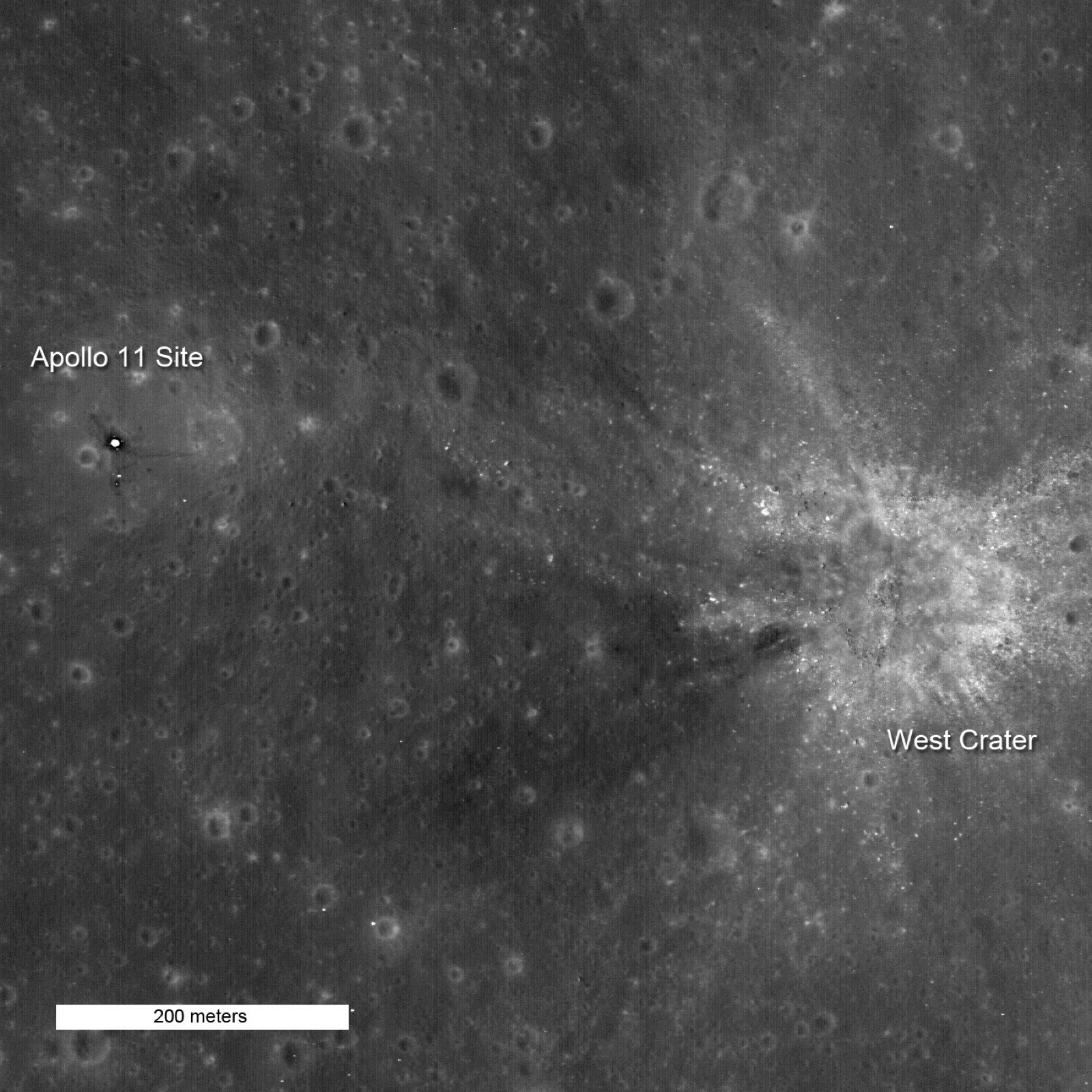
Between July 1969 and December 1972, twelve Americans walked on the Moon across six successful Apollo lunar missions. The astronauts brought back 382 kilograms of lunar rock, planted six retroreflector arrays still in active use today, and left behind hardware that the NASA Lunar Reconnaissance Orbiter has photographed from lunar orbit since 2009. The Soviet Union — which had every conceivable reason to expose a fraud — tracked the missions in real time on its own deep-space network at Yevpatoria, congratulated the United States publicly, and never disputed that the landings occurred. The hoax theory, which originated in a 1976 self-published book by a former Rocketdyne technical writer named Bill Kaysing, claims that all six landings were staged in a film studio. The theory has been polled at 6-20% of American adults in various surveys since the early 2000s. This article describes the theory, addresses each of its central evidentiary claims, and explains why the scientific and historical communities consider the case for the landings overwhelming.
Roswell 1947 & Area 51
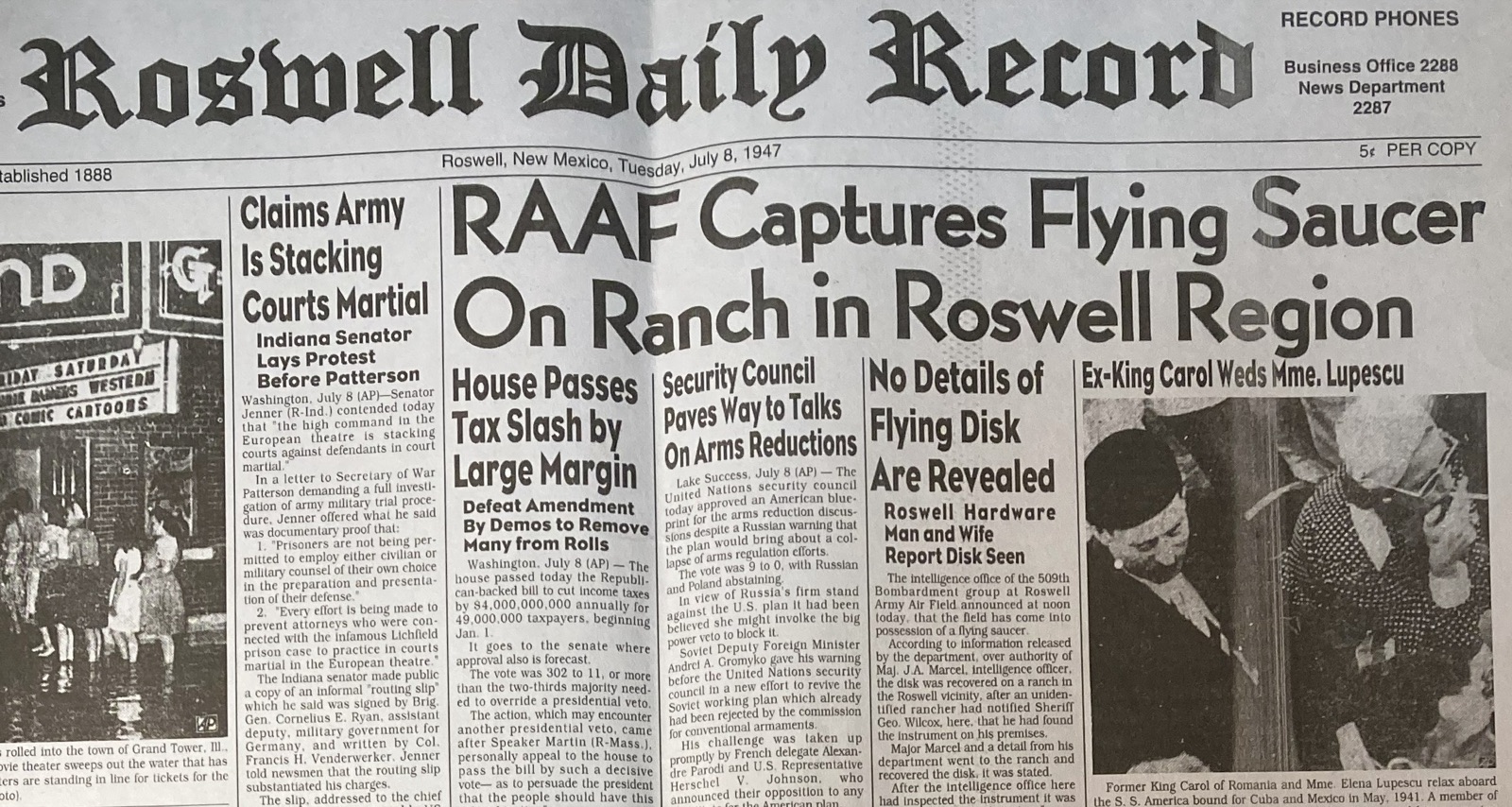
On July 8, 1947, the public information office of the Roswell Army Air Field issued a press release stating that the 509th Bomb Group had recovered the remains of a 'flying disc' from a ranch in Lincoln County, New Mexico. The release was carried on the front page of the *Roswell Daily Record* that afternoon under the headline 'RAAF Captures Flying Saucer On Ranch in Roswell Region.' Four hours later, General Roger Ramey at Fort Worth held a counter-press conference identifying the debris as a weather balloon. The story disappeared from the national press within a day. It stayed disappeared for thirty-one years. In 1978, the UFO researcher Stanton Friedman tracked down a retired Army officer named Jesse Marcel — the intelligence officer who had originally examined the ranch debris in 1947 — and recorded an interview in which Marcel said the material had not been a weather balloon. From that single interview emerged what is now the most-told American conspiracy story of the postwar period. In 1994 and 1997, after a Congressional inquiry, the U.S. Air Force published two reports identifying the 1947 debris as part of the classified Project Mogul — high-altitude acoustic balloons designed to detect Soviet atomic tests — and the supposed alien bodies of later witness accounts as anthropomorphic test dummies used in high-altitude parachute experiments between 1953 and 1959. Separately, in August 2013, the CIA's declassification of the U-2 spy plane history formally acknowledged the existence of Area 51 — the remote Nevada testing facility at Groom Lake — by name, for the first time.
12 files · end of the line