AltMystery · altmystery.com
Mysteries with footnotes.
Documented mysteries. Tracked sources. No mythology without a citation.
Long-form journalism on mysteries, conspiracies and alternative narratives — confirmed and unconfirmed alike. Every article carries an explicit truth label.
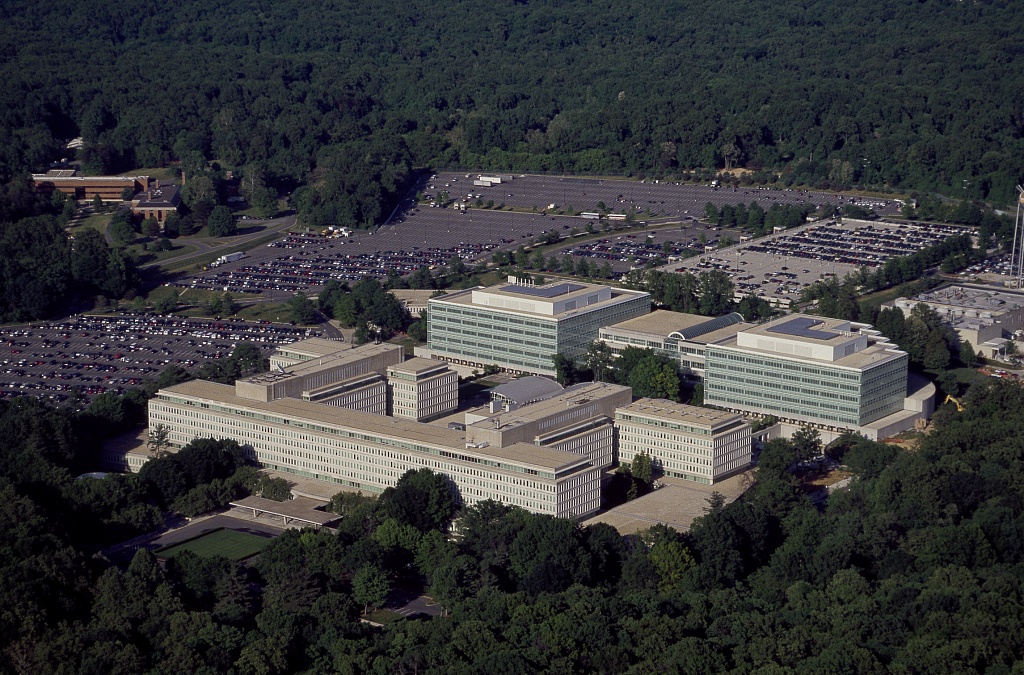
MK-Ultra
The CIA's twenty-year experiment with the mind
Between 1953 and 1973, the Central Intelligence Agency ran one of the most ambitious — and least restrained — human-experimentation programs in American history. The goal was mind control. The subjects rarely knew they were subjects. By the time the public found out, most of the records had been burned.
1953-1973 · 22 min
Read the story →Recent
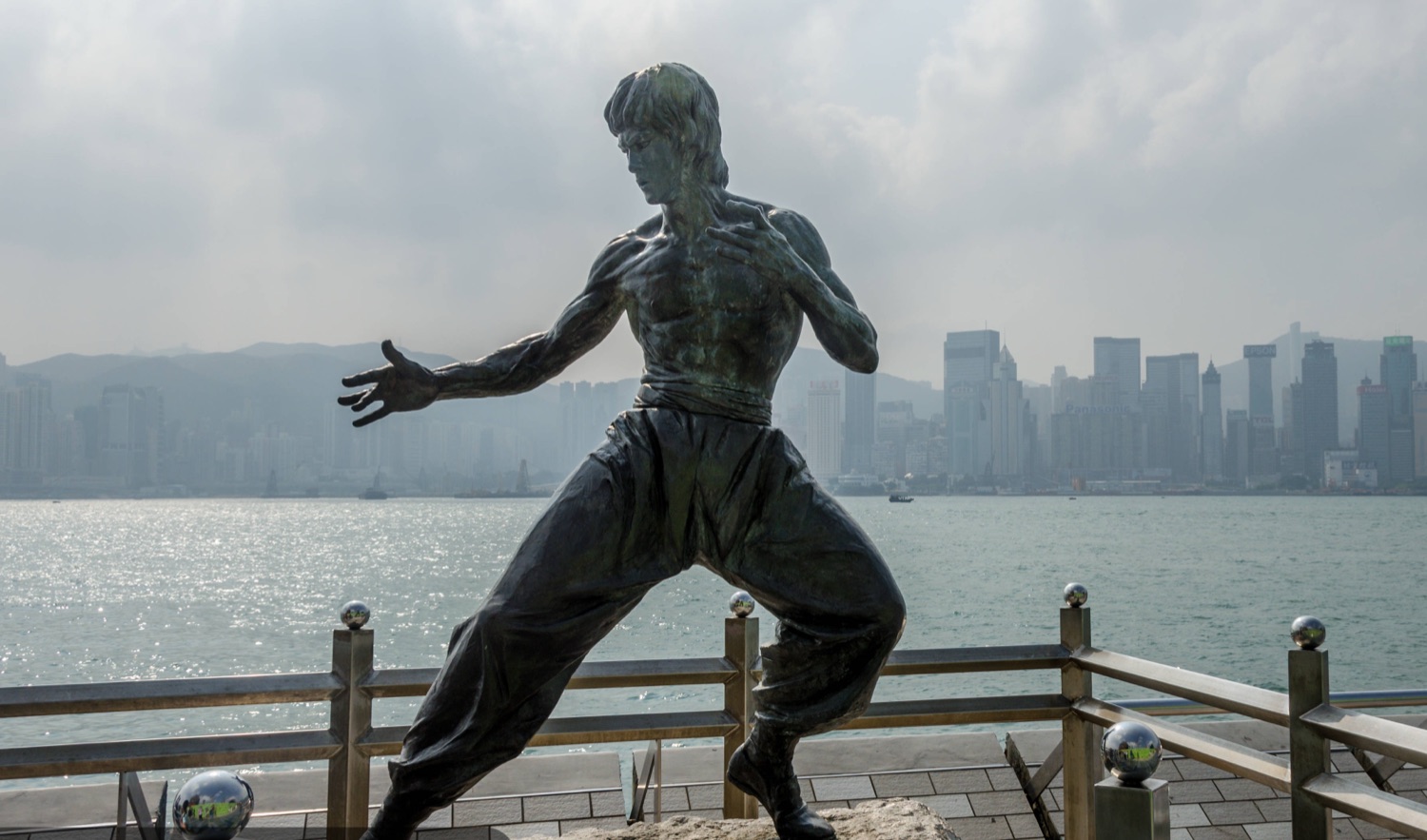
The Death of Bruce Lee: The Dragon's Sudden End
On the evening of 20 July 1973, Bruce Lee — the martial artist, actor, and philosopher who had done more than anyone to bring kung fu to the world, and who stood on the very threshold of global superstardom — lay down in a Hong Kong apartment with a headache and never woke up. He was thirty-two years old, extraordinarily fit, and weeks away from the release of Enter the Dragon, the film that would make him an immortal icon. His sudden death at the height of his powers stunned the world and seemed, to many, impossible: how could a man who embodied physical perfection simply die of a headache? A coroner's inquest concluded that he had died of a swelling of the brain — cerebral oedema — most likely triggered by a reaction to a common painkiller, and returned a verdict of 'death by misadventure.' But that clinical answer has never satisfied everyone, and in the vacuum of certainty a thicket of theories has grown: that he was murdered by rival martial artists or organised crime, that he fell to an ancient family curse later 'confirmed' by the freak death of his son, that some exotic 'death touch' had felled him. The medical reality is at once more mundane and more genuinely uncertain than any of these. This is the story of the death of Bruce Lee — of what the evidence shows, what remains unknown, and why the legends persist.
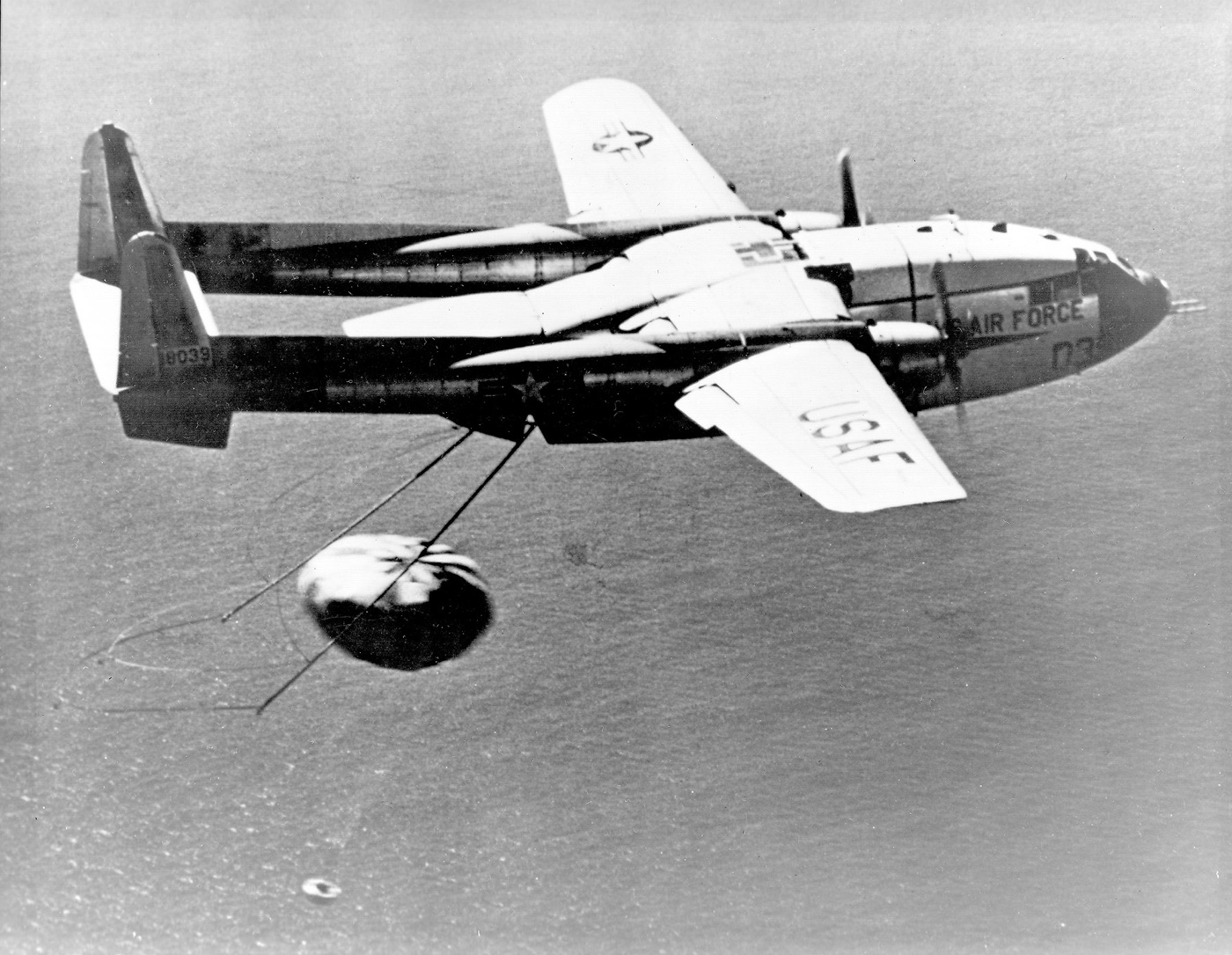
Corona: The Secret Spy Satellites That Watched the Cold War
In August 1960, months after a Soviet missile brought down an American U-2 spy plane and ended the era of manned overflights of the USSR, the United States achieved something that would prove far more important: it retrieved, from a capsule that had been ejected from a satellite in orbit and parachuted down over the Pacific to be snatched from the air by a passing aircraft, a roll of film containing photographs of the Soviet Union. That single mission photographed more Soviet territory than all the U-2 flights combined. It was the first success of Corona, a top-secret American reconnaissance-satellite program run jointly by the CIA and the Air Force and hidden behind a cover story about a scientific satellite called Discoverer. Over the following twelve years, Corona satellites would photograph the Soviet Union, China, and other closed societies from orbit, returning their film to Earth in a series of astonishing mid-air recoveries, and would transform the ability of the United States to see inside its adversaries. In doing so, Corona did more than gather secrets: by letting each superpower verify the true size of the other's forces, it punctured dangerous myths, made arms-control treaties possible, and, in its quiet way, helped stabilize the terrifying balance of the nuclear age. Classified for decades, its existence was revealed only in 1995. This is the story of Corona — the secret eyes that America put in the sky, and how they changed the Cold War.
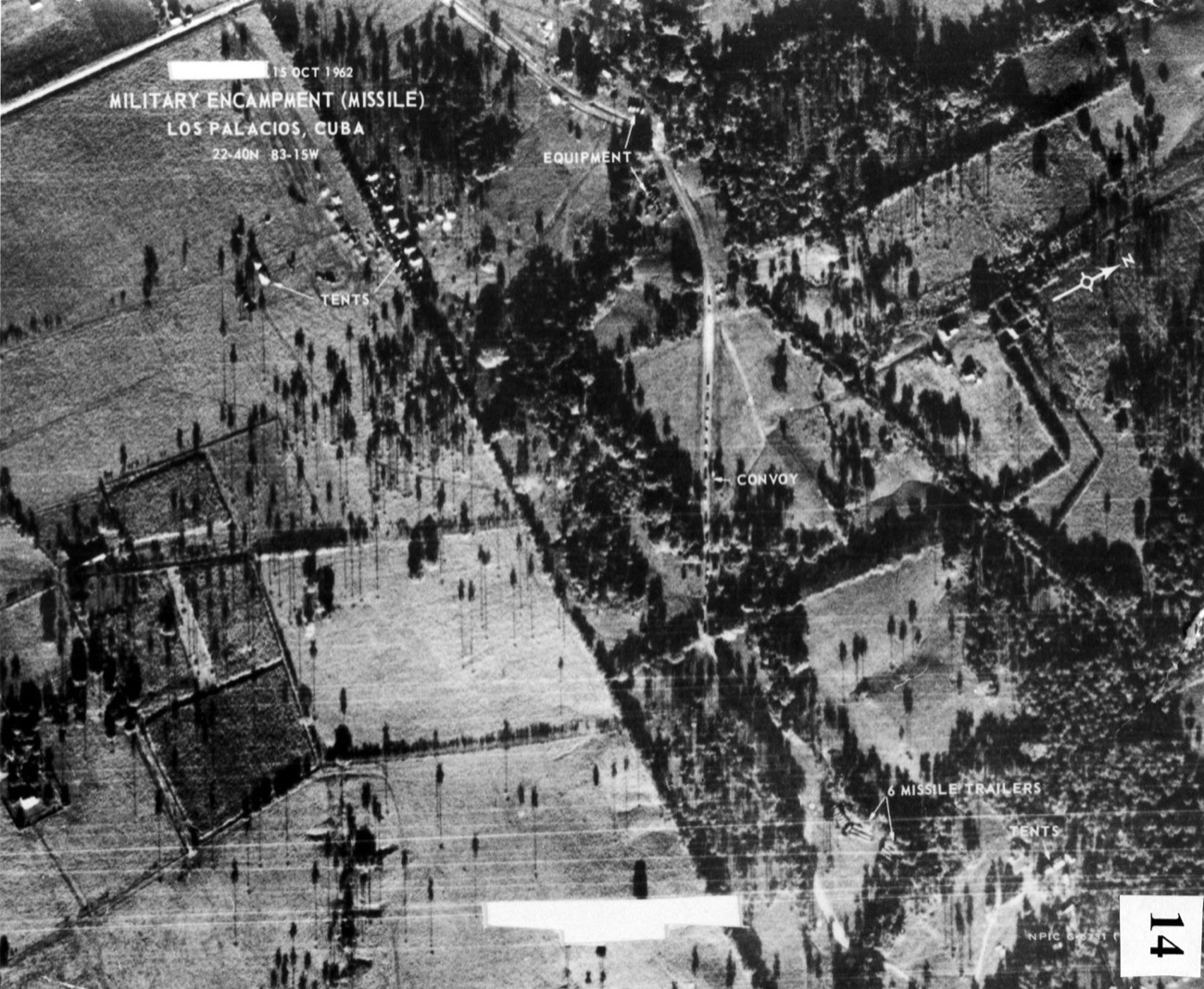
The Cuban Missile Crisis: Thirteen Days on the Nuclear Brink
In October 1962, the Cold War came within a hair's breadth of becoming a nuclear one. For thirteen days that month, the United States and the Soviet Union confronted each other over the discovery that the Soviets had secretly installed nuclear missiles in Cuba, ninety miles from the American coast, capable of striking much of the United States within minutes. American reconnaissance had caught the deployment while the missile sites were still being built; President John F. Kennedy imposed a naval blockade of the island and demanded the missiles' removal; and for the better part of two weeks the world held its breath as the two superpowers, each armed with the power to destroy the other and much of humanity, edged toward the abyss. It was, and remains, the closest the world has ever come to full-scale nuclear war — closer, it later emerged, than even the participants understood at the time, with more than one moment in which a single decision, or a single frightened officer, might have triggered catastrophe. That it ended not in annihilation but in a negotiated settlement was the product of nerve, restraint, back-channel diplomacy, a secret deal, and no small amount of luck. This is the story of the Cuban Missile Crisis — the secret deployment, the discovery, the standoff, the near-catastrophes, and the fragile bargain that saved the world.

The Umbrella Murder: The Poisoning of Georgi Markov
On the afternoon of 7 September 1978, Georgi Markov, a Bulgarian émigré writer, was waiting at a bus stop on Waterloo Bridge in London, on his way to his job at the BBC World Service, when he felt a sudden sharp sting in the back of his right thigh. Turning, he saw a man behind him bending to pick up a dropped umbrella; the man apologised in a foreign accent, hurried across the road, and got into a taxi. Markov thought little of it at first, but by that evening he had developed a high fever, and over the next three days his condition collapsed catastrophically. He died on 11 September, aged forty-nine. A post-mortem examination found, embedded in his thigh, a tiny metal pellet no larger than a pinhead, drilled with minuscule cavities that had held a dose of ricin — one of the deadliest toxins known, and one for which there is no antidote. Markov had been assassinated in broad daylight on a London street, murdered for the crime of broadcasting the truth about the communist regime in his homeland. The method — a poison pellet delivered, it is believed, by a specially engineered umbrella — became one of the most infamous images of Cold War espionage, and the killing itself one of its clearest examples of a state reaching across borders to silence a dissident. This is the story of the umbrella murder.
Browse by category
State & Intelligence Operations
Corporate Cover-ups
Media & Propaganda
Health & Medicine
Technology & Surveillance
Space & UFOlogy
Ancient & Historical Mysteries
Assassinations & Disappearances
Finance & Economy
Religion, Cults & Spirituality
Whistleblowers & Leaks
Internet Phenomena
Folk Mysteries & Cryptids
Vindicated Science
Cold War Files
Browse by truth label
Two labels. Confirmed when the documents are on the table, Mystery for everything else. Pick one to see what falls inside it, or see the full chart.