CONFIRMED
The Cambridge Five and the Spies at the Heart of British Intelligence
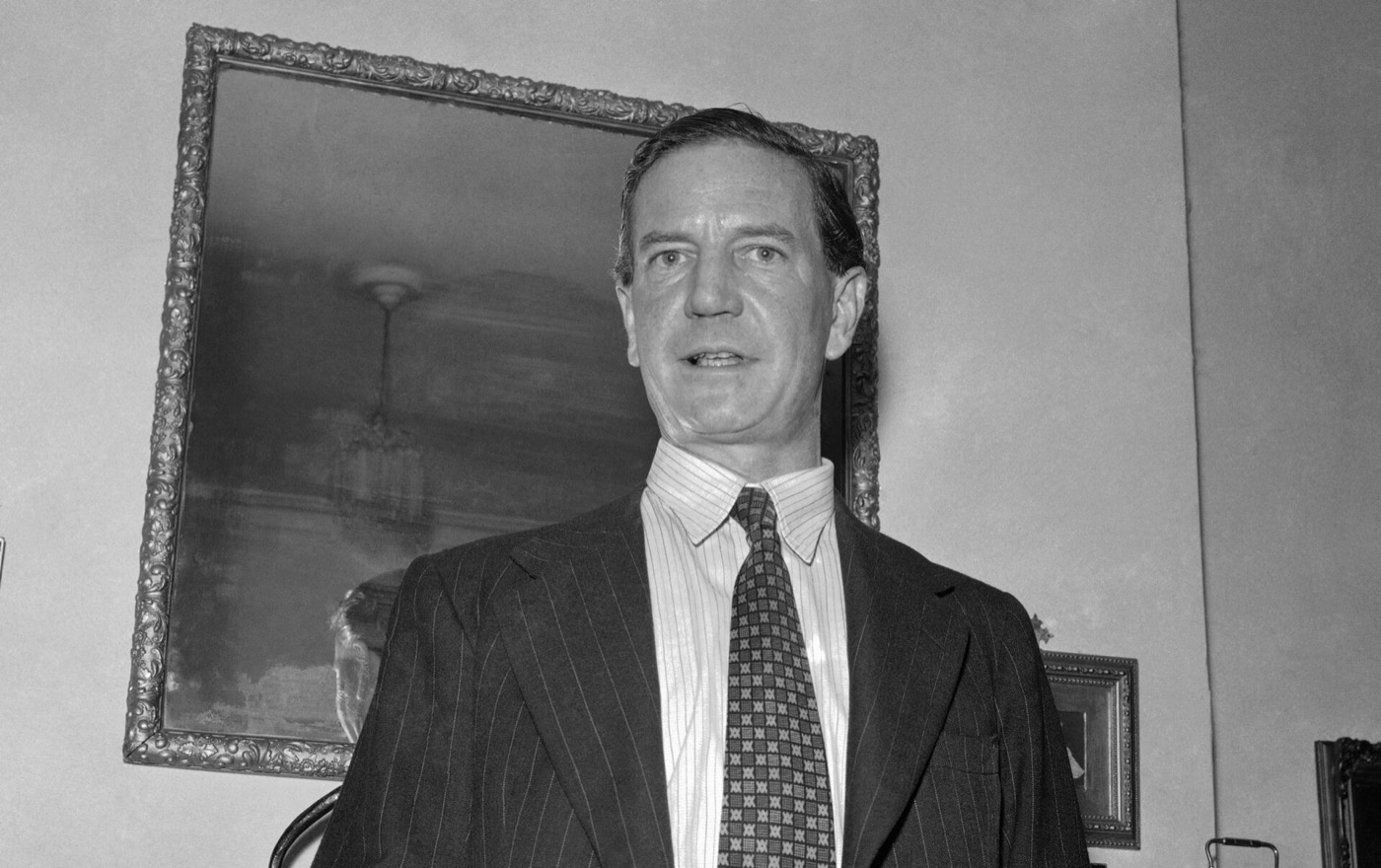
In the 1930s, Soviet intelligence undertook one of the most ambitious recruitment operations in the history of espionage: rather than buying secrets from disgruntled clerks, it would cultivate brilliant young Britons at the start of their careers, men of the right schools and the right accents who could be guided, over decades, into the very heart of the British establishment. The most famous of these recruits were five Cambridge University men — Kim Philby, Guy Burgess, Donald Maclean, Anthony Blunt, and John Cairncross — who became known as the Cambridge Five. They were not desperate or marginal figures but charming, talented members of the elite, and that was precisely the point. Over the following decades they penetrated the Foreign Office, the security service MI5, the secret intelligence service MI6, and the wartime codebreaking establishment, passing a torrent of British and American secrets to Moscow. Philby rose so high within MI6 that he was considered a future chief of the service — while serving the entire time as a Soviet agent, even as he was nominally in charge of countering the Soviet threat. The ring began to unravel in 1951, when Burgess and Maclean vanished to Moscow one step ahead of exposure; Philby fell under suspicion but was protected by an establishment unable to believe one of its own could be a traitor, and he did not flee to Moscow until 1963. Blunt, by then a knighted royal art adviser, secretly confessed but was not publicly named until 1979. The damage they did — to operations, to agents, to trust between Britain and its allies — was immense and, in places, fatal. This is the story of how five men of the establishment betrayed it from within, and how the establishment's own blindness let them.