CONFIRMED
The Rosenberg Case: Atomic Spies and a Contested Execution
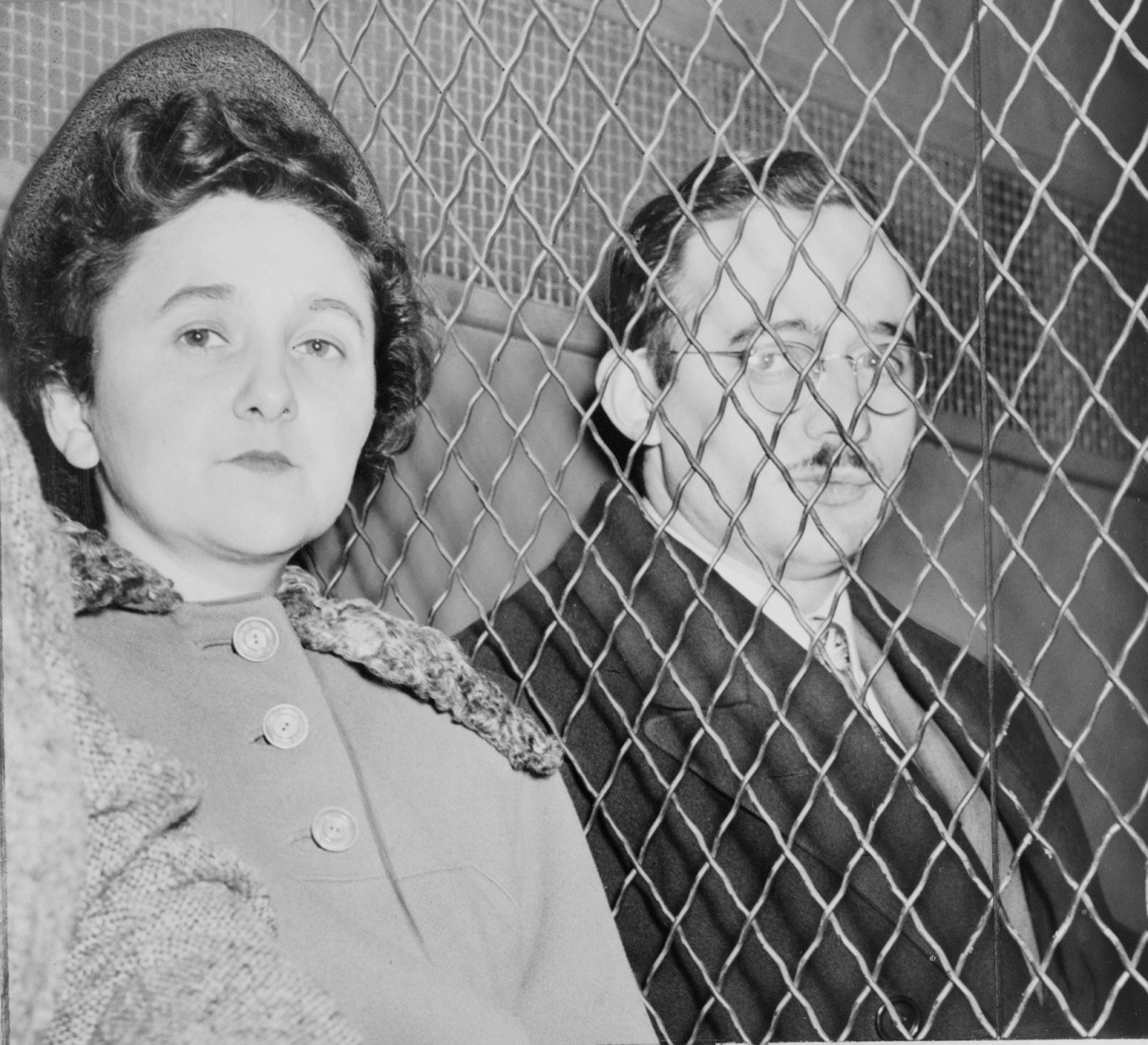
On 19 June 1953, Julius and Ethel Rosenberg were executed in the electric chair at Sing Sing prison in New York, convicted of conspiracy to commit espionage for passing atomic secrets to the Soviet Union. They were the only two American civilians ever put to death for spying during the Cold War, and they left behind two young sons. Their case had become, by the time of their deaths, one of the most bitterly divisive in American history: to their defenders, they were innocent victims of anti-communist hysteria, framed and killed to feed the Red Scare; to the prosecution and much of the public, they were traitors who had handed Stalin the atomic bomb and deserved to die. For decades the truth was fiercely contested, the two camps talking past each other. Then, in 1995, the United States released the Venona decrypts — intercepted Soviet intelligence cables — and, with the later opening of Soviet archives, the picture finally came clear, and it satisfied neither side. Julius Rosenberg had, in fact, been a Soviet spy, running a significant espionage ring. But Ethel's guilt was another matter entirely: the testimony that sent her to the chair was later admitted to be a lie, and she appears to have been, at most, a knowing bystander, executed to pressure her husband. This is the story of the Rosenberg case — of real espionage, real injustice, and the hard truth that lies between the two myths that grew up around it.