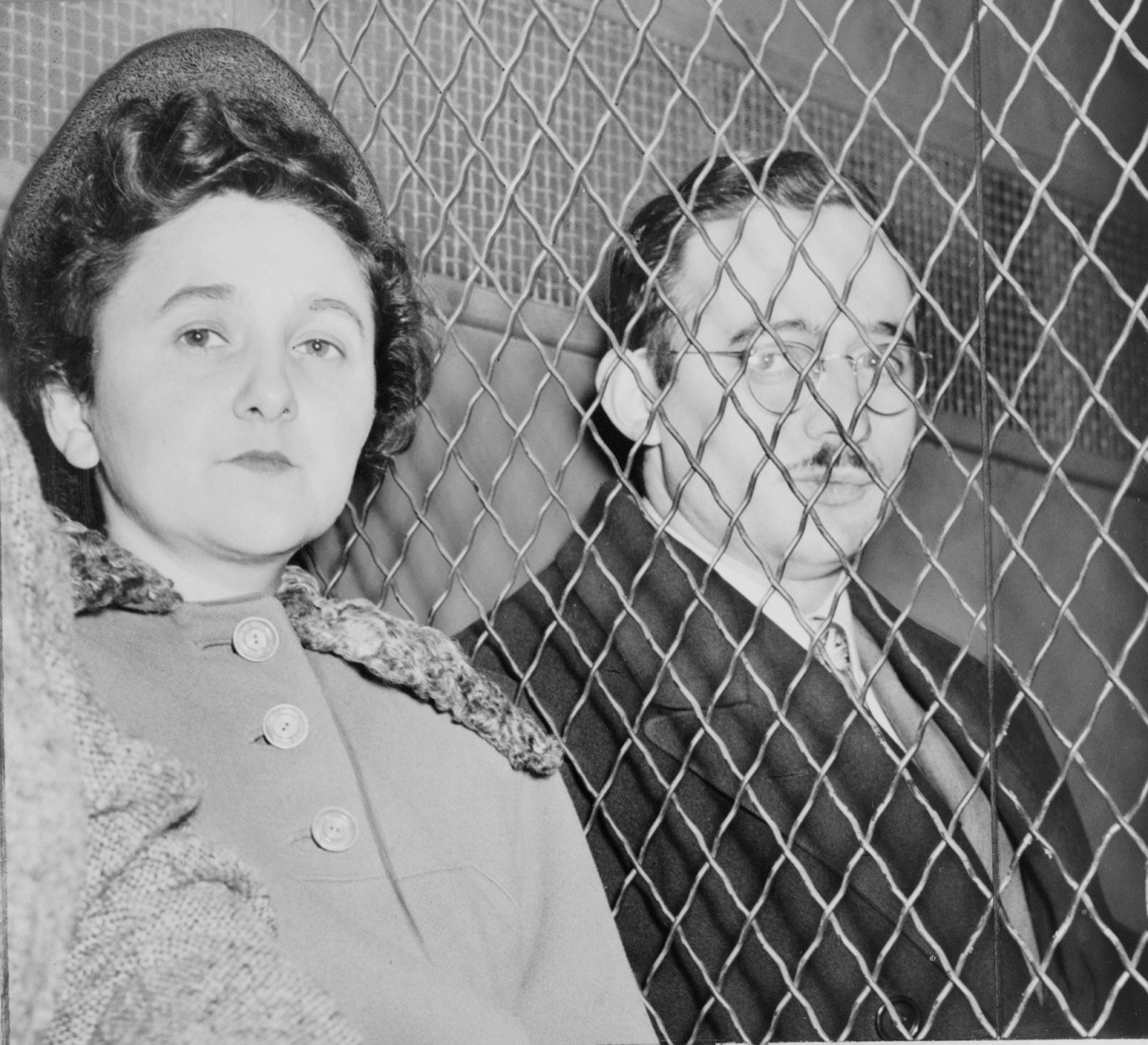
Julius and Ethel Rosenberg, separated by a wire screen in a police van after their 1951 conviction. They were executed two years later — the only American civilians put to death for espionage in the Cold War. Wikimedia Commons / Public Domain.
The Rosenberg Case: Atomic Spies and a Contested Execution
United States, 1953 — Julius and Ethel Rosenberg were executed as atomic spies at the height of the Red Scare, the only American civilians put to death for espionage in the Cold War. Decades later, the secret cables proved Julius was indeed a Soviet agent — and that his wife was very likely killed on fabricated evidence
- Category
- Cold War Files
- Published
- Length
- 3,550 words · 18 min read
- Author
- The editors
The Rosenberg case is a rare instance in which the passage of time and the opening of secret archives have actually resolved a long-contested controversy — but in a way that vindicated neither of the two positions that had fought over it for forty years. For a generation, the case was a political battlefield: the left saw the Rosenbergs as martyrs, innocents destroyed by McCarthyism, while the right saw them as guilty traitors justly punished. Both were partly wrong. When the Venona decrypts and the Soviet files finally became available, they showed that Julius Rosenberg really had been a Soviet spy — so the claim of total innocence collapsed. But they also showed that Ethel's role was minor at most, that the key evidence against her had been fabricated, and that her execution was a grave miscarriage of justice — so the claim of righteous punishment collapsed too. The honest account, then, is not a comfortable one for anyone: it requires holding together the fact of genuine espionage and the fact of genuine injustice, and recognising that the state both caught real spies and killed a woman on a lie. To tell it well is to resist the pull of both old myths and to follow the evidence, wherever it leaves the politics.
This is the story of the atomic spies and the contested execution.
The atomic spy panic
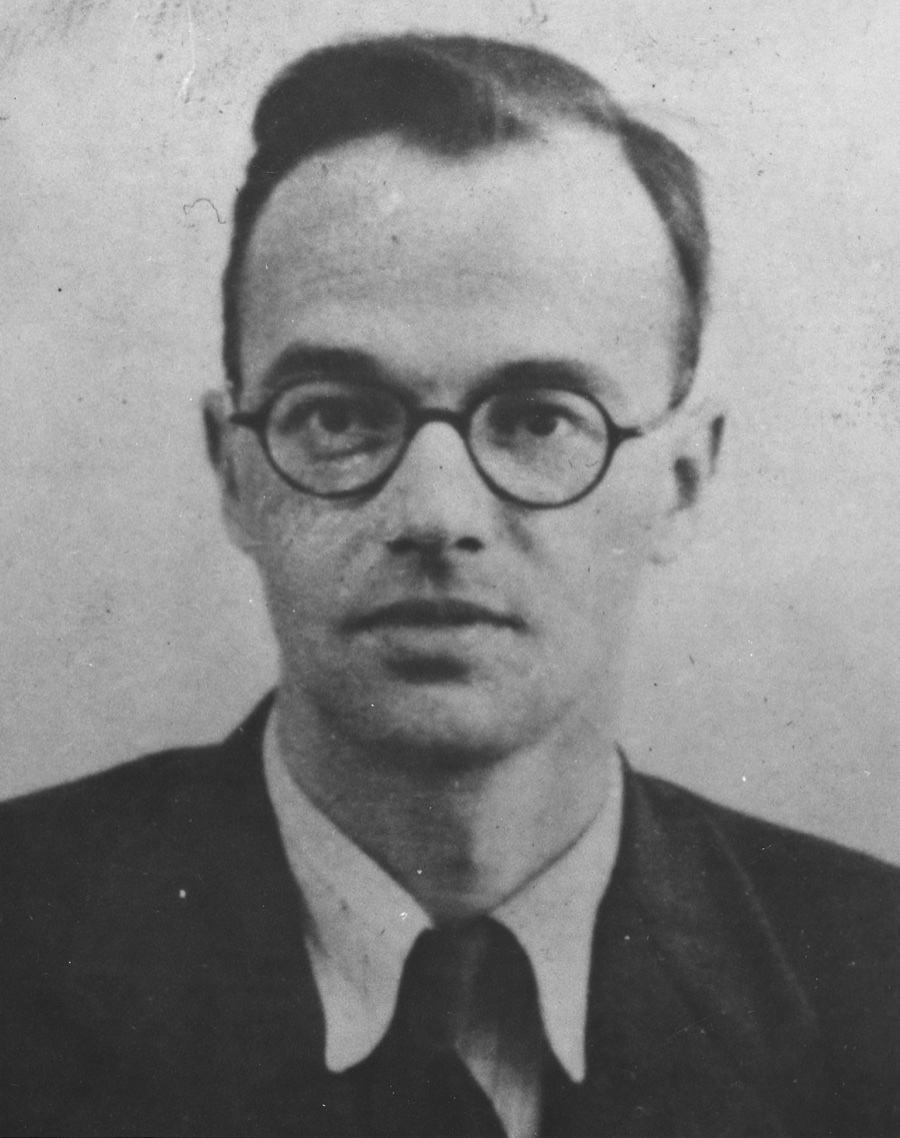
To understand why the Rosenbergs were executed, one must understand the fear that gripped America in 1950. In 1949, far sooner than the West had expected, the Soviet Union detonated its first atomic bomb, shattering the American nuclear monopoly and igniting a wave of anxiety that the Soviets could only have caught up so fast by stealing the secret. That anxiety seemed confirmed almost at once: in early 1950, the German-born British physicist Klaus Fuchs, who had worked at the very heart of the Manhattan Project at Los Alamos, confessed to having passed detailed atomic-bomb information to the Soviets throughout the war. Fuchs was, by any measure, one of the most damaging spies in history, and his arrest — which had been made possible by the secret Venona code-breaking effort — set off a chain of investigations that would lead, link by link, to the Rosenbergs.
The atmosphere into which this news landed was one of mounting hysteria. The Red Scare was at its height; Senator Joseph McCarthy had just begun his campaign of anti-communist accusation; the Korean War would break out in June 1950, sending American soldiers to fight communists in Asia. In this climate, the idea that American traitors had helped Stalin build the bomb was incendiary, and the hunt for the spies who had aided Fuchs took on the character of a national reckoning. The trail ran from Fuchs to his American courier, Harry Gold, and from Gold to a young Army machinist who had worked at Los Alamos — David Greenglass, who happened to be the brother of Ethel Rosenberg. It was through Greenglass that the investigation reached Julius.
Julius Rosenberg's ring
The Julius Rosenberg the Venona files revealed was not an innocent bystander but a committed and active Soviet spy. An electrical engineer and dedicated communist, he had been recruited by Soviet intelligence during the Second World War and had run a network of fellow ideological agents — mostly, like him, young American communists working in industry and the military — who passed the Soviets a stream of valuable material. Much of it concerned conventional military technology: radar, jet-engine designs, and, notably, the proximity fuze, a significant weapons advance. Julius was a talent-spotter and handler as much as a source, recruiting others into espionage and coordinating their reporting to his Soviet contacts. In the world of Cold War spying, he was a real and productive agent, and on this the later evidence is unambiguous.
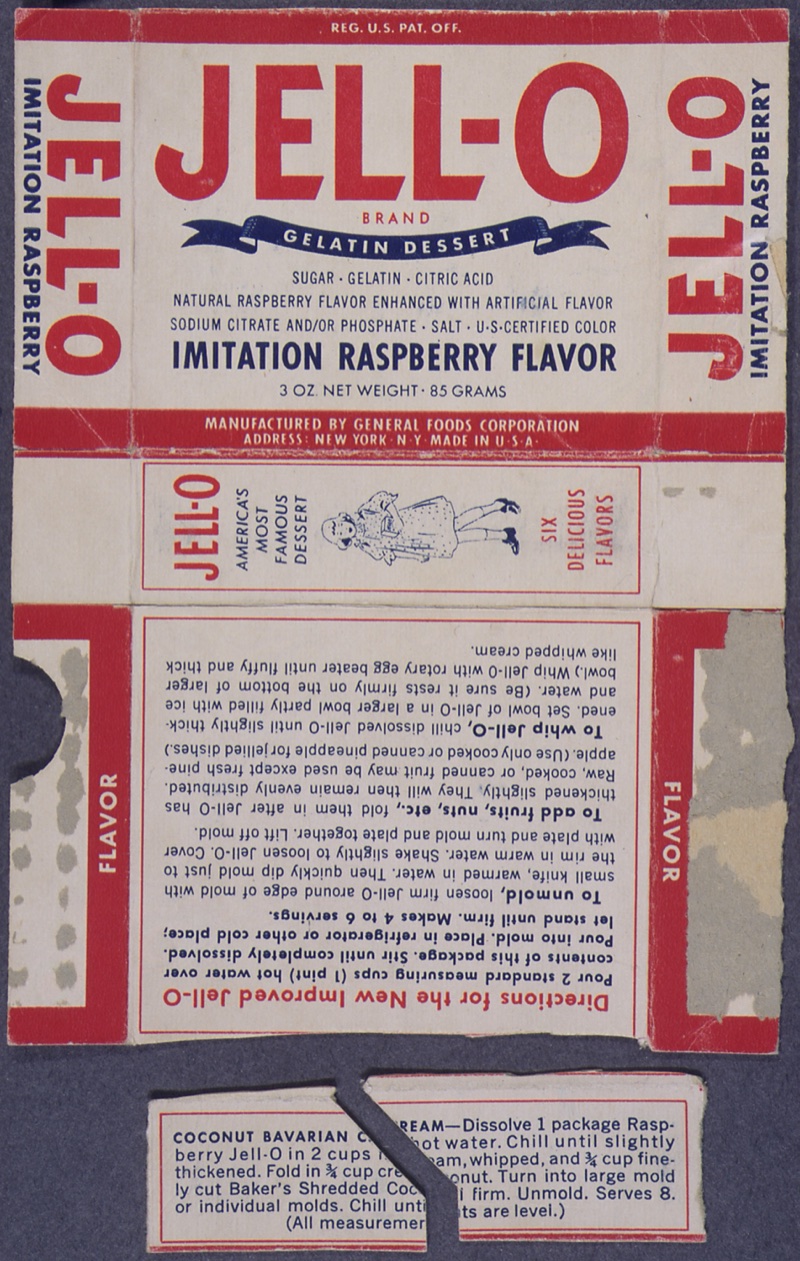
The atomic dimension, which would prove decisive at trial, came through Ethel's brother. David Greenglass, an Army machinist assigned to Los Alamos, was recruited — through his wife Ruth and with Julius's involvement — to pass on what he could learn about the bomb. A machinist, not a scientist, Greenglass provided sketches and descriptions, including of the high-explosive "lens" used in the implosion design, handed to the courier Harry Gold, who was also servicing Fuchs. The value of Greenglass's atomic material has been much debated and was, by expert assessment, limited — crude compared to what Fuchs, a senior physicist, had already given Moscow. But in the fevered atmosphere of 1950, the notion that the Rosenberg ring had helped steal "the secret of the atomic bomb" was politically overwhelming, and it was on that charge that the case would turn.
The arrests and the trial
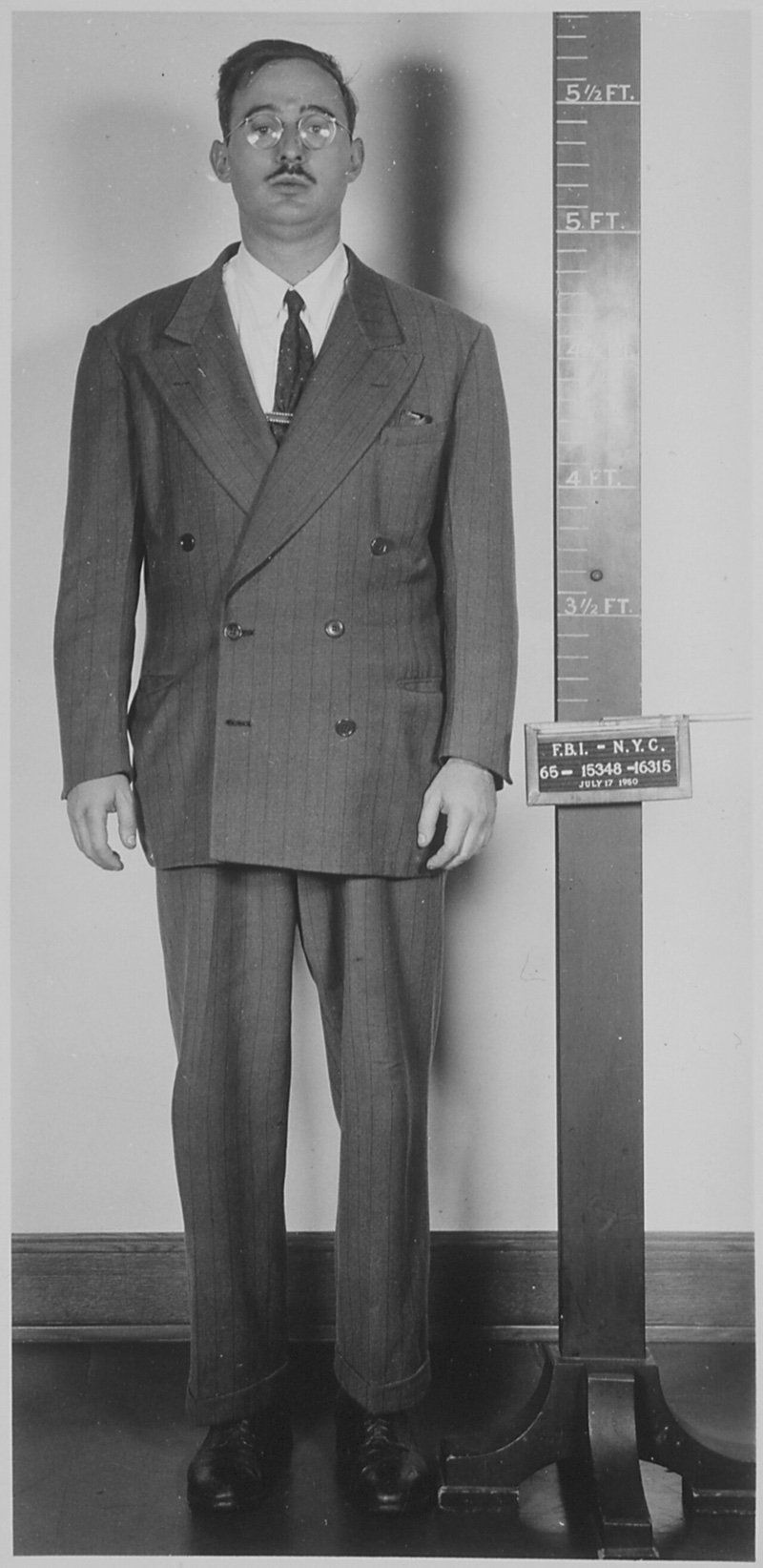
When the investigation reached David Greenglass, he made the choice that would define the case and haunt it ever after: to save himself, and above all to protect his wife Ruth, he cooperated fully with the prosecution and testified against his own sister and brother-in-law. Julius was arrested in July 1950, Ethel a month later — her arrest, it later emerged, intended largely as leverage to pressure Julius into confessing and naming others. At the 1951 trial, Greenglass and his wife were the star witnesses. Greenglass described the atomic espionage and implicated Julius directly; and, crucially for Ethel's fate, he testified that she had typed up his handwritten notes for transmission to the Soviets — a claim that transformed her from a suspected accessory into an active participant in the conspiracy.
Both Rosenbergs were convicted. Judge Irving Kaufman, in a sentencing statement of extraordinary vehemence, held them responsible not only for the espionage but for the Cold War itself and the deaths in Korea, calling their crime "worse than murder," and sentenced both to death. The severity was shocking even by the standards of the time: no one else in the case was executed — Greenglass received fifteen years, Gold thirty, Fuchs (in Britain) fourteen — and the death sentences for the Rosenbergs, and especially for Ethel, stood out as disproportionate. The conduct of the prosecution and the judge was, moreover, deeply improper: the young prosecutor Roy Cohn later boasted of having engineered the outcome, and Kaufman had improper private communications with the prosecution about the sentence. The trial that sent the Rosenbergs to death was neither fair nor clean.
The question of Ethel
The gravest injustice of the case concerns Ethel Rosenberg, and here the later evidence is damning not of her but of the prosecution. The single most important piece of testimony against Ethel — that she had typed up her brother's espionage notes — was, decades later, admitted to be false. In the 1990s and again in 2001, David Greenglass acknowledged to interviewers that he had lied about the typing; he had, he said, given the testimony to satisfy the prosecutors and, above all, to keep his own wife Ruth — who was at least as involved as Ethel, and who may have done the actual typing — out of prison. "My wife is more important to me than my sister," he said, with chilling frankness. The story that had made Ethel an active conspirator, and that helped justify her death sentence, was a fabrication, given by the brother whose life she and Julius had refused to save themselves by naming others.
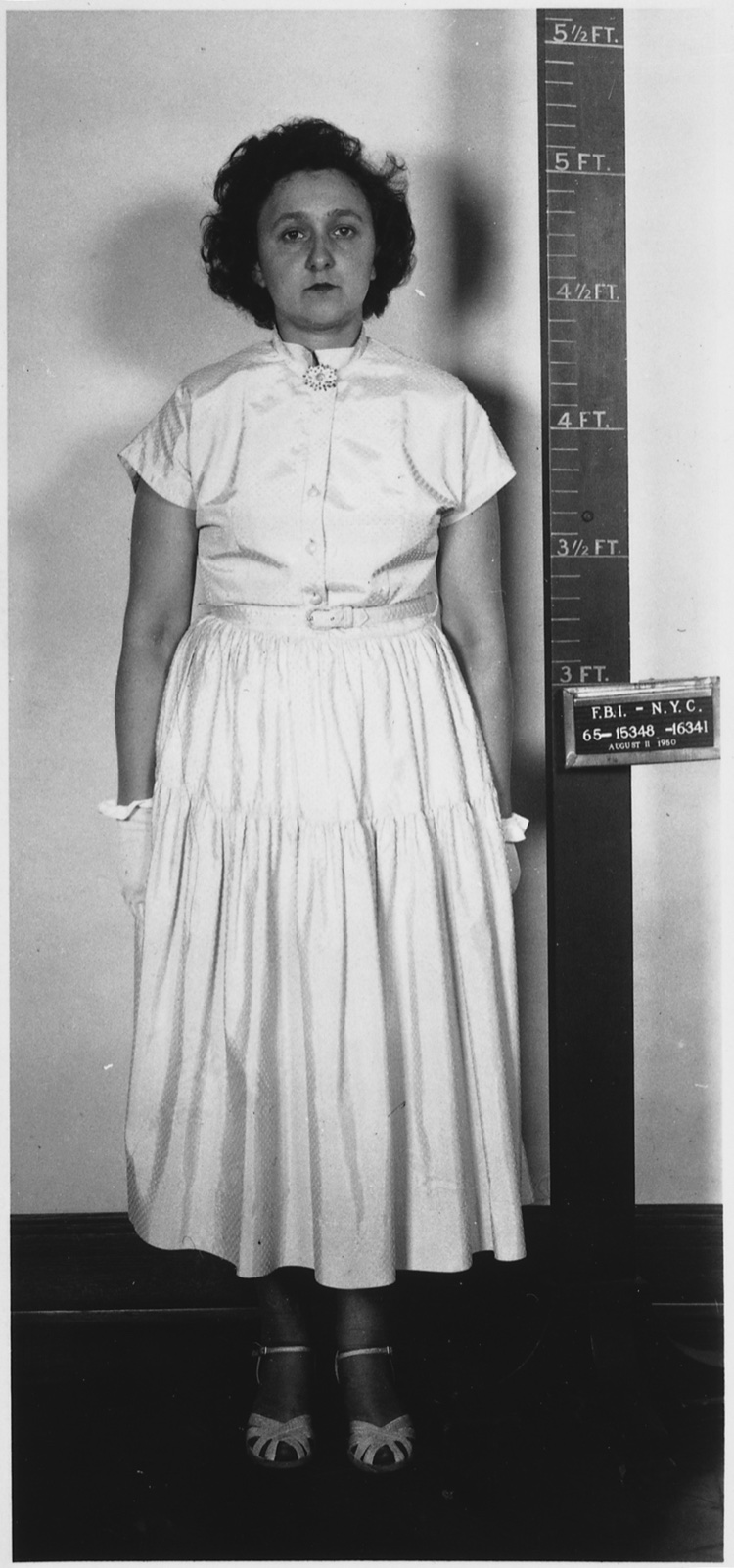
What, then, was Ethel? The most defensible reading of the evidence is that she was aware of her husband's espionage and broadly supportive of it — a knowing accomplice in spirit, perhaps, but not an active agent who handled secrets or recruited others. There is no evidence she was a spy in the operational sense that Julius was. Her arrest was, by the prosecution's own later admissions, a tactic: a lever to force Julius to confess and inform. When he refused — when the Rosenbergs chose to die rather than betray others — the state, having staked its position, carried out the threat and executed her anyway, on the strength of testimony it appears to have known was unreliable. Whatever Ethel knew, she was, in a real sense, killed to punish her husband's silence, and on evidence that has since collapsed.
The execution and the outcry
The Rosenbergs' path to the electric chair was accompanied by a worldwide storm of protest. As their appeals failed one after another and their execution approached, an international clemency movement grew to enormous size: demonstrations filled public squares in Europe and America, and appeals for mercy came from figures including Pope Pius XII, Albert Einstein, and Jean-Paul Sartre. Much of this sympathy rested on the belief — then widespread and, as to Julius, mistaken — that the couple were innocent. But some of it rested on the sounder instinct that the death penalty, especially for Ethel and especially on such evidence, was monstrous. The appeals reached the Supreme Court, which declined to halt the execution; a last-minute stay was vacated; and on the evening of 19 June 1953, Julius and then Ethel were put to death at Sing Sing. Ethel, it was reported, did not die quickly, requiring additional shocks — a final horror to a proceeding already stained.
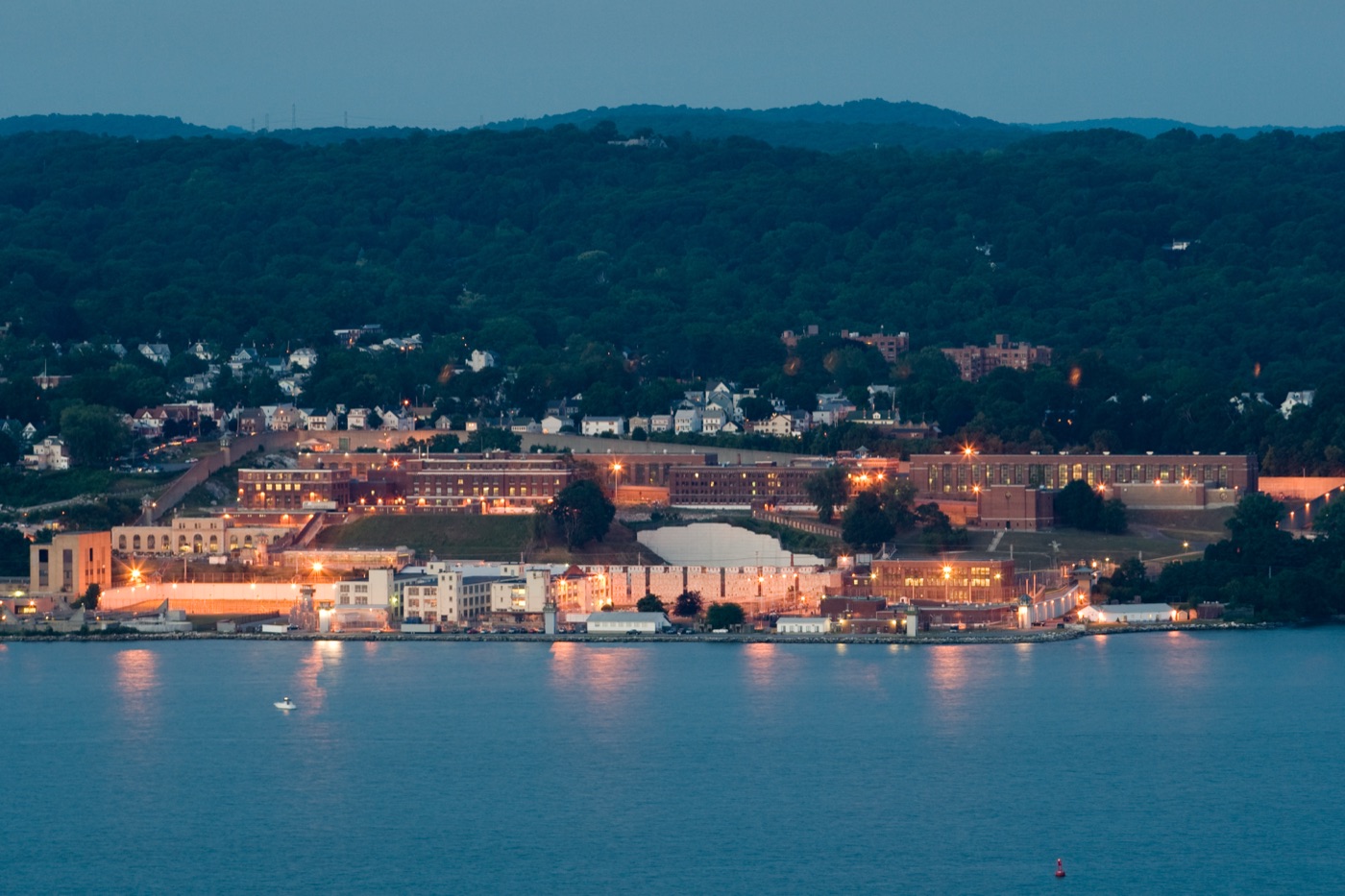
The couple left behind two young sons, Michael and Robert, aged ten and six, who were orphaned by the execution, later adopted, and who took the name Meeropol. Their lives were shaped by the case, and in adulthood they became its most persistent students — first defending their parents' complete innocence, and then, as the evidence emerged, adjusting to the harder truth: accepting that their father had indeed been a spy while campaigning, with particular force after Greenglass's admissions, for the formal exoneration of their mother, whom they and many historians regard as wrongly convicted and unjustly killed. Their decades-long effort to separate the two questions — Julius's guilt and Ethel's innocence — mirrors the reckoning the case demands of history as a whole.
The verdict of history
Weighing it all, the Rosenberg case yields a verdict that is clear in its parts even as it satisfies no political faction. Julius Rosenberg was a real Soviet spy, and those who insisted for decades that the couple were pure innocents framed by McCarthyism were, as to him, simply wrong; the evidence of his espionage is now conclusive. But the state's treatment of the case was itself a scandal: the atomic espionage was exaggerated in importance; the trial was procedurally corrupt, with improper judicial and prosecutorial conduct; the death sentences were wildly disproportionate to the actual damage and to the sentences given to more culpable figures; and, most seriously, Ethel Rosenberg was convicted on fabricated testimony and executed as a lever against her husband. The case is thus a double indictment — of the espionage the Rosenbergs (or at least Julius) really committed, and of the hysteria and abuse with which the American state responded to it. It is possible, and necessary, to condemn both.
What it means
The Rosenberg case endures as one of the defining episodes of the early Cold War, and its meaning has sharpened rather than faded as the truth has emerged. It captures, in a single story, the reality of Soviet espionage in America — which was extensive and damaging, and which the political left long wrongly denied — and the reality of the Red Scare's excesses, which drove a corrupt trial and a disproportionate, partly-fabricated capital case, and which the political right long wrongly minimised. That both realities are true at once is precisely the point. The case also stands as a landmark in the history of capital punishment and prosecutorial ethics: the execution of Ethel Rosenberg, on evidence now known to be false, is frequently cited as an argument against the death penalty itself, and as a caution about what prosecutors will do, and juries will accept, under the pressure of national fear. And in the Meeropol brothers' lifelong campaign, it endures as a study in how a family, and a country, can be forced to revise cherished beliefs in the face of hard evidence — accepting a father's guilt while fighting for a mother's name.
In the end, the Rosenberg case is a story in which almost everyone was partly right and partly wrong, and in which the fullest truth is more troubling than either of the myths that fought over it. Julius Rosenberg was a Soviet spy, and no honest reckoning can pretend otherwise. But the American state, in its fear, exaggerated his atomic crimes, ran a corrupt trial, imposed grotesquely excessive sentences, and — above all — convicted and executed Ethel Rosenberg on testimony her own brother later confessed he had invented, using her life as a failed lever against her husband's silence. The opened archives did not deliver the simple vindication that either side wanted; they delivered something harder and more valuable: the actual truth, in which real espionage and real injustice sit side by side. To remember the Rosenbergs honestly is to hold both, to condemn the spying and the killing alike, and to carry forward the lesson their deaths so terribly teach — that a nation which lets fear corrupt its justice can catch its enemies and betray its principles in the very same act.
In the end, the Rosenberg case stands as one of the hardest and most instructive episodes of the Cold War — a story that refuses the comfort of a clear hero or a clean villain. Julius Rosenberg betrayed his country to a hostile power, and the evidence for it is now beyond serious dispute; those who made him an innocent martyr were wrong. But the state that caught him also fabricated the case against his wife, executed her on a lie to punish his silence, and put both to death with a severity that shocked the world and served hysteria more than justice; those who called it righteous were wrong too. The truth, delivered at last by the opened cables and archives, is that real spies and real injustice occupied the same courtroom — that a nation gripped by fear managed, in a single case, both to punish genuine treason and to commit a wrong it has never fully acknowledged. That is the enduring lesson of the Rosenbergs: not that the spies were innocent or the state was just, but that fear can make a society do both things at once, and call the whole of it justice.
Inspired this / based on it
E.L. Doctorow
A novel loosely based on the Rosenberg case and its effect on the couple's children.
Tony Kushner
The acclaimed play in which Ethel Rosenberg's ghost confronts prosecutor Roy Cohn.
Filed under
- #rosenberg-case-1953
- #julius-rosenberg
- #ethel-rosenberg
- #cold-war
- #espionage
- #atomic-spies
- #red-scare
- #confirmed
Click any tag for every article carrying it.
Continue reading
Venona: The Secret Code-Break That Exposed the Soviet Spies
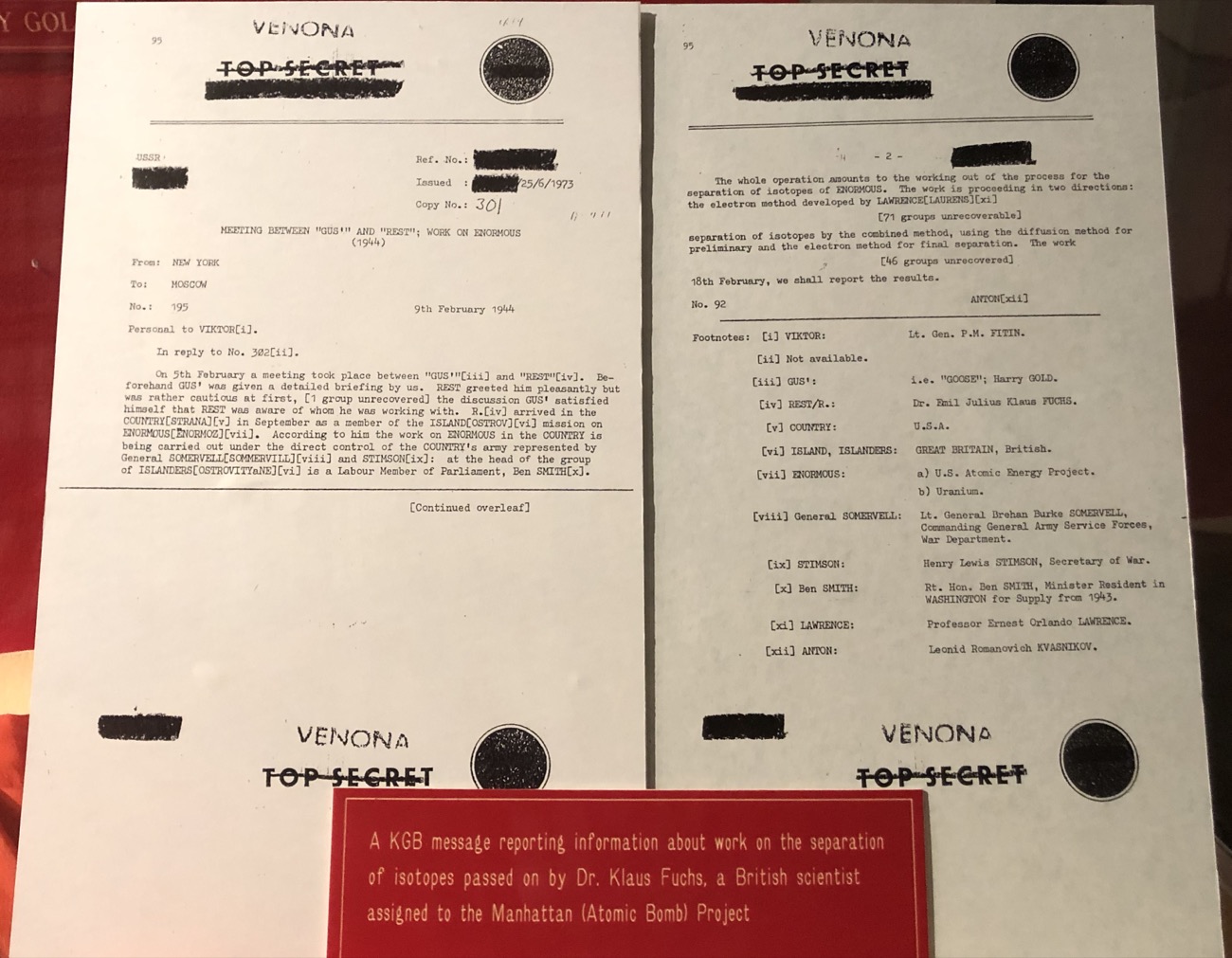
In February 1943, in a converted girls' school outside Washington, a small team of American codebreakers began an attack on a target almost everyone believed was hopeless: the enciphered cable traffic of Soviet intelligence. The Soviets encrypted their most secret messages using a one-time pad, a system that is, in theory, mathematically unbreakable — and the Soviet Union was, at that moment, an ally of the United States in the war against Hitler. Yet the project, later given the codename Venona, would become one of the most consequential intelligence operations of the twentieth century. Exploiting a wartime mistake by Soviet cipher clerks, who had reused pages of supposedly single-use pads, the American cryptanalysts slowly, painstakingly began to read the unreadable. What they found, message by fragmentary message across years of labour, was staggering: the Soviet Union had run a vast espionage campaign inside the United States during the war, with hundreds of sources reaching into the Manhattan Project that built the atomic bomb, the State Department, the Treasury, and the heart of the intelligence services of both America and Britain. Venona helped expose the atomic spy Klaus Fuchs, the ring around Julius and Ethel Rosenberg, and the British traitor Donald Maclean of the Cambridge Five. But the decrypts were guarded with such obsessive secrecy that they could not be used as evidence in open court, and for decades the government knew truths it could not prove and could barely speak. The project remained classified until 1995, when the release of its files rewrote the secret history of the early Cold War. This is the story of the code-break that saw into the heart of Soviet espionage, and of the silence that surrounded it for fifty years.
The U-2 Incident: The Spy Plane That Wrecked a Summit
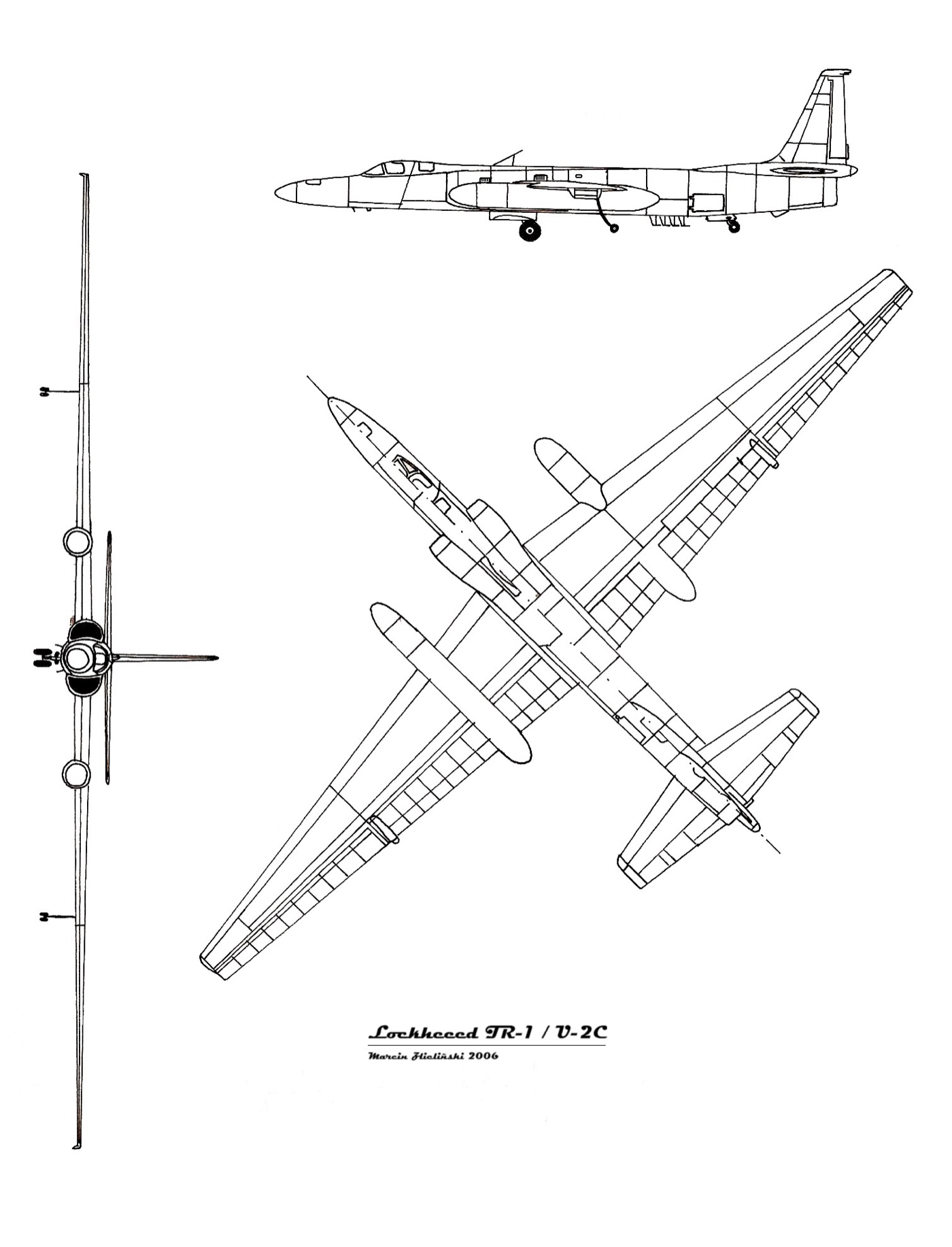
On the morning of 1 May 1960, an American U-2 reconnaissance aircraft — a strange, glider-winged spy plane built to fly higher than any fighter could reach — was cruising at some 70,000 feet over the heart of the Soviet Union, its cameras photographing military installations, when a Soviet surface-to-air missile exploded near it and sent it spinning out of the sky. The pilot, a CIA contract flyer named Francis Gary Powers, parachuted to earth and was captured alive near the city of Sverdlovsk. What followed was one of the most humiliating episodes in the history of American Cold War diplomacy. Believing the pilot dead and the plane destroyed, the United States put out a cover story: that a NASA 'weather research' plane had strayed off course after its pilot reported oxygen trouble. Then the Soviet leader Nikita Khrushchev sprang his trap, revealing that the pilot was alive, had confessed, and that the wreckage — cameras, film, and all — was in Soviet hands. President Eisenhower was exposed in a lie before the world, and, breaking with precedent, ultimately acknowledged that the United States had been conducting espionage overflights. The incident detonated days before a long-planned summit in Paris, which it duly destroyed, ending a fragile thaw and plunging the Cold War back into deep freeze. This is the story of the U-2 incident — the secret program, the shootdown, the collapsing lie, and the summit it took down with it.
The Cuban Missile Crisis: Thirteen Days on the Nuclear Brink
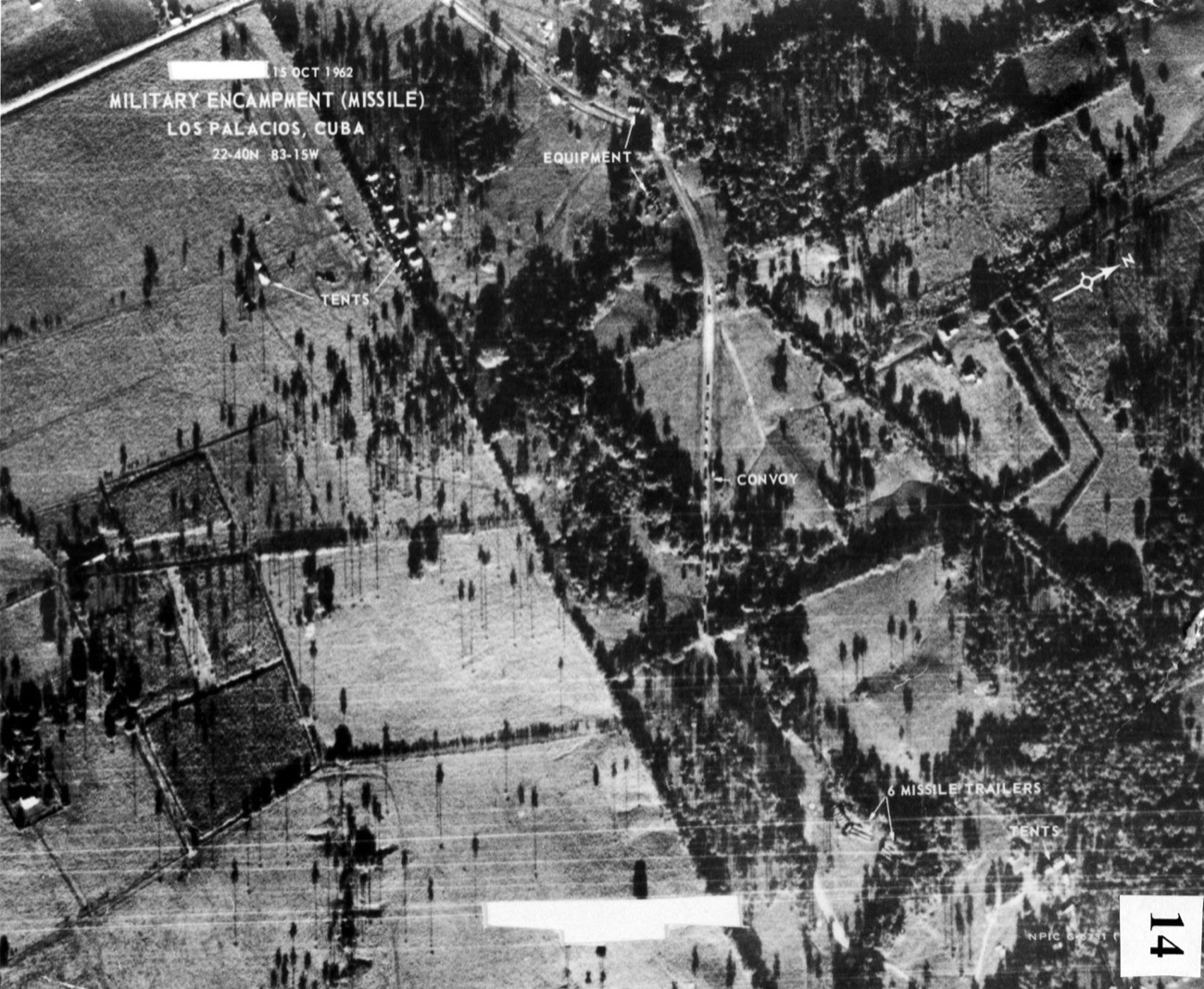
In October 1962, the Cold War came within a hair's breadth of becoming a nuclear one. For thirteen days that month, the United States and the Soviet Union confronted each other over the discovery that the Soviets had secretly installed nuclear missiles in Cuba, ninety miles from the American coast, capable of striking much of the United States within minutes. American reconnaissance had caught the deployment while the missile sites were still being built; President John F. Kennedy imposed a naval blockade of the island and demanded the missiles' removal; and for the better part of two weeks the world held its breath as the two superpowers, each armed with the power to destroy the other and much of humanity, edged toward the abyss. It was, and remains, the closest the world has ever come to full-scale nuclear war — closer, it later emerged, than even the participants understood at the time, with more than one moment in which a single decision, or a single frightened officer, might have triggered catastrophe. That it ended not in annihilation but in a negotiated settlement was the product of nerve, restraint, back-channel diplomacy, a secret deal, and no small amount of luck. This is the story of the Cuban Missile Crisis — the secret deployment, the discovery, the standoff, the near-catastrophes, and the fragile bargain that saved the world.