CONFIRMED
Charles Ponzi and the Scheme That Bears His Name
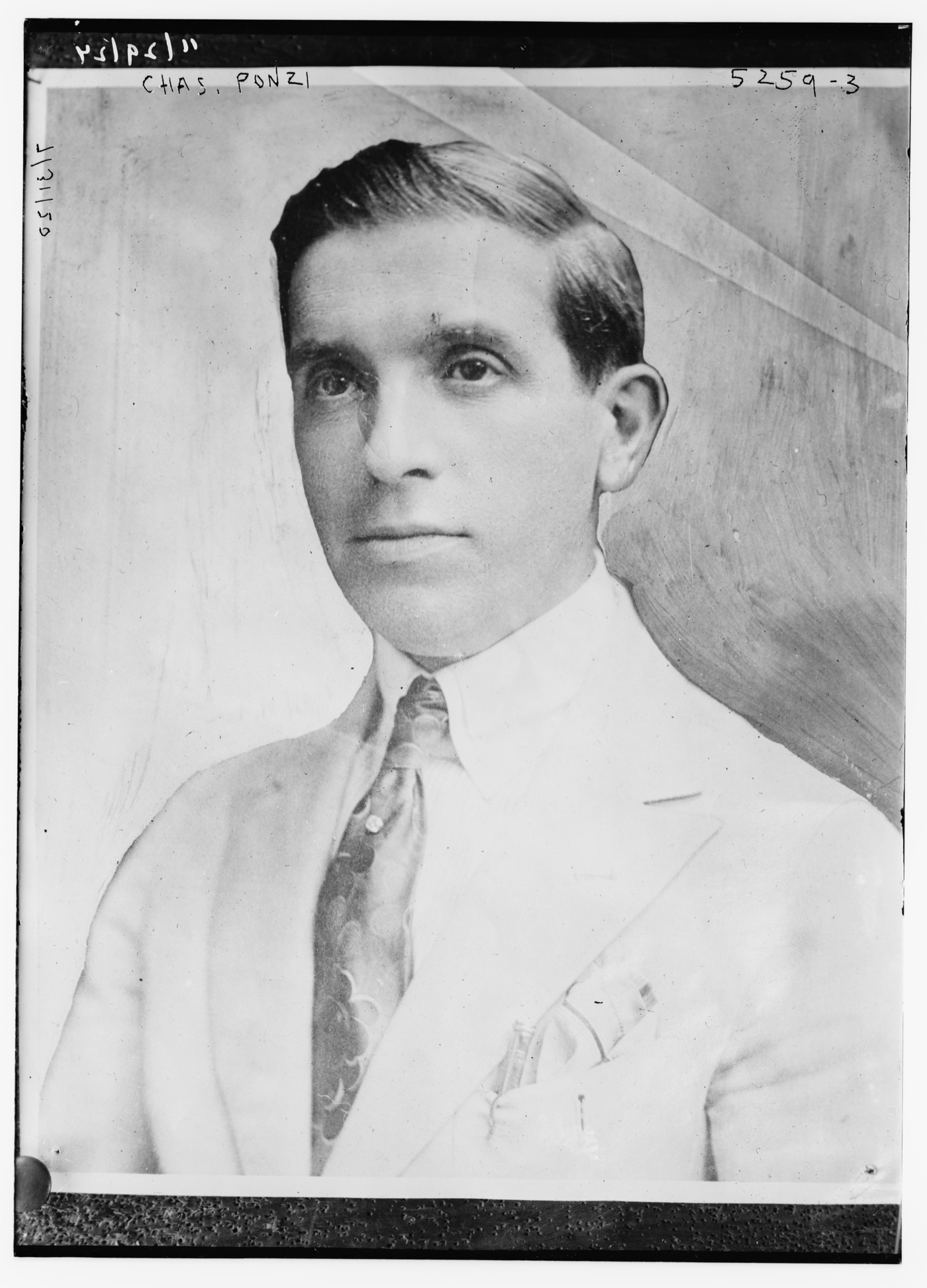
In the summer of 1920, a small, dapper Italian immigrant named Charles Ponzi was the most talked-about man in Boston. From a modest office on School Street, he was offering something that sounded impossible and turned out to be exactly that: a 50 percent return in 45 days, a 100 percent return in 90 days, on an investment he said was backed by a clever arbitrage in international postal reply coupons. Money poured in — from labourers and police officers, from widows and shopkeepers, from people who mortgaged their homes and emptied their savings to get a piece of it. At the height of the mania he was taking in hundreds of thousands of dollars a day, and crowds lined up outside his door pressing cash into his hands. The arbitrage he described was real in theory and worthless in practice; the coupons were never traded in any meaningful volume. What Ponzi was actually doing was paying his early investors with the money of his later ones — sustaining the illusion of fabulous profits only as long as new money flowed in faster than old money was withdrawn. It could not last, and it did not. Within months a newspaper, a financial analyst, and a disillusioned publicity man had pulled the structure apart, a run emptied his company, and an audit revealed that behind the millions he had collected there was nothing but debt. He went to prison, was deported, and died penniless in a charity ward in Rio de Janeiro. But his name did not die with him: the confidence trick he performed so memorably — paying old investors with new investors' money and calling it profit — has been known ever since as the Ponzi scheme. This is the story of the man behind the name.