MYSTERY
Flight 19: The Lost Squadron and the Birth of the Bermuda Triangle
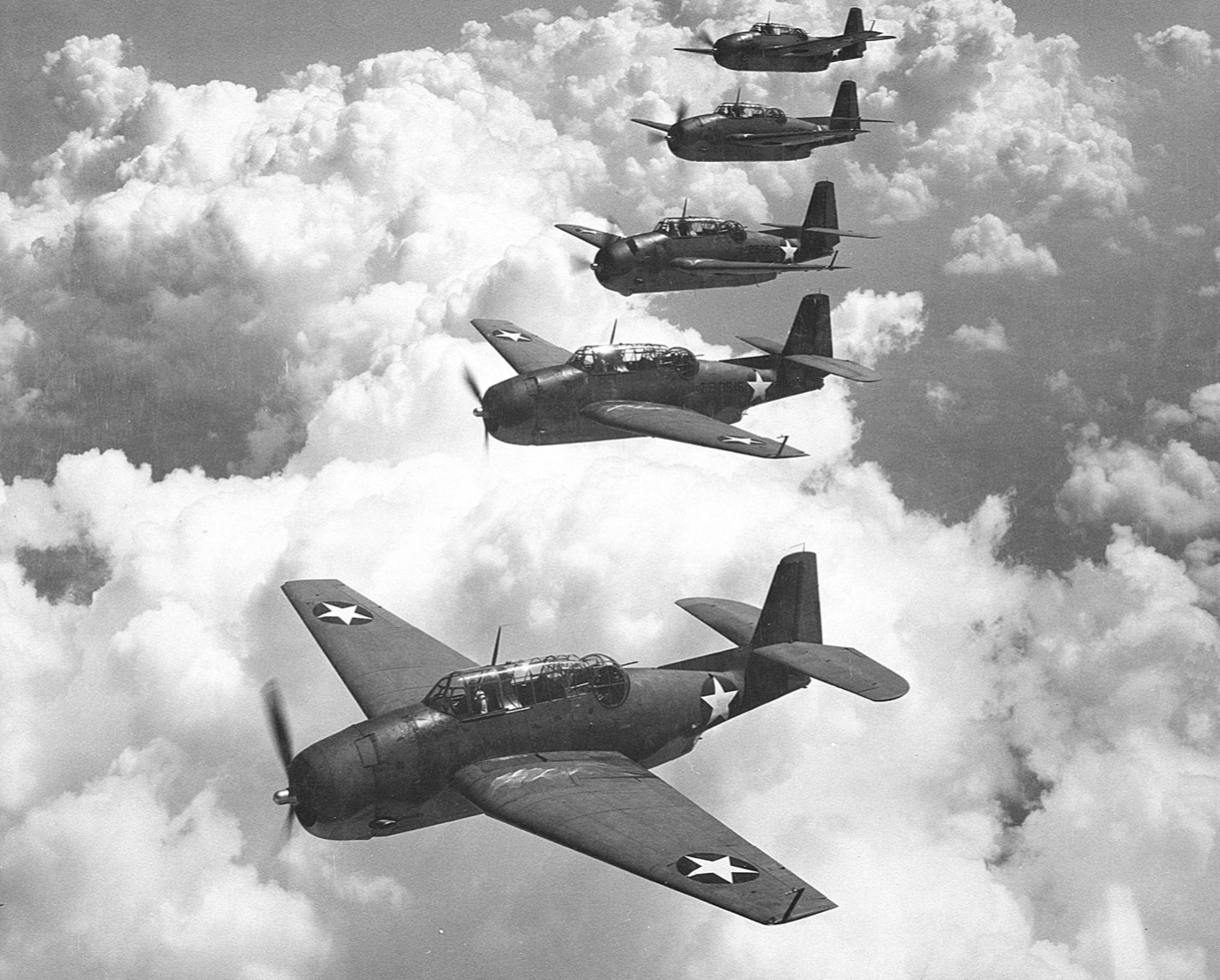
On the afternoon of 5 December 1945, five United States Navy torpedo bombers took off from the Naval Air Station at Fort Lauderdale, Florida, on a routine training exercise over the Atlantic. The mission, designated Flight 19, was a navigation problem: fly east to a practice bombing range, then on a triangular course out over the ocean and back to base. Fourteen airmen were aboard the five planes, led by an experienced combat pilot named Lieutenant Charles Taylor. The flight never returned. As the afternoon wore into evening, radio operators on shore picked up Taylor's increasingly troubled transmissions: he believed his compasses had failed, he was unsure where he was, he thought he was somewhere he was not, and he led the flight one way and then another in a worsening confusion as the weather deteriorated and darkness fell. The last messages suggested the planes were running low on fuel far out over a rough sea. Then there was silence. A large flying boat dispatched to search for them disappeared as well, apparently exploding in the air, taking its crew of thirteen with it. Twenty-seven men were lost that night, and despite an enormous search, no wreckage of the five bombers was ever definitively found. The Navy concluded the flight had been lost to navigational error and the unforgiving ocean. But the strange, sad disappearance of Flight 19 would become the founding legend of the Bermuda Triangle, transformed over the following decades into a tale of supernatural mystery that the facts never supported. This is the story of the lost squadron, and of how a tragedy became a myth.