CONFIRMED
DES and the Cancer That Waited a Generation
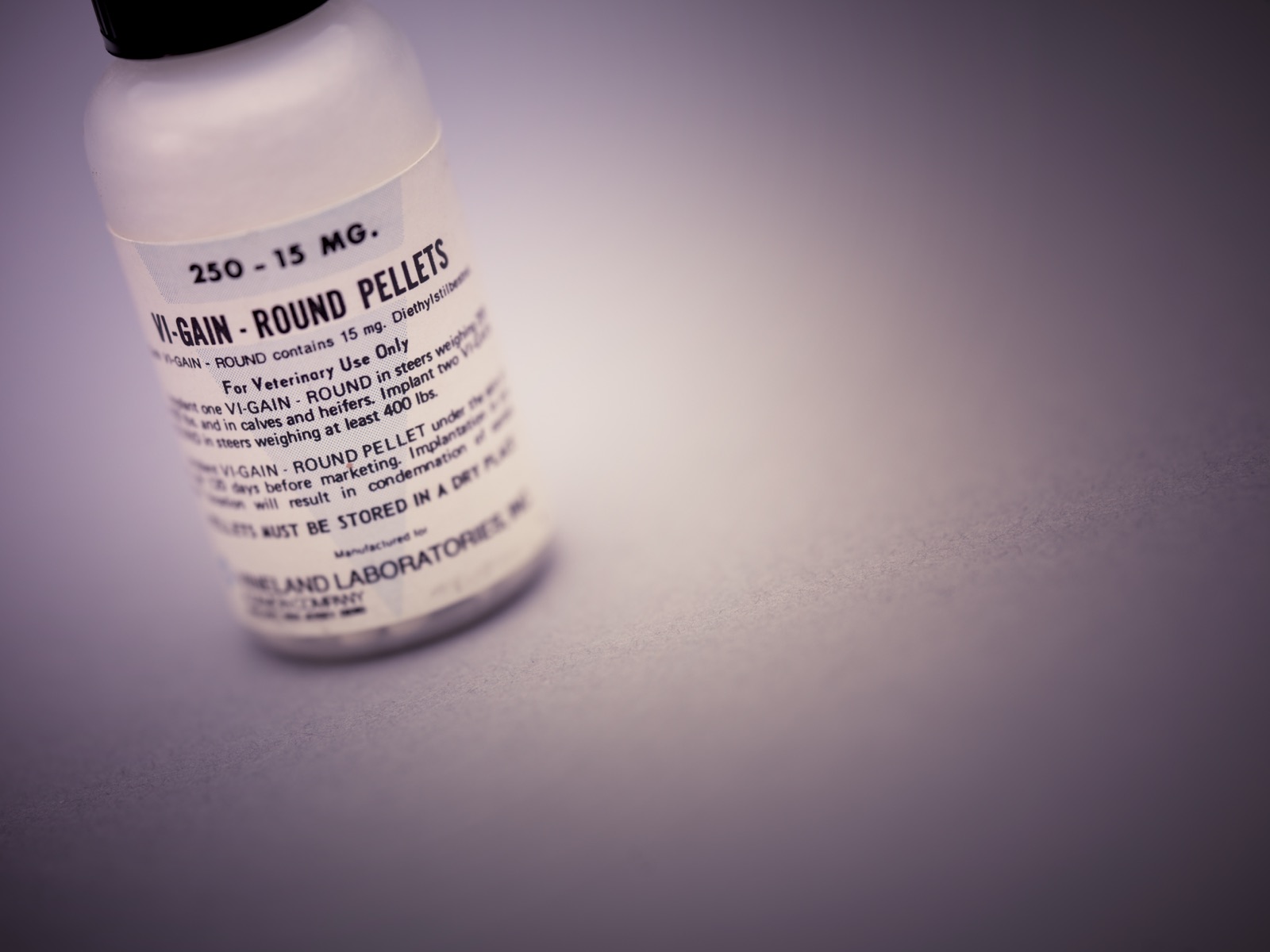
Diethylstilbestrol — DES — was the kind of drug that seems, in hindsight, designed to teach a lesson about how medicine can fail. A cheap synthetic estrogen, first made in 1938 and never patented, it was prescribed from around 1940 onward to millions of pregnant women in the United States and elsewhere, marketed with the soothing promise that it would prevent miscarriage and make 'normal pregnancies more normal.' It did neither. As early as 1953, a careful controlled study showed that DES did nothing to prevent miscarriage — and yet doctors went on prescribing it to pregnant women for nearly two more decades. The true cost did not appear in the women who took it, or even in their pregnancies, but in the children those pregnancies produced. In 1971, doctors traced a sudden cluster of a rare vaginal cancer in young women — a cancer almost never seen in people that age — back to a single common factor: their mothers had taken DES while carrying them. It was the first time a drug had been shown to cause cancer not in the person who took it but in their child, years later, through the wall of the womb. The harm had waited a generation to appear. Behind it lay a tangle of failures — a drug sold without good evidence, kept on the market long after it was shown useless, and made by so many companies that, decades later, the women it injured often could not even prove whose pill their mothers had swallowed. This is the story of DES: what it was, why it was given, the delayed catastrophe it caused, and the lasting marks it left on medicine and the law.