CONFIRMED
Thalidomide and the Wonder Drug That Came for the Unborn
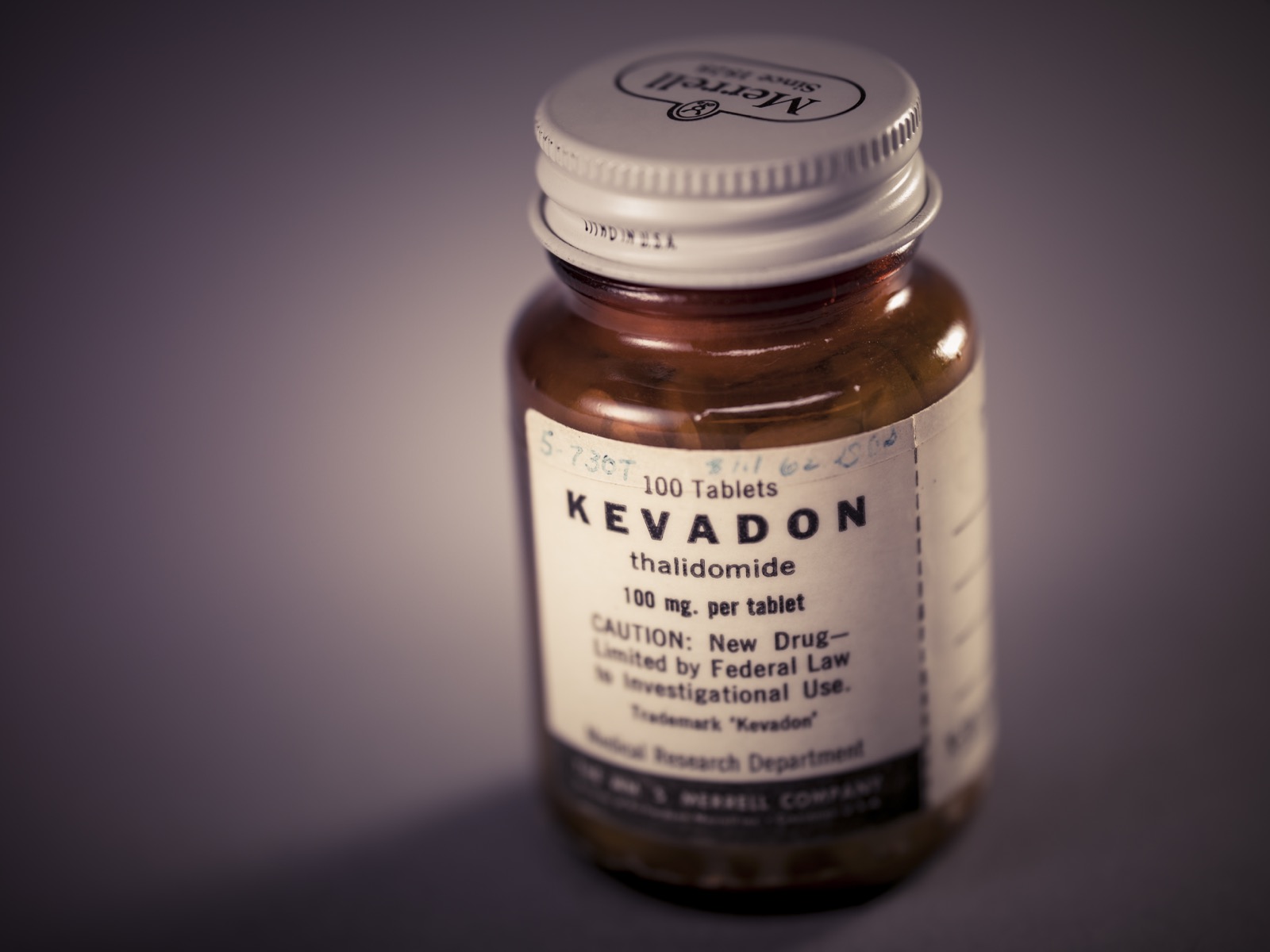
It was sold as the safest drug imaginable. Thalidomide — marketed as Contergan in West Germany, Distaval in Britain, Neurosedyn in Sweden, and Kevadon in North America — was a sedative and sleeping pill that the German company Grünenthal advertised as so harmless it was impossible to take a fatal overdose, suitable even for children, and, crucially, safe for pregnant women suffering morning sickness. None of it had been properly tested for what it did to a developing fetus, because in the late 1950s almost no one tested for that at all. Between 1957 and 1961 the drug was sold in dozens of countries, and as it spread, something terrible began to appear in maternity wards: babies born with limbs shortened or missing entirely — hands attached at the shoulder, the condition doctors called phocomelia — along with damage to ears, eyes, hearts, and internal organs. By the time the cause was identified and the drug pulled from shelves in late 1961, roughly ten thousand children worldwide had been born with thalidomide injuries, and thousands more had died before or shortly after birth. The United States was very nearly spared entirely, because of one woman: Frances Oldham Kelsey, a new reviewer at the Food and Drug Administration who, against sustained pressure from the manufacturer, simply refused to approve it. The thalidomide disaster destroyed the comfortable assumption that a drug on the market must be safe, broke the makers' long resistance to accountability, and forced governments to rebuild the entire system by which medicines are tested and approved. This is the story of how it happened, who stopped it, and what it changed.