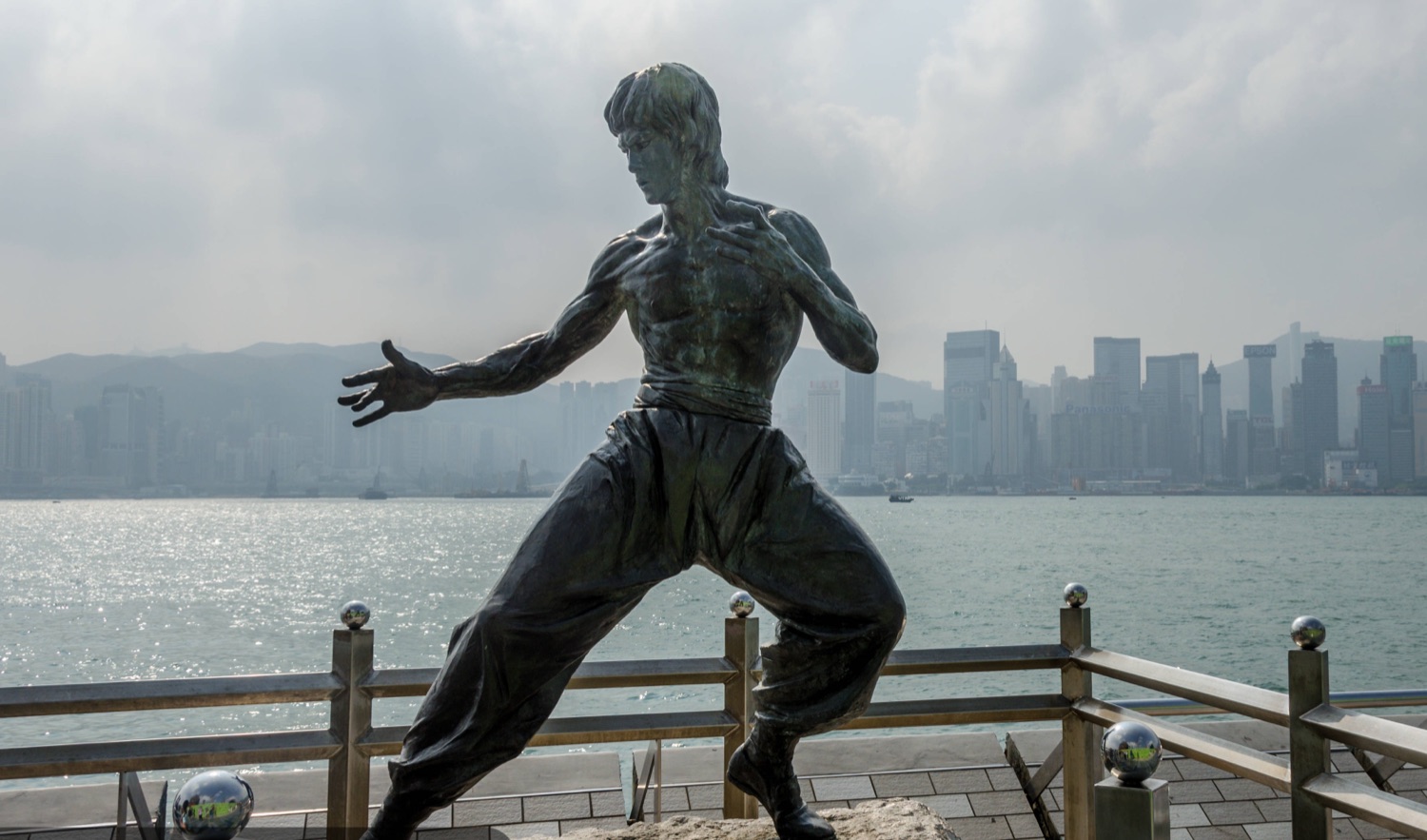
On the evening of 20 July 1973, Bruce Lee — the martial artist, actor, and philosopher who had done more than anyone to bring kung fu to the world, and who stood on the very threshold of global superstardom — lay down in a Hong Kong apartment with a headache and never woke up. He was thirty-two years old, extraordinarily fit, and weeks away from the release of Enter the Dragon, the film that would make him an immortal icon. His sudden death at the height of his powers stunned the world and seemed, to many, impossible: how could a man who embodied physical perfection simply die of a headache? A coroner's inquest concluded that he had died of a swelling of the brain — cerebral oedema — most likely triggered by a reaction to a common painkiller, and returned a verdict of 'death by misadventure.' But that clinical answer has never satisfied everyone, and in the vacuum of certainty a thicket of theories has grown: that he was murdered by rival martial artists or organised crime, that he fell to an ancient family curse later 'confirmed' by the freak death of his son, that some exotic 'death touch' had felled him. The medical reality is at once more mundane and more genuinely uncertain than any of these. This is the story of the death of Bruce Lee — of what the evidence shows, what remains unknown, and why the legends persist.
Assassinations & Disappearances
1973