MYSTERY
Roanoke: The Lost Colony and the Word Carved in the Post
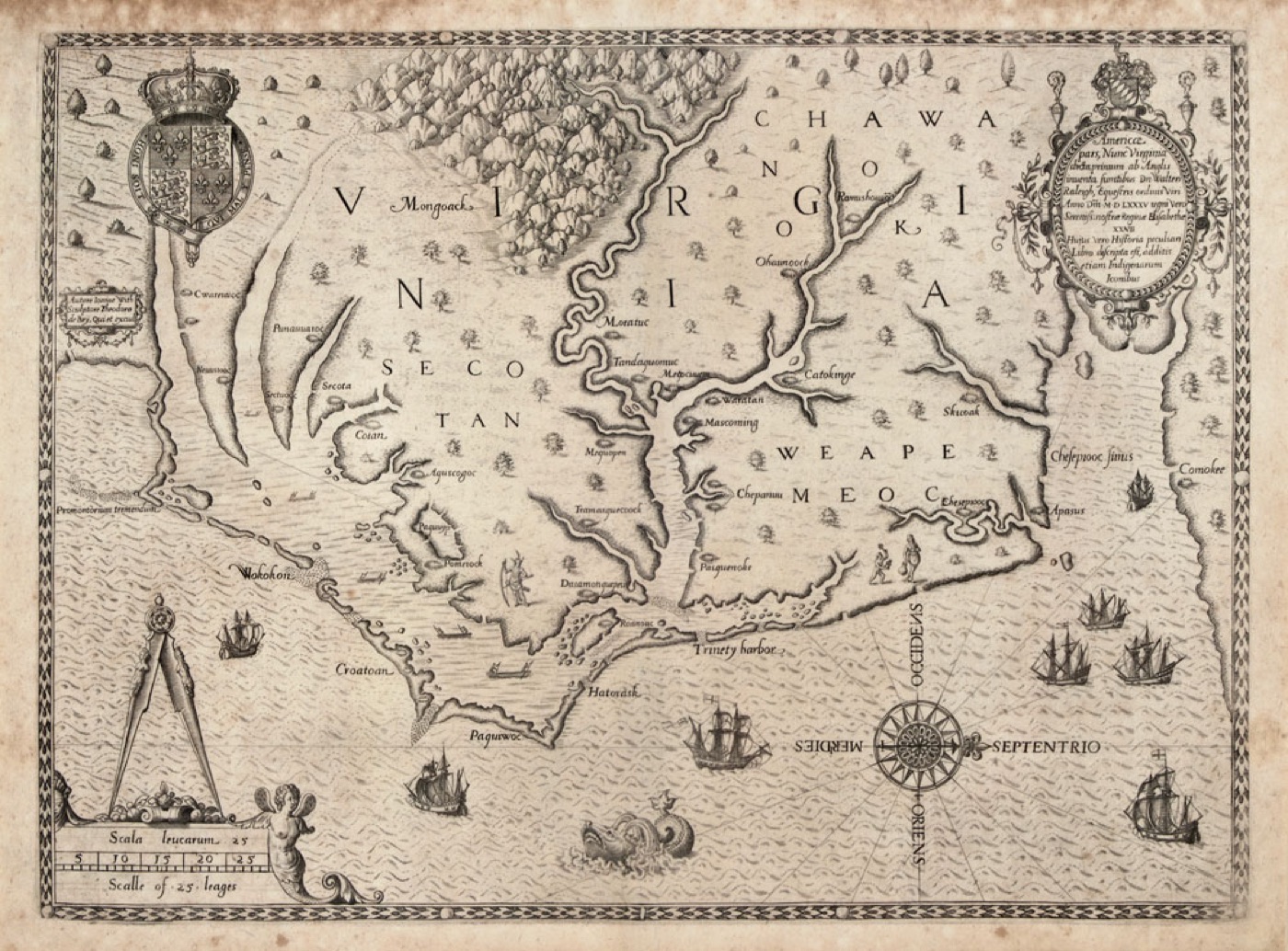
In 1587, more than a hundred English men, women, and children were left on Roanoke Island, off the coast of what is now North Carolina, to build the first permanent English settlement in the Americas. They were a civilian colony, families intending to make new lives, sponsored by Sir Walter Raleigh and governed by an artist named John White, whose own daughter and infant granddaughter — Virginia Dare, the first English child born in the New World — were among them. Soon after their arrival, beset by hardship and conflict, the colonists persuaded White to sail back to England for supplies and reinforcements. He intended to return within months. Instead, war with Spain and the crisis of the Armada kept him from crossing the Atlantic for nearly three years. When White at last set foot on Roanoke again in August 1590, on what would have been his granddaughter's third birthday, the colony was gone. The houses had been taken down in orderly fashion, the site enclosed by a palisade, and there was no sign of the people — no bodies, no battle, no clear distress. The only clue was a single word, carved into one of the posts: CROATOAN, the name of a nearby island and of the friendly Native people who lived there. White took it as a message that the colonists had relocated, but a storm prevented him from sailing to find them, and he was forced to leave without ever learning their fate. He never saw his family again. For more than four centuries the disappearance of the Roanoke colonists has been one of the most haunting mysteries in American history. This is the story of the Lost Colony and the word carved in the post.
Ancient & Historical Mysteries
1590