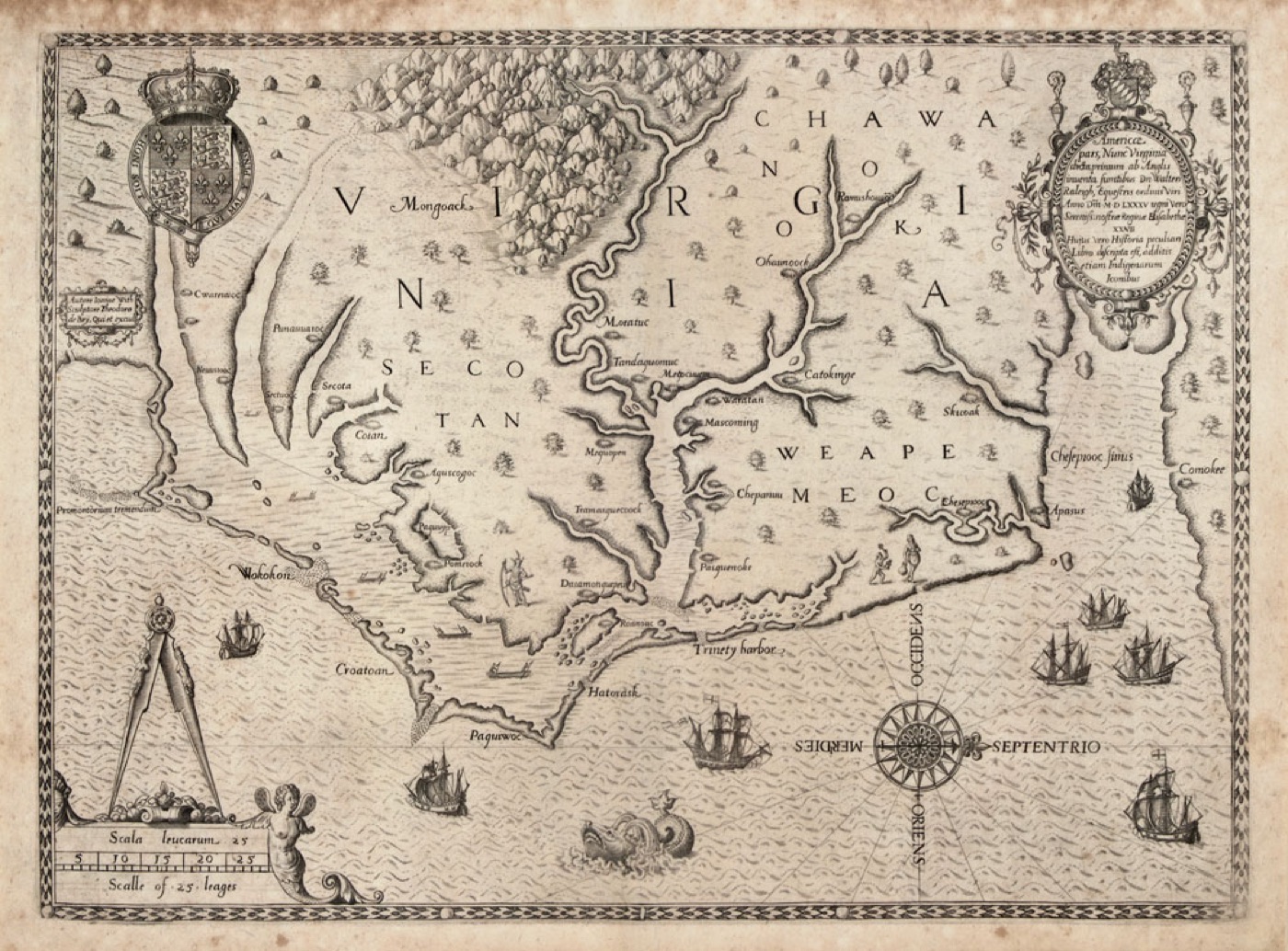
Theodor de Bry's map of the coast of Virginia (1585–86), showing Roanoke Island and the treacherous Outer Banks. Here, on this remote and storm-battered coast, more than a hundred English colonists were left in 1587 — and vanished. Wikimedia Commons / Public domain.
Roanoke: The Lost Colony and the Word Carved in the Post
United States, 1587–1590 — More than a hundred English colonists vanished from an island off the American coast, leaving only a single word carved into a post: CROATOAN. When their governor finally returned after three years, they were gone — and their fate has never been settled
- Category
- Ancient & Historical Mysteries
- Published
- Length
- 3,650 words · 19 min read
- Author
- The editors
The Lost Colony of Roanoke holds a singular place in American imagination: it is the country's founding mystery, the eerie blank at the very beginning of English settlement, a colony that simply vanished and left a one-word riddle behind. Over the centuries it has gathered around itself a thick growth of legend, romance, and sensational theory, so that the actual events can be hard to see through the myth. But the documented facts of Roanoke are remarkable enough on their own, and the likeliest explanation of the colonists' fate, while it lacks the drama of the wilder stories, is in its way more poignant: not a supernatural disappearance but a quiet absorption into a world the colonists could not conquer. This is a mystery best approached by separating carefully what is known from what is merely imagined.
This is the story of the colony that vanished.
Raleigh's Virginia
The Roanoke ventures were part of England's first serious effort to plant colonies in North America, and they were the project of Sir Walter Raleigh, the courtier, soldier, and adventurer who was a favorite of Queen Elizabeth I. In 1584, Elizabeth granted Raleigh a charter to explore and colonize lands in the New World not already held by a Christian monarch, and the territory was named Virginia in honor of the unmarried "Virgin Queen." It was an age of intense rivalry with Spain, whose American empire was pouring wealth into its treasury, and an English foothold in North America promised both riches and a base from which to harass Spanish shipping.
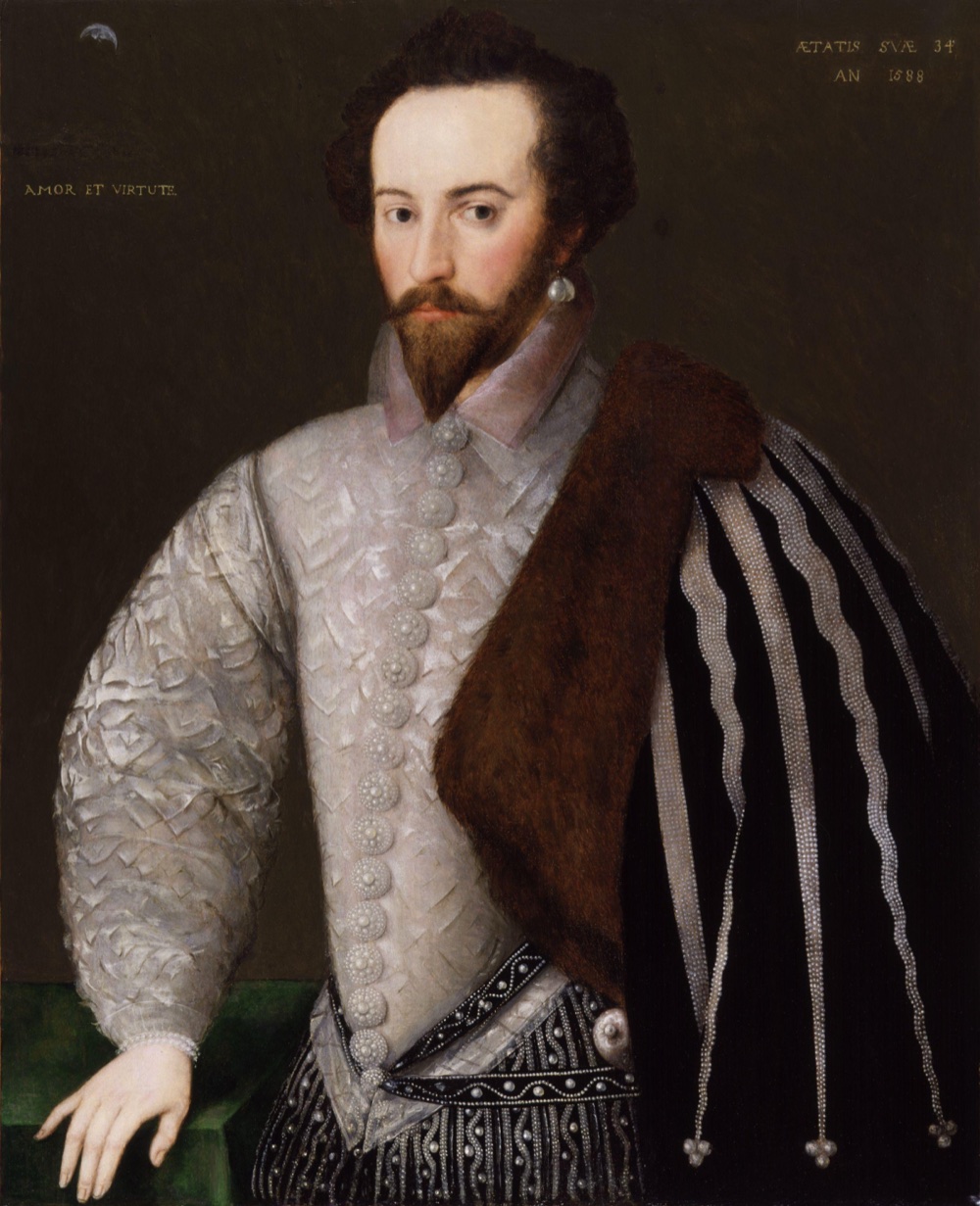
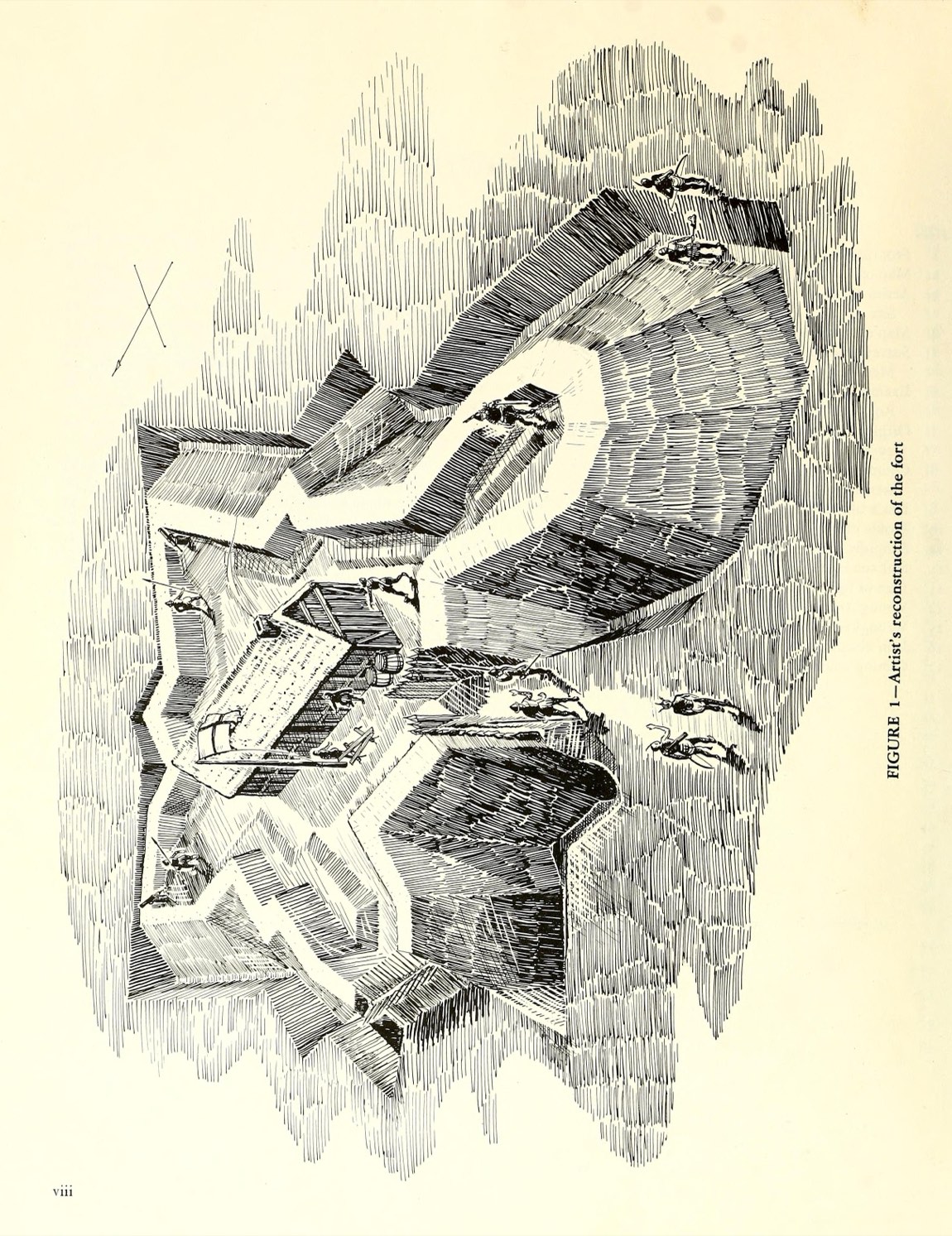
Raleigh's first attempt, in 1585, established a colony on Roanoke Island, but it was conceived largely as a military and exploratory outpost, manned by soldiers. Beset by dwindling supplies and by worsening conflict with the local Native peoples — relations the English had themselves poisoned through high-handedness and violence — the colonists abandoned the settlement and sailed home with the privateer Sir Francis Drake in 1586. That first failure taught hard lessons, and for his next attempt Raleigh planned something different: not a garrison but a genuine settlement of families, intended to put down roots and sustain itself.
It is worth remembering how early all of this was. Roanoke came two decades before Jamestown, the 1607 settlement usually remembered as the first permanent English colony in America, and more than thirty years before the Pilgrims landed at Plymouth. These were England's very first, fumbling attempts to gain a foothold on a continent it barely understood, mounted on a shoestring from across a vast and dangerous ocean, dependent on a handful of small ships and on the goodwill of Native peoples whose land it was. The wonder, in a sense, is not that Roanoke failed but that anyone expected it to succeed; the colony was a tiny, isolated outpost at the far edge of the known world, and the thin thread of supply connecting it to England was easily cut. When the Armada severed that thread, the colonists were left utterly on their own.
The colony of 1587
The 1587 expedition was led by John White, an artist and veteran of the earlier voyages, whose extraordinary watercolors of the New World and its Native inhabitants are among the most precious records of early contact. White was now appointed governor of the new "Cittie of Raleigh," and he brought with him a colony of roughly one hundred and fifteen people — men, women, and children, including his own pregnant daughter Eleanor and her husband. They intended to settle not on Roanoke but farther north on the Chesapeake; for reasons that remain unclear, however, the ships' commander left them at Roanoke instead, and there they had to make their stand.
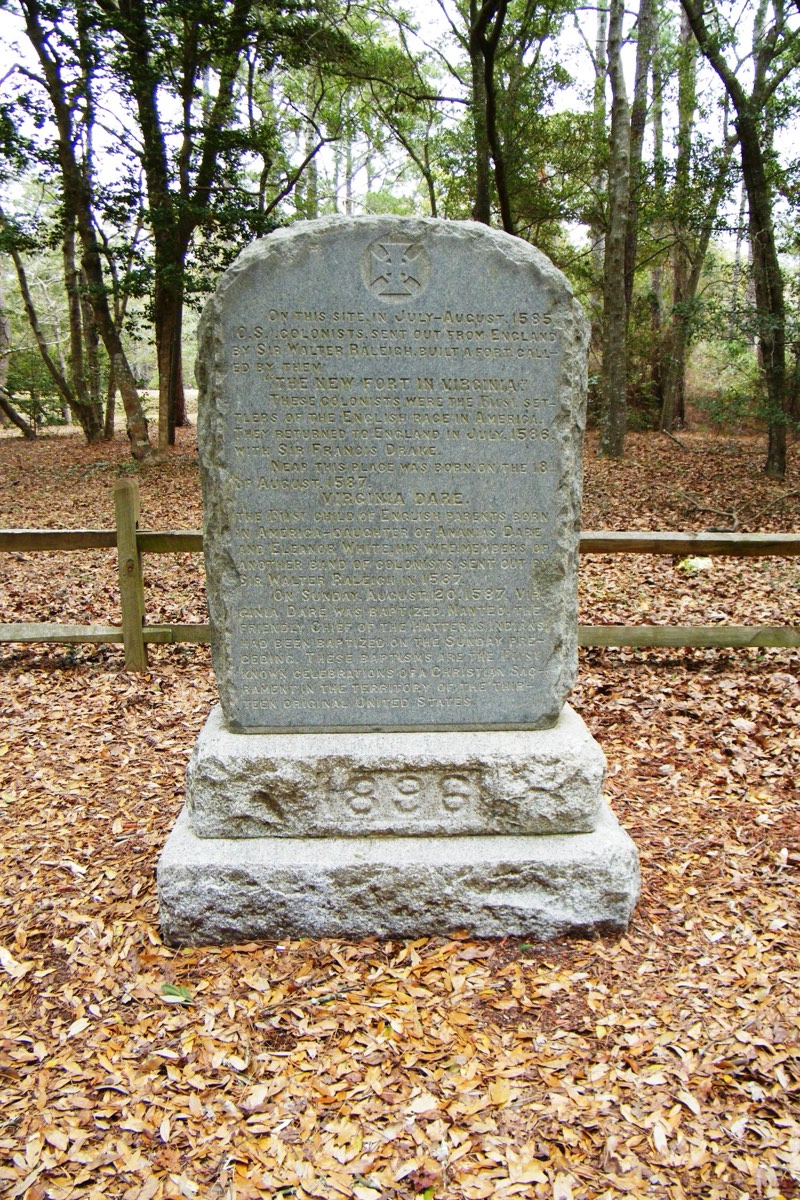
The colony's situation was precarious from the start. Relations with most of the surrounding Native peoples were hostile, poisoned by the violence of the earlier expedition, and one colonist was killed soon after the landing. The settlers had one important friend — Manteo, a Native man of the Croatoan people who had traveled to England and allied himself with the English — but they were few, ill-supplied, and surrounded by a world they did not understand. Amid this hardship came a moment of hope: on 18 August 1587, Eleanor Dare gave birth to a daughter, Virginia Dare, the first child born to English parents in the Americas, a symbol ever after of the colony and its fate.
Recognizing how desperate their position was, the colonists prevailed upon White to return to England himself to plead for the supplies and reinforcements on which their survival depended. He was reluctant to leave his family, but his standing made him the natural envoy, and late in 1587 he sailed for England, expecting to return within months. He could not have imagined how long it would be.
The long delay
White's timing could hardly have been worse. England in 1588 was plunged into the climax of its war with Spain, facing the threat of invasion by the Spanish Armada, and the Crown commandeered every seaworthy ship for the nation's defense. A man trying to organize a relief voyage to a small colony across the Atlantic found himself at the back of every queue. White struggled for months and then years to arrange passage back to Roanoke, his efforts repeatedly frustrated by the war, by the priorities of his backers, and by simple misfortune; an attempt to sail in 1588 was turned back. All the while, his family and the colonists waited on the far side of the ocean, their supplies dwindling, with no way to know why no help came.
The empty fort and the carved word
When John White finally crossed the Atlantic and reached Roanoke in August 1590 — by a poignant coincidence, around the time of his granddaughter's third birthday — he found the colony deserted. What he discovered was strange and, in its details, oddly reassuring and disturbing at once. The settlement had not been destroyed: the houses had been taken down, dismantled in an orderly way rather than burned or wrecked, and the area had been enclosed with a palisade of logs, as if fortified. There were no bodies, no signs of a massacre, no graves. The colonists were simply gone, and they had evidently left deliberately and with time to prepare.
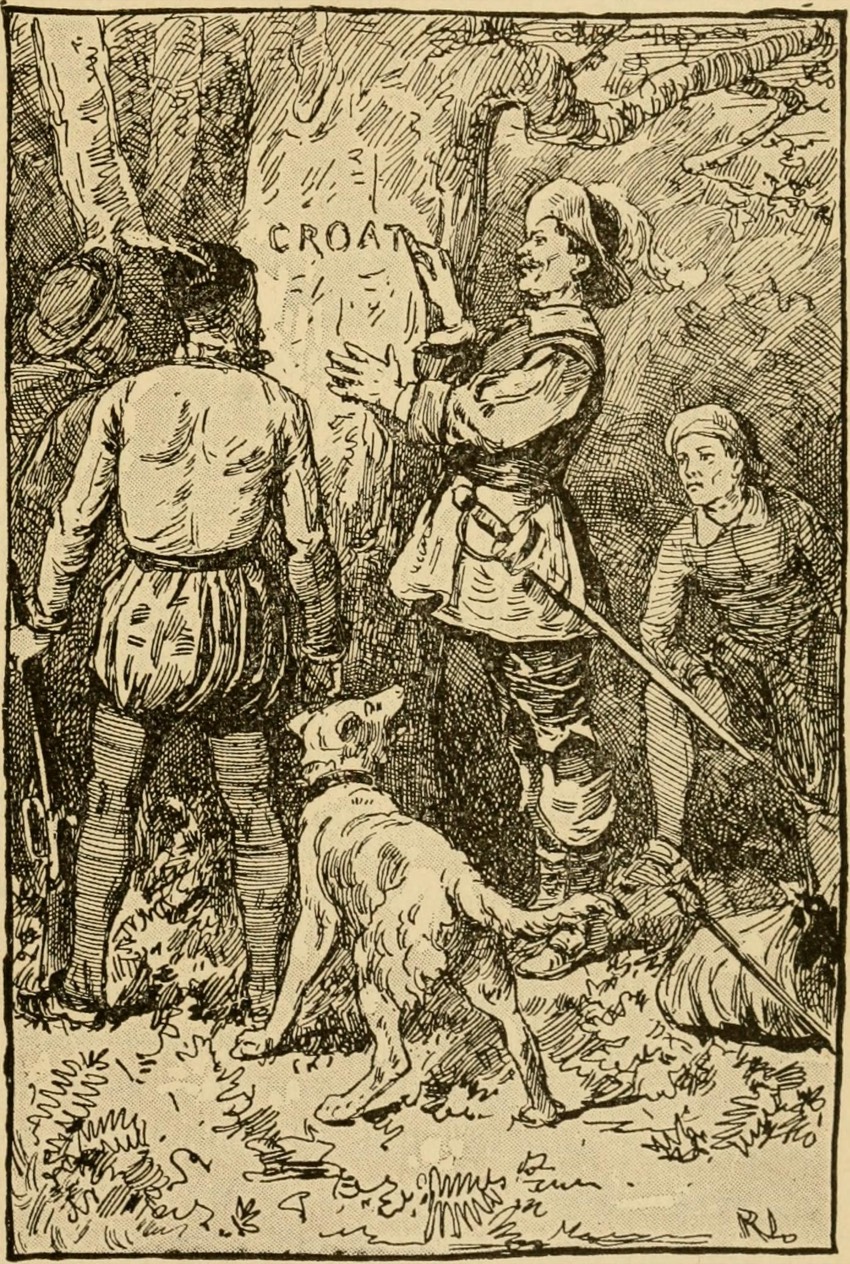
The one clear message was the carving. On a post of the palisade, the colonists had carved a single word in capital letters: CROATOAN. On a nearby tree, the letters CRO were cut. Croatoan was the name of an island to the south — modern Hatteras Island — and of the Native people who lived there, the people of Manteo, the colony's one reliable ally. And there was a crucial additional detail. Before White had left, he and the colonists had agreed on a signal: if they were forced to leave under duress or in distress, they would carve a Maltese cross as a sign of trouble. There was no cross. The absence of the distress signal, together with the orderly dismantling of the settlement, strongly suggested that the colonists had not been driven out by attack or catastrophe but had relocated, deliberately and without emergency, to Croatoan.
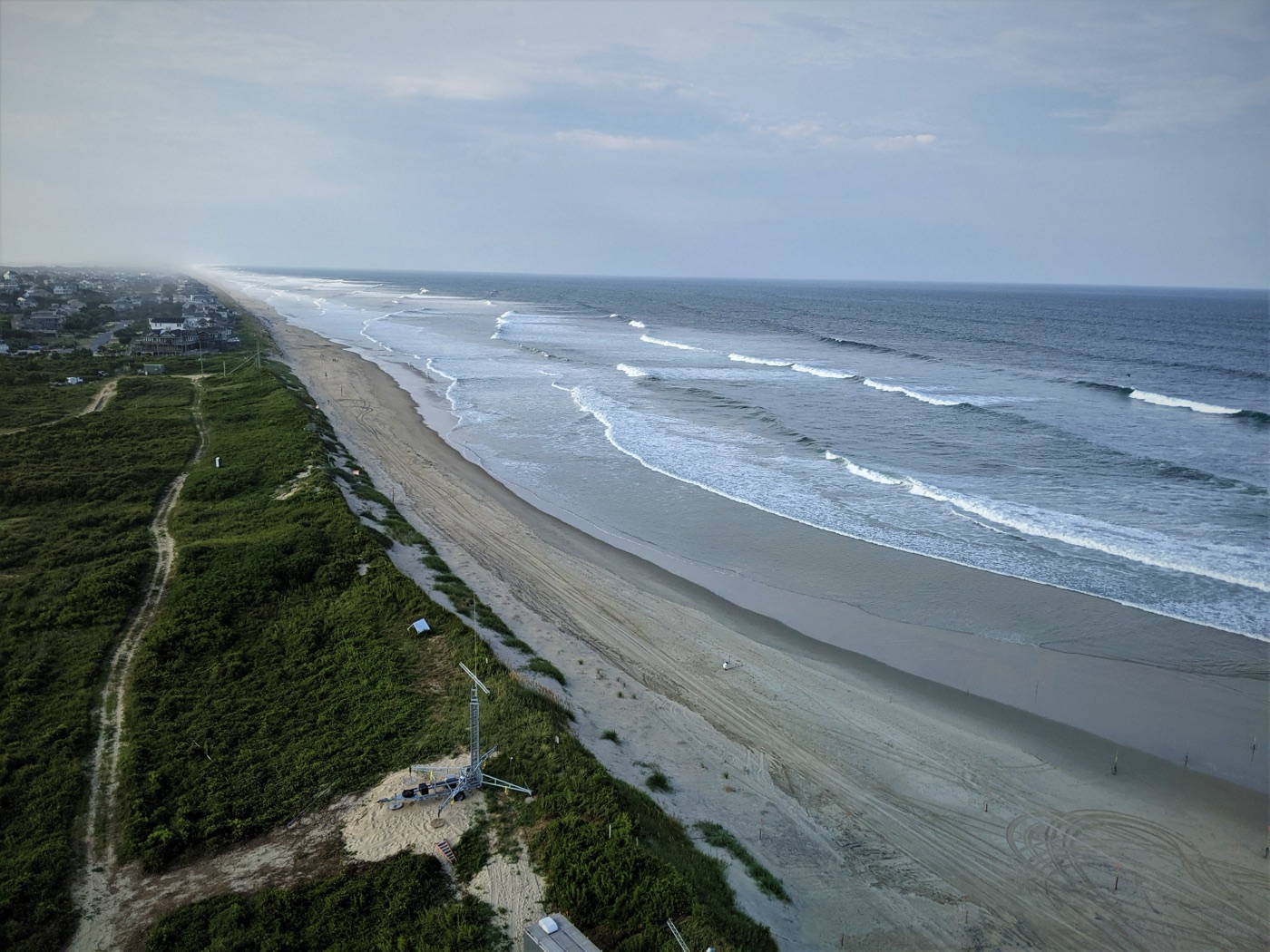
White was, by his own account, relieved as well as anxious; the carving told him where his family had likely gone. He prepared to sail the short distance to Croatoan Island to find them. But the weather turned against him. A fierce storm battered his ships, damaged his anchors, and made the dangerous waters of the Outer Banks impassable, and his crews — sailors with their own priorities, low on supplies — would not or could not press on to Croatoan. White was forced to abandon the search and sail back across the Atlantic, agonizingly close to his family but unable to reach them. He never returned to the New World, and he never learned what had become of his daughter, his granddaughter, and the colony he had governed. He died in England some years later without an answer.
What happened to them?
If the most natural reading of the evidence is correct, the colonists relocated to Croatoan Island and were taken in by Manteo's people, where, over time, they would have assimilated — intermarrying, adopting Native ways, and disappearing as a distinct English community into the larger Native world. This explanation, favored by many historians, fits the physical evidence and the colonists' likely options, and it is supported by tantalizing later hints: reports over the following centuries of Native communities in the region with gray or light eyes, English-seeming words or customs, and oral traditions of European ancestors. The Lumbee and other peoples of the Carolinas have long been associated, in tradition and speculation, with descendants of the Lost Colony, though firm proof has remained elusive.
Other possibilities cannot be ruled out, and the colonists may not have all shared a single fate. They had earlier discussed moving some fifty miles inland, and some may have gone to the mainland and joined — or been destroyed by — other Native peoples there. Years later, during the Jamestown era, there were reports that the powerful chief Powhatan claimed to have killed a group of people who may have been Roanoke survivors, though this account is secondhand and contested. Modern archaeology has added intriguing fragments: excavations at a site near the head of Albemarle Sound, and on Hatteras Island, have turned up English artifacts of the right period that some researchers interpret as evidence of where colonists ended up — possibly indicating that the colony split, with different groups going to different places. None of this has produced a conclusive answer, and the case officially remains unsolved.
The continuing archaeological effort has become its own slow detective story. Because Roanoke Island has been heavily eroded and built over, and the original settlement site partly lost to the sound, hard physical evidence of the colonists has been frustratingly scarce. But researchers have pursued the trail in two directions that match the documentary clues. On Hatteras Island — the Croatoan of the carving — excavations have recovered English objects mingled with Native artifacts in ways that some interpret as signs of colonists living among the Croatoan people. And at a site inland near Albemarle Sound, investigators following a hidden detail on one of John White's own maps — a fort symbol concealed beneath a patch on the parchment — found English-made artifacts suggesting that at least some colonists may have moved there. The picture that tentatively emerges is not of a single vanishing but of a colony that divided and dispersed into the surrounding Native world, exactly as a scattered, assimilating community would. None of it is yet conclusive, but it steadily reinforces the mundane explanation over the sensational ones.
The myth and the truth
In the end, Roanoke endures as the founding mystery of English America — a colony of more than a hundred people that stepped off the page of history and left a single word behind. The likeliest explanation is not the stuff of nightmares but of quiet absorption: a failing settlement that moved to live among the one Native people who would have it, and dissolved over the generations into a world the English could not yet master. What keeps the mystery alive is not that the colonists vanished inexplicably, but that the proof of where they went was lost in a storm off the Outer Banks, and that the man who carved the question into history — John White, returning to an empty fort and a word in a post — went to his grave without the answer. CROATOAN was not a riddle but a message; the tragedy of Roanoke is simply that it was never delivered. The colonists most likely did not disappear at all. They walked into the American story and became part of it, in a way no one was ever able to trace.
Inspired this / based on it
Karen Ordahl Kupperman
Rowman & Littlefield. A scholarly account of the colony and its fate.
Paul Green
A long-running outdoor symphonic drama performed at Roanoke Island since 1937.
Filed under
- #roanoke-1590
- #lost-colony
- #croatoan
- #john-white
- #virginia-dare
- #walter-raleigh
- #colonial-america
- #unsolved-mystery
- #1500s
- #mystery
Click any tag for every article carrying it.
Continue reading
The Mary Celeste and the Ship That Sailed Itself
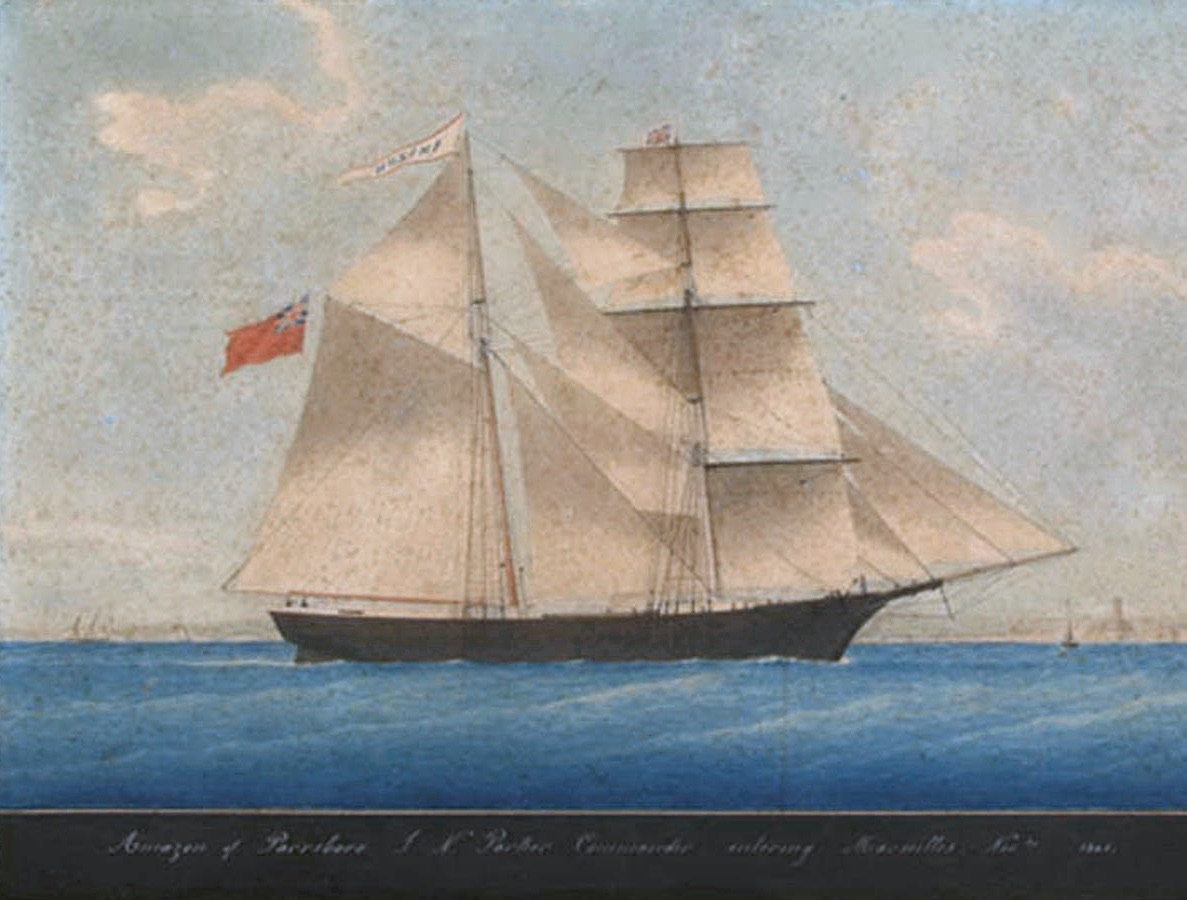
On December 5, 1872, the crew of the British brigantine Dei Gratia, several hundred miles west of Portugal, sighted another two-masted ship moving strangely across the swell — sails partly set, yawing as if no one had the helm. They closed on her, hailed her, got no answer, and sent a boarding party across. The ship was the Mary Celeste, an American merchant brigantine that had left New York a month earlier bound for Genoa with a cargo of industrial alcohol, and she was deserted. There was no one at the wheel and no one below; there was no sign of violence, no sign of robbery, no disorder beyond what a few days of unattended sailing would explain. The cargo sat almost untouched in the hold. There was ample food and fresh water. The crew's oilskins and boots and pipes were still where they had been left, and the captain's wife had left behind her harmonium and her child's toys. The ship was seaworthy and could have sailed on for months. But the ten people who had been aboard — Captain Benjamin Briggs, his wife Sarah, their two-year-old daughter Sophia, and seven crew — were gone, and so was the ship's single lifeboat, a small yawl that appeared to have been deliberately launched. No trace of any of them was ever found. The Mary Celeste became, and has remained, the most famous mystery in the history of the sea: not a wreck, not a massacre, but a sound ship abandoned in calm circumstances by people who had every reason to stay aboard. This article reconstructs what was actually found, what the Gibraltar inquiry made of it, and which of the many explanations — the credible and the lurid — best fits the strange, orderly emptiness of the ship that sailed itself.
The Voynich Manuscript
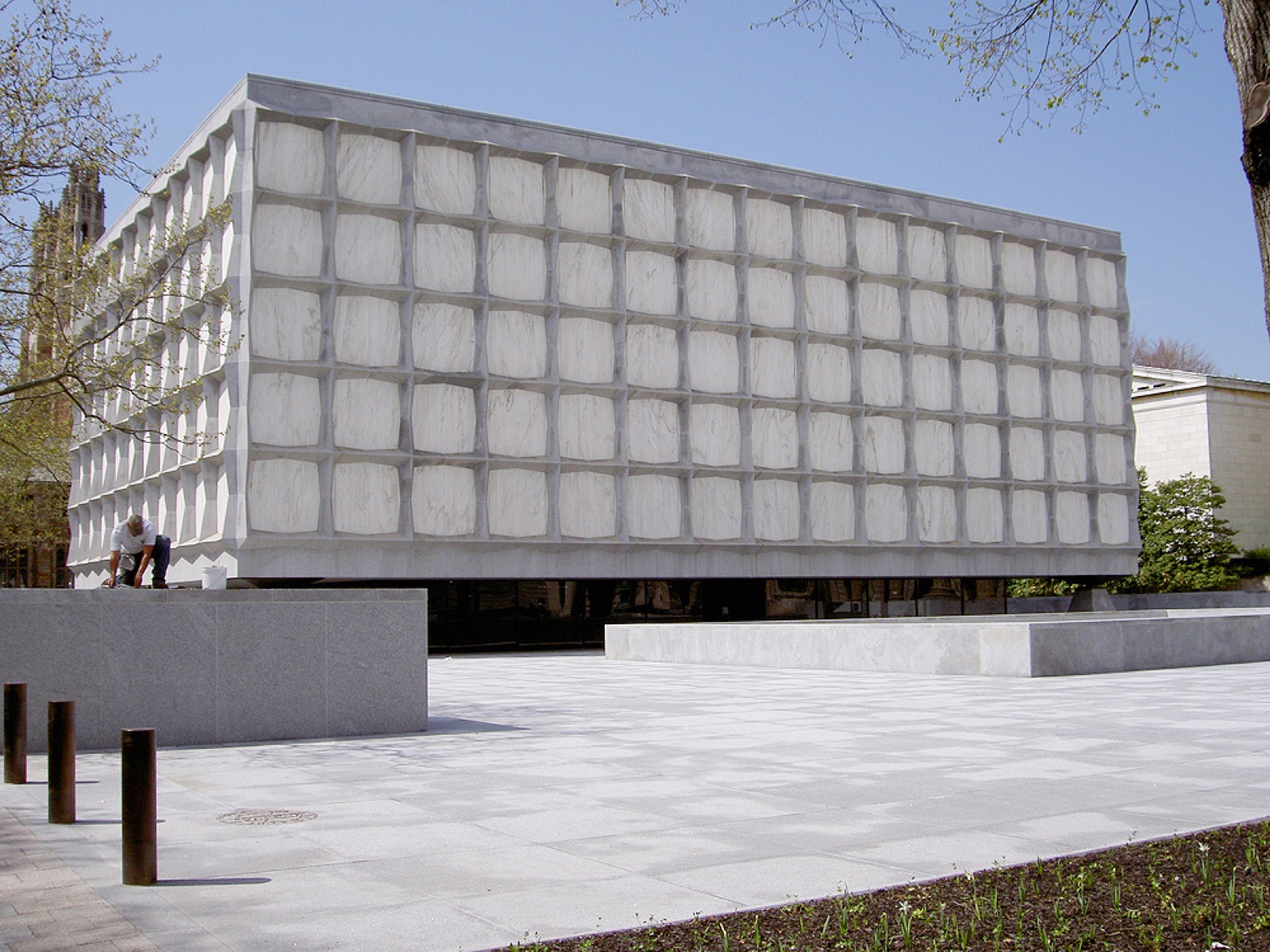
Sometime between 1404 and 1438 — the period to which the University of Arizona's accelerator mass spectrometry laboratory carbon-dated four samples of its vellum in 2009 — someone, almost certainly in northern Italy, produced a 240-page illustrated manuscript in a script that no one before or since has been able to read. The codex is now held as MS 408 of the Beinecke Rare Book and Manuscript Library at Yale University. It is one of the most studied documents in existence. It has been examined by the leading cryptographers of two centuries — including the team at the U.S. Army's Signal Intelligence Service that broke Japanese diplomatic codes in 1940 — and by the leading natural-language statisticians and machine-learning researchers of the present generation. Every claimed decipherment, of which there have been several dozen, has been rejected by the broader academic consensus. The script — colloquially 'Voynichese' — exhibits statistical patterns that resemble those of natural human languages while corresponding to no known language. The illustrations are recognizably medieval in style but depict, in their botanical sections, plants that match no identified species, and in their balneological sections, scenes of small naked female figures in green pools connected by what appear to be plumbing systems. The manuscript surfaced in the historical record in 1639 (a letter from a Bohemian alchemist to the Jesuit polymath Athanasius Kircher), disappeared again, and re-emerged in 1912 when the Polish-American bookseller Wilfrid Voynich purchased it from a Jesuit college near Rome. It has been at Yale since 1969. The Beinecke made it freely downloadable in 2020. The case file is mathematical, philological, and codicological. It is open in every sense.
Dyatlov Pass
On the afternoon of February 1, 1959, a group of nine experienced Soviet ski-tourists — eight men and one woman, all between 20 and 38 years old, all members or alumni of the Ural Polytechnical Institute in Sverdlovsk (now Yekaterinburg) — pitched a four-pole canvas tent on the eastern slope of an undistinguished 1,079-meter mountain in the northern Urals named, in the Mansi language, Kholat Syakhl — 'Dead Mountain.' The group was led by 23-year-old Igor Dyatlov, a fifth-year radio-engineering student. The party had skied approximately 280 kilometers from the closest railway terminus over the prior nine days. Their planned summit, the following day, was the higher Otorten peak ten kilometers north. None of them reached it. When a search party located the abandoned tent on February 26, it had been cut open from the inside. Most of the group's clothing and equipment was still inside. The first three bodies — including Dyatlov — were found later that day, scattered along the slope below the tent, dressed only in underwear or light layers, none in proper outer clothing, none in their boots. Two further bodies were found nearer the tent over the following weeks. The final four bodies — including the only female member, Lyudmila Dubinina — were not located until May 4, 1959, in a snow-covered ravine approximately 1.5 kilometers downslope. Three of those four had massive internal trauma — equivalent in the words of the autopsy report to high-speed automobile-collision injuries — without corresponding external wounds. Two had missing soft tissue: Dubinina lacked her tongue and eyes. Some of the recovered clothing tested positive for elevated beta-particle radiation. The Soviet criminal investigation concluded in May 1959 that the deaths were caused by 'a compelling natural force which the hikers were unable to overcome.' The Russian Procurator-General's Office reopened the case in 2019 and concluded in July 2020 that the cause was a slab avalanche followed by hypothermia and disorientation. A 2021 computational study published in *Communications Earth & Environment* by Alpine snow scientists at EPFL Lausanne provided a quantitative mechanical model supporting the slab-avalanche conclusion. The case is closed in Russia. It is, in international public discussion, the most-debated cold-weather forensic mystery of the 20th century.