CONFIRMED
Henrietta Lacks and the Cells That Would Not Die
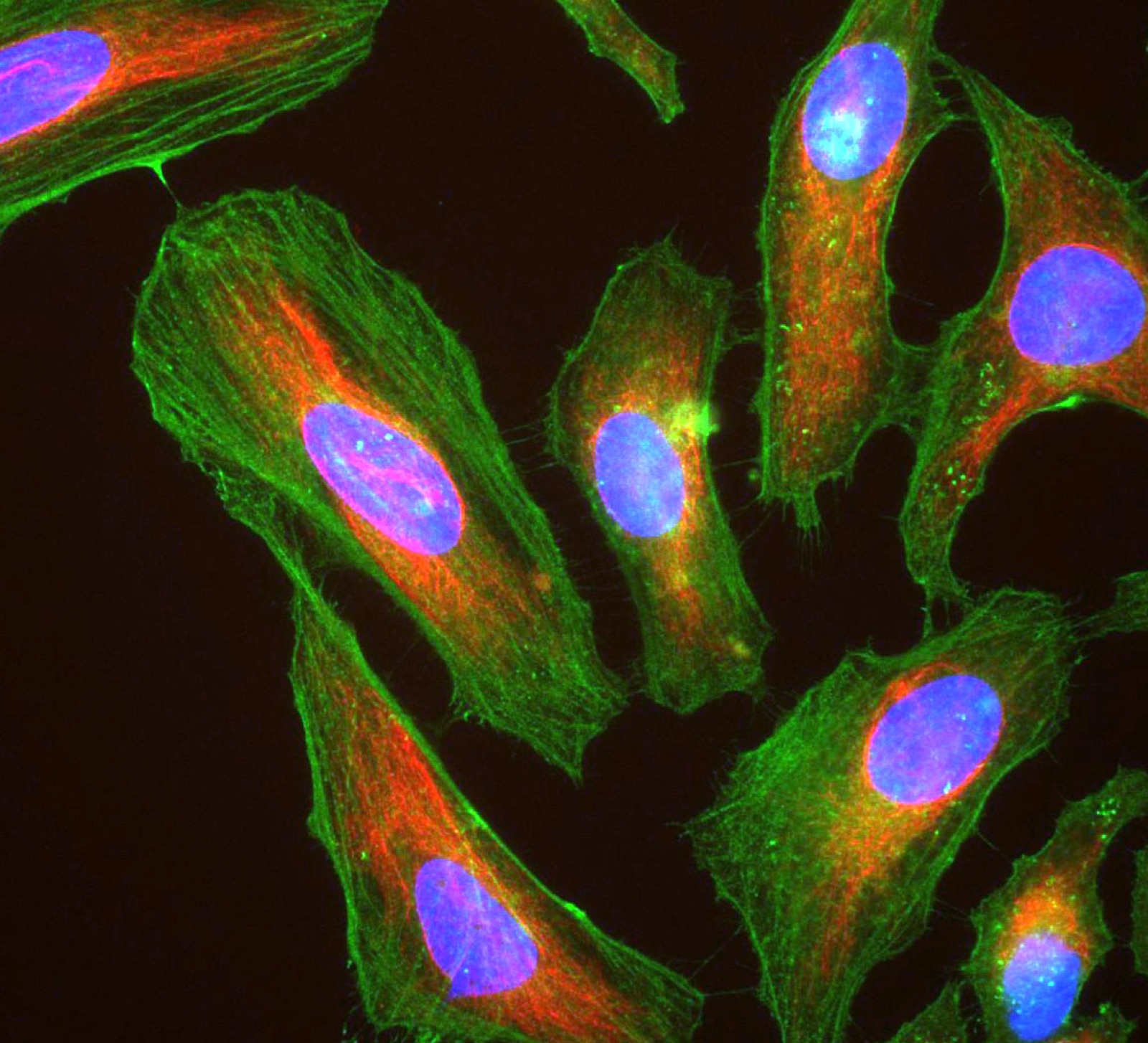
In the early months of 1951, a thirty-one-year-old Black woman named Henrietta Lacks went to the Johns Hopkins Hospital in Baltimore — one of the few hospitals in the segregated United States that would treat Black patients — with a cervical cancer that was killing her with frightening speed. During her treatment, a surgeon shaved two small samples from her cervix, one healthy and one cancerous, and sent them to a laboratory down the hall. No one asked Henrietta's permission, and no one told her; this was simply how things were done, especially to a poor Black patient in a charity ward. She died that October and was buried in an unmarked grave. But the cancer cells from that sample did something no human cells had ever reliably done before: they survived, and divided, and kept dividing, doubling every day, apparently without limit. They were the first immortal human cell line, and the scientist who grew them named them HeLa, after the first letters of her first and last names. Over the following decades those cells — descended from a woman almost no one knew anything about — would become one of the foundational tools of modern biology: used to develop the polio vaccine, to map the human genome, to test drugs and radiation and cosmetics, to study cancer and AIDS and the viruses that cause them, sent into space, and grown by the ton and sold around the world in a multi-billion-dollar industry. Henrietta's own family knew none of it for more than twenty years, received nothing, and in many cases could not afford the medicine her cells helped create. This is the story of the woman behind HeLa, of what was taken and what was built from it, and of a debt that the science of an era was structured never to pay.