CONFIRMED
Project Azorian: The CIA's Secret Salvage of a Soviet Submarine
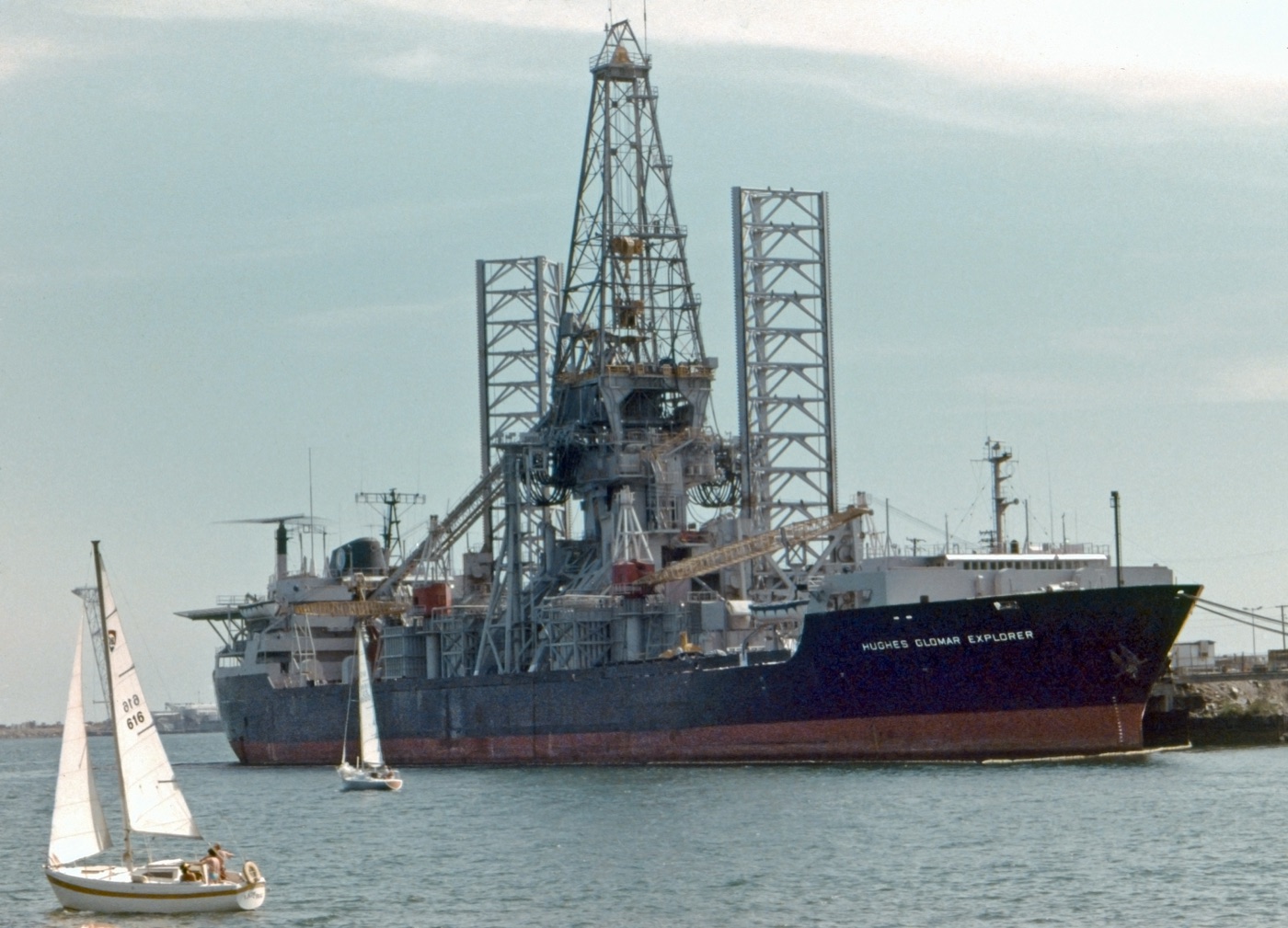
In 1968, a Soviet ballistic-missile submarine, the K-129, sank in the Pacific Ocean north of Hawaii, carrying its crew, its nuclear missiles, and its secrets to the bottom, nearly three miles down. The Soviets searched and failed to find it; the United States, using its network of undersea listening posts, located the wreck. And then the CIA conceived one of the boldest schemes in the history of espionage: to raise the submarine — or a large part of it — from a depth of some 4,900 meters, a feat of deep-sea salvage far beyond anything ever attempted, in order to seize the Soviet nuclear missiles, warheads, and, most tantalizingly, the code machines and cryptographic materials aboard. To do it in secret, the agency built a purpose-designed salvage ship equipped with an enormous mechanical claw, and hid the entire enterprise behind an elaborate cover story: that the vessel, the Hughes Glomar Explorer, belonged to the reclusive billionaire Howard Hughes and was mining valuable metals from the sea floor. In the summer of 1974, the ship attempted the impossible. It succeeded in lifting the submarine partway to the surface — before a portion broke off and fell back into the abyss. Exactly what was recovered remains, in part, classified to this day. And when journalists exposed the operation, the CIA's refusal to comment gave the world a phrase that has been with it ever since: that it could 'neither confirm nor deny.' This is the story of Project Azorian.