CONFIRMED
Unit 731
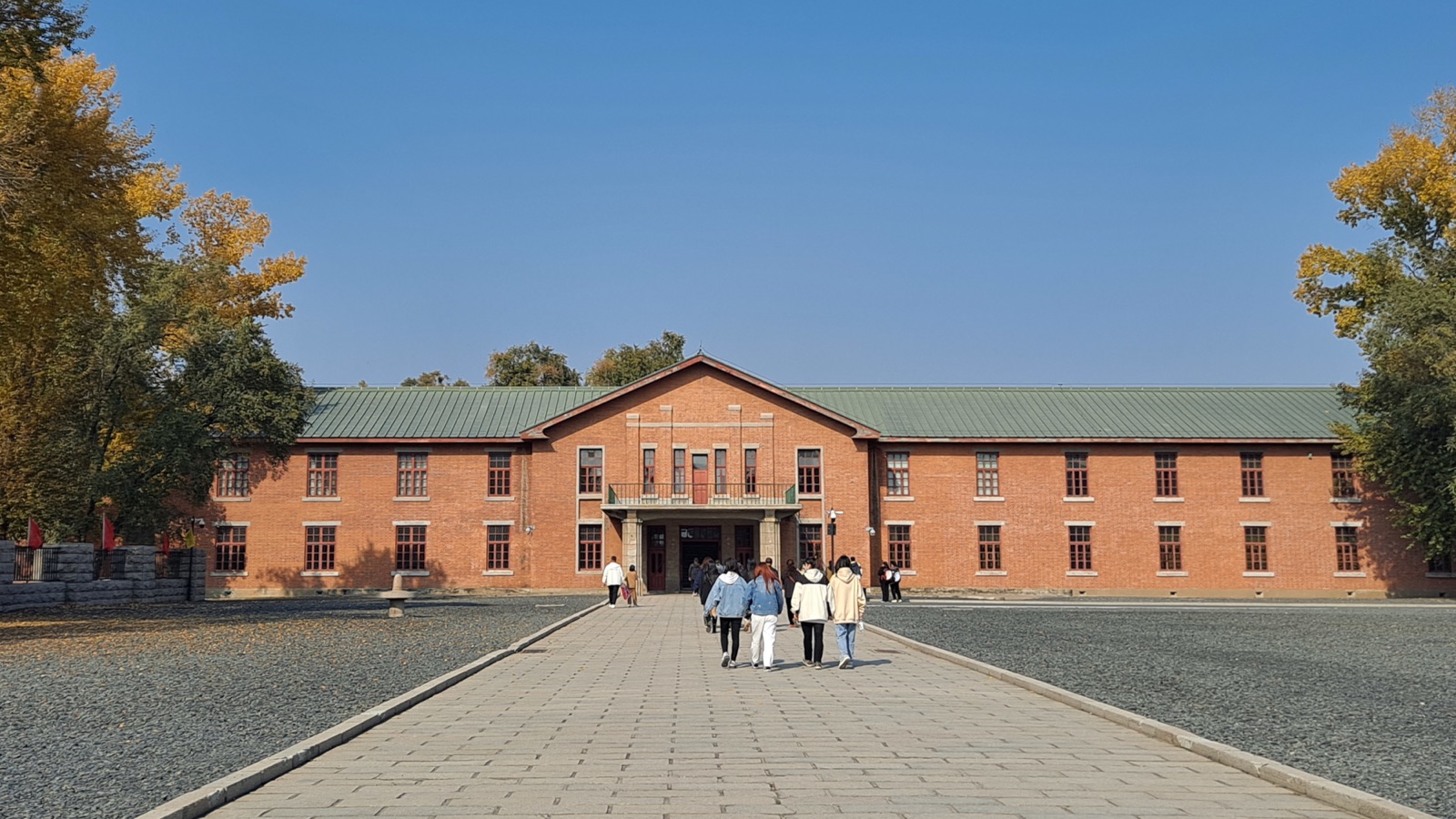
Between 1936 and 1945, the Imperial Japanese Army operated a 6-square-kilometer biological-warfare research compound at Pingfang, 24 kilometers south of the city of Harbin in Japanese-occupied Manchuria. The compound's bureaucratic designation was the *Epidemic Prevention and Water Purification Department of the Kwantung Army* — Unit 731 (七三一部隊, *Nana-san-ichi Butai*) was the unit number. Under its founding director, Surgeon General Shirō Ishii (1892-1959), Unit 731 conducted a sustained program of lethal medical experimentation on prisoners — primarily Chinese, but including Korean, Russian, and Allied POW subjects. The experiments included vivisection without anesthesia, deliberate frostbite induction and amputation, deliberate infection with plague, anthrax, cholera, typhus, and other pathogens, weapons-testing experiments using captured prisoners as targets, and field-testing of biological weapons on Chinese civilians in cities including Ningbo (1940) and Changde (1941). The total number of victims is contested; the most-cited estimates range from 3,000 to 12,000 direct experimental subjects plus a much larger number of Chinese civilians killed in field-deployment operations (estimates range from 200,000 to 580,000 across Chinese cities). When Soviet forces declared war on Japan in August 1945, Unit 731 personnel destroyed the Pingfang compound, killed the remaining ~400 prisoners, and escaped to Japan. Twelve Unit 731 staff were prosecuted at the 1949 Soviet Khabarovsk War Crime Trial; none were prosecuted at the 1946-1948 Allied International Military Tribunal for the Far East (the Tokyo Trials). General Ishii and his senior officers received explicit immunity from prosecution from U.S. occupation authorities under General Douglas MacArthur, in exchange for the surrender of Unit 731's research records and Ishii's personal cooperation. The U.S. Army declassification of approximately 100,000 pages of Unit 731-related material between 1999 and 2007 established the operational details of the immunity arrangement. The Japanese government did not formally acknowledge Unit 731 until 2002; it has not formally apologized.
State & Intelligence Operations
1936-1945