CONFIRMED
Venona: The Secret Code-Break That Exposed the Soviet Spies
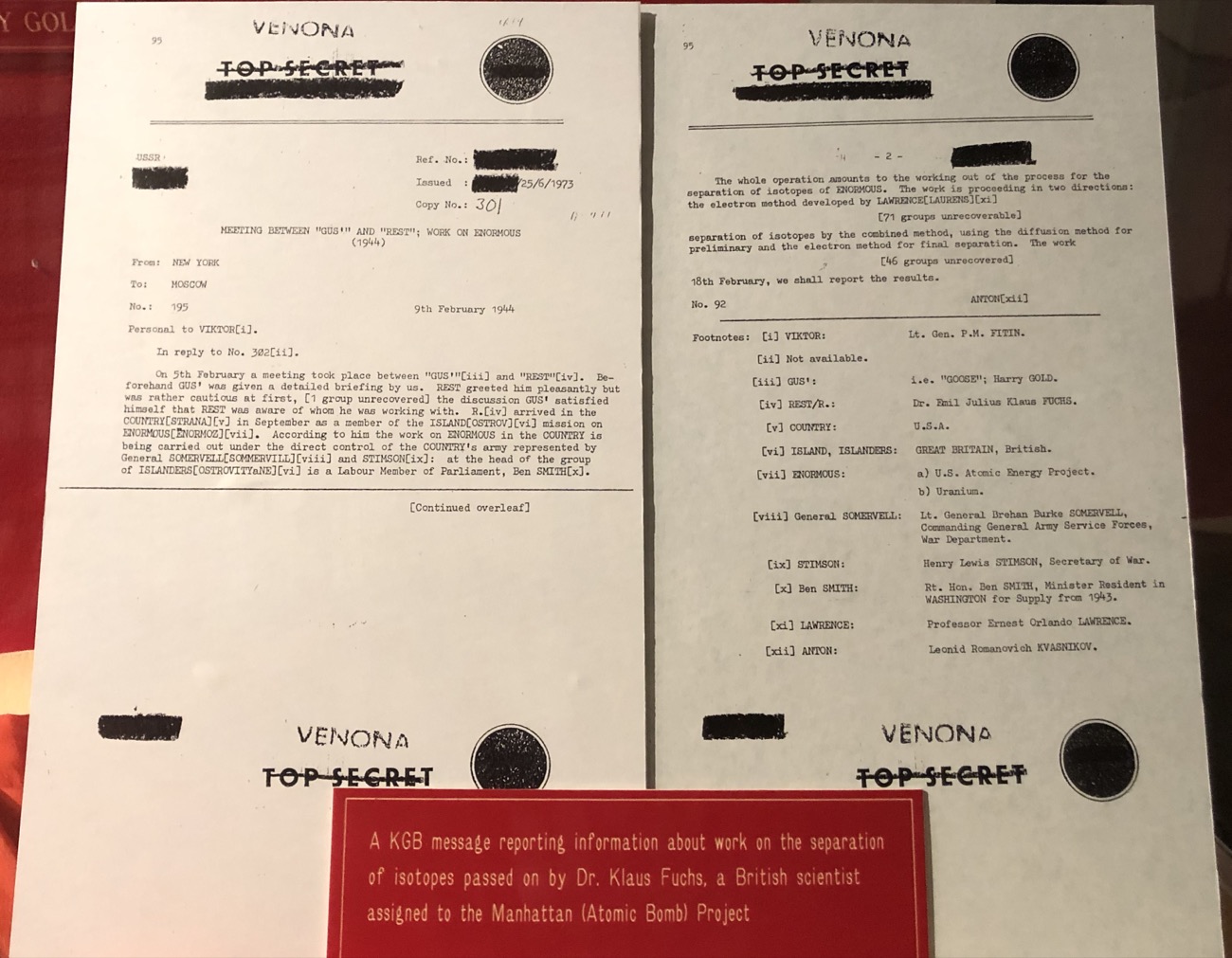
In February 1943, in a converted girls' school outside Washington, a small team of American codebreakers began an attack on a target almost everyone believed was hopeless: the enciphered cable traffic of Soviet intelligence. The Soviets encrypted their most secret messages using a one-time pad, a system that is, in theory, mathematically unbreakable — and the Soviet Union was, at that moment, an ally of the United States in the war against Hitler. Yet the project, later given the codename Venona, would become one of the most consequential intelligence operations of the twentieth century. Exploiting a wartime mistake by Soviet cipher clerks, who had reused pages of supposedly single-use pads, the American cryptanalysts slowly, painstakingly began to read the unreadable. What they found, message by fragmentary message across years of labour, was staggering: the Soviet Union had run a vast espionage campaign inside the United States during the war, with hundreds of sources reaching into the Manhattan Project that built the atomic bomb, the State Department, the Treasury, and the heart of the intelligence services of both America and Britain. Venona helped expose the atomic spy Klaus Fuchs, the ring around Julius and Ethel Rosenberg, and the British traitor Donald Maclean of the Cambridge Five. But the decrypts were guarded with such obsessive secrecy that they could not be used as evidence in open court, and for decades the government knew truths it could not prove and could barely speak. The project remained classified until 1995, when the release of its files rewrote the secret history of the early Cold War. This is the story of the code-break that saw into the heart of Soviet espionage, and of the silence that surrounded it for fifty years.