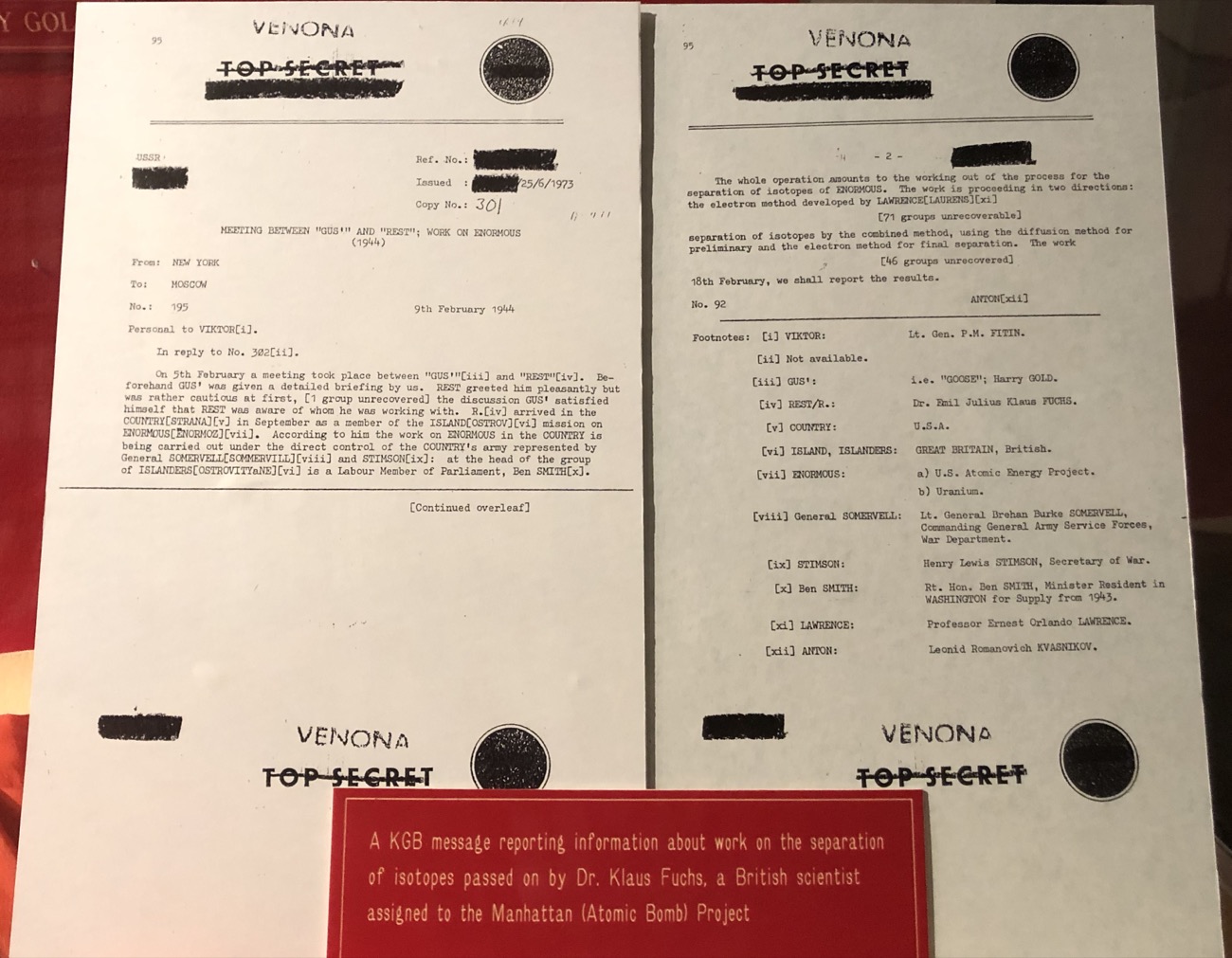
A declassified Venona decrypt. Pages like this — partial, annotated, painstakingly reconstructed from intercepted Soviet cables — exposed the scale of Soviet espionage in wartime America, including the theft of atomic secrets. Wikimedia Commons / Arnold Reinhold, CC BY-SA 4.0.
Venona: The Secret Code-Break That Exposed the Soviet Spies
United States and USSR, 1943–1980 — For decades, American codebreakers quietly read the secret cables of Soviet intelligence, unmasking the atomic spies and the moles inside the Western governments. The secret was so closely held it could never be shown in court — and stayed hidden for half a century
- Category
- Cold War Files
- Published
- Length
- 3,780 words · 20 min read
- Author
- The editors
The Venona project occupies a peculiar place in the history of the Cold War: it was simultaneously one of the most important intelligence successes ever achieved by the United States and one of its most jealously guarded secrets, so secret that for decades it could not influence the very events it illuminated. Venona proved, beyond any reasonable doubt, that Soviet espionage in wartime America had been real, deep, and damaging — a truth that the political combatants of the McCarthy era fought over bitterly while the actual evidence sat locked away, unusable, in a small government vault. To understand Venona is to understand both how much the secret state can know and how little, sometimes, it can do with what it knows.
This is the story of the code that read the secrets of the Kremlin.
The unbreakable cipher
To grasp what Venona achieved, one must understand what its codebreakers were up against. The Soviet Union protected its most sensitive communications with a one-time pad, and the one-time pad is the only encryption system ever devised that is provably, perfectly secure. The principle is simple. A message is combined with a string of truly random numbers — the "pad" — known only to the sender and receiver, and that random key is used exactly once and then destroyed. Because the key is random and never reused, the encrypted message contains no pattern for a codebreaker to find; the ciphertext could correspond to any message at all, and no amount of computing power or genius can recover the original. On paper, Soviet cable traffic was beyond reach.
But the perfection of the one-time pad depends entirely on a single discipline: that each page of random key is used only once. And here the pressures of war intruded. In the early 1940s, with its country fighting for survival and the demand for cipher material soaring, the Soviet organisation that manufactured the pads apparently could not keep up, and to meet the need it produced duplicate copies of some pad pages. The same "single-use" key was thus issued to more than one cipher office and used more than once. It was a small, human shortcut under desperate conditions — and it was the crack through which Venona would eventually pour.
Arlington Hall
The work was done at Arlington Hall, a former girls' finishing school in Virginia that the Army had requisitioned as the home of its Signal Intelligence Service. There was a deliberate logic to doing this work in the Army rather than leaving Soviet traffic to the diplomats or the budding civilian intelligence agencies: the fewer people who knew, the safer the secret, and the codebreakers trusted their own compartment above all others. That instinct for extreme compartmentalisation would define Venona for its entire life. The analysts who reconstructed the codebooks often did not know how their fragments would be used; the FBI agents who acted on the identifications were forbidden to reveal the source; and the circle of those permitted to know the program even existed stayed vanishingly small for decades. The Venona effort began modestly in February 1943, launched by a young former schoolteacher named Gene Grabeel, and for a long time it was a painstaking, almost thankless labour, sorting and analysing masses of intercepted Soviet cables that no one yet knew how to read. The cryptanalysts first had to discover the structural weaknesses, identify which messages shared duplicated key, and reconstruct the elaborate Soviet system of codebooks that sat beneath the encipherment.
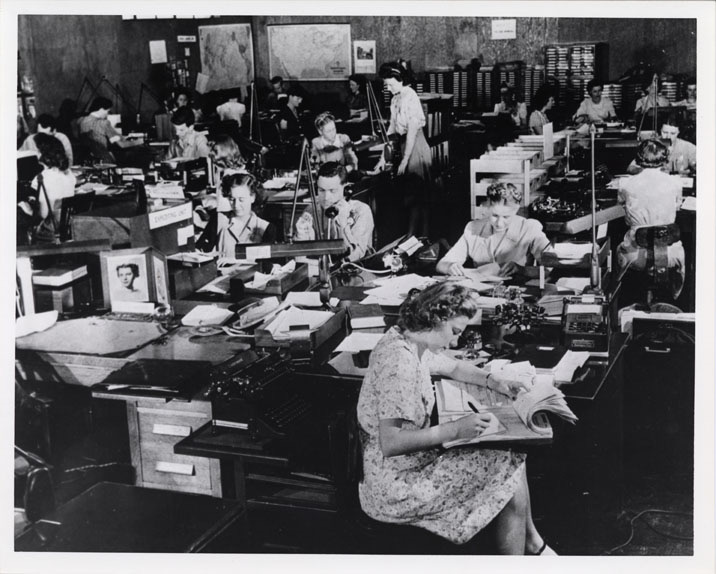
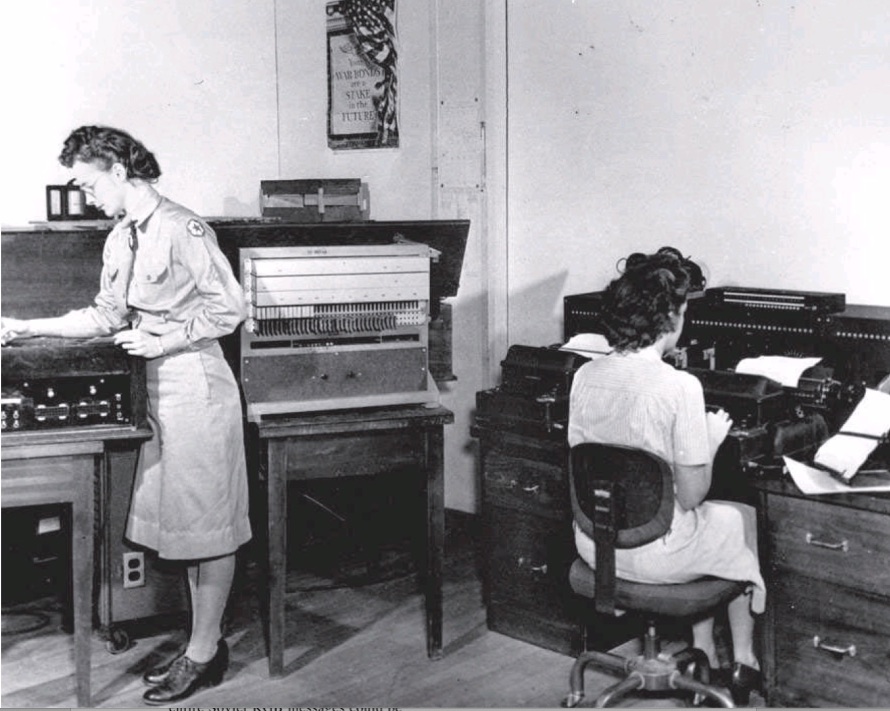
Much of this work, like much of American and British codebreaking in the era, was carried out by women. The Signal Intelligence Service had recruited large numbers of women — former teachers, mathematicians, and linguists — into its cryptologic ranks, and they formed the backbone of the analytic effort. Gene Grabeel, who started the project, was one of them; many of the analysts who built the indexes, tested the duplicate-key matches, and reconstructed the codebooks were women whose names remained unknown for decades behind the program's secrecy. Theirs was the unglamorous, indispensable labour on which the famous breakthroughs rested.
The decisive human figure in reading the messages was Meredith Gardner, a quiet, formidably gifted linguist who could work in dozens of languages and who joined the effort in the war years. It was Gardner who, beginning around 1946, started to actually read the content of the Soviet intelligence messages — and what he read was alarming. In one decrypted cable he found a list of the leading scientists working on the American atomic bomb project. The implication was unmistakable and chilling: the Soviets had a source inside the most secret undertaking of the war, the Manhattan Project, and were receiving the secrets of the atomic bomb even as it was being built.
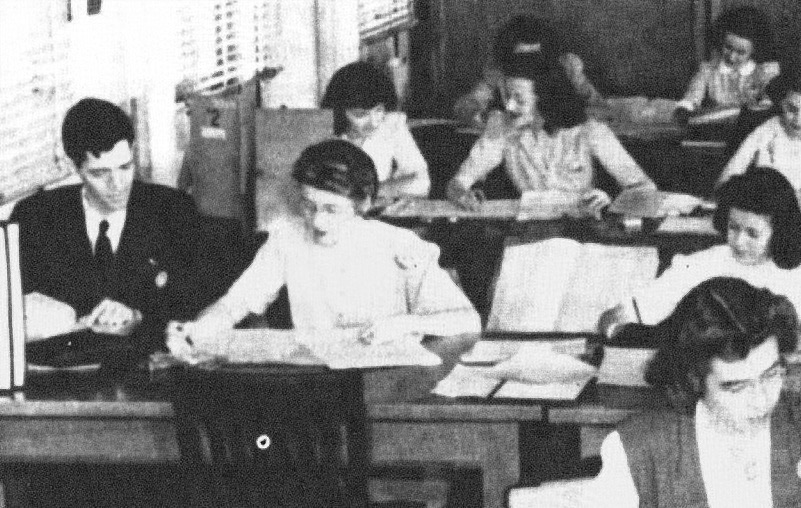
Gardner's gift was as much linguistic as mathematical. Recovering a message did not produce clean Russian text but a battered, gap-ridden fragment — a few code-groups here, a recovered word there, much of it missing — and from these shards Gardner could intuit meaning, reconstructing the sense of a cable the way a palaeographer restores a damaged manuscript. He was aided by the discovery, by the cryptanalyst Cecil Phillips and others, of the precise technical weaknesses in the Soviet system that made the duplicate-key attack possible. The breakthroughs were not single dramatic moments but the slow accretion of thousands of small recoveries, each feeding the next, over years of concentrated effort by a team that could tell almost no one what it did.
Matching the codenames
Reading the messages was only half the battle. The Soviet cables referred to their agents not by name but by codename — LIBERAL, ANTENNA, HOMER, REST, CHARLES, and dozens more — and turning those codenames into real, identifiable people required a second, equally painstaking effort, this time in partnership with the Federal Bureau of Investigation. The key FBI figure was Special Agent Robert Lamphere, who worked closely with Gardner, using the clues embedded in the decrypts — a reference to where an agent lived, a detail of their work, a date of travel — to narrow down who each codename might be. It was detective work of the most exacting kind, matching fragmentary cable references against the bureau's files.
The matches, when they came, were devastating. The cables exposed Klaus Fuchs, a German-born physicist working at the Los Alamos atomic laboratory, as a Soviet source who had passed the USSR detailed information on the bomb's design. They led to the network around Julius Rosenberg, identified in the traffic under the codenames ANTENNA and LIBERAL, a New York engineer who had run a ring of fellow agents. And, in a discovery that reached across the Atlantic, a source codenamed HOMER, who had operated inside the British embassy in Washington, was eventually identified as Donald Maclean — one of the Cambridge Five, the ring of British establishment traitors. Venona was the thread that, pulled in 1951, helped corner Maclean and send him fleeing to Moscow.
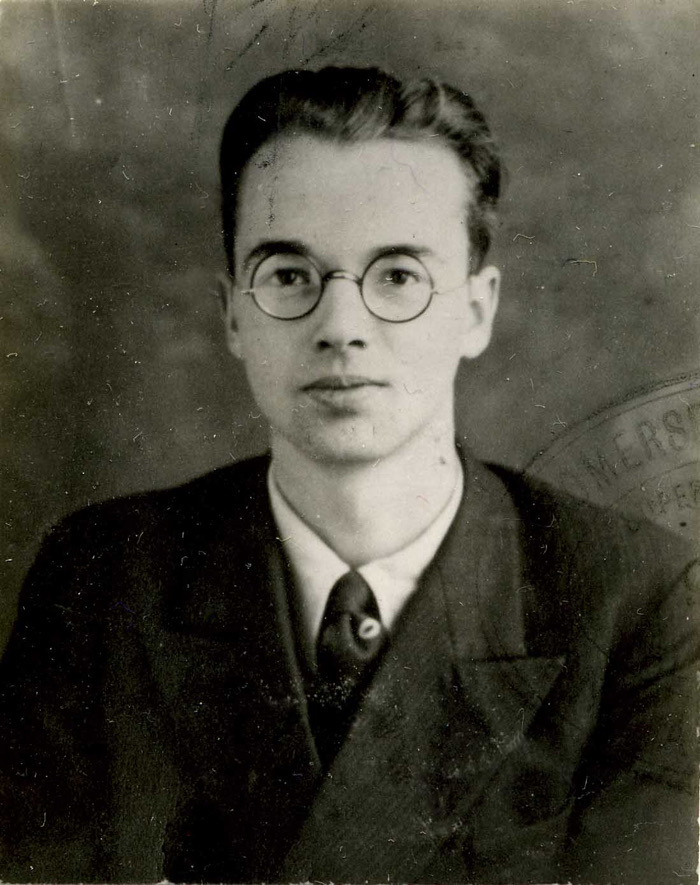
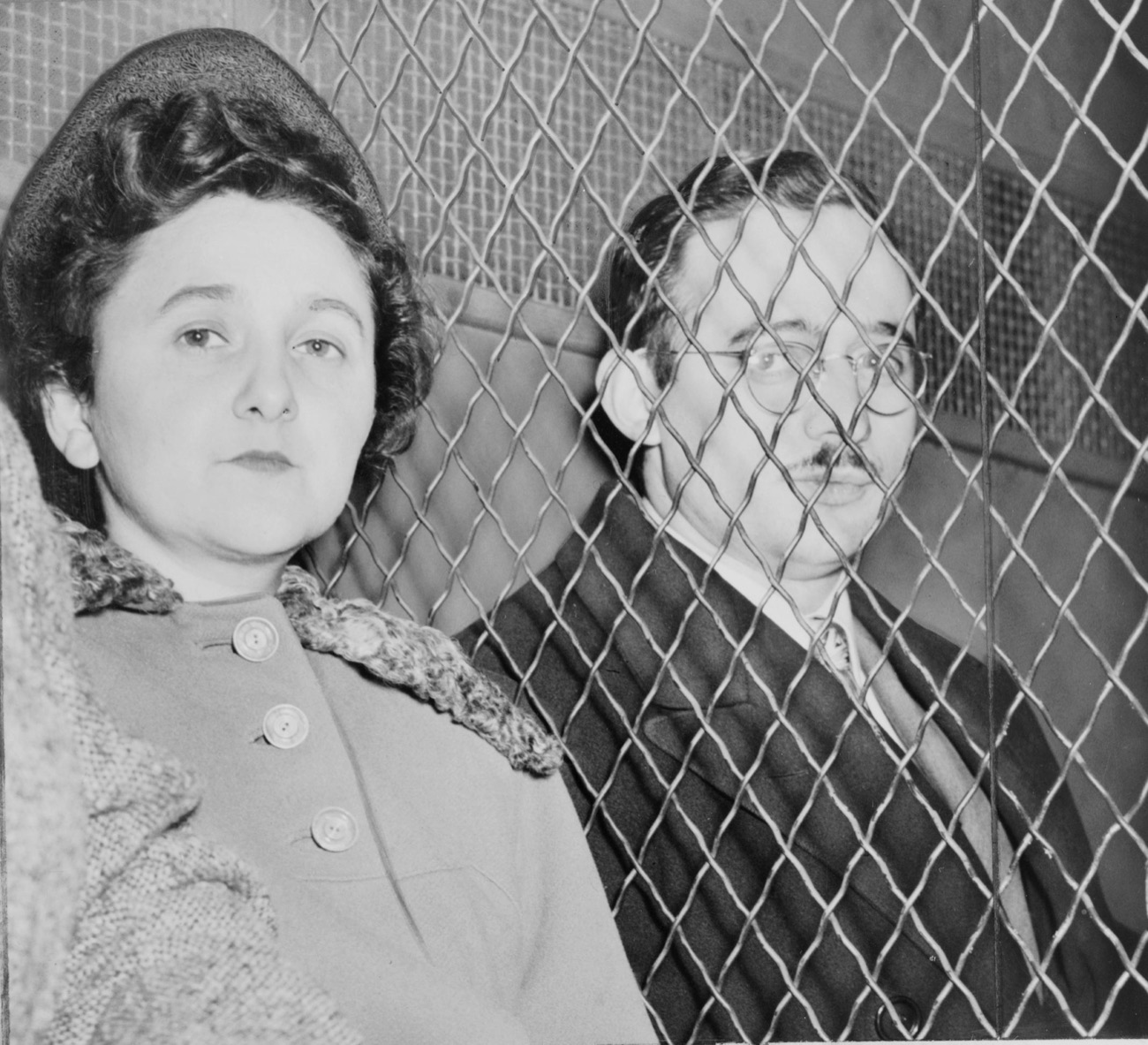
The arrest and confession of Klaus Fuchs in early 1950 set off a chain reaction. Fuchs named his American courier, Harry Gold, who in turn led investigators to David Greenglass, a machinist who had worked at Los Alamos and who happened to be the brother of Ethel Rosenberg. Greenglass implicated his brother-in-law, Julius Rosenberg, as the organiser of a spy ring — and the wider atomic network came into view. The Rosenbergs were arrested in 1950, tried in 1951, and — in the most controversial application of the whole affair — convicted of conspiracy to commit espionage and executed in 1953. Their case would be argued over for decades, in part because the public could not see the very intelligence that had pointed investigators toward Julius in the first place. The government possessed, in Venona, powerful evidence of his guilt that it dared not reveal.
Not every spy Venona exposed was ever brought to account. The decrypts pointed to a young Harvard-educated physicist, Theodore Hall, who had passed atomic information to the Soviets from inside Los Alamos quite independently of the Rosenberg ring. But because the evidence against him came from Venona and could not be used in court, and because he did not confess when questioned, Hall was never prosecuted; he lived freely for decades, his espionage publicly confirmed only after the decrypts were released. His case captures the program's central frustration in miniature: the codebreakers could identify a spy with confidence, and the spy could walk away untouched, because the proof was a secret the government valued more than the prosecution.
The silence
Here lay the strange tragedy at the centre of the Venona story. The program was guarded with such extreme secrecy that its product could almost never be used. The decrypts were not introduced as evidence in the espionage trials of the era, because to do so would have revealed to the Soviets that their wartime traffic had been broken — and the United States wanted to keep reading whatever it still could, and to conceal the capability itself. So the government found itself in an extraordinary position: it knew, with cryptographic certainty, that particular individuals had spied for the Soviet Union, yet it could prove this only through other, independent evidence, or sometimes not provably at all.
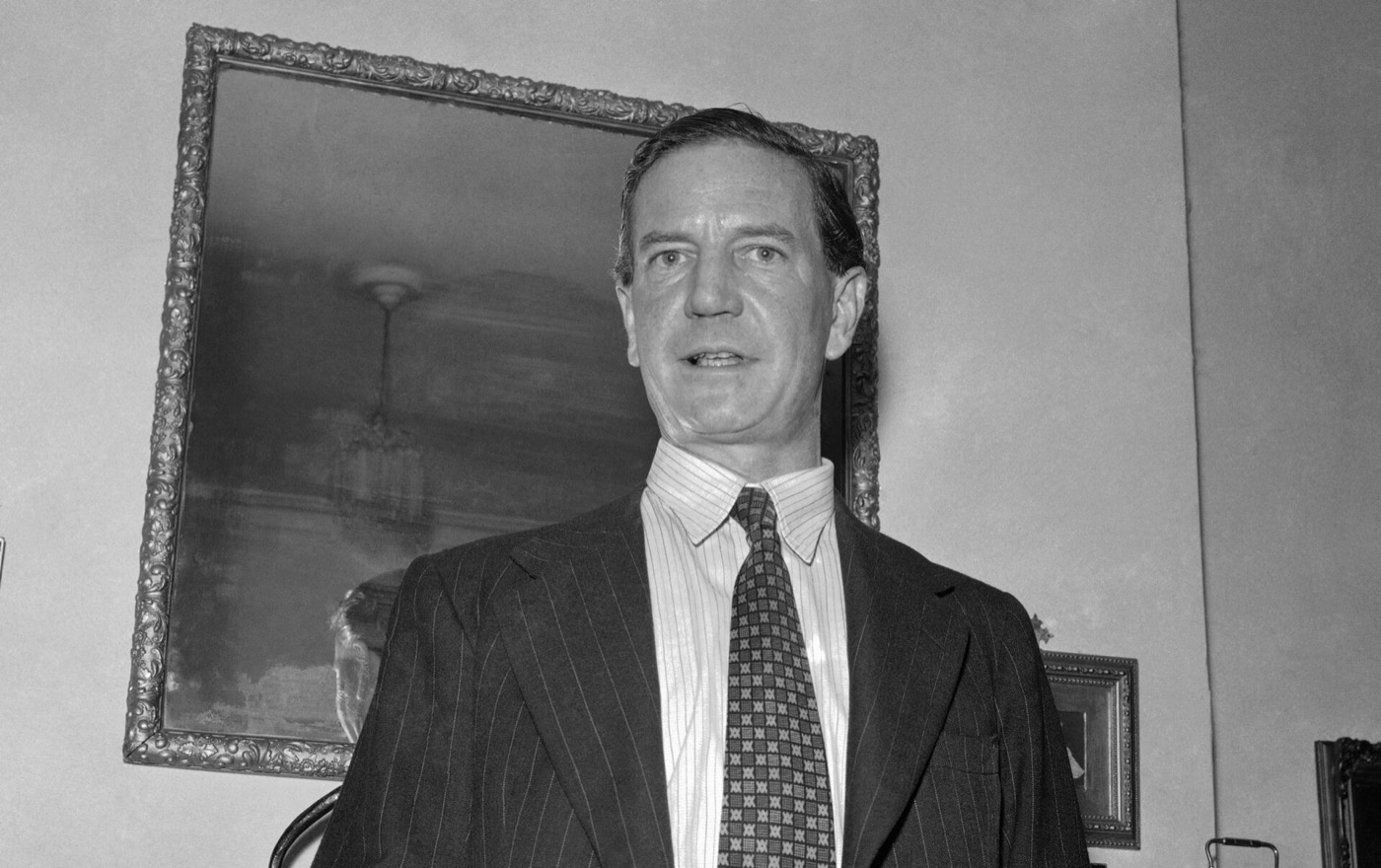
There was a bitter irony folded into the secrecy, too. One of the people who learned about Venona was Kim Philby, the senior British intelligence officer who served as MI6's liaison in Washington in the early 1950s — and who was himself a Soviet agent. In his official capacity Philby was briefed on the Anglo-American codebreaking effort, and he promptly reported its existence to Moscow. The Soviets thus knew their old traffic was being read even as the United States guarded the secret obsessively from its own public and, perhaps, its own president. The enemy Venona was aimed at had been told about it by one of the very spies it had helped to expose. It is a perfect emblem of the looking-glass world of early Cold War intelligence: a secret kept from everyone except the people it was meant to be secret from.
The secrecy went further still, and into politically charged territory. The decision to withhold Venona was made within the Army and the FBI, and there is good reason to believe that President Harry Truman was never fully and formally briefed on the program — in part because some in the security establishment distrusted the White House and the State Department, the very institutions Venona showed had been penetrated. The result was a hall of mirrors. As Senator Joseph McCarthy and others stoked a national panic about communist subversion, hurling accusations that were often reckless, exaggerated, or false, the government held secret proof that Soviet espionage had in fact been real and serious — but could not, or would not, produce it. The actual evidence and the public hysteria passed each other in the dark.
Out of the vault
For more than four decades, Venona remained one of the best-kept secrets in the American government. The interception and decryption quietly continued into the 1980s, long after the wartime traffic it had first attacked, and the accumulated files — the decrypts, the identifications, the whole secret history — stayed locked away. A small number of historians and former officials knew or suspected that something like it existed, but the public record of the early Cold War was written without it.
That changed in 1995. In a new climate after the collapse of the Soviet Union, the National Security Agency, together with the CIA, declassified and released the Venona decrypts — roughly three thousand translated messages — to the public. The release was a historical event. It transformed long-running debates about the extent of Soviet espionage and the guilt or innocence of particular figures. It confirmed, to most historians' satisfaction, that Julius Rosenberg had indeed run a spy ring (while leaving the role of Ethel more ambiguous), that Klaus Fuchs and others had betrayed the atomic secrets, and that Soviet intelligence had penetrated the American government far more deeply than many had been willing to believe. It also vindicated the long-doubted accounts of certain ex-communist witnesses, even as it confirmed that much of the McCarthy-era accusation had been scattershot and unjust.
The meaning of Venona
Venona's significance runs in two directions, and they are in tension. On one side, it stands as a monument to the power of patient, disciplined intelligence work — to what a handful of gifted analysts, exploiting a single enemy mistake, could achieve against a supposedly unbreakable system, and over decades. The breaking of the Soviet cables was an intellectual feat of the highest order, and it gave the West a priceless window into the reality of Soviet operations at the dawn of the Cold War.
In the end, Venona is the secret that saw almost everything and could say almost nothing. For decades a small team of codebreakers read the innermost cables of Soviet intelligence and watched the outlines of a vast espionage campaign resolve into focus — the stolen atomic secrets, the penetrated agencies, the traitors on both sides of the Atlantic. They proved what the political battles of the age could only assert or deny. And then they locked the proof away, for fifty years, in the name of a secrecy that was both necessary and corrosive. When the files finally emerged in 1995, they did not so much reveal a new history as confirm, in cold cryptographic detail, a reality that had been fought over blindly for two generations. That is Venona's enduring lesson: that the truth, even when it is known with certainty by someone, somewhere, may wait a very long time in the dark before a society is allowed to see it.
Inspired this / based on it
John Earl Haynes & Harvey Klehr
Yale University Press. The definitive history of the project and the decrypts.
Allen Weinstein & Alexander Vassiliev
Random House. Soviet-archive-based account corroborating Venona.
Filed under
- #venona-project
- #codebreaking
- #cryptanalysis
- #kgb
- #rosenbergs
- #klaus-fuchs
- #espionage
- #nsa
- #cold-war
- #confirmed
Click any tag for every article carrying it.
Continue reading
The Cambridge Five and the Spies at the Heart of British Intelligence
In the 1930s, Soviet intelligence undertook one of the most ambitious recruitment operations in the history of espionage: rather than buying secrets from disgruntled clerks, it would cultivate brilliant young Britons at the start of their careers, men of the right schools and the right accents who could be guided, over decades, into the very heart of the British establishment. The most famous of these recruits were five Cambridge University men — Kim Philby, Guy Burgess, Donald Maclean, Anthony Blunt, and John Cairncross — who became known as the Cambridge Five. They were not desperate or marginal figures but charming, talented members of the elite, and that was precisely the point. Over the following decades they penetrated the Foreign Office, the security service MI5, the secret intelligence service MI6, and the wartime codebreaking establishment, passing a torrent of British and American secrets to Moscow. Philby rose so high within MI6 that he was considered a future chief of the service — while serving the entire time as a Soviet agent, even as he was nominally in charge of countering the Soviet threat. The ring began to unravel in 1951, when Burgess and Maclean vanished to Moscow one step ahead of exposure; Philby fell under suspicion but was protected by an establishment unable to believe one of its own could be a traitor, and he did not flee to Moscow until 1963. Blunt, by then a knighted royal art adviser, secretly confessed but was not publicly named until 1979. The damage they did — to operations, to agents, to trust between Britain and its allies — was immense and, in places, fatal. This is the story of how five men of the establishment betrayed it from within, and how the establishment's own blindness let them.
The Stasi Archives
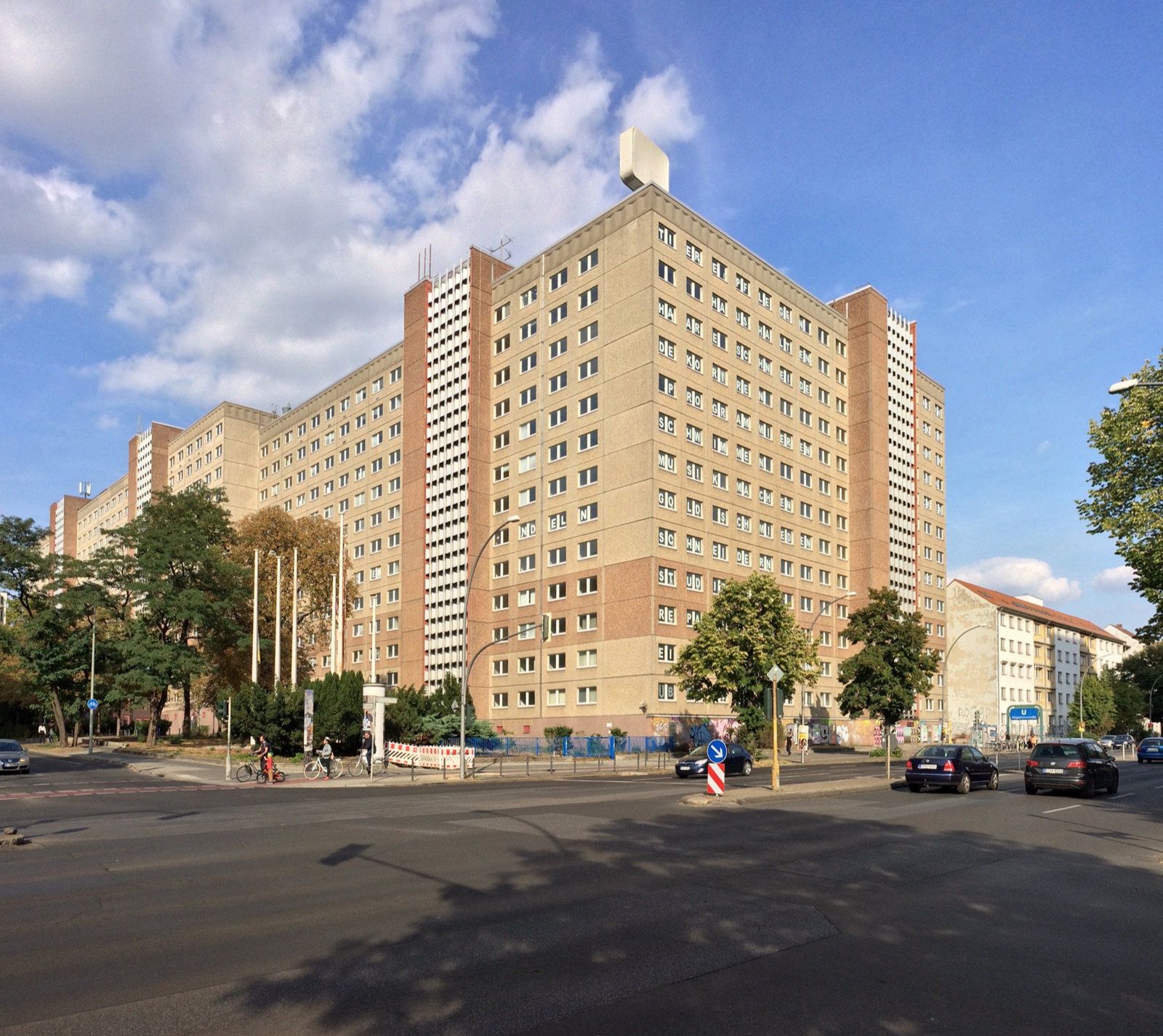
On the evening of Monday, January 15, 1990 — eight weeks after the Berlin Wall opened and four weeks after the Round Table had begun negotiating East Germany's transition — approximately five thousand demonstrators forced their way through the iron gates of the Ministry for State Security headquarters on Normannenstraße in the East Berlin district of Lichtenberg. The Bürgerkomitee 15. Januar (Citizens' Committee of 15 January) had organized the breach in response to evidence that Stasi officers had spent the prior weeks systematically shredding operational files. Inside the headquarters — a complex of 22 connected buildings housing approximately 7,000 of the Ministry's central-office personnel — the demonstrators found Stasi staff still at desks. The shredding stopped that night. Over the following 24 months, the East German interim government, the post-reunification Bundestag, and the citizen committees of fourteen East German cities preserved what would become the most extensive corpus of state-surveillance operational records in modern human history: approximately 111 kilometers of paper files in the central Berlin archive, approximately 47 kilometers in regional offices, 1.7 million photographs, 30,000 video and audio tapes, 15,500 bags of pre-shredded fragments awaiting reconstruction, and the operational, biographical, and personal-network files of an estimated 5.6 million individuals. The Stasi-Unterlagen-Gesetz (Stasi Records Act) of December 20, 1991 established the Federal Commissioner for the Records of the State Security Service (BStU), with East German pastor and civil-rights activist Joachim Gauck as its founding director. The Records Act authorized any individual to request their personal Stasi file. By the end of 2024, the BStU had processed approximately 7.4 million such requests. The aggregate human record of what those requesters read — who had informed on them, what had been documented, what had been done in consequence — constitutes the most comprehensive case study of institutional state surveillance against a domestic civilian population that the historical record contains.
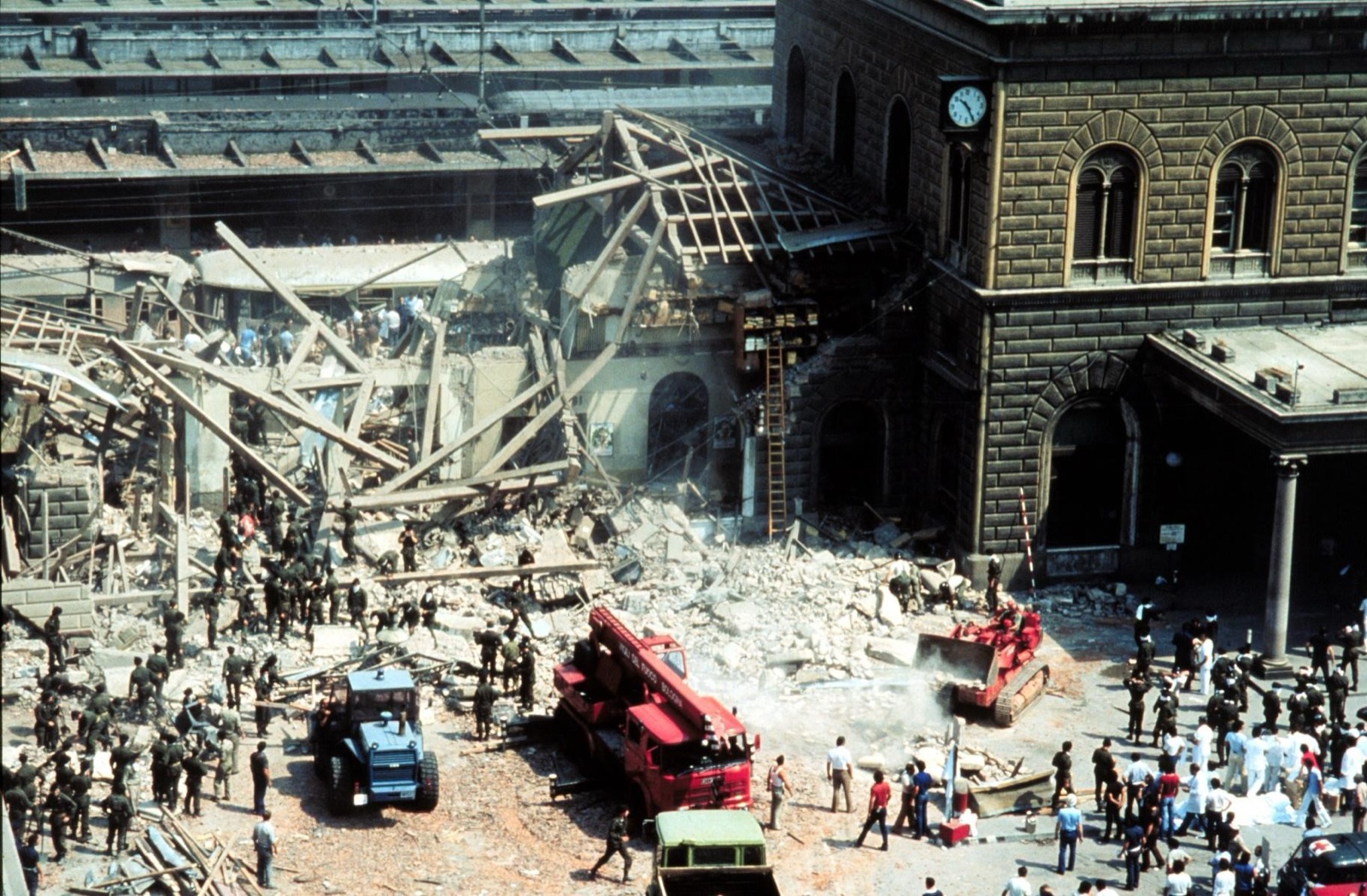
Operation Gladio
From 1956 onward, NATO and the CIA helped build clandestine paramilitary networks across Western Europe — Italy, Belgium, West Germany, France, the Netherlands, Greece, Turkey, Spain, Portugal — designed to wage guerrilla war if the Red Army crossed the Iron Curtain. The Red Army never crossed. The networks did not disband. In Italy, where the operation was codenamed Gladio, the same structures became entangled with right-wing terror that killed hundreds of civilians between 1969 and 1984. The network's existence was confirmed by the Italian Prime Minister, in Parliament, on October 24, 1990.