CONFIRMED
Kyshtym: The Soviet Nuclear Disaster Hidden for Thirty Years
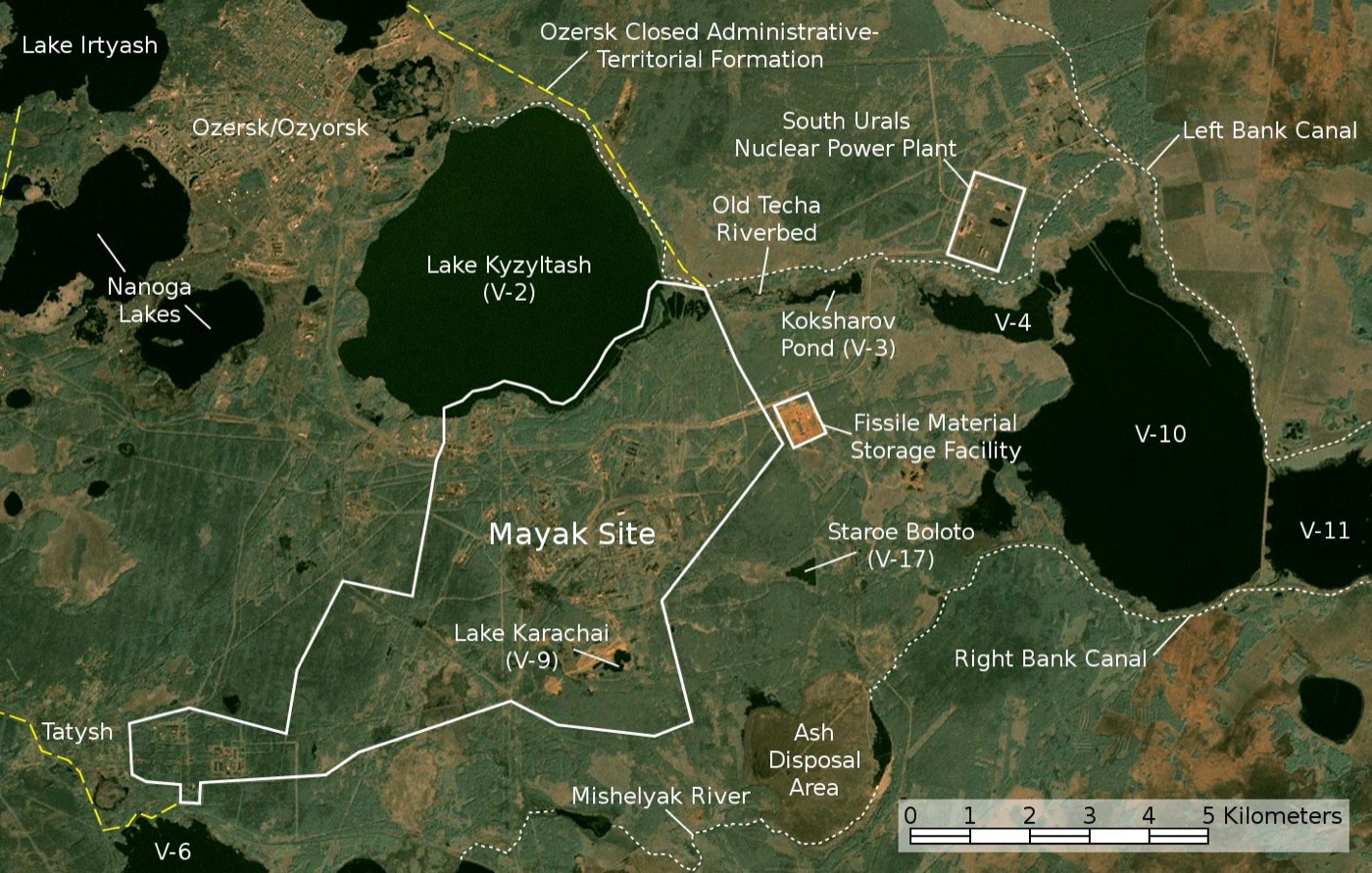
On 29 September 1957, a tank of high-level radioactive waste exploded at the Mayak plutonium complex, a secret Soviet nuclear weapons facility in the southern Ural Mountains. The cooling system on the tank had failed and gone unrepaired; the waste inside overheated, dried, and detonated in a chemical explosion powerful enough to hurl off the tank's heavy concrete lid and fling a plume of radioactive material high into the air. The fallout drifted northeast on the wind, settling over thousands of square kilometers of farmland, forest, and villages in what became known as the East Urals Radioactive Trace. Hundreds of thousands of people lived in the contaminated zone; thousands would eventually be evacuated, their villages bulldozed and their crops and livestock destroyed, often with little or no explanation of why. By the measure of radioactivity released, it was one of the worst nuclear accidents in history — surpassed only, decades later, by Chernobyl and Fukushima. And yet almost no one outside a tight circle of Soviet officialdom knew it had happened. The facility was so secret it did not officially exist, located in a closed city that did not appear on maps; the disaster took its name, Kyshtym, from the nearest town that could be publicly named. The Soviet Union concealed the catastrophe almost completely for thirty years, denying it even as rumors leaked west, until the openness of the late 1980s finally forced the truth into the light. This is the story of the nuclear disaster that the world was not allowed to know.