CONFIRMED
Bhopal
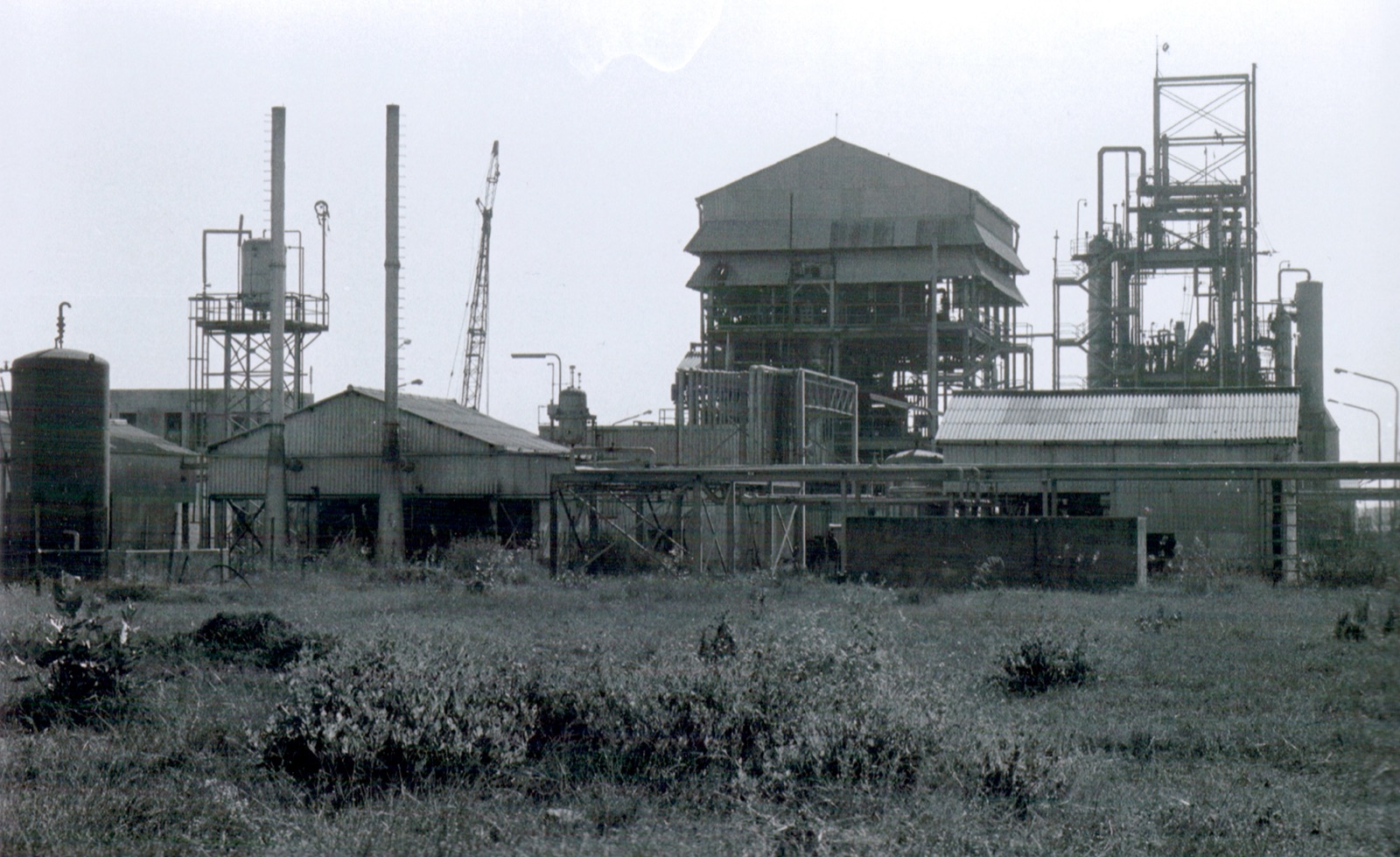
At approximately 11:30 p.m. on Sunday, December 2, 1984, water entered Tank 610 at the Union Carbide India Limited (UCIL) pesticide plant in Bhopal, Madhya Pradesh. The tank contained 42 tonnes of liquefied methyl isocyanate, an intermediate chemical used in the production of the pesticide Sevin. The water-MIC reaction was exothermic. The tank's pressure rose, then its temperature, then both ran away. The refrigeration system that should have kept the tank below 5°C had been disabled to save electricity. The vent gas scrubber that should have neutralized any escaping MIC was offline for maintenance. The flare tower that should have burned residual gas was disconnected. At approximately 12:30 a.m. on December 3, the tank's emergency relief valve opened and approximately 30 tonnes of methyl isocyanate vapor was released into the air above central Bhopal. The wind carried it south-east, across the slum districts of Jaiprakash Nagar, Kazi Camp, and Chola. By dawn, between 3,800 and 8,000 people were dead. The Indian government's final official count was eventually placed at 3,787 directly killed in the first 72 hours and a further ~15,000-25,000 over the following decades from exposure-attributable illness. Approximately 558,125 people received compensation as gas-exposure victims under the 1989 settlement. It remains the worst industrial disaster in history.