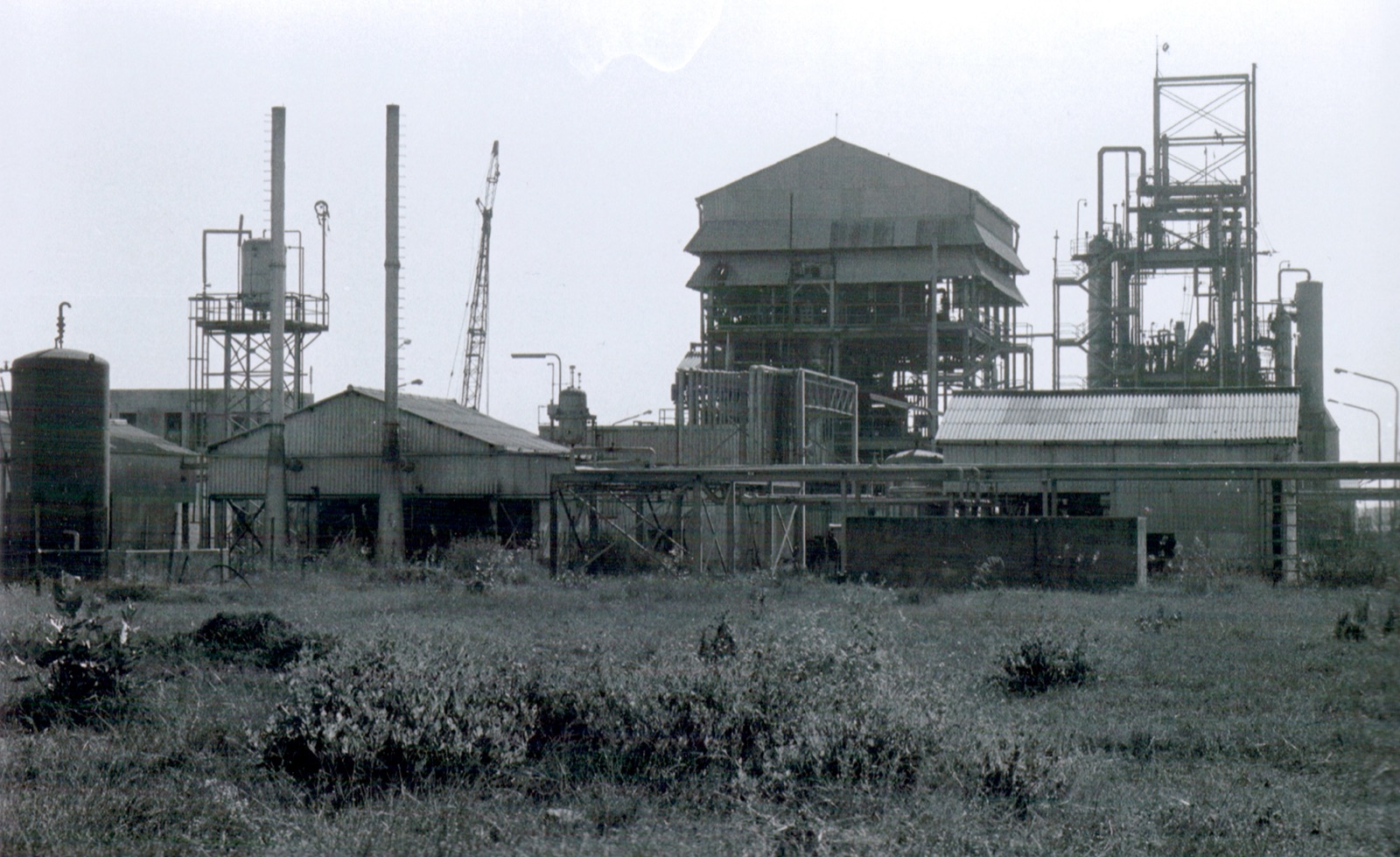
The Union Carbide India Limited pesticide factory in Bhopal, photographed in 1985 — months after the disaster. The plant has been abandoned since then; remediation of the site remains incomplete. Wikimedia Commons, CC BY-SA 2.0.
Bhopal
Forty tonnes of methyl isocyanate, the night of December 2-3, 1984
- Category
- Corporate Cover-ups
- Published
- Length
- 3,700 words · 17 min read
- Author
- The editors
Bhopal
Forty tonnes of methyl isocyanate, the night of December 2-3, 1984.
The plant
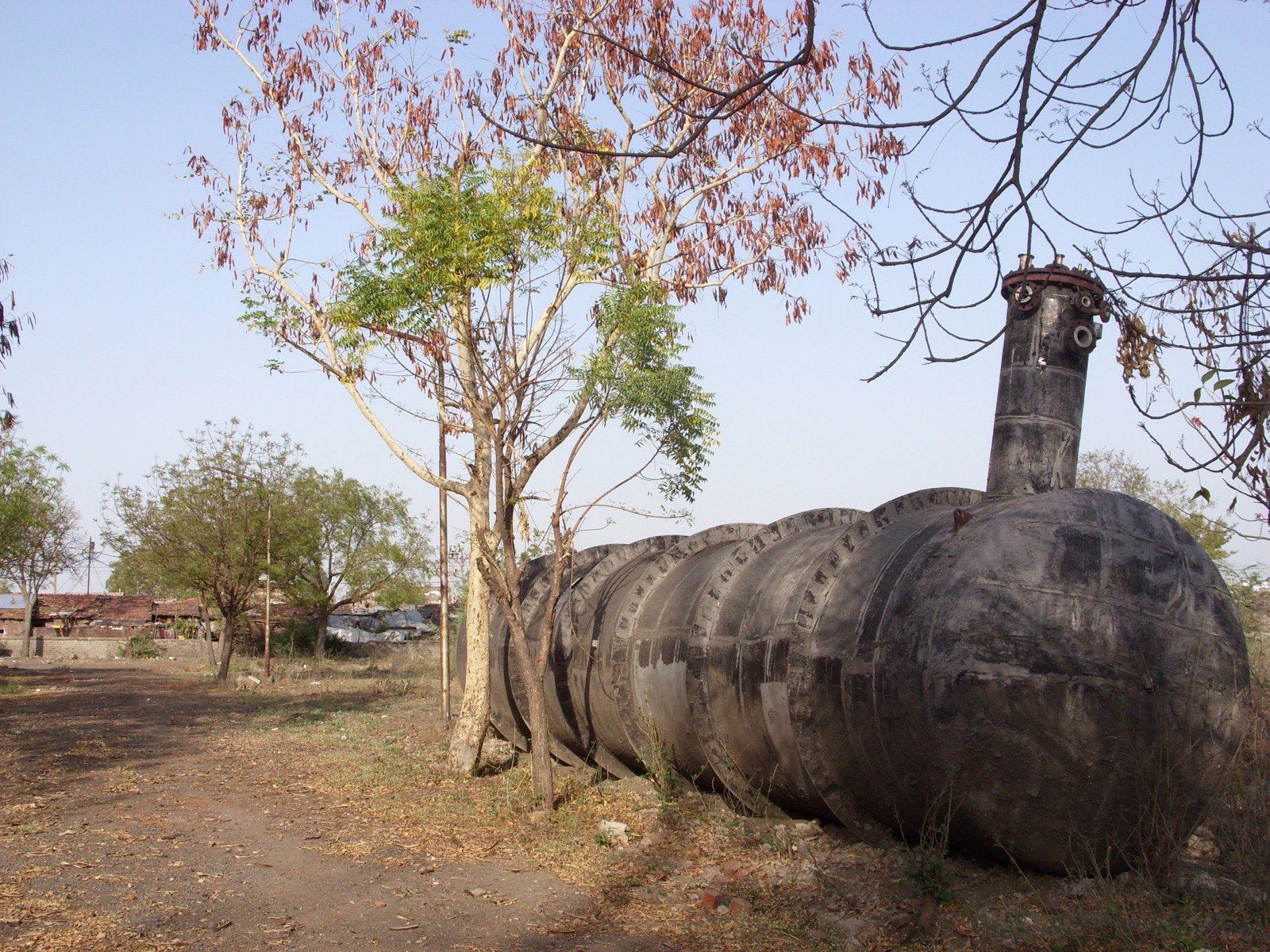
Union Carbide India Limited (UCIL) was a 50.9%-owned subsidiary of Union Carbide Corporation (USA), with the remainder held by Indian public shareholders and the Government of India. The Bhopal plant was constructed between 1969 and 1980 in the northern industrial zone of Bhopal — an area that, in 1969, had been on the outskirts of the city. By 1984, urban expansion had brought low-income residential neighborhoods within 500 metres of the plant boundary.
The plant produced Sevin (carbaryl), a carbamate pesticide widely used in Indian agriculture. The production process involved three chemical intermediates: alpha-naphthol, methyl isocyanate (MIC), and the final carbaryl product. The MIC was synthesized on site from methylamine and phosgene. The phosgene was synthesized on site from carbon monoxide and chlorine. The chemical chain was hazardous at every stage; MIC was the most hazardous intermediate.
MIC is a colorless liquid that boils at 39.1°C and reacts violently with water in a self-accelerating exothermic reaction. The plant's design accommodated this through three primary safety systems:
- Refrigeration: maintained the three storage tanks at below 5°C, where MIC vapor pressure is low and reaction kinetics are slowed.
- Vent gas scrubber (VGS): a caustic-soda spray system designed to absorb any escaping MIC vapor and convert it to non-toxic carbamate.
- Flare tower: designed to burn any residual MIC that the VGS could not absorb.
By December 1984, all three systems were either disabled, undersized, or non-functional:
- The refrigeration unit had been switched off in mid-1984 to save electricity. The Freon-22 refrigerant had been drained. The tank temperature on December 2 was estimated at 15-25°C.
- The vent gas scrubber was officially in maintenance shutdown on December 2 and not operational at the time of the leak. Even if it had been operational, internal Union Carbide audits in 1982 had questioned its capacity to handle a runaway tank release.
- The flare tower had been disconnected during a pipework modification two months prior and not reconnected.
The decision to disable the safety systems was the local plant management's. The 1982 Union Carbide internal safety audit, however, had identified concerns about Bhopal operating practices and had made specific recommendations that were not consistently implemented. Whether responsibility resides with UCIL local management, Union Carbide corporate, or both is the central contested question in the case.
The leak
The night of December 2, 1984 began as a routine shift change. The second shift had handed over to the third (overnight) shift at approximately 10:45 p.m. The shift report noted normal operating conditions on Tank 610.
At approximately 11:00 p.m., the operator at the control panel observed a slight pressure increase on Tank 610. Routine fluctuations in MIC tanks were common; the operator did not flag the reading as anomalous.
At 11:30 p.m., a routine pipe-cleaning operation was in progress on the MIC production line. The standard procedure was to flush the production line with water while isolating the tanks. By the official Union Carbide post-incident analysis, the relevant isolation valve (Slip Blind valve at the MIC tank inlet) had not been installed; standard practice had relied on a series of intermediate valves to provide isolation. One or more of these intermediate valves was leaking. Water entered Tank 610 through this leak.
The water-MIC reaction began immediately. By 11:45 p.m., the tank pressure had risen from 2 psi to 10 psi. By 12:00 a.m., it had risen to 40 psi. By 12:15 a.m., it exceeded the tank's design pressure of 55 psi.
At 12:30 a.m. on December 3, the tank's emergency rupture disc failed at the relief valve. The relief valve opened. Over the next 60 minutes, approximately 30 tonnes of MIC vapor was released through the vent stack into the air above the plant.
The wind that night was from the north-northwest at approximately 5 km/h. Bhopal lies in the southern Madhya Pradesh region; the wind direction took the plume south-east across the plant boundary and into the residential districts.
The first deaths occurred in the slum districts immediately south of the plant — Jaiprakash Nagar, Kazi Camp, Chola, and Karon Bhavn — where people lived in unsealed dwellings and woke into a gas atmosphere. Methyl isocyanate is heavier than air and tends to pool in low areas. Many of the immediate fatalities were children and elderly, who were closer to ground level.
People ran. They ran toward the railway station, toward Hamidia Hospital, toward anywhere they thought might be safe. The plume followed the topography. By 2:00 a.m., the streets were full of people. By 4:00 a.m., the bodies began to accumulate. Hamidia Hospital, the city's largest, was overwhelmed within the first hour.
The first 72 hours
The Indian Air Force evacuated hospital cases to other cities beginning at dawn on December 3. The Bhopal city administration declared a public emergency at 6:00 a.m. By noon on December 3, the death toll was approximately 1,200; by midnight, approximately 3,500; by December 6, approximately 3,800 — the figure that became the "official" immediate death toll.
The Indian press was on the story within hours. International press arrived in Bhopal by December 4. The first international wire photos of the Bhopal hospitals were running on December 5.
Warren Anderson, the Union Carbide Chairman, traveled to Bhopal on December 7. He was arrested at Bhopal airport, held briefly, and released on $2,100 bail the same day. The Indian government, under diplomatic pressure from Washington, allowed him to return to the United States.
Anderson remained in the United States for the rest of his life. He died in 2014, age 92. He was wanted in India for culpable homicide from 1991 onward; the United States did not extradite him.
The Indian government's response, under Prime Minister Rajiv Gandhi, combined emergency medical relief with what was widely characterized as inadequate compensation negotiation. The $470 million 1989 settlement — agreed between the Indian government and Union Carbide — averaged approximately $844 per victim under the compensation framework. Subsequent Indian court proceedings have repeatedly characterized this figure as inadequate. The Indian Supreme Court reviewed and confirmed the settlement in 1991, with revisions to compensation procedures but not the total amount.
The investigation
The investigation of the cause has had two competing official hypotheses since 1985.
Hypothesis 1 (Union Carbide): sabotage. Union Carbide's internal investigation, led by Arthur D. Little (consultants), concluded in 1985 that a disgruntled employee had deliberately introduced water into Tank 610 to embarrass plant management. The hypothesis identified a specific worker but did not produce a confession or admissible evidence. The Indian government rejected this hypothesis as self-serving and never accepted it.
Hypothesis 2 (Indian government / academic): plant-maintenance failure. The Indian government's investigation and subsequent academic analyses concluded that water entered Tank 610 through a combination of inadequate isolation procedures during pipe-cleaning operations, deferred maintenance on intermediate valves, and the disabling of the multiple safety systems that should have contained the resulting release. This is the hypothesis that has the most documentary support and that academic-engineering analyses have consistently favored.
Both hypotheses are consistent with the chemistry. The disabling of the safety systems is documented and not in dispute. The point of contention is the proximate cause of water entry — whether deliberate or negligent.
The 1989 settlement closed the criminal case against Union Carbide the corporation. Individual criminal prosecutions of UCIL plant managers (Keshub Mahindra, Vijay Gokhale, J. Mukund, and others) proceeded in the Indian courts and concluded in 2010 with convictions and two-year sentences. The sentences were widely characterized as inadequate to the scale of the disaster.
The aftermath
The Union Carbide India Limited factory was closed permanently in the immediate aftermath of the disaster. The plant site has remained unoccupied since. The Madhya Pradesh state government took possession of the site in 1998 and has held it since. Remediation of soil and groundwater contamination has been the subject of multiple court cases and remediation studies; substantial physical remediation has not been completed.
Greenpeace's 1999 site investigation documented mercury, lead, and organochlorine pesticide contamination in groundwater 1-3 km from the site. The Centre for Science and Environment (CSE, Delhi) replicated these findings in 2009. The Indian government's own National Institute for Research in Environmental Health (NIREH) has documented ongoing health impacts in the second and third generations of exposed populations — birth defects, chronic respiratory disease, neurological complications — in cohort studies published through the 2010s and 2020s.
In 2001, Dow Chemical acquired Union Carbide in a $9.3 billion stock-and-cash transaction. Dow has consistently maintained that the 1989 settlement closed Union Carbide's liability for Bhopal and that the unfinished site remediation is the responsibility of the Madhya Pradesh state government. Indian civil-society organizations and victim representatives have repeatedly challenged this position in Indian and international courts. As of 2025, no Dow legal acknowledgment of Bhopal responsibility has been issued.
The cast
Why this case is filed as "confirmed"
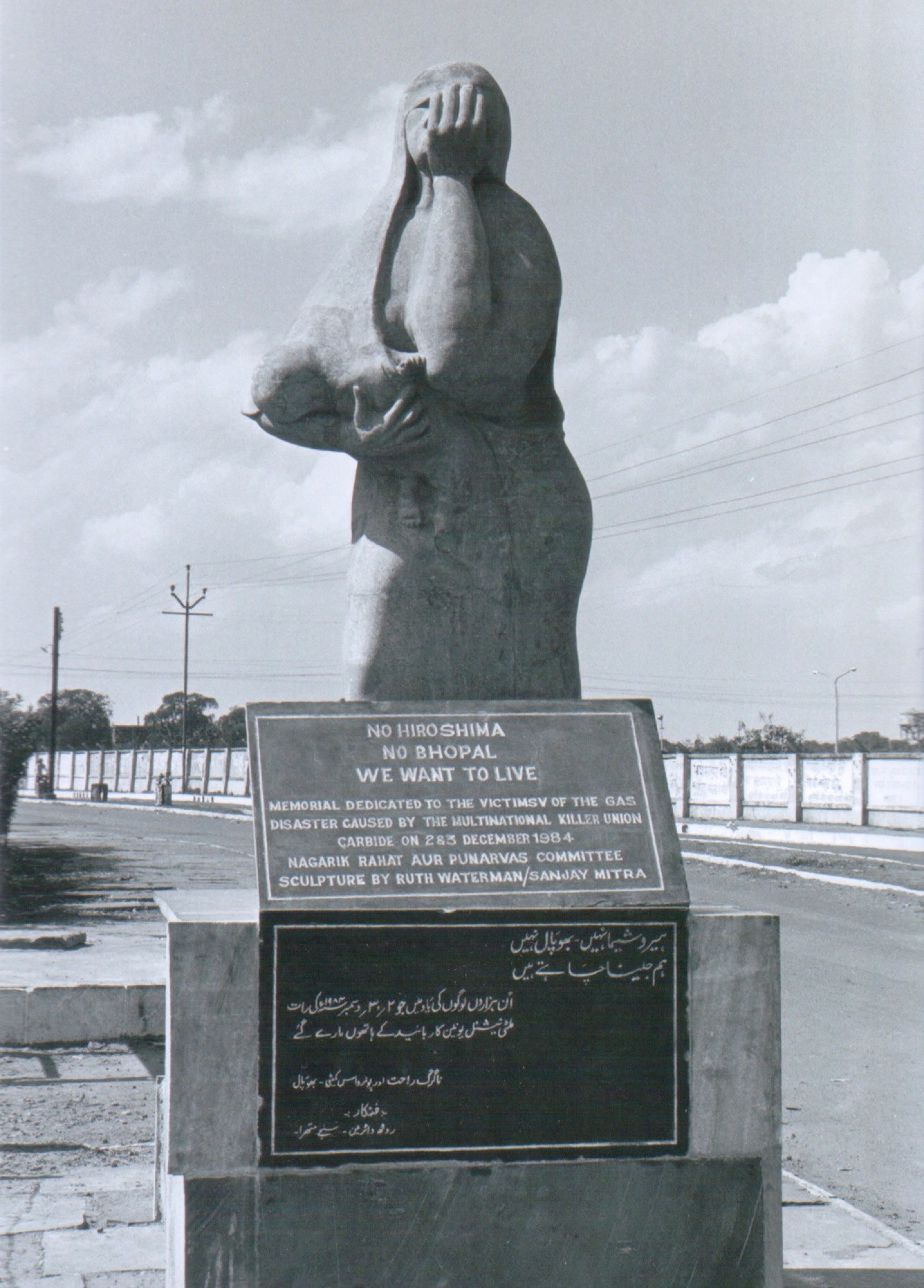
Bhopal is the worst industrial disaster in human history. The factual record is comprehensively documented. The legal record is also comprehensively documented. What is not universally agreed is the moral framing — whether Union Carbide and its successor Dow bear ongoing responsibility, whether the 1989 settlement was adequate, whether the criminal prosecutions were proportionate. These are disputed questions, but they are not factual mysteries. The disaster happened. The cover-ups of the immediate aftermath (both corporate and governmental) are documented. The unresolved remediation is documented.
We file it as "confirmed" because the facts are confirmed and the operational/legal cover-ups are documented.
What we still don't know
The true total death toll. The Indian government's official 2006 affidavit (3,787 immediate + 25,000 long-term) has been disputed by both higher (Sambhavna Trust estimates) and lower (Union Carbide-aligned analyses) figures.
The full mechanism of water entry. Whether the proximate cause was pipe-cleaning negligence, deliberate sabotage, or some combination has not been conclusively resolved.
The current state of groundwater. Multiple independent studies have confirmed contamination; the spatial extent and depth profile remain incompletely characterized.
Generational health impacts. Studies of second-generation exposure effects (birth defects, growth retardation) in children of exposed parents continue; the data is mixed and methodologically contested.
Sources
Primary documents:
- Report of the Committee on Bhopal Gas Tragedy. Government of India / Ministry of Chemicals and Fertilizers, 1985. The Banerjee Commission.
- Bhopal Gas Tragedy: Compensation — Government of India / Welfare Commissioner for Bhopal Gas Victims, multiple reports 1989-2010.
- Bhopal: An Information Disaster — Arthur D. Little, Inc., Union Carbide's internal investigation report, 1985.
- Indian Supreme Court judgments in Union of India v. Union Carbide Corporation, 1989-1991.
- Bhopal District Court verdict, June 7, 2010 — conviction of seven UCIL Bhopal officials.
- Indian Council of Medical Research (ICMR) Bhopal Gas Disaster studies, 1985-2010.
Secondary investigative reporting: 7. Dominique Lapierre and Javier Moro, Five Past Midnight in Bhopal (Warner Books, 2002). The most-cited popular history. 8. Ingrid Eckerman, The Bhopal Saga: Causes and Consequences of the World's Largest Industrial Disaster (Universities Press India, 2005). 9. Suroopa Mukherjee, Surviving Bhopal: Dancing Bodies, Written Texts, and Oral Testimonials of Women in the Wake of an Industrial Disaster (Palgrave Macmillan, 2010). 10. Indra Sinha, Animal's People (Simon & Schuster, 2007) — novel; Booker Prize shortlist. 11. The Guardian, multi-correspondent 40th-anniversary coverage 2024. 12. The New York Times, multi-decade coverage 1984-present, particularly William Borders. 13. Frontline (Indian fortnightly), continuing Bhopal coverage 1984-present. 14. CSE (Centre for Science and Environment, Delhi), site contamination studies 1999-2009. 15. Greenpeace, The Bhopal Legacy (2002) and follow-up studies. 16. Sambhavna Trust, Compromised Citizens: A Report on the Bhopal Gas Tragedy (Bhopal, 2007).
Academic scholarship: 17. Jasanoff, Sheila, Learning from Disaster: Risk Management After Bhopal (University of Pennsylvania Press, 1994). 18. Fortun, Kim, Advocacy after Bhopal: Environmentalism, Disaster, New Global Orders (University of Chicago Press, 2001). 19. Cassels, Jamie, The Uncertain Promise of Law: Lessons from Bhopal (University of Toronto Press, 1993).
Corrections & updates
2026-05-26: First publication.
Inspired this / based on it
Dominique Lapierre & Javier Moro
The most-cited popular history. Warner Books.
Indra Sinha
Novel based on Bhopal. Booker Prize shortlist 2007. Simon & Schuster.
Ravi Kumar · ★ 7.2
Dramatized account with Mischa Barton, Martin Sheen as Warren Anderson, Kal Penn.
Van Maximilian Carlson · ★ 7.5
Documentary on second-generation victims; Sundance Film Festival.
Ingrid Eckerman
Universities Press India.
Kim Fortun
University of Chicago Press; scholarly treatment of post-disaster activism.
Filed under
- #bhopal
- #union-carbide
- #methyl-isocyanate
- #ucil
- #warren-anderson
- #dow-chemical
- #tank-610
- #madhya-pradesh
- #india
- #1984
- #south-asia
- #industrial-disaster
- #sevin
- #extradition
- #ratan-tata
- #rajiv-gandhi
Click any tag for every article carrying it.
Continue reading
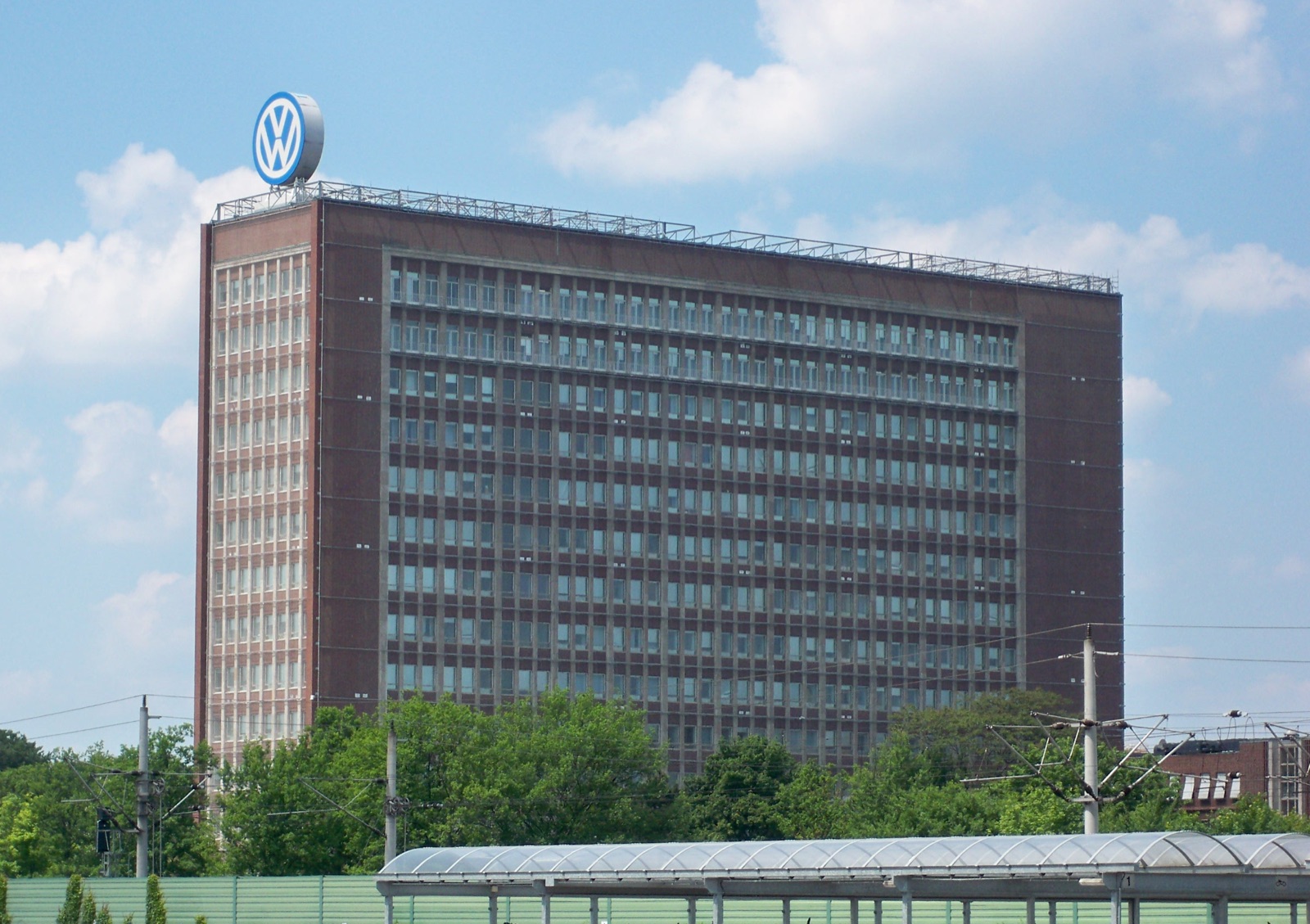
Dieselgate
In late 2013, the International Council on Clean Transportation paid a small team at West Virginia University to put two diesel Volkswagens on the road from Los Angeles to Seattle, hooked up to portable emissions sensors. The team expected to find data confirming what Volkswagen's American marketing campaign had been claiming for years: that 'clean diesel' was real. Instead they found nitrogen-oxide emissions up to forty times the legal limit. Eighteen months later, on September 18, 2015, the U.S. EPA formally accused Volkswagen of installing software in eleven million cars that detected emissions tests and lied to them. By the end of the week, the CEO had resigned and Volkswagen had begun a six-year journey through $34 billion of fines and settlements.
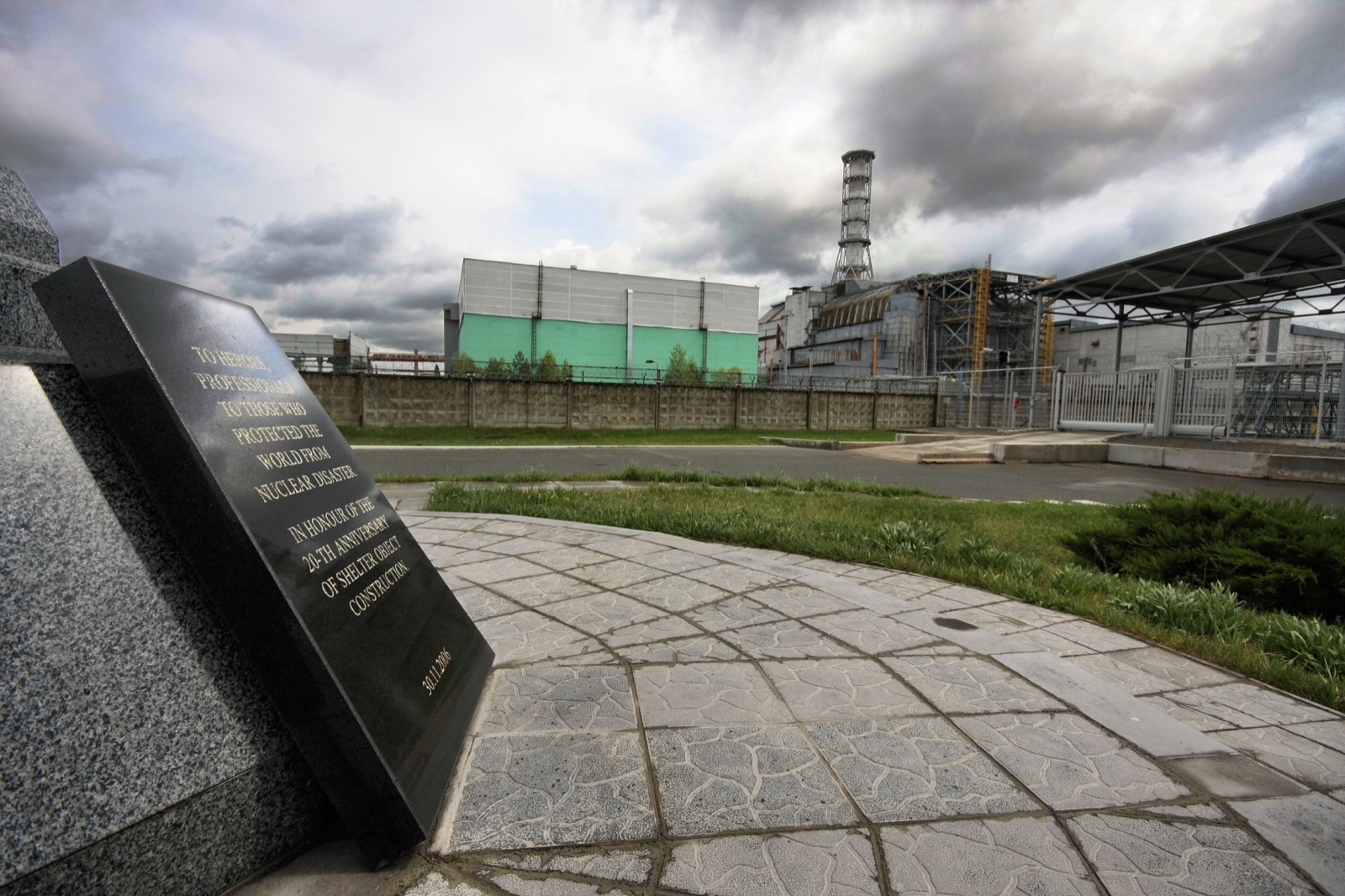
Chernobyl
At 1:23:40 a.m. local time on Saturday, April 26, 1986, reactor 4 at the V. I. Lenin Nuclear Power Plant near Pripyat, Ukrainian Soviet Socialist Republic, exploded. A planned low-power safety test, run by night-shift personnel who had been ordered to proceed despite warnings, drove the RBMK-1000 reactor into a state its designers had specifically marked as forbidden. The graphite-tipped control rods, lowered to scram the reactor, briefly added reactivity before shutting it down. The core's thermal output spiked to approximately 30,000 megawatts — ten times rated capacity — in four seconds. Two steam explosions ripped the 1,000-tonne upper biological shield off the reactor and exposed the burning graphite core to the atmosphere. Two workers died at the moment of explosion. Twenty-nine more — firefighters, control-room operators, plant electricians — died from acute radiation syndrome within four months. Forty-eight hours passed before the city of Pripyat (population 49,360) was evacuated. The Soviet government did not publicly acknowledge the accident until April 28, after Swedish nuclear technicians at Forsmark detected the airborne plume 1,200 kilometres to the northwest. The cover-up was, by Mikhail Gorbachev's own subsequent assessment, the moment Soviet glasnost became unavoidable.
The Catholic Church Abuse Cover-Up
On Sunday, January 6, 2002, the Boston Globe's Spotlight team published a 3,500-word article titled 'Church allowed abuse by priest for years.' The priest was John J. Geoghan. The diocese was Boston. The cardinal who had transferred him among parishes despite knowing of allegations since 1984 was Bernard Law. What began as a Boston story became, over the next two decades, a global accounting: Pennsylvania, Pennsylvania again, Ireland, Australia, Germany, France. The French Sauvé Commission in 2021 estimated that 330,000 children had been abused by clergy and lay members of the Catholic Church in France alone since 1950.