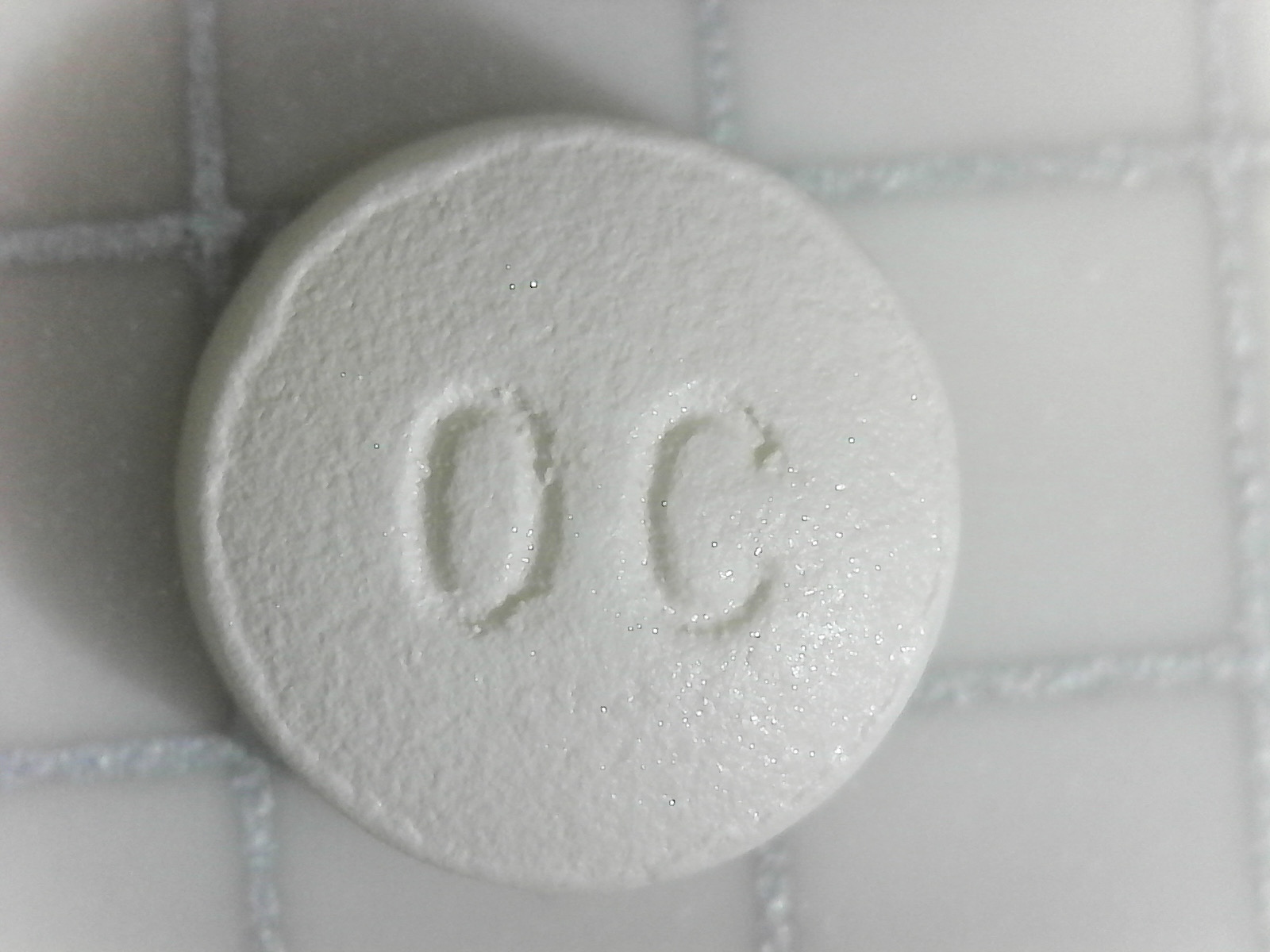
CONFIRMED
Purdue Pharma and OxyContin
In December 1995, the U.S. Food and Drug Administration approved a new extended-release oxycodone formulation manufactured by the privately-held Stamford, Connecticut pharmaceutical company Purdue Pharma. The drug was called OxyContin. Its FDA-approved label stated that the controlled-release formulation 'is believed to reduce the abuse liability of the drug.' Within weeks of the January 1996 launch, Purdue's sales force was telling physicians that the risk of addiction was 'less than one percent' — a number drawn from a single 1980 letter to the editor in the *New England Journal of Medicine* that the company would, over the next twenty years, cite approximately 600 times in its promotional materials. The letter had observed 4 cases of addiction in 11,882 hospitalized patients given any opioid for any duration. It was not, by any reasonable standard, evidence for an outpatient sustained-release formulation. By 2010, OxyContin's annual revenue had reached approximately $3.1 billion. By 2017, drug overdose was the leading cause of death for Americans under 50. The cumulative U.S. opioid death toll from 1999 to 2023, by the CDC's count, exceeded 700,000. Purdue Pharma pleaded guilty to federal criminal misbranding charges in 2007 (paying $634.5 million) and again in 2020 (agreeing to $8.3 billion in penalties as part of a bankruptcy reorganization). The Sackler family — owners of Purdue throughout the period — were the subject of a separate $6 billion settlement that was struck down by the U.S. Supreme Court in 2024 (*Harrington v. Purdue Pharma*) and is, as of mid-2026, being renegotiated. Patrick Radden Keefe's 2021 book *Empire of Pain* is the most comprehensive single-volume treatment of the case.
Corporate Cover-ups
1996-2024