CONFIRMED
Seveso: The Toxic Cloud That Changed European Safety Law
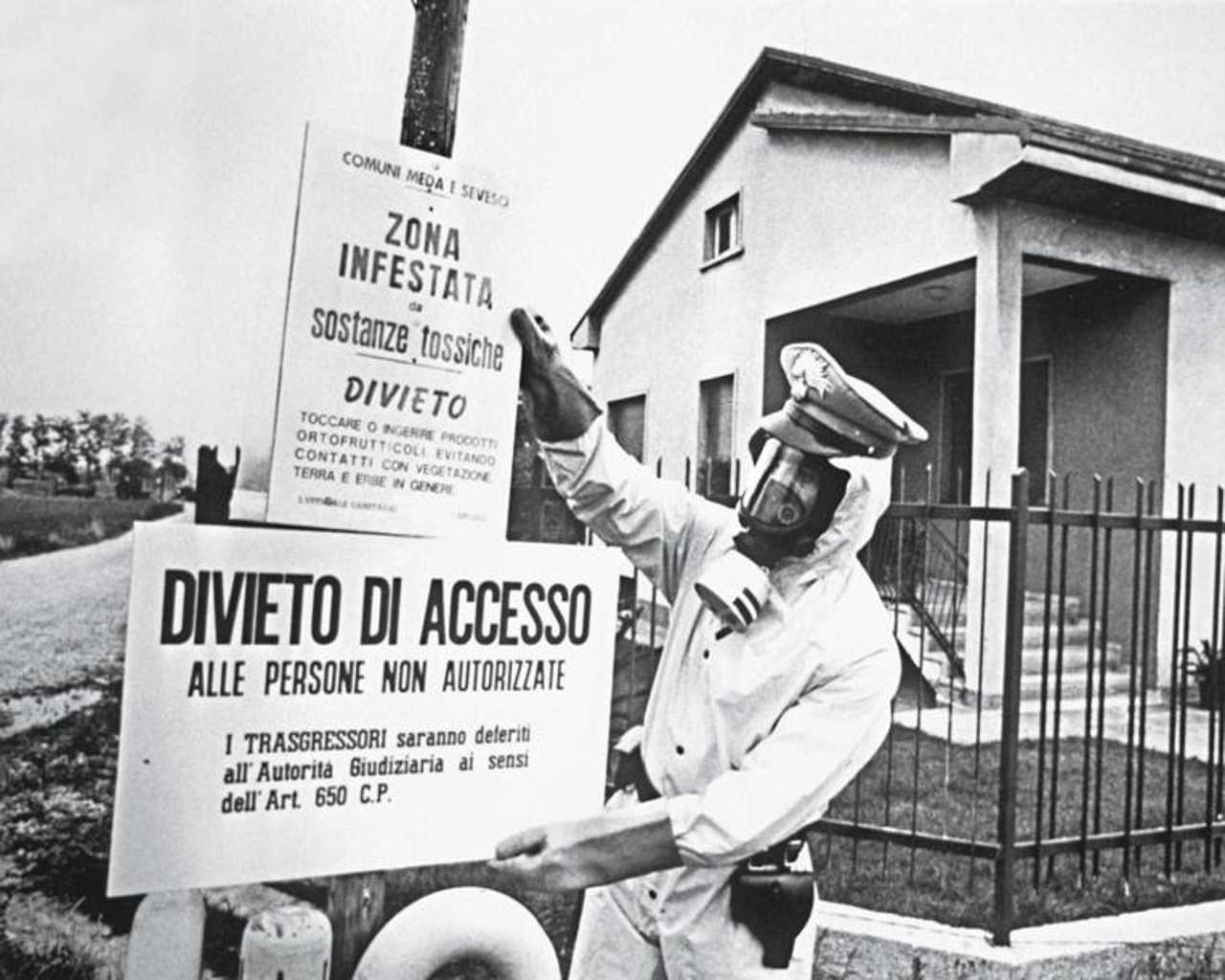
On a Saturday in July 1976, a chemical reactor at a factory near the small town of Seveso, north of Milan, overheated and burst its safety valve, releasing a cloud of toxic chemicals into the air over the surrounding countryside. The factory, called ICMESA, was a subsidiary of a Swiss multinational, and it was making an ingredient for disinfectants by a process that produced, as an unwanted byproduct, a tiny quantity of one of the most poisonous substances ever synthesized: the dioxin known as TCDD. The cloud carried some of that dioxin out over the towns of Seveso, Meda, and their neighbors, settling invisibly on gardens, fields, rooftops, playgrounds, and people. At first almost no one understood what had happened. The company was slow and evasive about the nature and the danger of what had escaped; it took days for the authorities to grasp that dioxin was involved, and weeks before the most contaminated area was evacuated. In the meantime, the warning signs accumulated: small animals and birds sickened and died, and children began to develop chloracne, the disfiguring skin condition that is a hallmark of dioxin poisoning. There were no immediate human deaths, but the contamination forced the evacuation of hundreds of people, the slaughter of tens of thousands of animals, the demolition of homes, and an agonizing public debate about the risks to pregnant women. Out of the disaster came the Seveso Directive, the European Union's landmark law on industrial hazards, which still bears the town's name. This is the story of the toxic cloud over Seveso, the slow reckoning with what it carried, and the safety regime it forced into being.