CONFIRMED
Fukushima and the Disaster That Was Foreseen
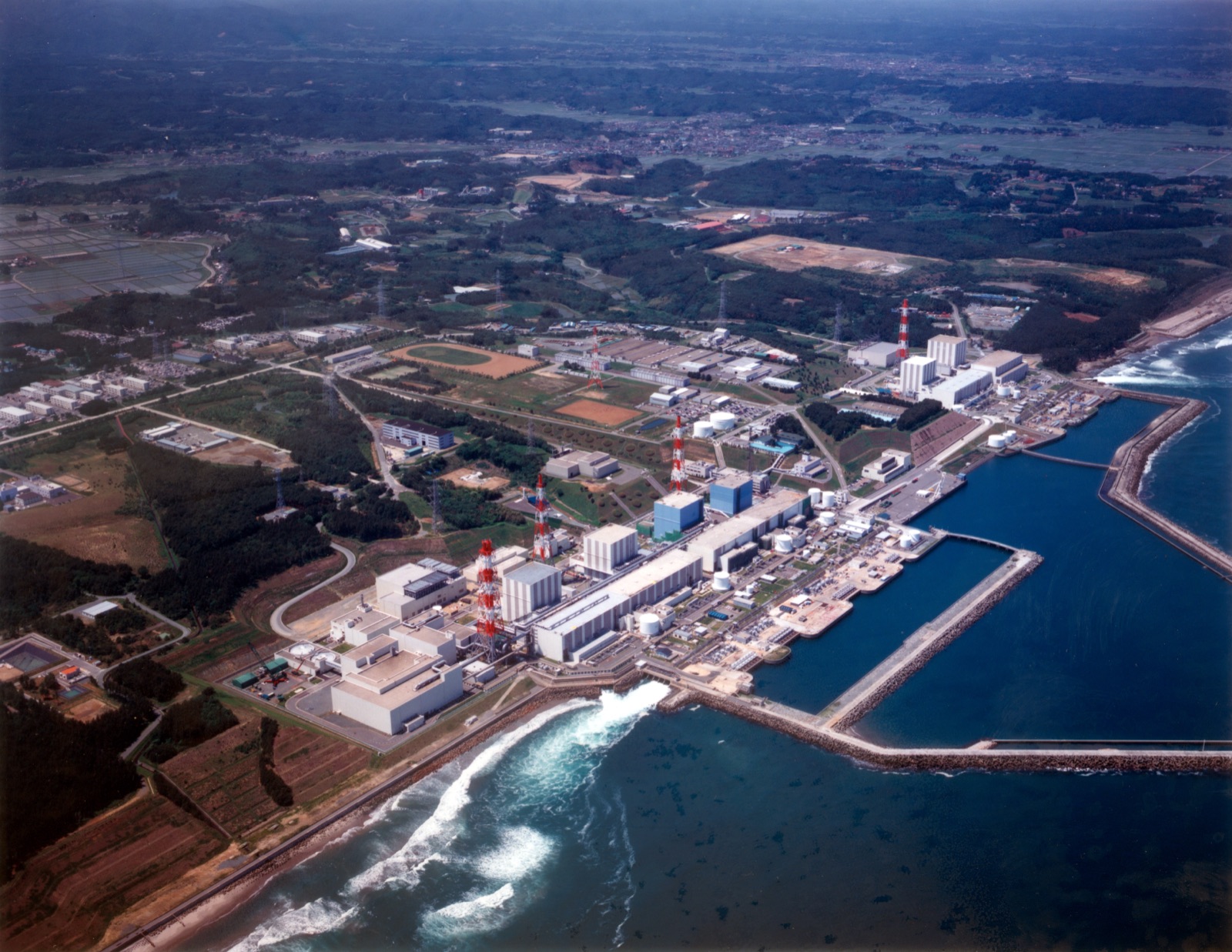
At 14:46 on the afternoon of Friday, March 11, 2011, the seabed ruptured off the Pacific coast of northern Japan in a magnitude 9.0 earthquake — the most powerful ever recorded in the country — and some fifty minutes later a tsunami reaching fourteen metres and more came over the sea wall at the Fukushima Daiichi Nuclear Power Plant, operated by the Tokyo Electric Power Company. The waves flooded the basements where the emergency generators stood, the plant lost all electrical power, and the cooling systems for three operating reactors went dark. Over the following four days the cores of units 1, 2, and 3 melted, hydrogen explosions tore the roofs off reactor buildings on March 12, 14, and 15, and radioactive material spread across the surrounding prefecture and out to sea. The accident was rated, with Chernobyl, at the maximum level of the international scale — Level 7. More than 150,000 people were evacuated from their homes, some of them never to return. And yet the central fact of Fukushima is not the wave. It is that the wave had been foreseen: that TEPCO's own engineers had calculated, three years earlier, that a tsunami of 15.7 metres was possible at the site, and that the company had deferred, doubted, and shelved the finding rather than act on it. When the National Diet of Japan convened the first independent investigation commission in the country's constitutional history, its chairman, Kiyoshi Kurokawa, wrote that what happened at Fukushima 'was a profoundly man-made disaster — that could and should have been foreseen and prevented.' This article examines the four days the cores melted, the warning that was filed away, the word the operator would not say for two months, and the strange arithmetic of accountability that followed: three executives acquitted in a criminal court, and four ordered in a civil one to pay their old company thirteen trillion yen.