MYSTERY
The Belgian UFO Wave: The Triangles Over Wallonia
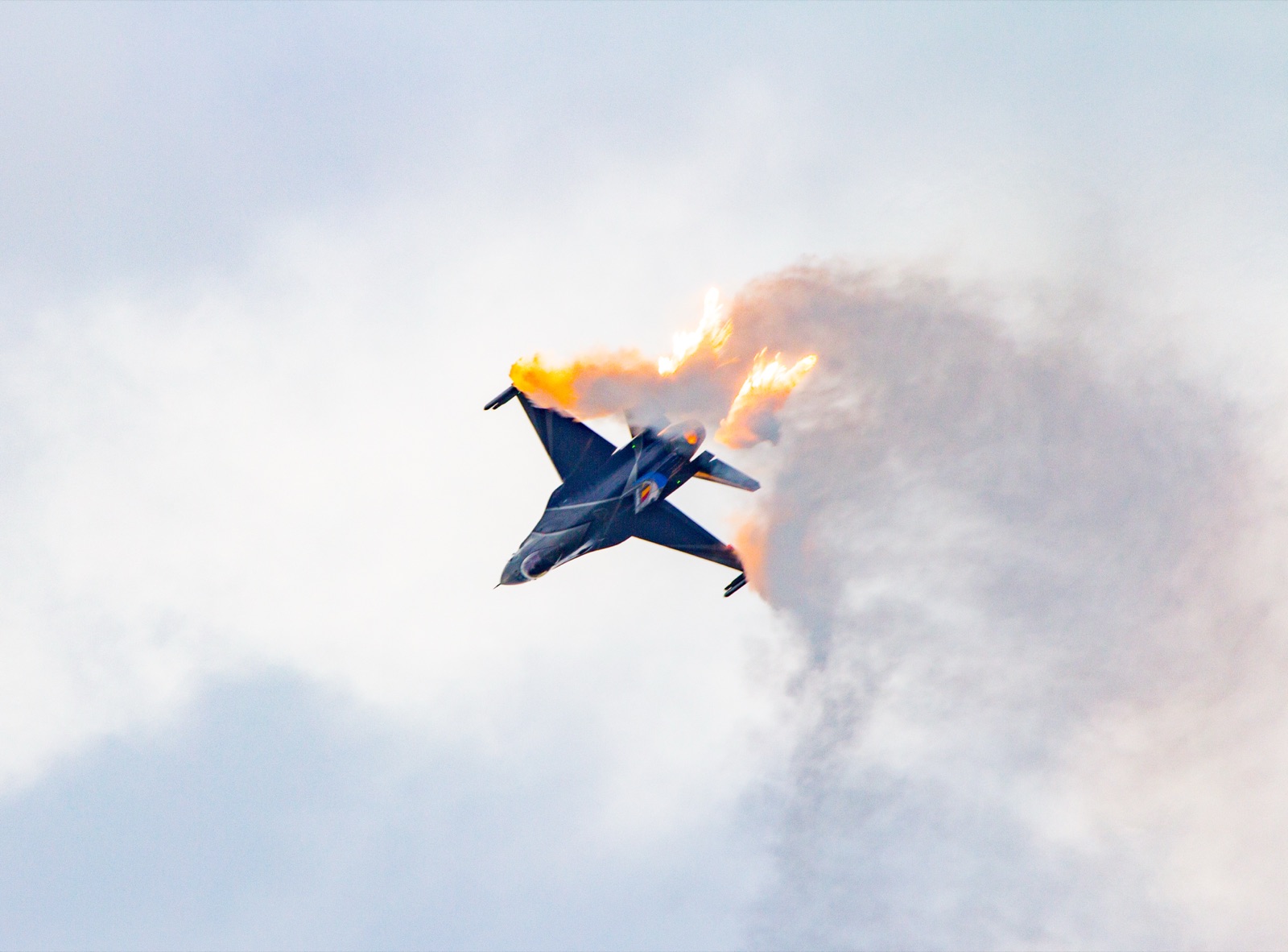
It began on the evening of 29 November 1989 in the hills near Eupen, in the German-speaking east of Belgium, where two gendarmes on patrol reported a large, silent object hanging low in the sky — a dark triangle marked by three bright lights at its corners and a pulsing red beacon at its centre. Over the following months, the sightings multiplied into one of the largest and most concentrated waves in the history of the subject: thousands of reports, most describing the same slow-moving triangle, gathered across the Walloon countryside through the winter and spring of 1989–1990. What made the Belgian wave unlike almost any other was not the reports themselves but the response to them. The Belgian Air Force, instead of dismissing the affair, engaged with it openly, scrambled F-16 fighters on the night of 30–31 March 1990 to chase radar contacts, and afterwards conceded, in public, that it had no explanation for what its instruments had recorded. A single striking photograph of a black triangle became the icon of the whole episode. Two decades later, the man who took it confessed that he had made it with a piece of painted polystyrene. This is the story of the triangles over Wallonia — of a genuine mystery, a genuine hoax, and the difficulty of telling, at this distance, exactly where one ends and the other begins.