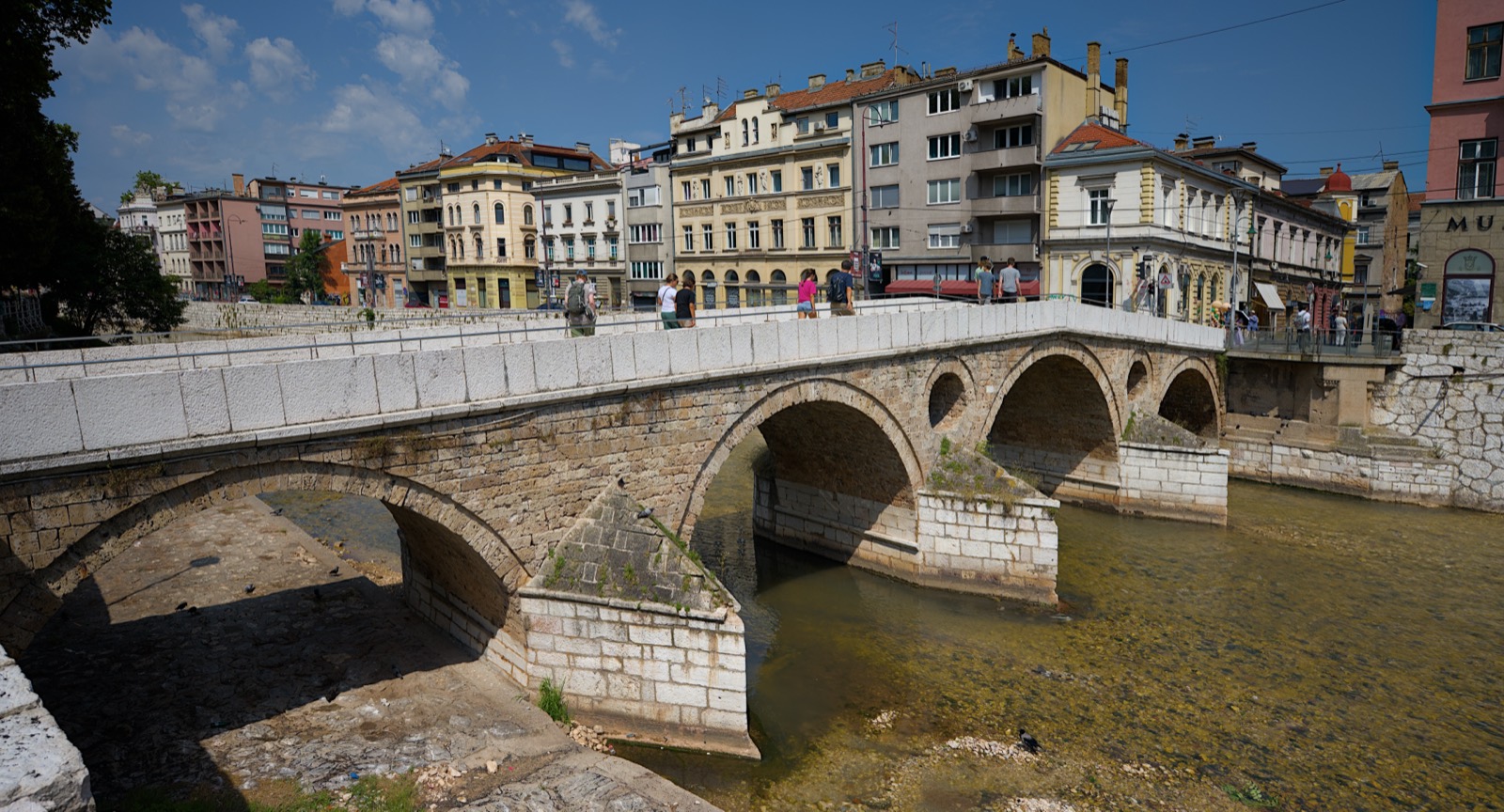
On the morning of 28 June 1914, Archduke Franz Ferdinand of Austria, heir presumptive to the throne of Austria-Hungary, rode through the streets of Sarajevo with his wife Sophie in an open car. Waiting along the route were members of a group of young Bosnian Serb nationalists, armed and trained by a secret society with links to Serbian military intelligence, who had come to kill him. The first attempt failed: a bomb was thrown and bounced away, wounding others but not the Archduke. It should have ended there. But a series of small mistakes — a change of route not passed to the drivers, a wrong turn, a car stopped to reverse at the worst possible spot — brought Franz Ferdinand's stalled vehicle to a halt a few feet from one of the assassins, Gavrilo Princip, who had given up and drifted away from his post. He stepped forward and fired twice. The Archduke and his wife were dead within minutes. What followed was not merely a tragedy for two people and their orphaned children but a catastrophe for the world: over the next six weeks, a tangle of alliances, ultimatums, and mobilisations turned a political murder in the Balkans into the First World War, which would kill some twenty million people and destroy four empires. This is the story of the shot that lit the world — and of how very nearly it was never fired.
State & Intelligence Operations
1914