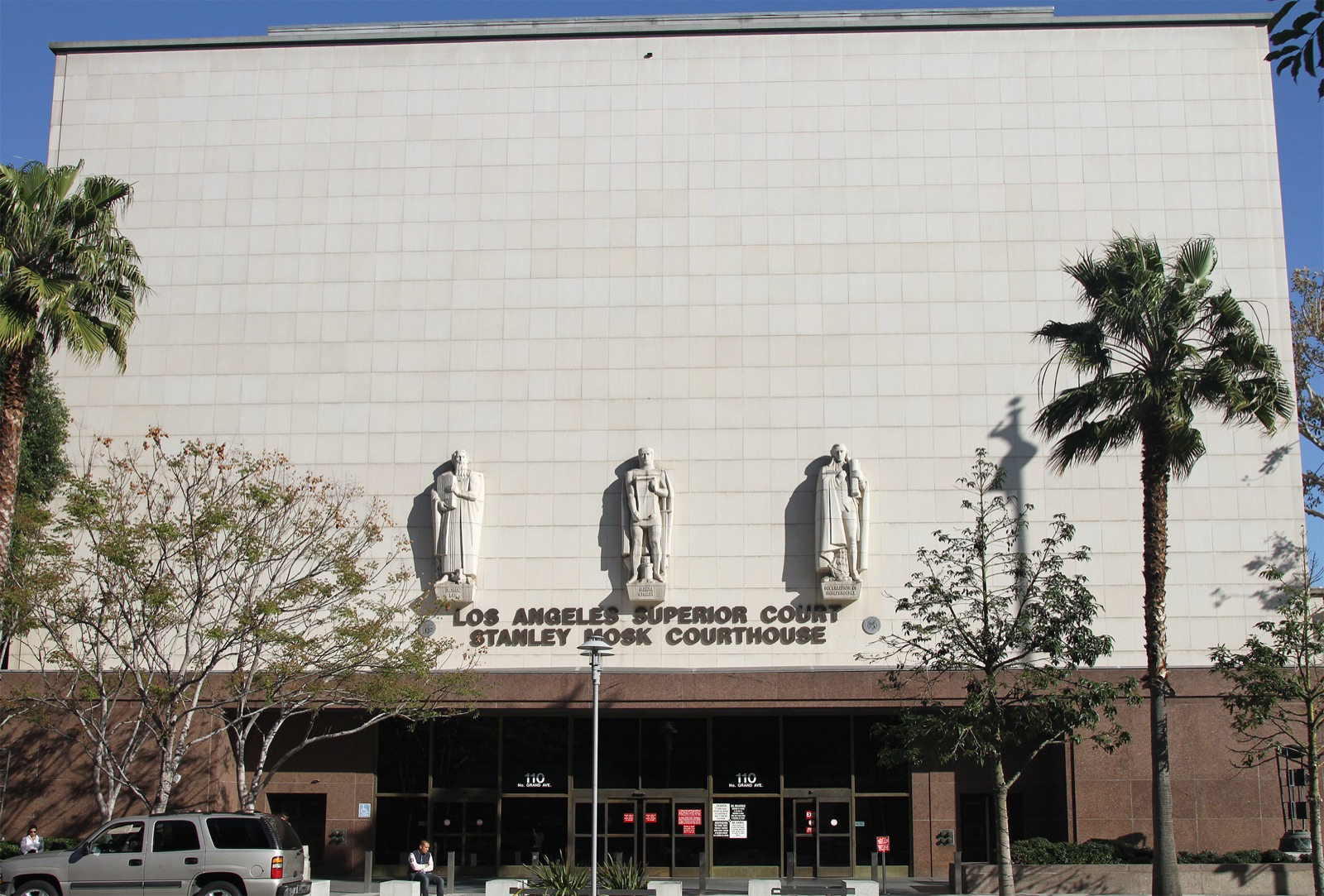
The Stanley Mosk Courthouse in downtown Los Angeles. Between 2008 and 2021, Britney Spears's conservatorship was administered from this building. Photograph by jjron, 2012. Wikimedia Commons, CC BY-SA 3.0.
#FreeBritney
Thirteen years, one hashtag, one courtroom
- Category
- Internet Phenomena
- Published
- Length
- 3,600 words · 17 min read
- Author
- The editors
#FreeBritney
Thirteen years, one hashtag, one courtroom.
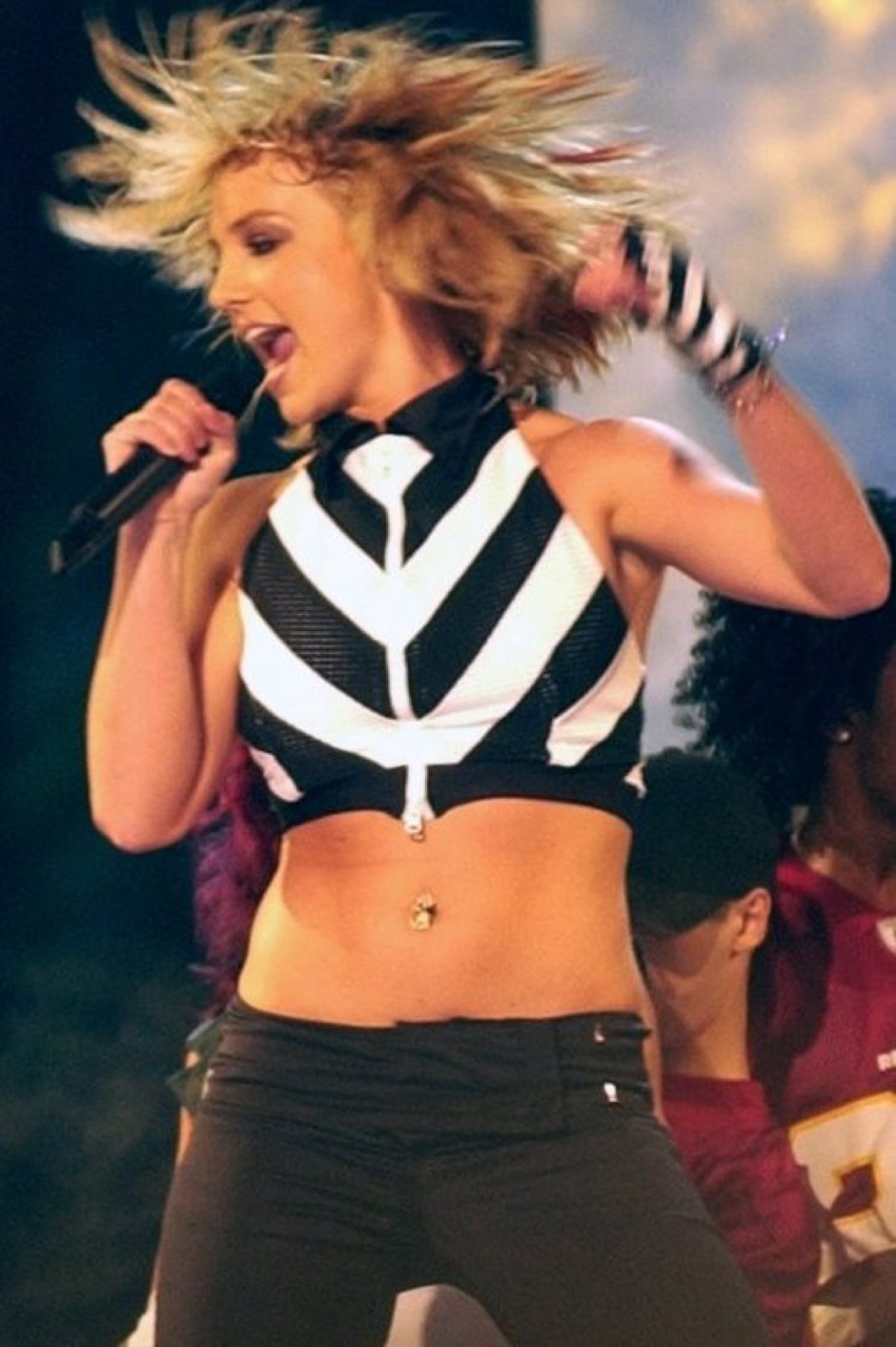
The night the 911 call came in
On January 3, 2008, Britney Spears barricaded herself in a bathroom at her Beverly Hills home with her two-year-old son Jayden. Her ex-husband Kevin Federline's security team called the Los Angeles Police Department. Officers from the LAPD's Mental Evaluation Unit arrived, spent approximately three hours in conversation with Spears through the bathroom door, and ultimately placed her on an involuntary 5150 psychiatric hold under California Welfare and Institutions Code Section 5150 — a 72-hour period of mandatory observation that California law permits when an individual is determined to be a danger to self, others, or "gravely disabled."
She was transported by ambulance to Cedars-Sinai Medical Center. The hold was extended into a 5250 (14-day) commitment on January 30, 2008, after a second psychiatric incident. While she was at UCLA Medical Center under the 5250, attorneys for her father Jamie Spears appeared before Judge Reva Goetz of the Los Angeles Superior Court Probate Division and filed an ex parte petition for a temporary conservatorship.
Judge Goetz approved the petition on February 1, 2008. The conservatorship was initially scheduled to expire after thirty days.
It did not expire. On February 28, 2008, it was extended. On October 28, 2008, after multiple intermediate extensions, Judge Goetz made the conservatorship permanent on the basis that Britney Spears could be subject to "undue influence" and required ongoing protection.
She was 26 years old. She had sold approximately 100 million records. She had a net worth, the court documents indicated, of approximately $50 million.
A temporary conservatorship that wasn't
The legal mechanism by which Britney Spears was placed under conservatorship is, in California family law, intended for two populations: very elderly persons with documented dementia, and severely disabled adults who cannot manage personal or financial affairs. The standard is "gravely disabled" — unable to provide for basic personal needs (food, clothing, shelter) due to mental disorder.
Spears was not in either of those categories. She was an active performer with millions of dollars in active earnings. The same year the conservatorship was made permanent, she released the album Circus (December 2008), which debuted at #1 on the Billboard 200 and spawned the international #1 single "Womanizer."
A working performer with a chart-topping album was, by court order, declared unable to manage her own finances.
This contradiction — that the same legal instrument used for elderly dementia patients was being used on an internationally touring pop star — became the central thread the #FreeBritney movement would pull on for the next 13 years.
The mechanics of conservatorship law are worth dwelling on. Under California Probate Code Section 1801, a conservatorship can be established when a court determines the conservatee is unable to "properly provide for personal needs." Crucially, the conservatee does not have the right to choose their own attorney — the court appoints one. From 2008 through July 2021, Britney Spears's court-appointed attorney was Samuel Ingham III. Ingham, by his own subsequent billings, charged the conservatorship approximately $3 million in fees during his thirteen-year tenure.
Spears would later testify that she did not know she had the right to ask the court to terminate the conservatorship. Ingham, according to her June 2021 statement, had not told her.
Thirteen years
The day-to-day texture of the conservatorship is documented across thousands of pages of court filings, depositions, and post-2021 journalism. Some specifics:
Money. Britney Spears's estate during the conservatorship years held an estimated $60 million in assets, supplemented by ongoing earnings. Jamie Spears, as conservator, was paid approximately $16,000 per month plus expenses (including office rent and assistant salaries), plus a 1.5% commission on her gross business income. By 2018, attorneys for the conservatorship — Jamie's attorneys, the estate's attorneys, Ingham, court-appointed mediators, business managers, and accountants — were drawing approximately $1 million per year combined from the estate.
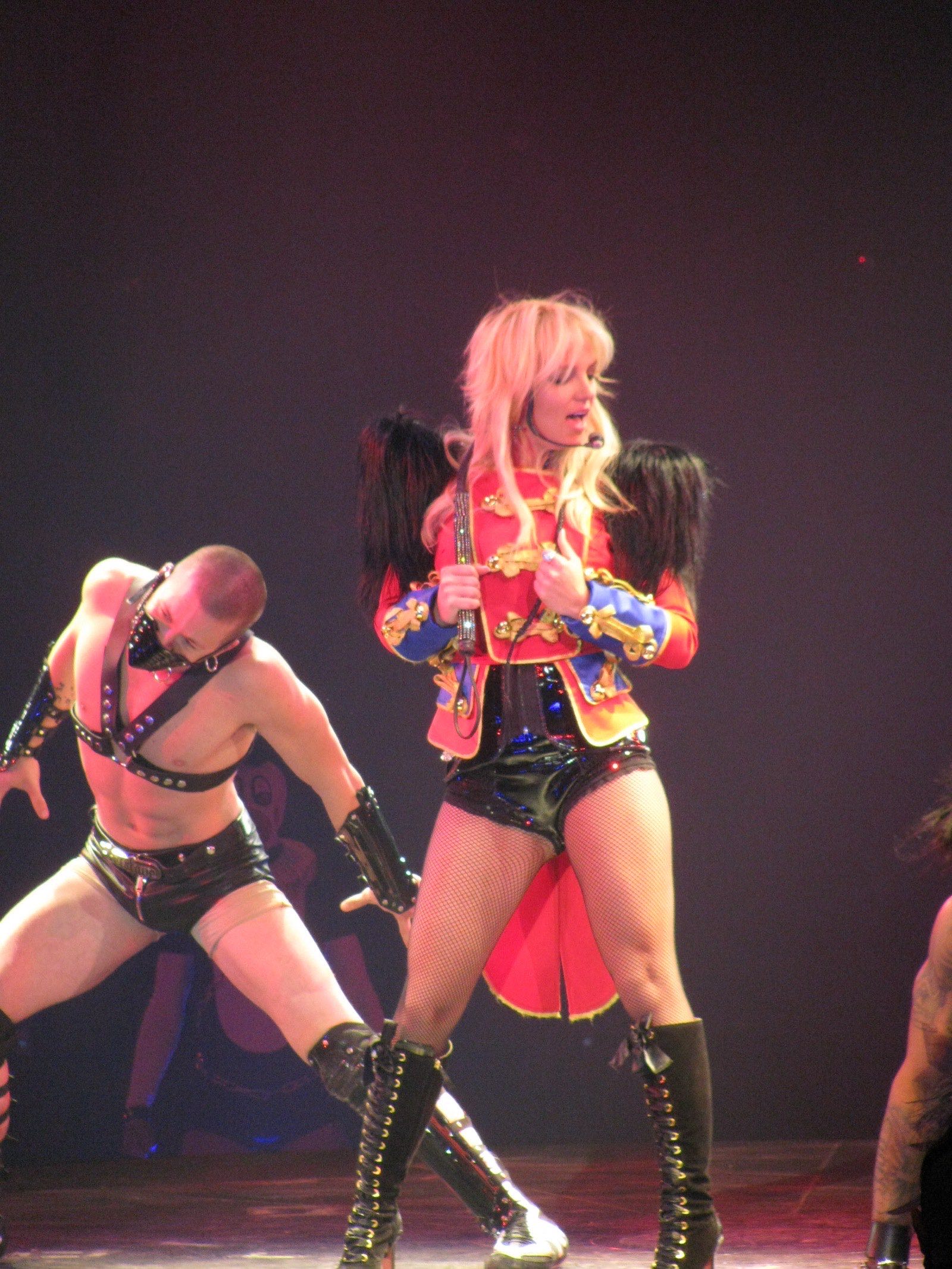
The residency. Between December 2013 and December 2017, Britney Spears performed Britney: Piece of Me at Planet Hollywood's AXIS Theater in Las Vegas — 248 shows across four years, grossing approximately $138 million. According to her June 23, 2021 statement, she was rehearsing this residency four days a week with one day off. She was, by court order, a working performer for the duration. The conservatorship took its administrative cut.
Movement. Spears could not, under the terms of the conservatorship, leave the state of California without conservator permission. She could not have her own credit cards. She could not drive her own car. According to her June 23 statement, she could not take an unscheduled bathroom break during rehearsals without the conservatorship's permission.
Medical autonomy. The most contested claim in Spears's June 23 testimony was that the conservatorship had refused to allow her to remove an IUD that had been placed in her body, and was therefore preventing her from having more children. The conservatorship has not publicly disputed this claim; nor has it confirmed it. The court has not released the medical records that would resolve the question.
How the movement worked
The #FreeBritney movement did not start as a coordinated political campaign. It started, in 2009, as a small community of fans on a website called BreatheHeavy, run by a 23-year-old Britney superfan named Jordan Miller from Idaho. Miller began documenting, in obsessive detail, the contradictions between the conservatorship's premise (that Britney was incapable of managing her affairs) and her observable output (a working, charting, touring artist).
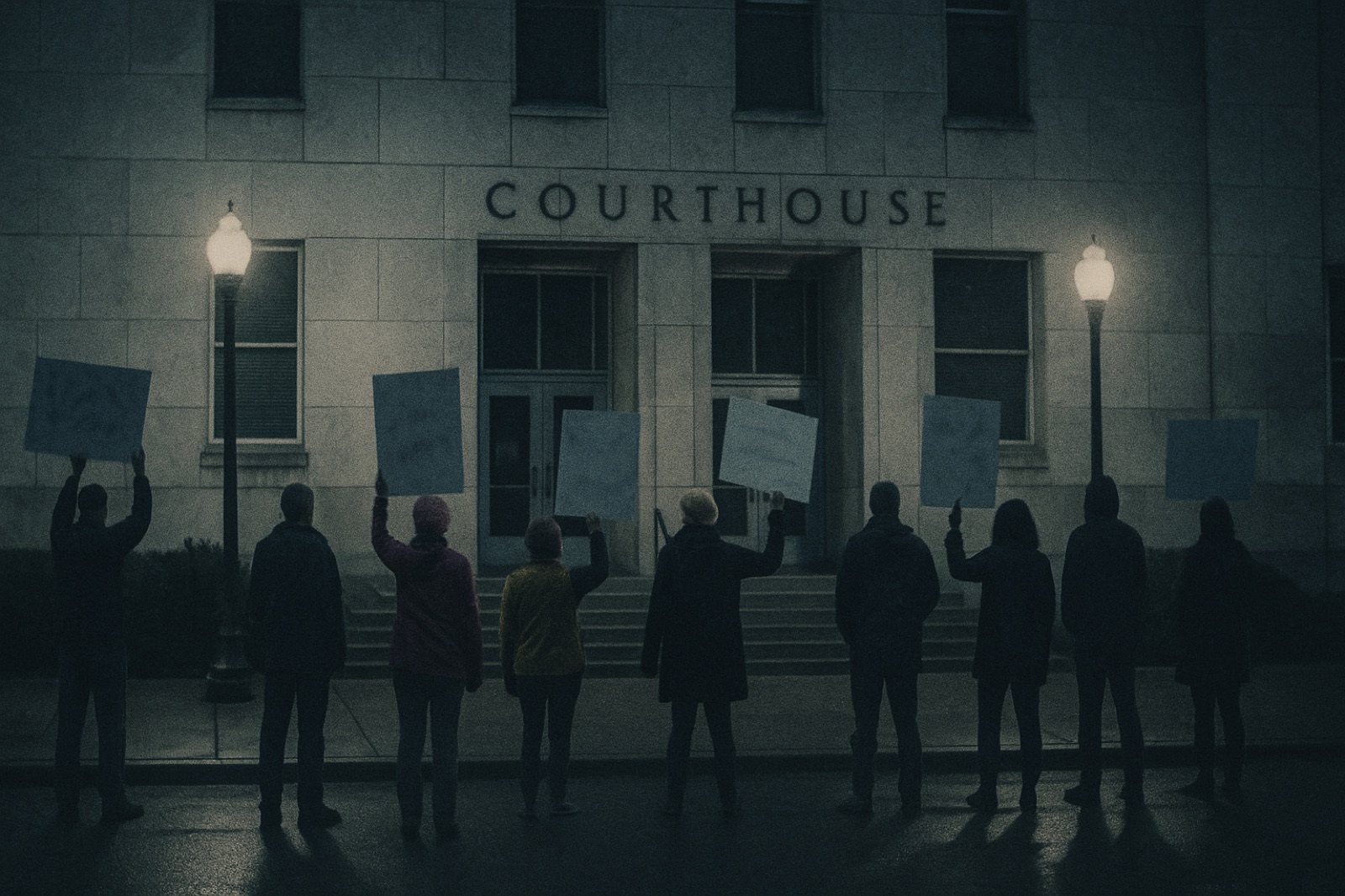
The community grew through the 2010s in a pattern characteristic of internet-native movements: small, intensely networked, semi-private. By 2016 there were active threads on Reddit (r/BritneySpears), a Twitter ecosystem of accounts coordinating around tour dates and court hearings, and a small group of fans who began physically appearing at Stanley Mosk Courthouse on hearing days to document who arrived in what car.
The inflection point came in April 2019. On the 16th of that month, an anonymous tip to Tess Barker and Babs Gray — hosts of a podcast called Britney's Gram — reported that Britney Spears had been involuntarily committed to a mental health facility because she had refused to take medication during a scheduled tour. The hosts dropped the tip on episode 102 of their podcast, #FreeBritney, on April 16, 2019.
The episode went viral within hours. The hashtag, which had existed in fragmented form since 2009, consolidated into a coordinated movement with concrete demands: end the conservatorship, account for the money, let Britney speak for herself.
Through 2019 and 2020, #FreeBritney rallies at the Stanley Mosk Courthouse grew from 30-50 people to several hundred. Fans coordinated through Discord servers, Twitter Spaces, and Reddit threads. They researched court filings. They identified Lou Taylor's company Tri Star and began digging into Tri Star's prior client list (which included Mel B and a number of athletes who had subsequently described contentious financial relationships).
The movement was largely composed of women under 35, gay men, and a significant disability-rights contingent who saw the conservatorship as a textbook case of guardianship abuse — the kind of abuse the disability rights community had been documenting for decades in populations less famous than Britney Spears.
The documentary that broke it
By the end of 2020, the #FreeBritney narrative had moved from fan-internet to professional journalism. The decisive moment was Framing Britney Spears, an episode of The New York Times Presents documentary series produced for FX and Hulu, directed by Samantha Stark, reported by Liz Day, released on February 5, 2021.
The film was 75 minutes. It did three things at once. First, it established the trajectory of Britney's pre-conservatorship career including the misogynistic press treatment of her 2007 breakdown. Second, it documented the #FreeBritney movement as a serious phenomenon rather than a fan-obsessive fringe. Third, and most critically, it took the conservatorship apart as a legal mechanism — interviewing former Spears family attorney Adam Streisand (who had attempted to represent Britney in 2008 and been disqualified by the court), and constitutional scholars on the question of how an active working adult could be stripped of legal personhood for thirteen years.
The film won the Television Critics Association award for Outstanding Achievement in News and Information and received two Primetime Emmy nominations. It also did something more practical: it shifted the political center of gravity. After Framing Britney Spears, mainstream commentary on the conservatorship moved from "controversial" to "concerning." Members of Congress, including Representative Matt Gaetz and Senator Elizabeth Warren — an unusual left-right pairing — publicly called for hearings on conservatorship abuse.
June 23, 2021
The hearing was scheduled for June 23, 2021. Britney Spears had requested permission to address the court directly. Judge Brenda Penny (who had taken over the case from Goetz) granted it.
Spears appeared by phone. She spoke for 24 minutes, uninterrupted. The transcript ran to approximately 6,000 words. It was the first time in 13 years that she had spoken publicly about the conservatorship in her own voice.
Some of what she said:
"I've been in shock. I am traumatized. I just want my life back."
"My dad and anyone involved in this conservatorship and my management — who played a huge role in punishing me when I said, 'No, ma'am' — they should be in jail."
"I am here to get rid of my dad and charge him with conservatorship abuse."
"I don't owe these people anything... They should be in jail."
She specifically alleged: forced lithium administration in 2019 (which she described as making her feel "drunk... I couldn't even have a conversation with my mom or dad about anything"); forced contraception via the IUD she had requested be removed and was not permitted to; forced labor (the 2018 tour she said her management threatened to sue her over if she did not perform); and a system of financial control that left her, in her words, with "$2,000 a week" of discretionary funds while the residency grossed in the tens of millions.
The hearing was unlocked to the press. Within hours, the audio was transcribed by multiple major outlets. Within days, Bessemer Trust (the institutional co-conservator that had been added to the estate in late 2020) filed to resign. Within weeks, Jamie Spears himself filed to step down.
November 12, 2021
The conservatorship was terminated on November 12, 2021, by Judge Brenda Penny, on motion of Britney Spears's new attorney Mathew Rosengart (who Spears had been allowed to hire for the first time in July 2021 — Ingham had resigned shortly after the June 23 statement, and Rosengart had been selected by Spears herself).
The Stanley Mosk Courthouse rally that day drew an estimated 800 people. The crowd erupted when the news came out of the courtroom. Britney Spears was, by court order, a free adult for the first time since age 26.
She was 39.
The cast
What it cost
The full financial accounting of the conservatorship has not been publicly released. Estimates compiled by The New York Times, The Wall Street Journal, and Variety from filed court documents place the combined fees paid to conservators, attorneys, and business managers at approximately $36 million across the 13 years — drawn from Britney Spears's own funds.
That figure does not include Tri Star's percentage of her business earnings, which is structured separately. Nor does it include the opportunity cost of the recordings and tours she did not pursue (per her June testimony) because she was effectively coerced into the projects the conservatorship had committed her to.
What it cost in non-monetary terms is harder to enumerate. Spears was permitted to marry Sam Asghari in June 2022 (seven months after termination). The couple divorced in 2024. Her 2023 memoir The Woman in Me described thirteen years of feeling, in her words, "like a shell of myself."
What we still don't know
Despite four documentaries, a memoir, and thousands of pages of court filings, several questions remain materially unresolved:
The original 5150. The medical records from January 2008 have never been made public. Whether the involuntary hold was clinically warranted under California law, or whether it was used as a pretext for a planned conservatorship, has been disputed by various accounts but not definitively settled.
The IUD. Britney Spears's claim that the conservatorship refused to allow IUD removal — if true, a violation of basic reproductive autonomy law that would have required additional court approval beyond the conservatorship's existing scope — has not been publicly resolved. The medical records that would either confirm or refute her account remain sealed.
Surveillance. The 2021 Hulu documentary Controlling Britney Spears (September 28, 2021) included testimony from a former employee of Black Box Security, the security firm contracted by the conservatorship, alleging that the firm had monitored Britney's bedroom audio. Black Box denied the specific claim. No formal investigation has been completed.
Who knew what. The full network of professionals who passed through the conservatorship — court-appointed evaluators, mental health experts, financial advisers, attorneys for the estate, business managers for the estate, security contractors — represents an institutional system whose collective knowledge of the day-to-day reality has not been comprehensively assembled.
Why this is a "confirmed" case
The Britney Spears conservatorship is not a conspiracy theory. It is an extensively documented legal arrangement. The court filings exist. The financial records exist (in sealed form, but in the court's custody). The June 23, 2021 testimony is on the public record.
What makes the case interesting for this archive is that it required a 13-year fan movement, two New York Times documentaries, and a 24-minute courtroom statement to extract a publicly visible accounting of an arrangement that, by its terms, should never have lasted more than a few weeks.
The #FreeBritney movement was, in this sense, a kind of distributed investigative journalism. Its central thesis — that something was wrong, that the conservatorship was being used in a way the law did not contemplate, that the working artist's productive output contradicted the legal premise that justified the conservatorship — was correct. It was correct from approximately 2009. It took until November 12, 2021 to be acknowledged in a courtroom.
The unsettled questions — the IUD, the surveillance, the original 5150 — remain unsettled because the institutional system that produced them has not been subjected to outside review. They are not mysterious; they are simply not investigated.
Sources
Primary documents:
- In re Conservatorship of Britney Jean Spears, Los Angeles Superior Court Probate Division, Case No. BP108870 (filed 2008). Selected docket available via PACER and DocumentCloud.
- Britney Spears, sworn statement before Judge Brenda Penny, June 23, 2021. Full transcript published by Variety, NPR, Rolling Stone.
- Britney Spears, The Woman in Me (Gallery Books, October 24, 2023).
- California Probate Code §§ 1800-1864.
- California Welfare and Institutions Code § 5150 (involuntary psychiatric hold statute).
Secondary investigative reporting: 6. Liz Day, Samantha Stark, et al., "Framing Britney Spears," The New York Times Presents / FX / Hulu, February 5, 2021. 7. The New York Times Presents: Controlling Britney Spears, FX / Hulu, September 24, 2021. 8. Britney vs Spears, Netflix documentary directed by Erin Lee Carr, September 28, 2021. 9. Liz Day, "Britney Spears Quietly Pushed for Years to End Her Conservatorship," The New York Times, June 22, 2021. 10. Joe Coscarelli and Liz Day, "Britney Spears's Conservatorship Nightmare," The New York Times, July 3, 2021. 11. Howard Stutz, "Britney Spears Las Vegas Residency Grosses $137M," Las Vegas Review-Journal, January 2018. 12. Tess Barker & Babs Gray, Britney's Gram podcast, episode 102 (#FreeBritney), April 16, 2019. 13. Ronan Farrow & Jia Tolentino, "Britney Spears's Conservatorship Nightmare," The New Yorker, July 3, 2021. 14. Jordan Miller, BreatheHeavy.com archives, 2009-2021. 15. Rolling Stone, "Read Britney Spears's Full Statement at Conservatorship Hearing," June 23, 2021.
Academic / legal scholarship: 16. Nina A. Kohn, "The Conservatorship Reckoning," Wisconsin Law Review, vol. 2022, no. 3 (2022).
Corrections & updates
2026-05-25: First publication.
Inspired this / based on it
Samantha Stark / The New York Times Presents (FX/Hulu) · ★ 6.8
The 75-minute documentary that broke the conservatorship into mainstream view. Aired February 5, 2021.
Samantha Stark / The New York Times Presents (FX/Hulu) · ★ 7.5
Follow-up by the same team — included testimony from a former Black Box Security employee. September 24, 2021.
Erin Lee Carr (Netflix) · ★ 6.5
Parallel investigation released the same week as Controlling Britney Spears.
Britney Spears
The conservatee's own memoir. Gallery Books, October 24, 2023.
Tess Barker & Babs Gray
The April 16, 2019 episode that catalyzed the modern movement.
Filed under
- #britney-spears
- #free-britney
- #conservatorship
- #jamie-spears
- #lou-taylor
- #tri-star
- #andrew-wallet
- #brenda-penny
- #samantha-stark
- #framing-britney
- #los-angeles
- #stanley-mosk-courthouse
- #2008
- #2021
- #usa
- #fan-movement
- #celebrity-law
- #disability-rights
Click any tag for every article carrying it.
Continue reading

Cambridge Analytica
In 2014, a 27-year-old Canadian data scientist named Christopher Wylie helped design what he would later describe as a 'psychological warfare tool.' His employer, Cambridge Analytica, had paid an academic researcher to build a personality quiz that, through a quirk of Facebook's developer policy, harvested data not only on the people who took it but on every Facebook friend of every taker — eventually some 87 million profiles. The data was used to target voters in the 2016 Brexit referendum and the 2016 Trump presidential campaign. Wylie went to The Guardian in March 2018. Within ten weeks, Cambridge Analytica had shut its doors.
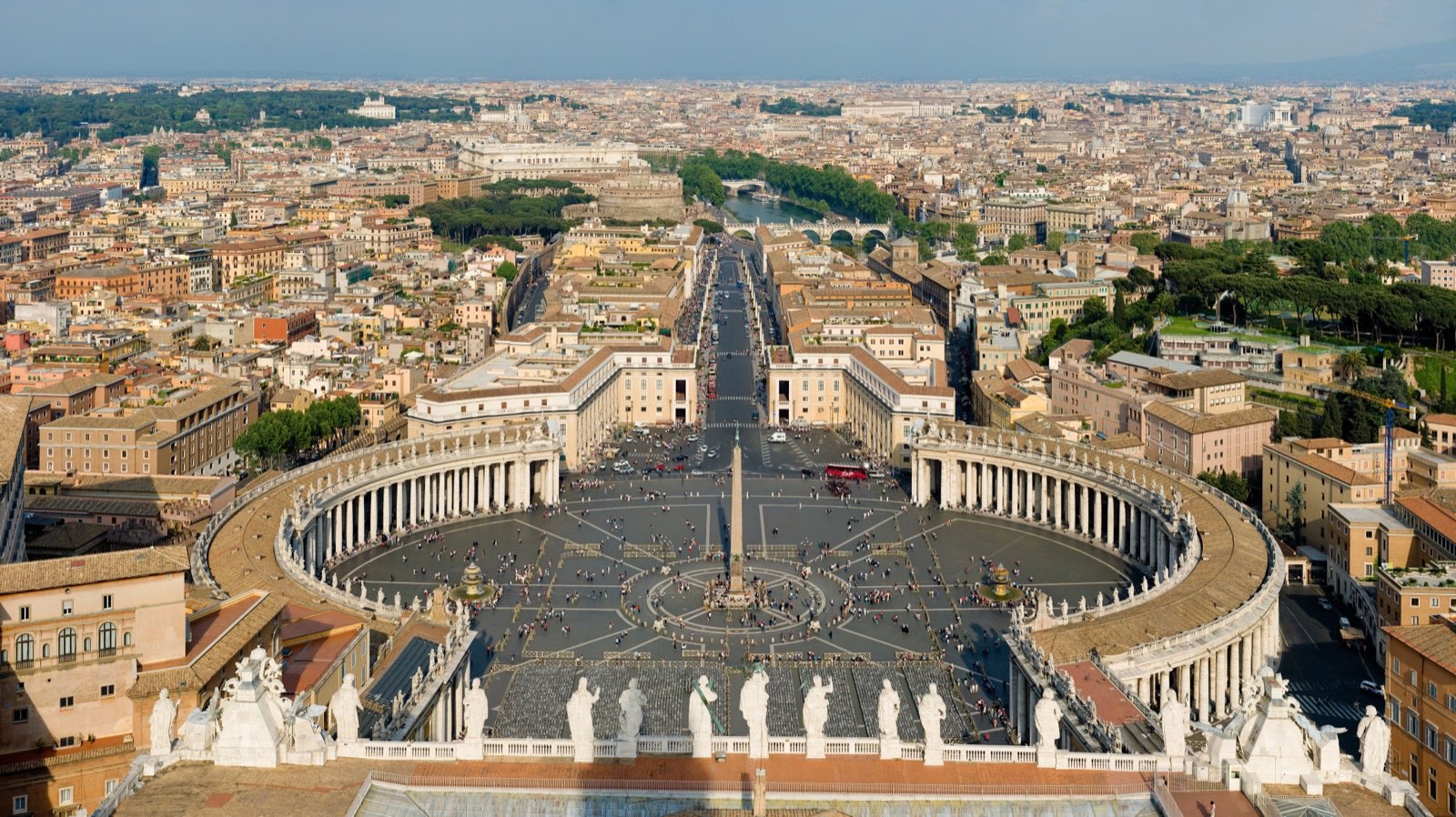
The Catholic Church Abuse Cover-Up
On Sunday, January 6, 2002, the Boston Globe's Spotlight team published a 3,500-word article titled 'Church allowed abuse by priest for years.' The priest was John J. Geoghan. The diocese was Boston. The cardinal who had transferred him among parishes despite knowing of allegations since 1984 was Bernard Law. What began as a Boston story became, over the next two decades, a global accounting: Pennsylvania, Pennsylvania again, Ireland, Australia, Germany, France. The French Sauvé Commission in 2021 estimated that 330,000 children had been abused by clergy and lay members of the Catholic Church in France alone since 1950.
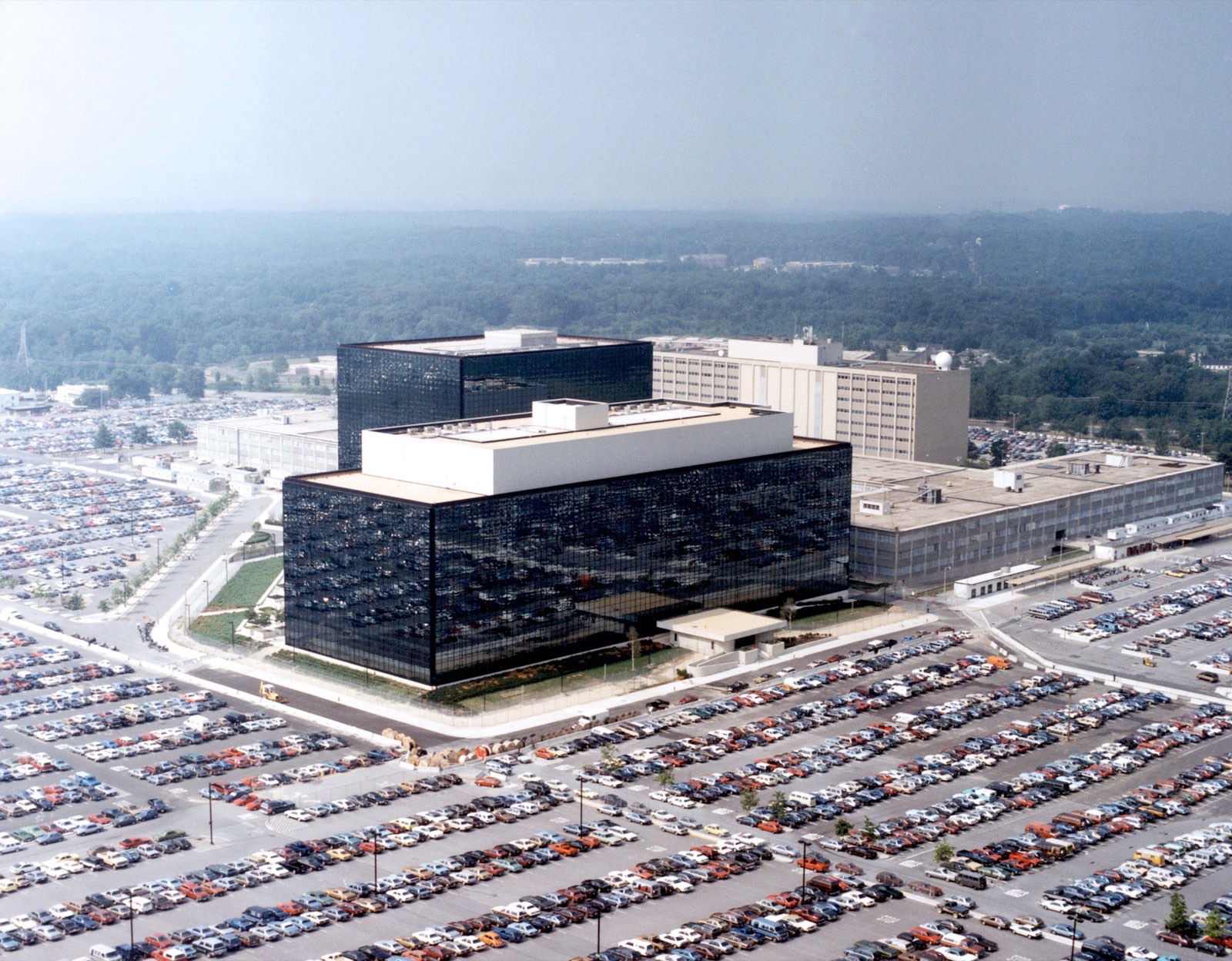
The Snowden Disclosures
In May 2013, a 29-year-old NSA contractor named Edward Snowden boarded a flight from Honolulu to Hong Kong carrying four laptops loaded with classified documents from the world's largest signals-intelligence agency. Over the following months, *The Guardian*, *The Washington Post* and *Der Spiegel* published material from those drives that revealed the architecture of post-9/11 surveillance — PRISM, XKeyscore, Boundless Informant, MUSCULAR. Within ninety days, the global conversation about surveillance, sovereignty, and the limits of state power had shifted. Snowden has lived in Russia since August 2013.