Tag
#usa
25 articles

Bigfoot and the Ape That Biology Forbids
Somewhere in the dense, dripping forests of the Pacific Northwest, the story goes, walks a creature seven, eight, nine feet tall — heavy, hairy, ape-like, and upright, leaving enormous human-shaped footprints and a smell that witnesses never forget. It has a Native name anglicised as Sasquatch and a newspaper name, born in 1958, that conquered the world: Bigfoot. It has thousands of reported sightings, a famous home movie shot in 1967 that shows a striding figure turning to look back at the camera, a small library of plaster footprint casts, and a devoted community of researchers, hunters, and weekend believers who have spent their lives looking for it. What it does not have, after more than sixty years of that searching, is a single specimen. No body has ever been recovered, living or dead; no bone, no tooth, no fossil of any North American great ape has ever been found; and every hair and droppings sample submitted for genetic testing has come back as a bear, a deer, a human, a cow — never as an unknown primate. The name itself began as a hoax, the founding footprints carved from wood by a prankster whose family confessed it after his death. The most rigorous DNA study of alleged Bigfoot and Yeti samples, run by an Oxford geneticist, matched every one to a known species. And the biology is decisive: no ape has ever lived in the Americas, and a breeding population of giant primates could not hide from a continent now carpeted with trail cameras and smartphones. By the standards of evidence, Bigfoot does not exist. And yet it thrives — in the festivals, the statues, the television shows, and the sincere conviction of people who have seen something they cannot name. This article sets out where the legend came from, why its best evidence dissolves on inspection, what science has actually established, and why a creature that almost certainly is not there refuses to leave the woods.
D.B. Cooper and the Only Hijacking That Was Never Solved
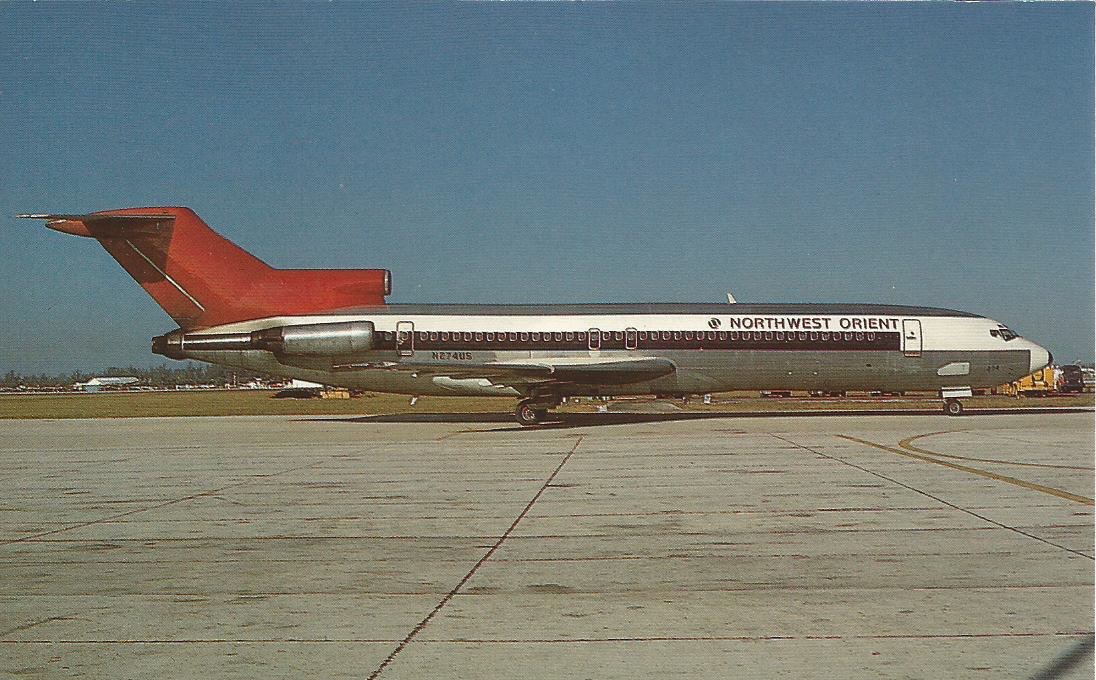
On the afternoon of Wednesday, November 24, 1971, the day before Thanksgiving, a man in a dark suit and a clip-on tie boarded Northwest Orient Airlines Flight 305, a Boeing 727 making the short hop from Portland, Oregon, to Seattle. He had bought his ticket with cash under the name Dan Cooper. Once airborne he handed a flight attendant a note saying he had a bomb, opened a briefcase to show her a tangle of wires and red cylinders, and dictated his terms: two hundred thousand dollars in twenty-dollar bills and four parachutes, to be waiting when the plane landed at Seattle-Tacoma. The airline paid. On the ground Cooper released the thirty-six passengers, kept four crew, had the jet refuelled, and ordered it back into the air toward Mexico City — flying low and slow, landing gear down, with the rear airstair lowered. Somewhere over the dark, rain-soaked forests of southwestern Washington, at around a quarter past eight in the evening, he stepped off the end of those stairs into the night with the money strapped to his body, and vanished. No body was ever found. No parachute was ever found. Of the ten thousand marked bills, exactly two hundred and ninety ever turned up — a packet of rotting twenties dug out of a riverbank by a child nine years later. The FBI worked the case for forty-five years, ran down more than a thousand suspects, and in 2016 quietly closed it without an answer. The skyjacking of Flight 305 remains the only unsolved act of air piracy in the history of American aviation, and 'D.B. Cooper' — a name born from a reporter's error — became the rarest kind of American legend: a criminal almost everyone half-hopes got away. This article reconstructs what actually happened that night, what the single scrap of physical evidence does and does not tell us, and why a fifty-year-old robbery has never let go of the public imagination.
The Zodiac Killer and the Cipher That Held Out for Fifty Years
Between December 1968 and October 1969, someone shot or stabbed seven people in the suburbs and countryside around San Francisco Bay, killing five of them, and then did something almost no murderer does: he wrote to the newspapers. In a series of letters to the San Francisco Chronicle, the San Francisco Examiner, and the Vallejo Times-Herald, a man claiming the killings announced himself, demanded that his words be printed on the front page on pain of further murders, signed himself with a crossed-circle symbol, and opened his messages with a line that became infamous — 'This is the Zodiac speaking.' He enclosed ciphers, blocks of strange symbols that he said concealed his identity, and he taunted the police forces of four separate jurisdictions who could not catch him. One of those ciphers, a 408-symbol cryptogram, was broken within a week by a pair of schoolteachers; another, the 340-symbol cipher he mailed in November 1969, defeated professional and amateur codebreakers for fifty-one years before an international trio cracked it in December 2020 — and, like the first, it contained taunts but no name. The Zodiac claimed thirty-seven victims; police could confirm five. He was never identified, never charged, never caught. The case remains officially open more than half a century later, the most famous unsolved serial-murder case in American history, and one whose grip on the public comes precisely from its central absence: a killer who told the world everything except the one thing it most wanted to know. This article reconstructs what is actually known — the confirmed murders, the letters, the ciphers and what they did and did not reveal — and separates it from the long parade of suspects and 'solutions' that have never quite closed the case.
Kodak and the Trinity Test
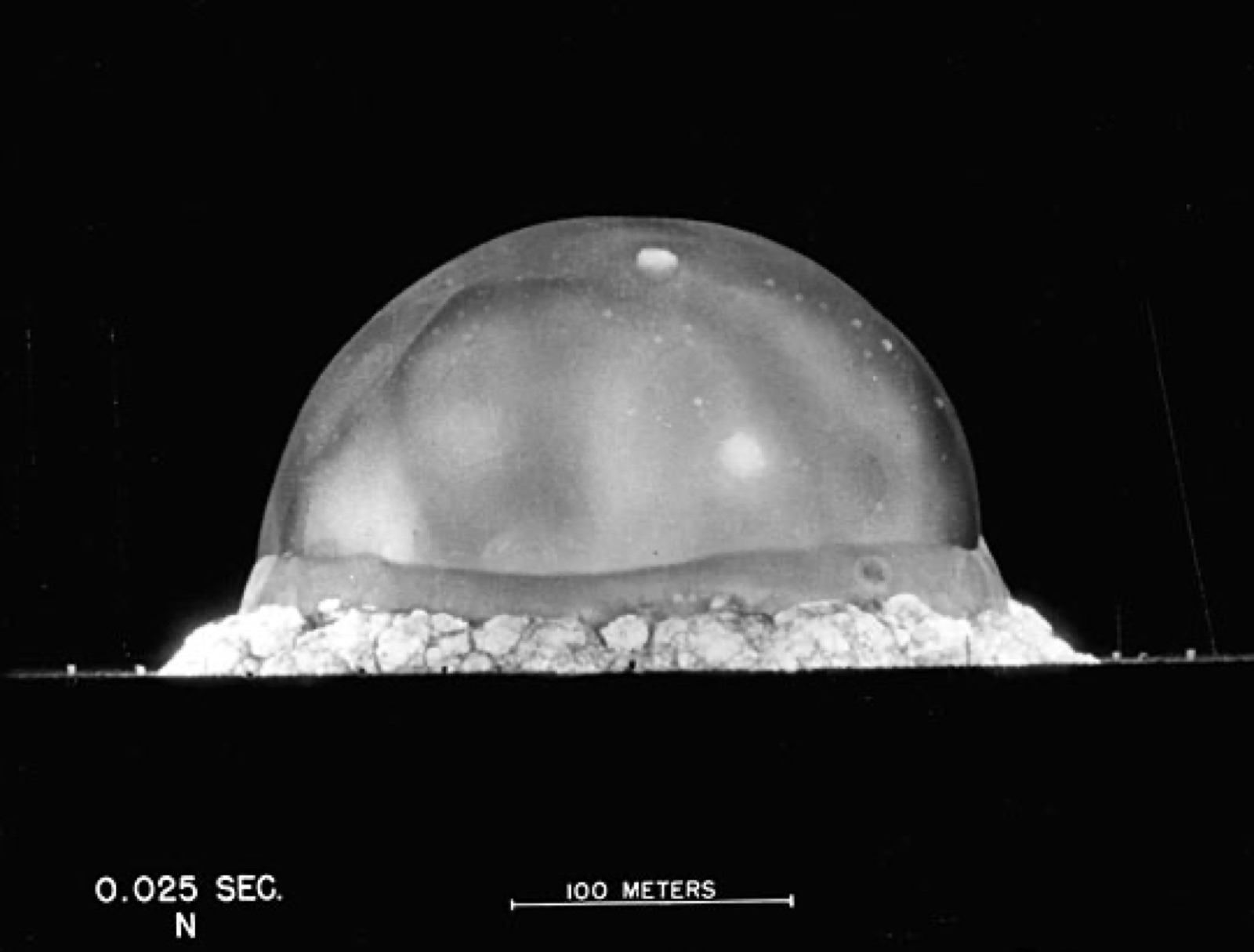
In January 1946, X-ray film from Eastman Kodak began coming back damaged with unexplained spots. When the company's chemists finally traced the source, they were forced to confront the U.S. government. What they were given went further than anyone expected — and stayed secret for fifty years.
Epstein Didn't Kill Himself
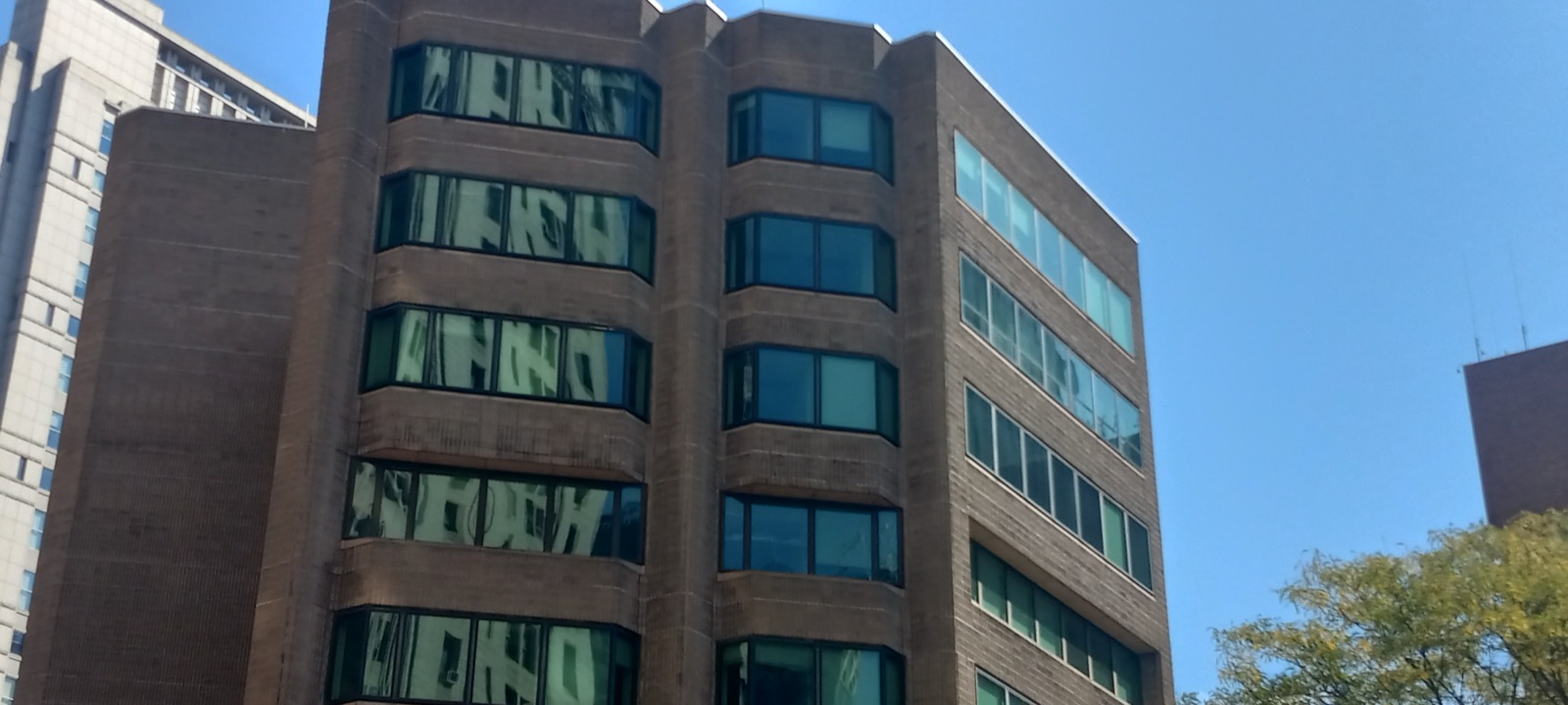
At approximately 6:30 a.m. on Saturday, August 10, 2019, Jeffrey Epstein was found unresponsive in his Special Housing Unit cell at the Metropolitan Correctional Center in lower Manhattan. He was 66 years old, one month into pretrial federal detention on sex-trafficking charges that carried a maximum sentence of 45 years. The Federal Bureau of Prisons announced his death by suicide. The New York City Office of the Chief Medical Examiner, after a five-day review including consultation with Dr. Michael Baden — the prominent independent forensic pathologist retained by Epstein's brother to observe the autopsy — issued a final determination of suicide by hanging. Baden publicly dissented, stating that the pattern of hyoid and thyroid cartilage fractures Epstein exhibited was, in his decades of homicide-investigation experience, more consistent with strangulation than with hanging. The two corrections officers assigned to monitor Epstein on the night of August 9-10 — Tova Noel and Michael Thomas — were subsequently charged with falsifying official records: they had certified mandatory 30-minute observation rounds they had not performed. Both had been awake on personal-shopping websites; both had slept; neither had checked Epstein's cell for approximately three hours. The cell-block surveillance cameras outside Epstein's cell had malfunctioned during the relevant window. The cell itself was not monitored. The phrase 'Epstein didn't kill himself' entered American public discourse within 72 hours of the announcement and has not left it. The federal forensic record concludes suicide. The public conviction, across the U.S. political spectrum, remains substantially otherwise.
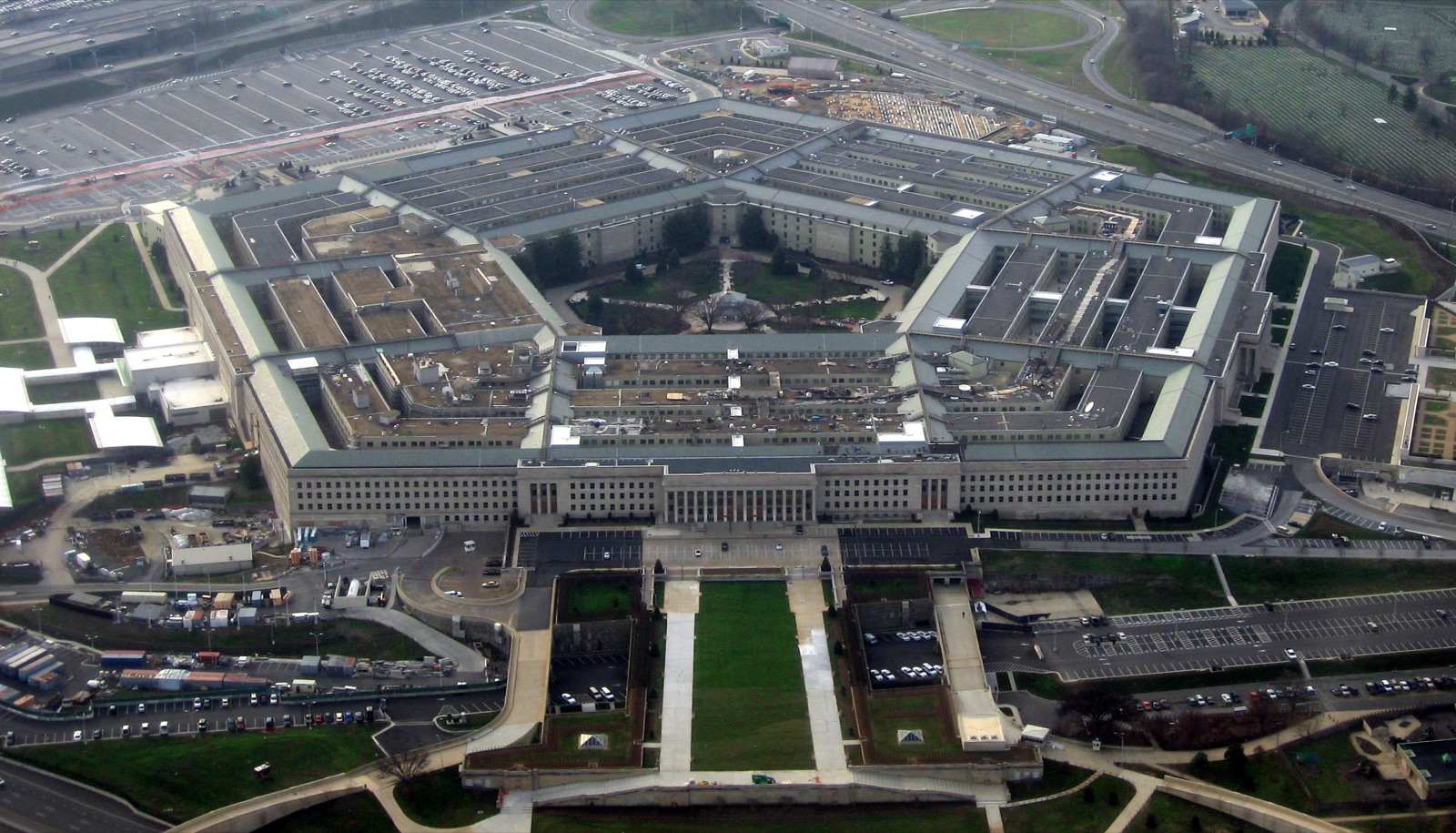
The Pentagon UAP Report
On December 16, 2017, *The New York Times* published a front-page article disclosing that a small, classified program inside the Pentagon — formally the Advanced Aerospace Threat Identification Program, informally AATIP — had been studying military encounters with Unidentified Aerial Phenomena since 2007. The article was accompanied by previously-classified U.S. Navy gun-camera footage of an oval-shaped object filmed off the coast of San Diego by an F/A-18F Super Hornet of the USS Nimitz Carrier Strike Group in November 2004 — the so-called 'Tic-Tac' footage. Over the following seven years, the U.S. Department of Defense has progressively renamed its UAP investigation office (AATIP → UAPTF → AOIMSG → AARO), held three Congressional hearings on UAP, issued one Office of the Director of National Intelligence preliminary report (June 2021), one All-domain Anomaly Resolution Office Historical Record Report Volume I (March 2024), and received Senator Chuck Schumer's UAP Disclosure Act amendment to the 2024 National Defense Authorization Act in substantially diluted form. In July 2023 a former Air Force intelligence officer, David Grusch, testified under oath to the House Oversight Subcommittee on National Security that the U.S. government holds 'non-human biologics' recovered from crashed craft — testimony the Pentagon has denied. The substantive evidentiary picture has not changed since 2017. What has changed is what governments are willing to say in public about it. The case file is open.
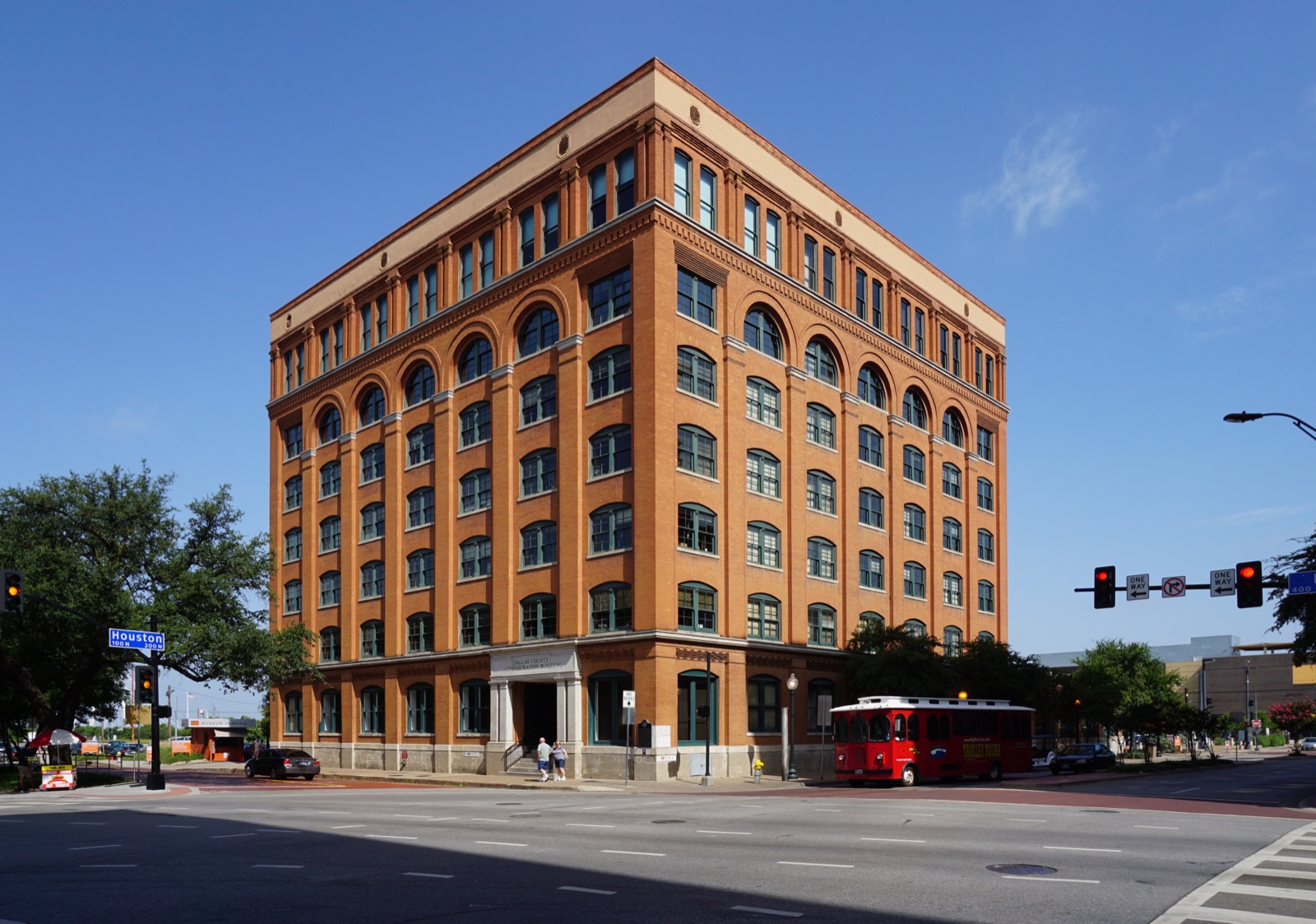
The JFK Assassination
At 12:30 p.m. local time on Friday, November 22, 1963, three rifle shots were fired at the presidential motorcade as it traveled through Dealey Plaza in downtown Dallas. The 35th President of the United States, John Fitzgerald Kennedy, was struck twice — first through the neck and then in the head. He was pronounced dead at Parkland Memorial Hospital at 1:00 p.m. The man arrested for the killing — Lee Harvey Oswald, a 24-year-old former U.S. Marine who had defected to the Soviet Union in 1959 and returned to the United States with his Russian wife in 1962 — was shot to death two days later, on November 24, in the basement of the Dallas Police Department by Jack Ruby, a Dallas nightclub owner with documented organized-crime connections. Oswald was never tried. The Warren Commission, appointed by President Lyndon Johnson on November 29, 1963, concluded in its September 1964 report that Oswald had acted alone. The 1976-1979 House Select Committee on Assassinations concluded that Oswald had assassinated Kennedy but that 'a conspiracy was probable' based on disputed acoustic evidence. Approximately 5 million pages of classified material related to the case have been declassified in waves since the 1992 JFK Records Act — most recently in major batches in October 2017, November 2017, April 2018, December 2022, and June 2023. The final tranche under Trump's second presidency was released March 18, 2025. The declassifications have confirmed extensive operational CIA activity connected to Oswald's pre-assassination movements but have not produced documentary evidence of a second shooter or of senior-level U.S. government involvement. The case remains the foundational American conspiracy story and the principal modern example of how partially-declassified state files can sustain — rather than resolve — public doubt.
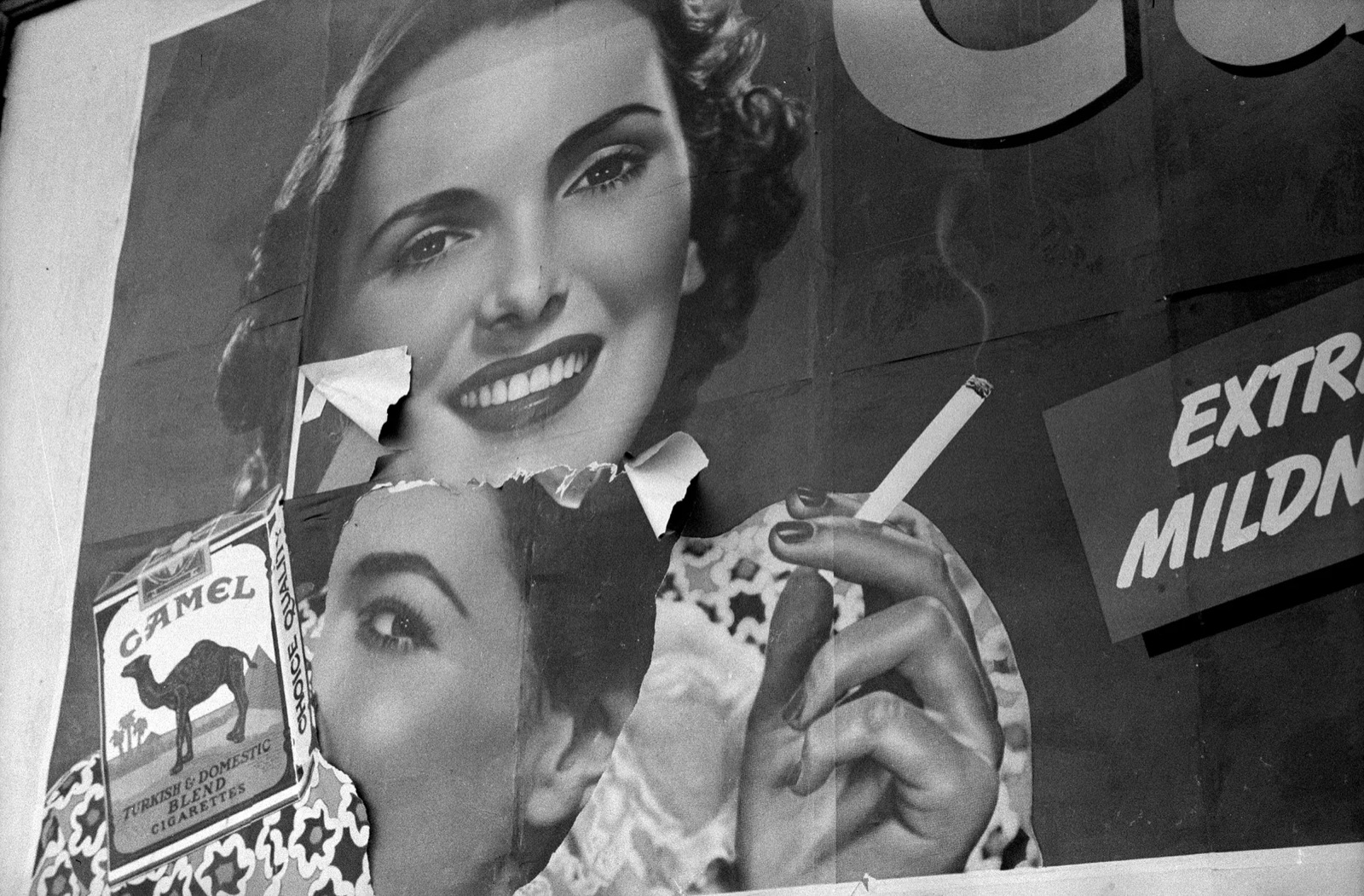
Big Tobacco's Cancer Cover-Up
On the morning of January 4, 1954, a full-page advertisement appeared in 448 American newspapers under the headline *A Frank Statement to Cigarette Smokers*. It was signed by the chief executives of the United States' six largest tobacco companies. The advertisement assured the American public that 'there is no proof that cigarette smoking is one of the causes of cancer' and that the industry would underwrite scientific research to find the truth. The advertisement had been drafted by John W. Hill of the Hill & Knowlton public-relations firm, hired by the tobacco industry's chief executives at a meeting at the Plaza Hotel in New York on December 14-15, 1953. The strategy that the meeting produced — manufacture doubt about epidemiological evidence the industry already privately accepted, do this through industry-funded research that produced findings inconsistent with the public-health consensus, and continue to sell cigarettes to American smokers while doing so — would be sustained for forty-four years. It would be ended, in 1998, by the Master Settlement Agreement: the largest civil legal settlement in American history at $206 billion across 25 years, paid by the surviving tobacco companies to 46 states, the District of Columbia, and five U.S. territories. By that point, an estimated 8 million Americans had died from smoking-related cancers, cardiovascular disease, and respiratory illness during the cover-up period.
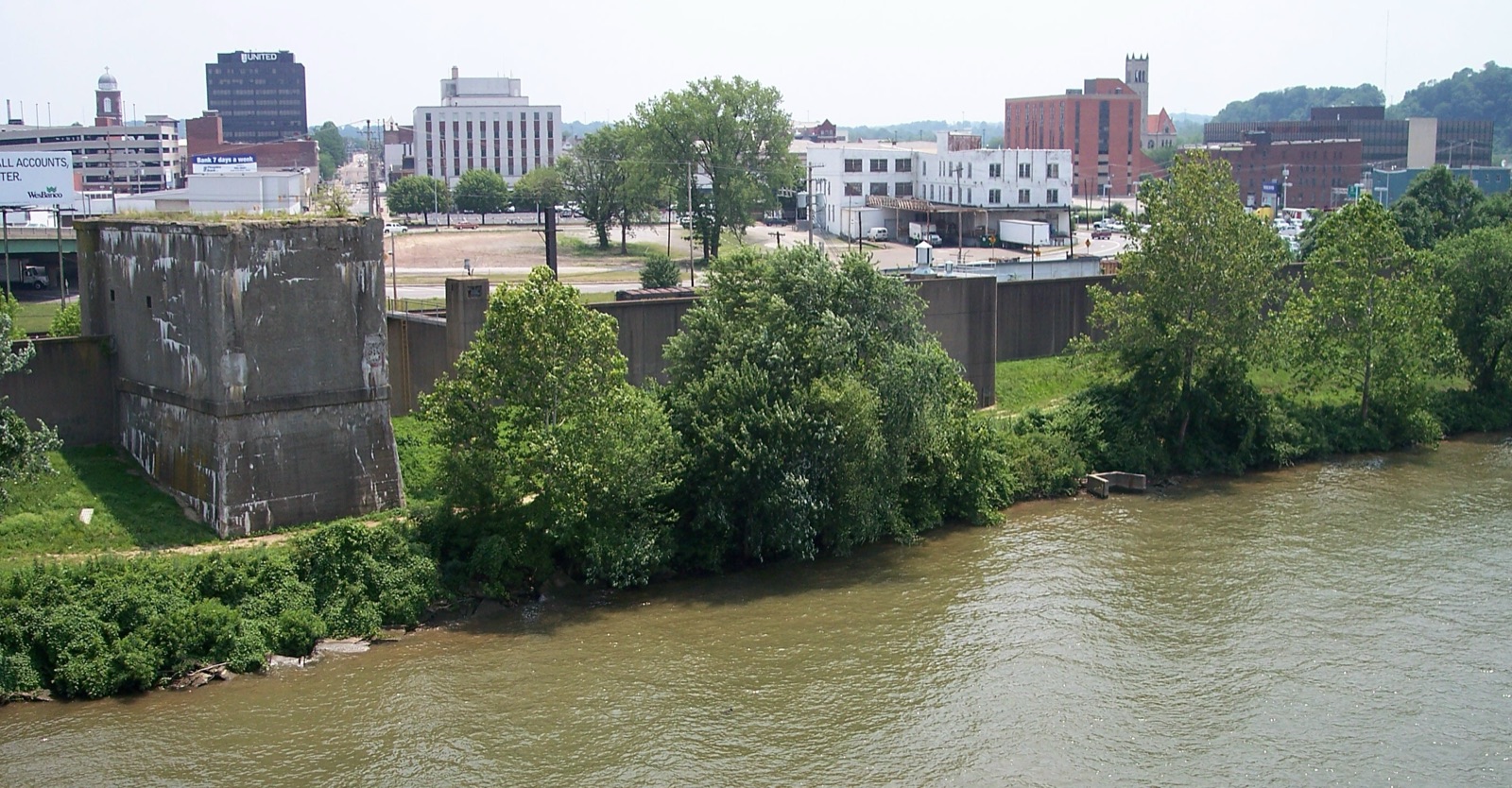
DuPont and PFOA
In October 1998, a West Virginia cattle farmer named Wilbur Tennant called a Cincinnati lawyer named Robert Bilott about 153 dead cows. The cows had been drinking from Dry Run Creek, three miles downstream from the DuPont Washington Works chemical plant. Tennant's home video showed cattle with bloody mouths, gum cancer, and stumbling gaits before they died. Bilott — a corporate-defense attorney at Taft Stettinius & Hollister who had spent his career representing chemical companies — agreed to look at the file as a personal favor to his grandmother, who knew the Tennant family. The look became a twenty-year case. By the time Bilott was finished, he had uncovered: that DuPont had been releasing perfluorooctanoic acid (PFOA, code-named 'C8') into the Ohio River and into landfills for over forty years; that DuPont had known PFOA was toxic since at least 1961; that the company's own animal studies in 1981 had shown birth defects in offspring of exposed female workers; and that approximately 99% of the U.S. population, by 2007, had detectable levels of PFOA in their blood. The 2005 EPA fine ($16.5 million) was the largest in U.S. environmental enforcement history at the time. The 2017 multi-district settlement was $670.7 million. The C8 Science Panel — established as part of an earlier 2005 class-action settlement — confirmed by 2012 that PFOA is causally linked to six diseases including kidney and testicular cancer. PFOA was phased out of U.S. production by 2015. Its environmental persistence — half-life in human blood is approximately 3.8 years — means that, by 2025, every American adult has some PFOA exposure dating from the production era. The chemical that made non-stick cookware possible is, in this sense, still with us.
The Moon Landing Hoax Theory
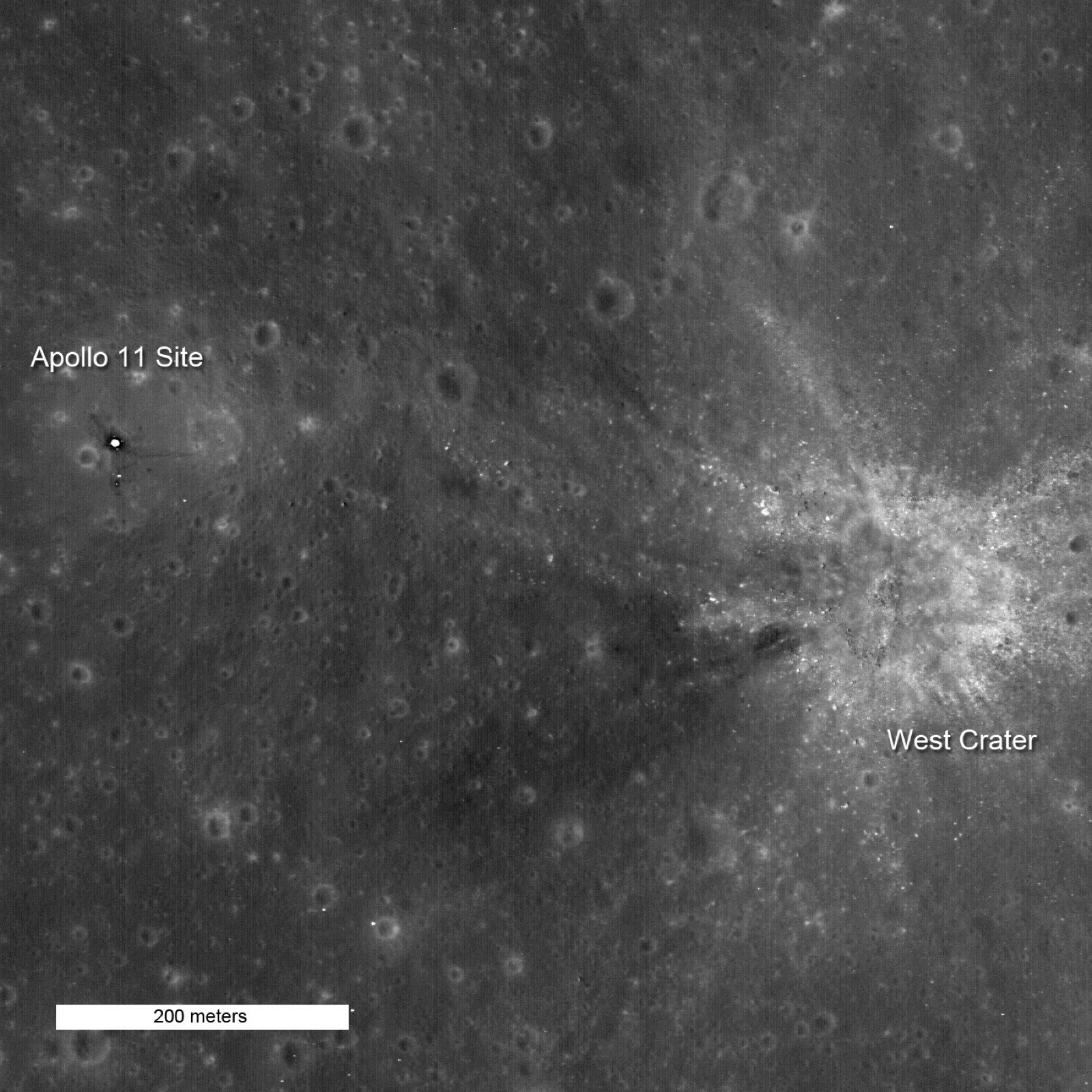
Between July 1969 and December 1972, twelve Americans walked on the Moon across six successful Apollo lunar missions. The astronauts brought back 382 kilograms of lunar rock, planted six retroreflector arrays still in active use today, and left behind hardware that the NASA Lunar Reconnaissance Orbiter has photographed from lunar orbit since 2009. The Soviet Union — which had every conceivable reason to expose a fraud — tracked the missions in real time on its own deep-space network at Yevpatoria, congratulated the United States publicly, and never disputed that the landings occurred. The hoax theory, which originated in a 1976 self-published book by a former Rocketdyne technical writer named Bill Kaysing, claims that all six landings were staged in a film studio. The theory has been polled at 6-20% of American adults in various surveys since the early 2000s. This article describes the theory, addresses each of its central evidentiary claims, and explains why the scientific and historical communities consider the case for the landings overwhelming.
Purdue Pharma and OxyContin
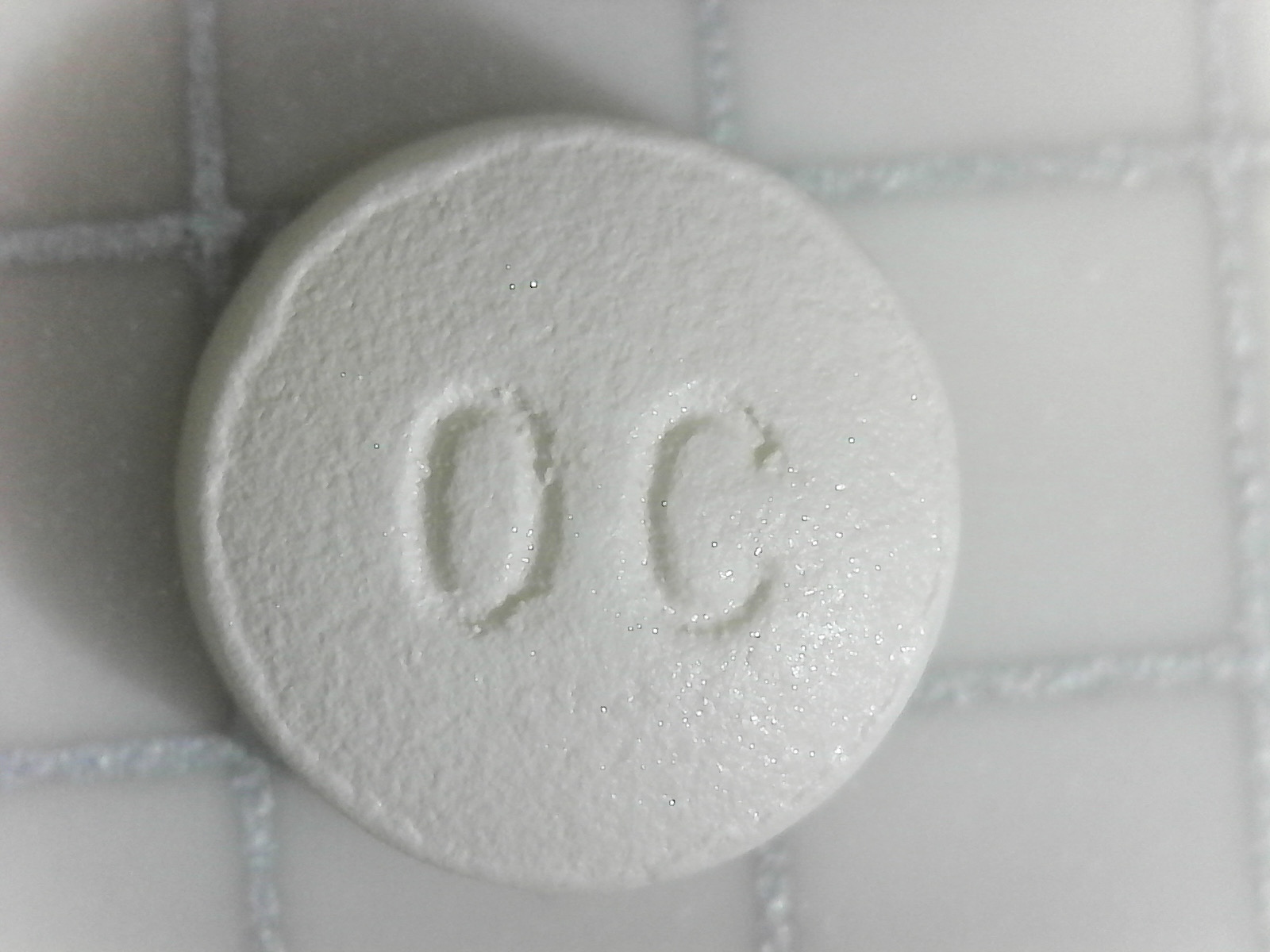
In December 1995, the U.S. Food and Drug Administration approved a new extended-release oxycodone formulation manufactured by the privately-held Stamford, Connecticut pharmaceutical company Purdue Pharma. The drug was called OxyContin. Its FDA-approved label stated that the controlled-release formulation 'is believed to reduce the abuse liability of the drug.' Within weeks of the January 1996 launch, Purdue's sales force was telling physicians that the risk of addiction was 'less than one percent' — a number drawn from a single 1980 letter to the editor in the *New England Journal of Medicine* that the company would, over the next twenty years, cite approximately 600 times in its promotional materials. The letter had observed 4 cases of addiction in 11,882 hospitalized patients given any opioid for any duration. It was not, by any reasonable standard, evidence for an outpatient sustained-release formulation. By 2010, OxyContin's annual revenue had reached approximately $3.1 billion. By 2017, drug overdose was the leading cause of death for Americans under 50. The cumulative U.S. opioid death toll from 1999 to 2023, by the CDC's count, exceeded 700,000. Purdue Pharma pleaded guilty to federal criminal misbranding charges in 2007 (paying $634.5 million) and again in 2020 (agreeing to $8.3 billion in penalties as part of a bankruptcy reorganization). The Sackler family — owners of Purdue throughout the period — were the subject of a separate $6 billion settlement that was struck down by the U.S. Supreme Court in 2024 (*Harrington v. Purdue Pharma*) and is, as of mid-2026, being renegotiated. Patrick Radden Keefe's 2021 book *Empire of Pain* is the most comprehensive single-volume treatment of the case.
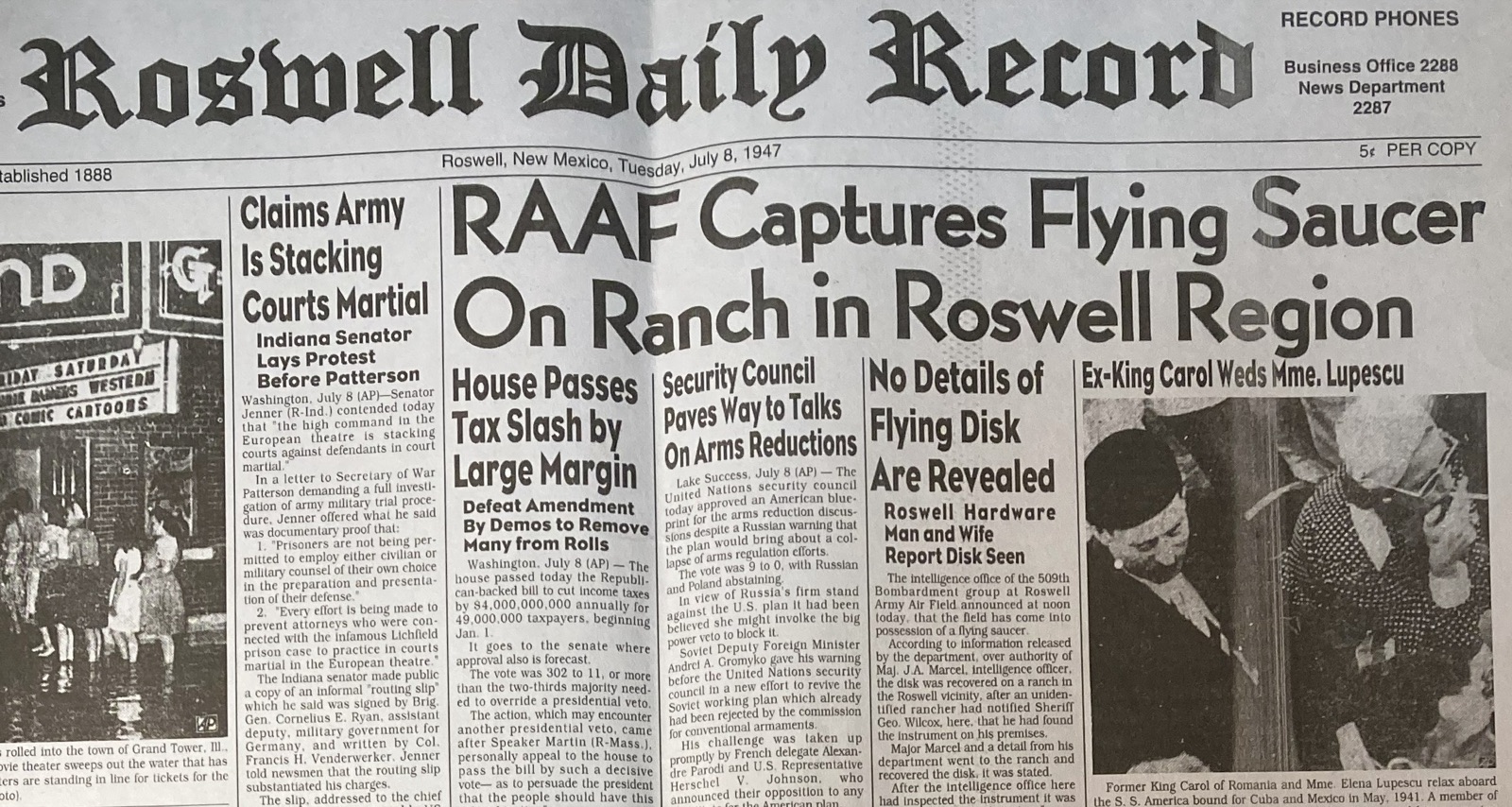
Roswell 1947 & Area 51
On July 8, 1947, the public information office of the Roswell Army Air Field issued a press release stating that the 509th Bomb Group had recovered the remains of a 'flying disc' from a ranch in Lincoln County, New Mexico. The release was carried on the front page of the *Roswell Daily Record* that afternoon under the headline 'RAAF Captures Flying Saucer On Ranch in Roswell Region.' Four hours later, General Roger Ramey at Fort Worth held a counter-press conference identifying the debris as a weather balloon. The story disappeared from the national press within a day. It stayed disappeared for thirty-one years. In 1978, the UFO researcher Stanton Friedman tracked down a retired Army officer named Jesse Marcel — the intelligence officer who had originally examined the ranch debris in 1947 — and recorded an interview in which Marcel said the material had not been a weather balloon. From that single interview emerged what is now the most-told American conspiracy story of the postwar period. In 1994 and 1997, after a Congressional inquiry, the U.S. Air Force published two reports identifying the 1947 debris as part of the classified Project Mogul — high-altitude acoustic balloons designed to detect Soviet atomic tests — and the supposed alien bodies of later witness accounts as anthropomorphic test dummies used in high-altitude parachute experiments between 1953 and 1959. Separately, in August 2013, the CIA's declassification of the U-2 spy plane history formally acknowledged the existence of Area 51 — the remote Nevada testing facility at Groom Lake — by name, for the first time.