Tag
#1900s
2 articles
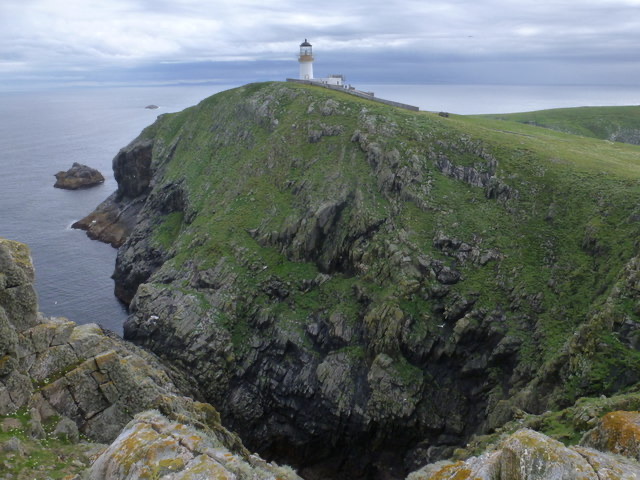
The Flannan Isles: The Lighthouse Keepers Who Vanished
On a tiny, uninhabited island in the Atlantic off the northwest coast of Scotland, a lighthouse stood watch in the winter of 1900, manned by three experienced keepers. The Flannan Isles — a scatter of rocky islets the Hebridean fishermen called the Seven Hunters, long reputed to be uncanny — lay some thirty kilometers out into the open ocean, and the lighthouse on the largest of them, Eilean Mòr, was one of the loneliest postings in the British Isles. In mid-December, a passing steamer noticed that the light was not burning, but the report went unheeded, and bad weather delayed the relief vessel. When it finally reached the island the day after Christmas, the relief keeper climbed up to the lighthouse and found it empty. The three men — James Ducat, Thomas Marshall, and Donald MacArthur — were gone. The lamp was clean and ready but unlit; the entrance gate and the doors were shut; the clock had stopped; the last entry in the log was days old. There was no sign of the keepers anywhere on the island, and there never would be: their bodies were never found. At the island's west landing, far above the normal reach of the sea, the investigators found startling damage — equipment torn from a crevice high on the cliff, iron railings bent, a great rock shifted — the marks of a wave of extraordinary size. The official conclusion was that the three men had been swept into the sea by such a wave while trying to secure their gear in a storm. It is the most likely explanation, and it is probably true. But because no one saw it happen and nothing was ever recovered, the disappearance became one of the most haunting mysteries of the sea, and the facts were soon overgrown with legend. This is the story of the keepers who vanished from the Flannan Isles.
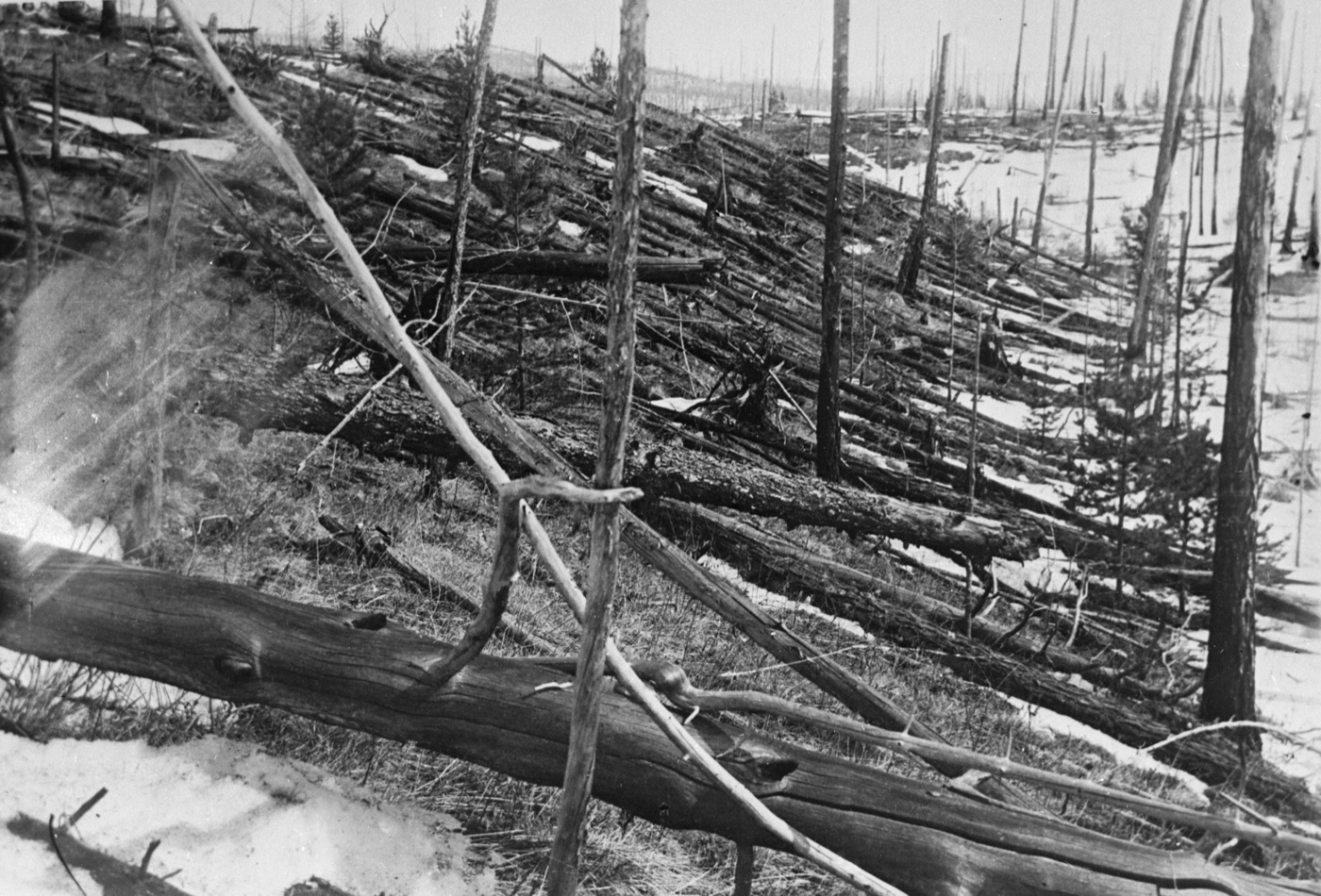
Tunguska: The Cosmic Explosion That Flattened a Forest
On the morning of 30 June 1908, the sky over a remote stretch of Siberia split open. Witnesses scattered across hundreds of kilometers saw a brilliant column of fire brighter than the sun streak across the heavens, followed by a flash, a series of deafening explosions like artillery, and a scorching wind. At a trading post some sixty-five kilometers from the center, a man was thrown from his chair and felt a heat so intense he thought his shirt was on fire; windows shattered and the ground shook. The blast, centered over the basin of the Podkamennaya Tunguska River, released energy estimated at the equivalent of ten to fifteen megatons of TNT — hundreds of times the power of the bomb that would later destroy Hiroshima — and it flattened some two thousand square kilometers of forest, knocking down an estimated eighty million trees in a vast radial pattern pointing away from the blast. For days afterward, the night skies of Europe and Asia glowed so brightly that people could read by them. And yet, when scientists finally reached the devastated zone — not until nearly twenty years later, after war and revolution had convulsed Russia — they found something that deepened rather than solved the puzzle: a colossal field of flattened trees, but no impact crater, and no great meteorite. The Tunguska event was the largest cosmic impact in recorded history, and the strange circumstances of its discovery left a gap that filled, over the decades, with theories ranging from the sober to the fantastical. This is the story of the explosion that leveled a Siberian forest, and of the answer that took the longest time to confirm.
2 files · end of the line