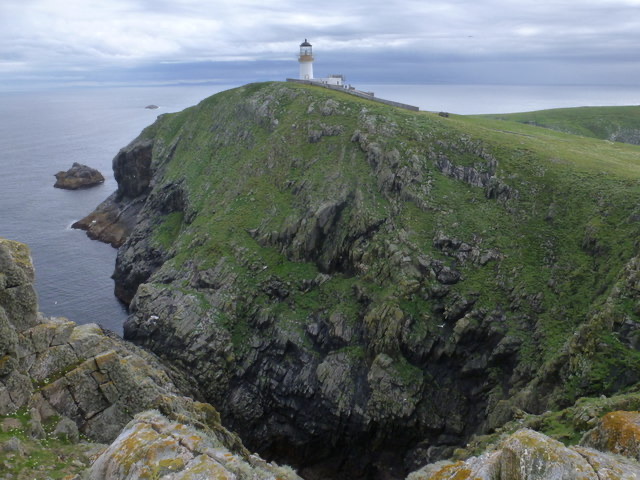
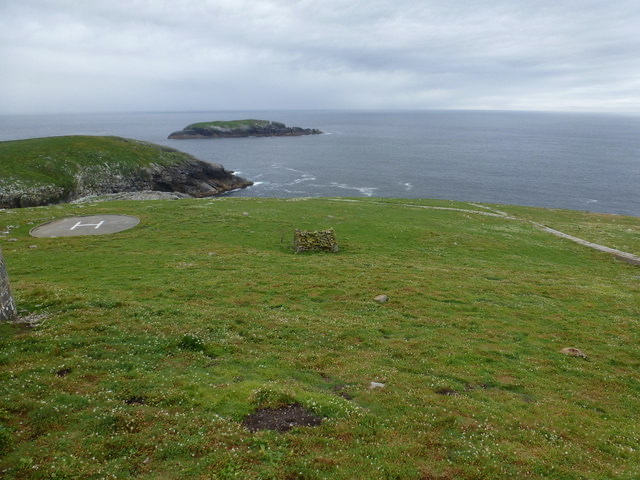
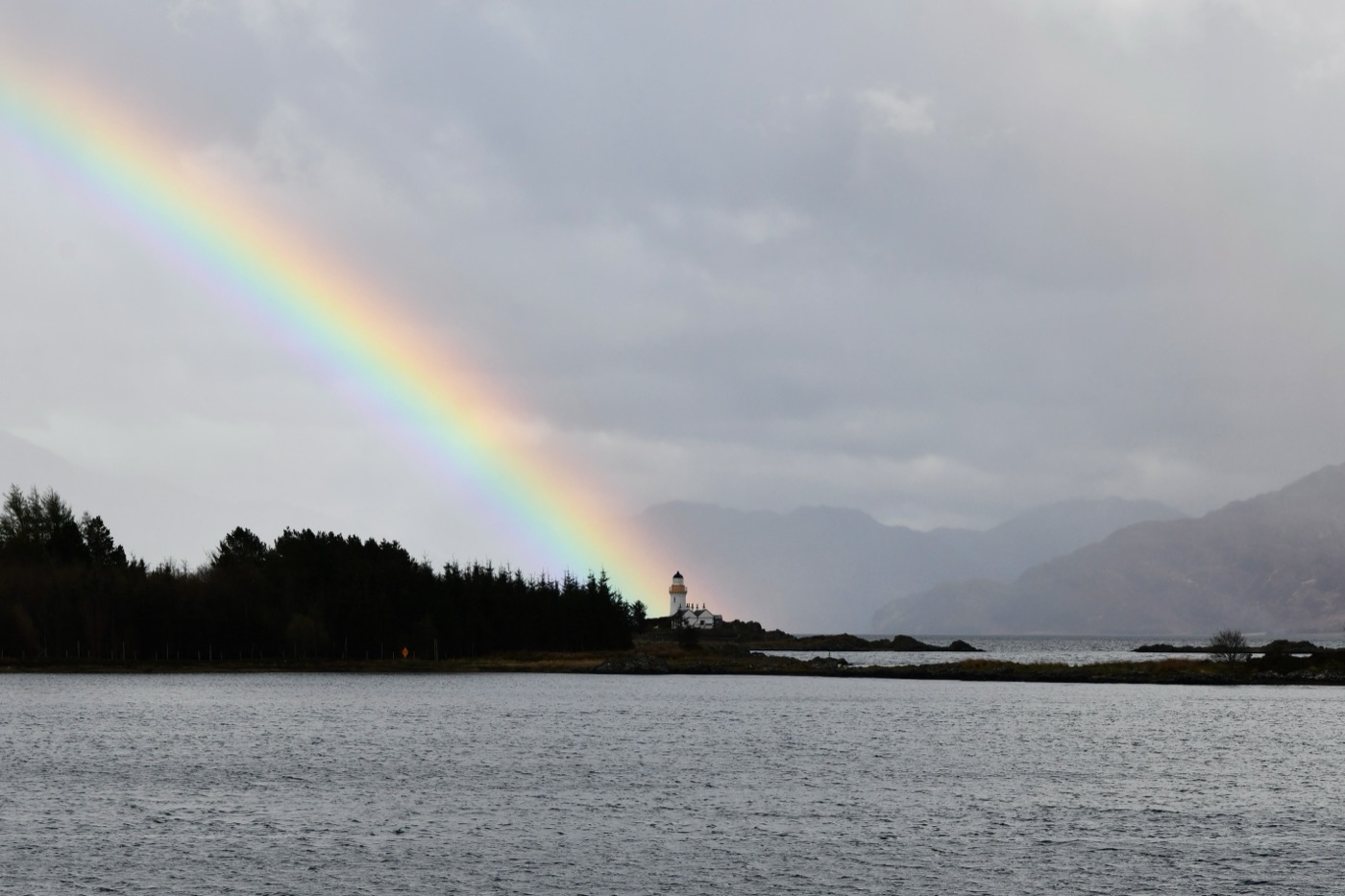
The lighthouse on Eilean Mòr, the largest of the Flannan Isles, above the steep cliffs that fall to the Atlantic. From this remote station, three keepers vanished in December 1900, never to be found. Wikimedia Commons / CC BY-SA 2.0.
The Flannan Isles: The Lighthouse Keepers Who Vanished
Scotland, 1900 — Three keepers manned a lighthouse on a remote Hebridean island. When the relief boat arrived, they were gone — the lamp unlit, the door closed, the men nowhere to be found. The likeliest answer is a giant wave; the legend that grew up around it is something stranger
- Category
- Assassinations & Disappearances
- Published
- Length
- 3,600 words · 18 min read
- Author
- The editors
The disappearance of the Flannan Isles lighthouse keepers is a mystery of a particular and instructive kind: one in which the most likely answer is actually known, and reasonably well supported, yet which has nonetheless become a byword for the inexplicable. The probable truth — that three men were swept off a storm-lashed rock by a giant wave — is a tragedy, but not an enigma. What made the Flannan Isles a legend was the combination of the keepers' total disappearance, the eerie reputation of the place, and, above all, a famous poem written years later that invented details the real case never contained. To understand the mystery is largely to peel the legend away from the facts, and to see that the romance of the unexplained has been laid, here, over a story that is sad and human and very nearly solved.
This is the story of the keepers who vanished.
The loneliest light
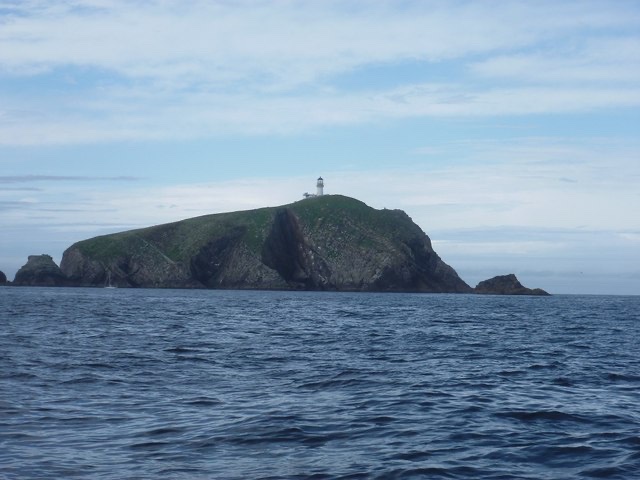
The Flannan Isles are among the most isolated places in the British Isles — a cluster of small, steep-sided rocky islands rising from the Atlantic far to the west of the main Hebridean chain, battered by the full force of the ocean's weather. They had no permanent inhabitants; for centuries they were visited only occasionally by shepherds from Lewis who grazed sheep there and who regarded the islands with superstitious unease, observing old customs and refusing, by tradition, to stay overnight. On Eilean Mòr, the largest, stood the ruin of an ancient chapel or cell associated with Saint Flannan, who gave the islands their name, lending the place an air of remote and ancient holiness — and, to some, of something less comforting.
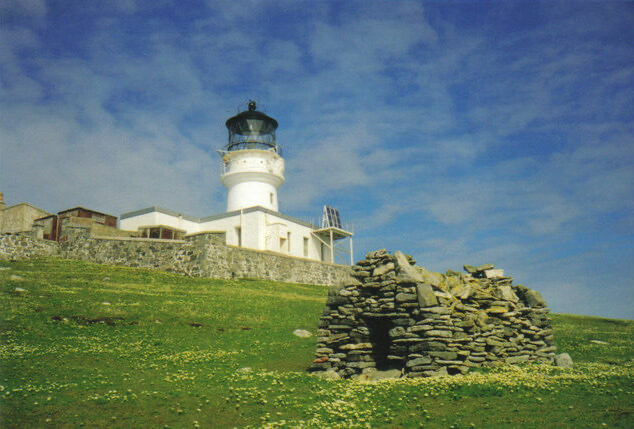
In 1899, a lighthouse was completed on Eilean Mòr, built by the renowned Stevenson family of lighthouse engineers to guard the treacherous waters for the shipping that passed far out in the Atlantic. It was a difficult and dangerous station to build and to man: the island could only be reached by boat in good weather, landing at exposed rock platforms, and the keepers lived in profound isolation, relieved periodically by a supply vessel. To staff such a light required hardy, experienced men, and three were posted there in the winter of 1900.
The three keepers
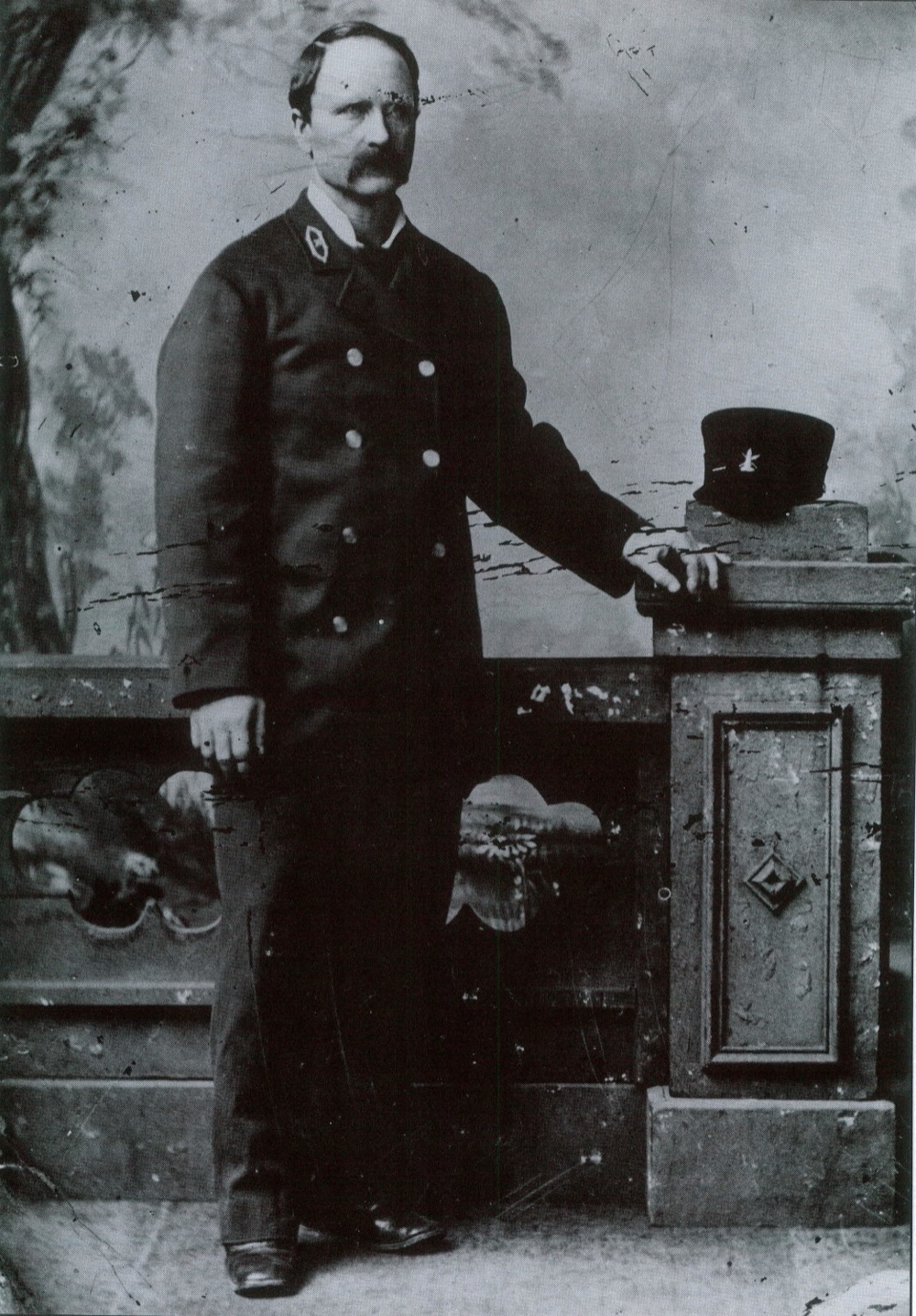
The three men on the Flannan Isles light in December 1900 were experienced keepers, not novices to be undone by ordinary danger. James Ducat was the principal keeper, a man of many years' service. Thomas Marshall was a second assistant. The third, Donald MacArthur, was an occasional or relief keeper, standing in for a regular man — and, reportedly, a tough and seasoned individual, a former soldier not given to panic. These were people who knew the sea and the station and its hazards, which is part of what makes their disappearance so striking: whatever befell them, it was something that could overwhelm men who understood the dangers of the place.
The first sign that something was wrong came on or around 15 December 1900, when a passing steamer, the Archtor, noted that the Flannan Isles light was not shining as it should have been. For reasons never fully explained, this was not acted upon immediately. The light's relief and resupply were handled by the lighthouse tender Hesperus, but its voyage to the island was delayed by the bad weather that lashed the region through the latter half of December, and it did not reach Eilean Mòr until 26 December, the day after Christmas.
The empty lighthouse
When the Hesperus arrived, the keepers did not respond to its signals, and an unusual stillness hung over the station. The relief keeper, Joseph Moore, was put ashore and climbed the steep path to the lighthouse. He found the entrance gate closed and the main door shut. Inside, the lighthouse was empty and silent. The lamp had been cleaned and refilled, ready for lighting, but it had not been lit. The clock had stopped. The fire was out. The last entry in the log had been made days earlier. And of the three keepers — Ducat, Marshall, and MacArthur — there was no sign at all. Moore searched the island and found nothing. The men were simply gone.
For Joseph Moore, the experience was deeply unnerving, and his account conveys the eeriness of that first discovery. He had known the missing men, and to climb to a manned lighthouse and find it silent and deserted, with the everyday signs of life interrupted — the cold stove, the stopped clock, the ready but unlit lamp — was profoundly disturbing. He reportedly felt a dread in the empty rooms, a sense that the place itself was wrong, and he and the others who came ashore were reluctant to remain on the island as the short winter day faded. Moore and a small party stayed to keep the light burning until replacements could be arranged, but the atmosphere of the abandoned station weighed on them. It is this human impression — the lived experience of finding the lighthouse empty — that the legend would later seize upon and embellish, but the genuine unease of the men who were actually there needed no embellishment.
The investigators who followed pieced together what physical clues there were. Inside the lighthouse, the state of the keepers' weatherproof clothing was telling: two sets of oilskins and sea boots were gone, but one set remained. In the routine of the station, the keepers did not go down to the landings in bad weather without their protective gear, so the missing sets suggested that two of the men had gone out properly equipped for foul conditions — while the remaining set suggested that the third had rushed out without his coat, in a hurry, as if responding to something sudden. It was a small detail with a large and frightening implication.
The wave
The decisive evidence lay not in the lighthouse but down at the west landing, the exposed rock platform on the island's western side where equipment was kept and boats came in. There, the investigators found extraordinary damage, and it was high above the sea. A wooden box that stored mooring ropes and tackle, set in a crevice in the rock some forty meters — well over a hundred feet — above the normal sea level, had been torn open and its contents scattered. Iron railings were bent and buckled. A large rock had been dislodged and moved. Turf had been ripped from the cliff edge far above the water. The marks were unmistakably those of the sea, but at a height the sea did not ordinarily reach — evidence that a wave or waves of colossal size had struck the west landing with tremendous force.
A particular danger of the keepers' situation lay in the nature of their duty. The lighthouse stations of the era required keepers to protect not only the light but the equipment of the station, including the gear at the exposed landings on which resupply depended, and a conscientious keeper would feel bound to go out and secure such equipment when a storm threatened to destroy or carry it off. This sense of duty, admirable in itself, could be fatal on an island where the safe ground and the deadly sea lay so close together. The reconstruction of the disappearance turns on exactly this: that the men went down to the landing not recklessly but responsibly, to do their job, and that the job took them into the reach of a sea that, on that day, rose higher than anyone could have expected.
The search for the missing men found nothing. The island was small and was thoroughly examined, and the surrounding sea was watched, but no trace of Ducat, Marshall, or MacArthur was ever discovered — no bodies washed ashore, no belongings recovered from the water. The completeness of the disappearance, which so fed the later legend, is in fact entirely consistent with the wave explanation: men swept off an exposed rock into a deep and stormy ocean are very often never seen again, carried away by currents into the vastness of the Atlantic. The absence of bodies is not evidence of anything mysterious; it is simply what the sea usually does with those it takes from such a place.
The official conclusion
The investigation was led by Robert Muirhead, a superintendent of the Northern Lighthouse Board, who knew the three men personally, having hired them. After examining the evidence, Muirhead reached the conclusion that has stood ever since: that the keepers had been swept away and drowned while at or near the west landing during the great storm, most likely while attempting to secure equipment, and that they had been carried into the sea by an exceptionally large wave. His reconstruction — two men down at the landing in their oilskins, the third following in haste without his coat, all three overwhelmed by the water — fit the physical evidence and the keepers' known routines, and it remains the accepted explanation of the disappearance.
The legend and the poem
Stripped of Gibson's romantic additions, the case loses much of its supernatural flavor, and the wilder theories that have attached to it over the years — sea serpents, giant birds, ghosts, abduction by foreign agents or by something stranger, the men murdering one another or fleeing some unnamed horror — have nothing in the evidence to support them. They are products of the same impulse that made Gibson's poem so enduring: the desire to find, in a real and ordinary tragedy, something weirder and more meaningful than the indifferent violence of the sea.
What genuine mystery remains is narrow and honest. We do not know, and never will, exactly what happened in the keepers' final minutes, because no one survived to tell it and nothing was recovered. The precise sequence — who went down first, what they saw, how the third man came to rush out without his coat, whether it was one wave or several — is beyond recovery. But the broad explanation is not really in doubt, and the lighthouse itself, automated long since, still stands and still shines, having functioned without further calamity for more than a century.
The meaning of the mystery
In the end, the Flannan Isles mystery is the rare one whose solution is both known and ignored. Three lighthouse keepers vanished from a remote Scottish island in the last days of 1900, leaving an unlit lamp, a stopped clock, a closed door, and no bodies — and the world has remembered the eerie emptiness of that lighthouse, and the half-eaten meal and overturned chair that a poet invented, far more than the bent iron and flung ropes high on the cliff that told the real story. The evidence points, with reasonable confidence, to a tragedy of the sea: three experienced men caught at an exposed landing by a wave of monstrous size and swept into the Atlantic, in the kind of storm that those islands knew well. We will never have the final certainty that only a witness or a recovered body could give, and that gap is real and permanent. But it is a narrow gap, and into it has poured a century of legend that the facts do not support. The deepest truth of the Flannan Isles is not that something inexplicable happened there, but that something all too explicable did — that the sea took three men in an instant and left almost nothing behind, and that this, without any ghost or monster, is terrifying enough.
Inspired this / based on it
Wilfrid Wilson Gibson
The famous poem that dramatized the disappearance and invented several enduring fictional details.
Kristoffer Nyholm
A film thriller loosely inspired by the disappearance, starring Gerard Butler and Peter Mullan.
Filed under
Click any tag for every article carrying it.
Continue reading
The Mary Celeste and the Ship That Sailed Itself
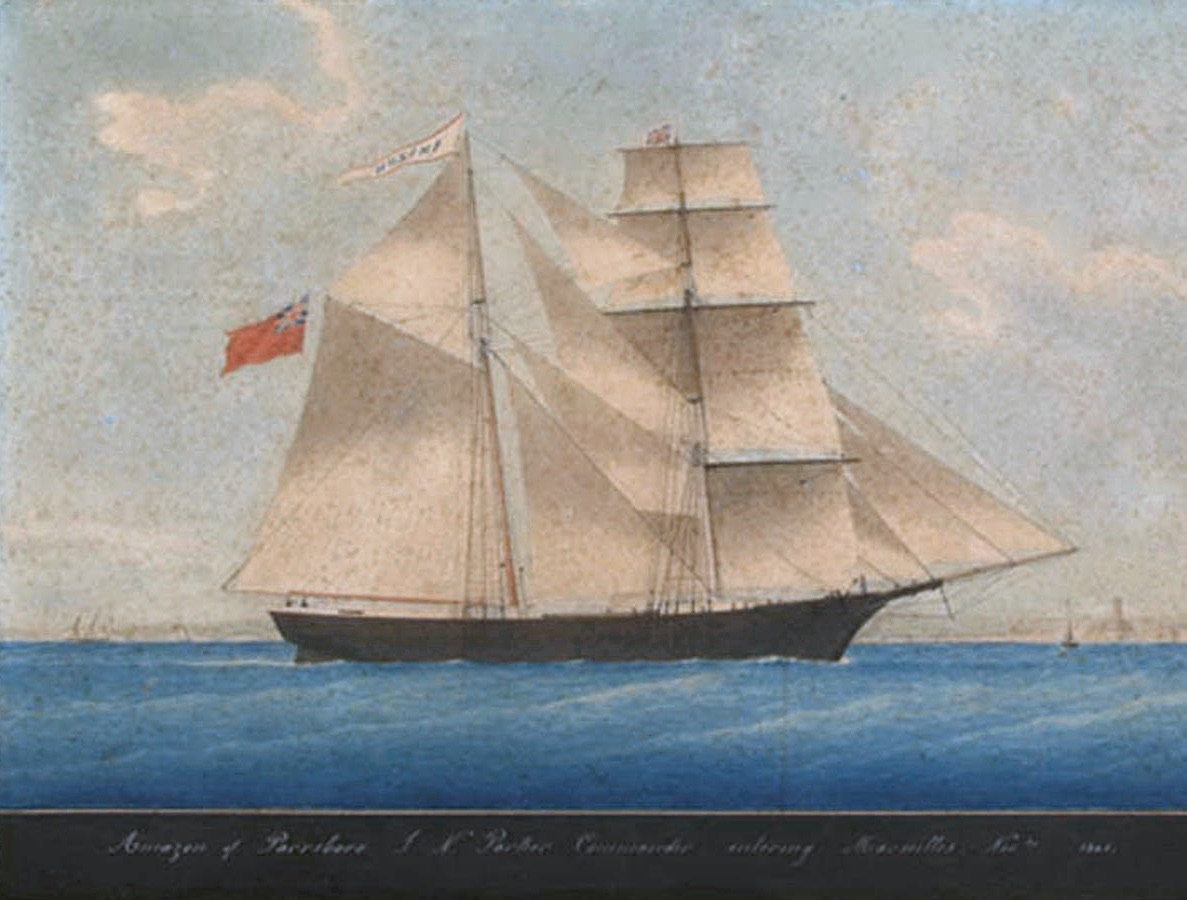
On December 5, 1872, the crew of the British brigantine Dei Gratia, several hundred miles west of Portugal, sighted another two-masted ship moving strangely across the swell — sails partly set, yawing as if no one had the helm. They closed on her, hailed her, got no answer, and sent a boarding party across. The ship was the Mary Celeste, an American merchant brigantine that had left New York a month earlier bound for Genoa with a cargo of industrial alcohol, and she was deserted. There was no one at the wheel and no one below; there was no sign of violence, no sign of robbery, no disorder beyond what a few days of unattended sailing would explain. The cargo sat almost untouched in the hold. There was ample food and fresh water. The crew's oilskins and boots and pipes were still where they had been left, and the captain's wife had left behind her harmonium and her child's toys. The ship was seaworthy and could have sailed on for months. But the ten people who had been aboard — Captain Benjamin Briggs, his wife Sarah, their two-year-old daughter Sophia, and seven crew — were gone, and so was the ship's single lifeboat, a small yawl that appeared to have been deliberately launched. No trace of any of them was ever found. The Mary Celeste became, and has remained, the most famous mystery in the history of the sea: not a wreck, not a massacre, but a sound ship abandoned in calm circumstances by people who had every reason to stay aboard. This article reconstructs what was actually found, what the Gibraltar inquiry made of it, and which of the many explanations — the credible and the lurid — best fits the strange, orderly emptiness of the ship that sailed itself.
The Somerton Man: The Body on the Beach and the Words 'Tamám Shud'
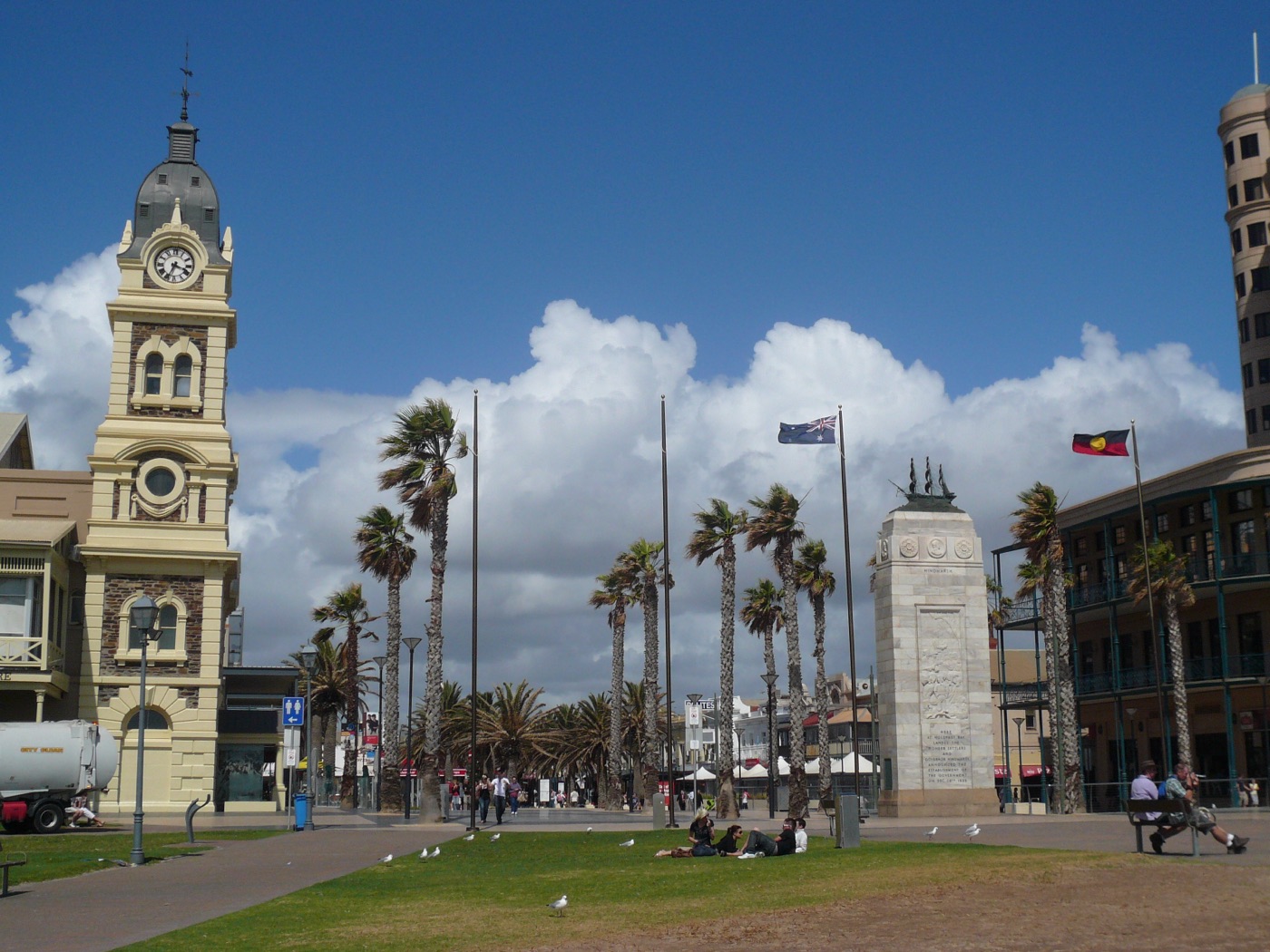
On the morning of 1 December 1948, the body of a man was found on Somerton Park beach near Adelaide, in South Australia, propped against the seawall as though he had fallen asleep looking out to sea. He was middle-aged, fit, and neatly dressed in a good suit, and he carried no wallet, no documents, and nothing that could say who he was. Stranger still, every maker's label had been carefully cut or removed from his clothing, as if someone had wanted to ensure he could not be identified. He had no obvious injuries; the cause of his death could not be established, and though poison was suspected, none was ever found. The investigation that followed turned up one haunting clue after another and solved none of them. Hidden in a tiny fob pocket sewn into his trousers was a scrap of paper, torn from a book, printed with two words in Persian: 'Tamám Shud' — meaning 'ended' or 'finished,' the final words of the famous poem the Rubáiyát of Omar Khayyám. The very copy of the book from which the scrap had been torn was later found, discarded in a parked car nearby, and in the back of it were pencilled a phone number and a string of capital letters that looked like a code — a code that has never been deciphered. For three-quarters of a century, no one even knew the dead man's name, and his case became one of the most famous unsolved mysteries in the world. In 2022, DNA evidence finally offered an answer to who he was. But how he came to be dead on that beach, and what the cut labels and the uncrackable code meant, remain unexplained to this day. This is the story of the Somerton Man.
Dyatlov Pass
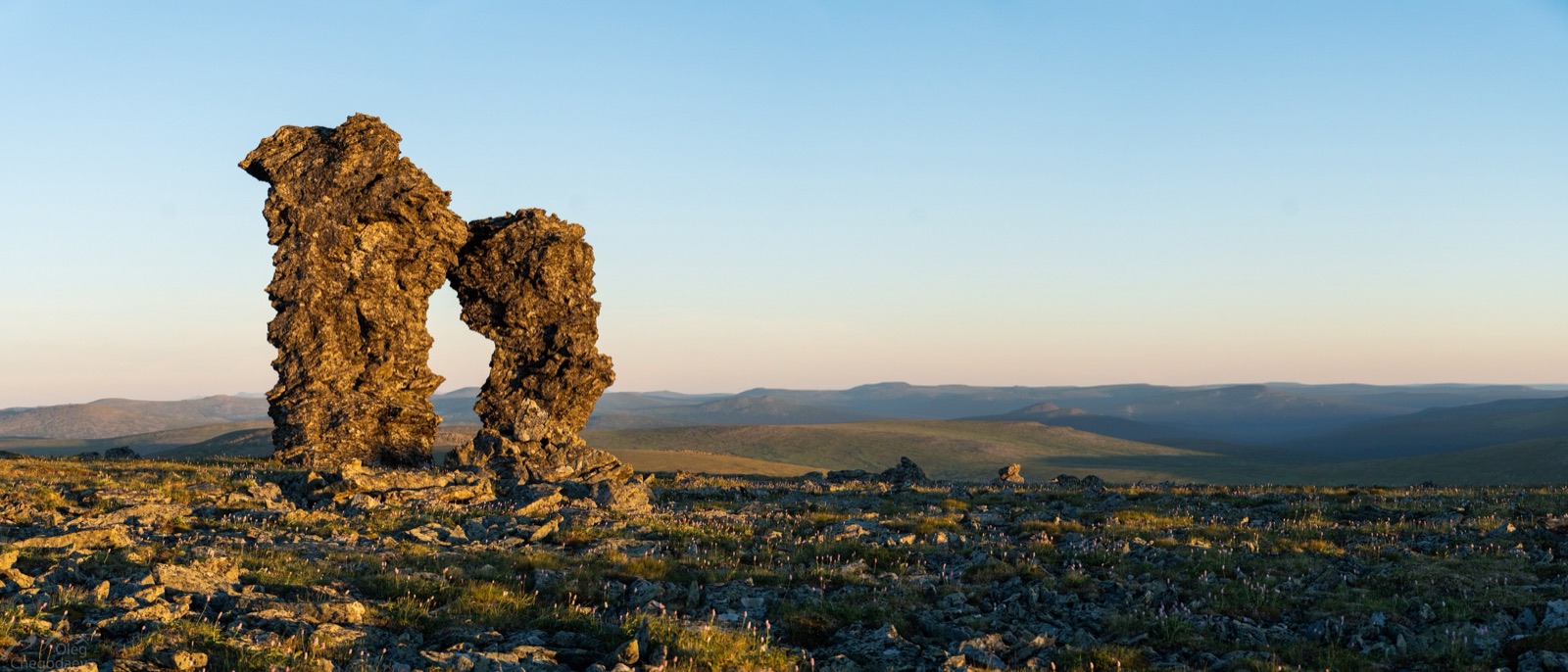
On the afternoon of February 1, 1959, a group of nine experienced Soviet ski-tourists — eight men and one woman, all between 20 and 38 years old, all members or alumni of the Ural Polytechnical Institute in Sverdlovsk (now Yekaterinburg) — pitched a four-pole canvas tent on the eastern slope of an undistinguished 1,079-meter mountain in the northern Urals named, in the Mansi language, Kholat Syakhl — 'Dead Mountain.' The group was led by 23-year-old Igor Dyatlov, a fifth-year radio-engineering student. The party had skied approximately 280 kilometers from the closest railway terminus over the prior nine days. Their planned summit, the following day, was the higher Otorten peak ten kilometers north. None of them reached it. When a search party located the abandoned tent on February 26, it had been cut open from the inside. Most of the group's clothing and equipment was still inside. The first three bodies — including Dyatlov — were found later that day, scattered along the slope below the tent, dressed only in underwear or light layers, none in proper outer clothing, none in their boots. Two further bodies were found nearer the tent over the following weeks. The final four bodies — including the only female member, Lyudmila Dubinina — were not located until May 4, 1959, in a snow-covered ravine approximately 1.5 kilometers downslope. Three of those four had massive internal trauma — equivalent in the words of the autopsy report to high-speed automobile-collision injuries — without corresponding external wounds. Two had missing soft tissue: Dubinina lacked her tongue and eyes. Some of the recovered clothing tested positive for elevated beta-particle radiation. The Soviet criminal investigation concluded in May 1959 that the deaths were caused by 'a compelling natural force which the hikers were unable to overcome.' The Russian Procurator-General's Office reopened the case in 2019 and concluded in July 2020 that the cause was a slab avalanche followed by hypothermia and disorientation. A 2021 computational study published in *Communications Earth & Environment* by Alpine snow scientists at EPFL Lausanne provided a quantitative mechanical model supporting the slab-avalanche conclusion. The case is closed in Russia. It is, in international public discussion, the most-debated cold-weather forensic mystery of the 20th century.