Tag
#1920s
2 articles
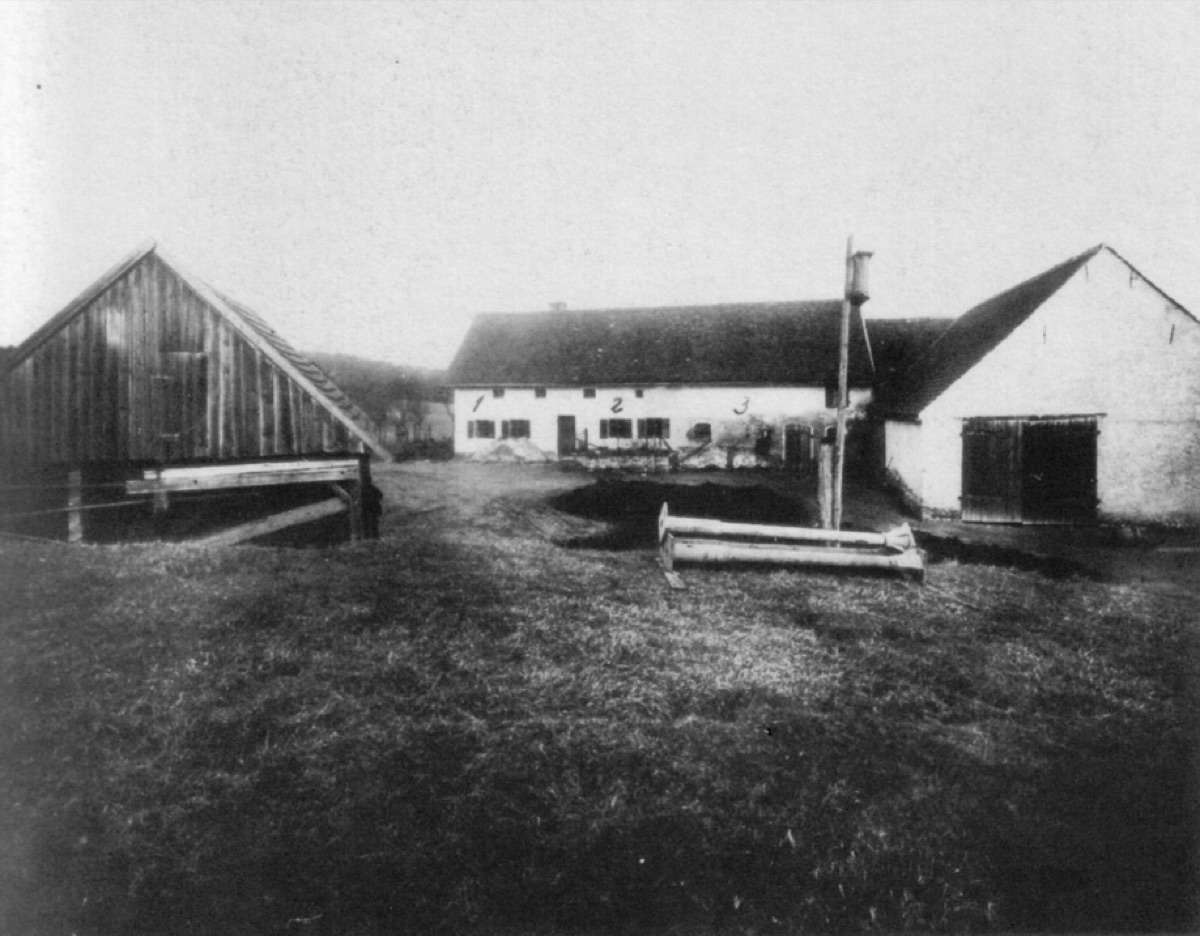
Hinterkaifeck: The Farm Murders That Were Never Solved
On the evening of 31 March 1922, on a small, isolated farmstead called Hinterkaifeck in the Bavarian countryside of southern Germany, six people were murdered, one after another, with a heavy farming mattock. The dead were a single household: the elderly farmer Andreas Gruber and his wife Cäzilia; their widowed daughter Viktoria Gabriel; Viktoria's two young children, seven-year-old Cäzilia and two-year-old Josef; and the family's maid, Maria Baumgartner, who had arrived to begin work only hours before. In the days before the killings, the farmer had told neighbors of strange and frightening things: footprints in the snow leading from the forest to the farm but none leading away, footsteps heard in the attic, a set of house keys gone missing, a newspaper on the property that no one had bought. He did not go to the police. After the murders, in the most chilling detail of all, the killer appears not to have fled but to have remained at the farm for several days — feeding the cattle, tending the dog, and lighting the kitchen stove, while the six bodies lay where they had fallen and neighbors, seeing smoke from the chimney, suspected nothing. It was four days before anyone came close enough to discover the horror. The investigation that followed was one of the largest in Bavarian history, pursuing hundreds of suspects over the decades and reopening the case again and again. No one was ever charged. A century later, the Hinterkaifeck murders remain unsolved, one of the most haunting cold cases in the world. This is the story of the farm where six people died and the killer was never found.
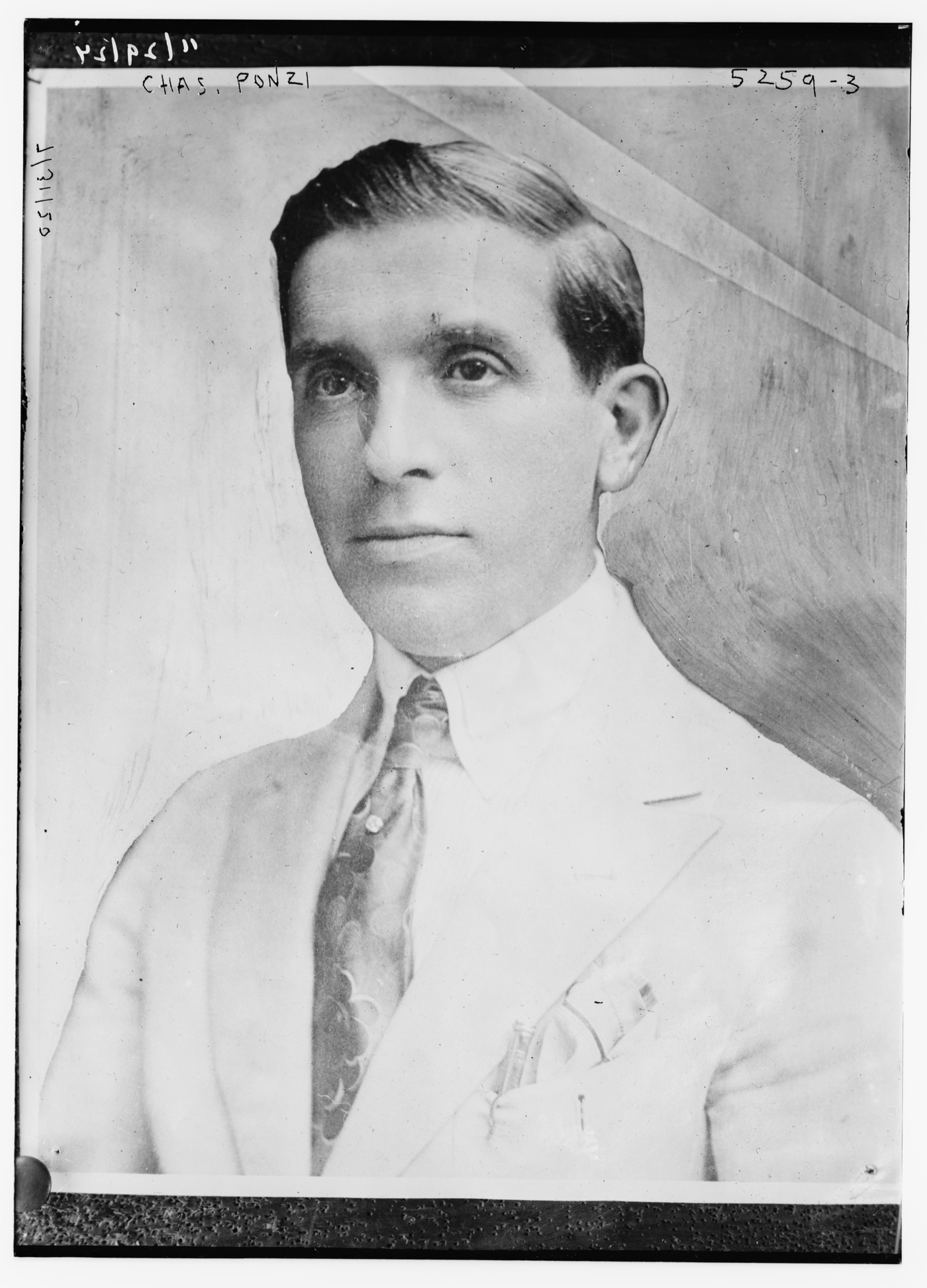
Charles Ponzi and the Scheme That Bears His Name
In the summer of 1920, a small, dapper Italian immigrant named Charles Ponzi was the most talked-about man in Boston. From a modest office on School Street, he was offering something that sounded impossible and turned out to be exactly that: a 50 percent return in 45 days, a 100 percent return in 90 days, on an investment he said was backed by a clever arbitrage in international postal reply coupons. Money poured in — from labourers and police officers, from widows and shopkeepers, from people who mortgaged their homes and emptied their savings to get a piece of it. At the height of the mania he was taking in hundreds of thousands of dollars a day, and crowds lined up outside his door pressing cash into his hands. The arbitrage he described was real in theory and worthless in practice; the coupons were never traded in any meaningful volume. What Ponzi was actually doing was paying his early investors with the money of his later ones — sustaining the illusion of fabulous profits only as long as new money flowed in faster than old money was withdrawn. It could not last, and it did not. Within months a newspaper, a financial analyst, and a disillusioned publicity man had pulled the structure apart, a run emptied his company, and an audit revealed that behind the millions he had collected there was nothing but debt. He went to prison, was deported, and died penniless in a charity ward in Rio de Janeiro. But his name did not die with him: the confidence trick he performed so memorably — paying old investors with new investors' money and calling it profit — has been known ever since as the Ponzi scheme. This is the story of the man behind the name.
2 files · end of the line