Tag
#1961
2 articles
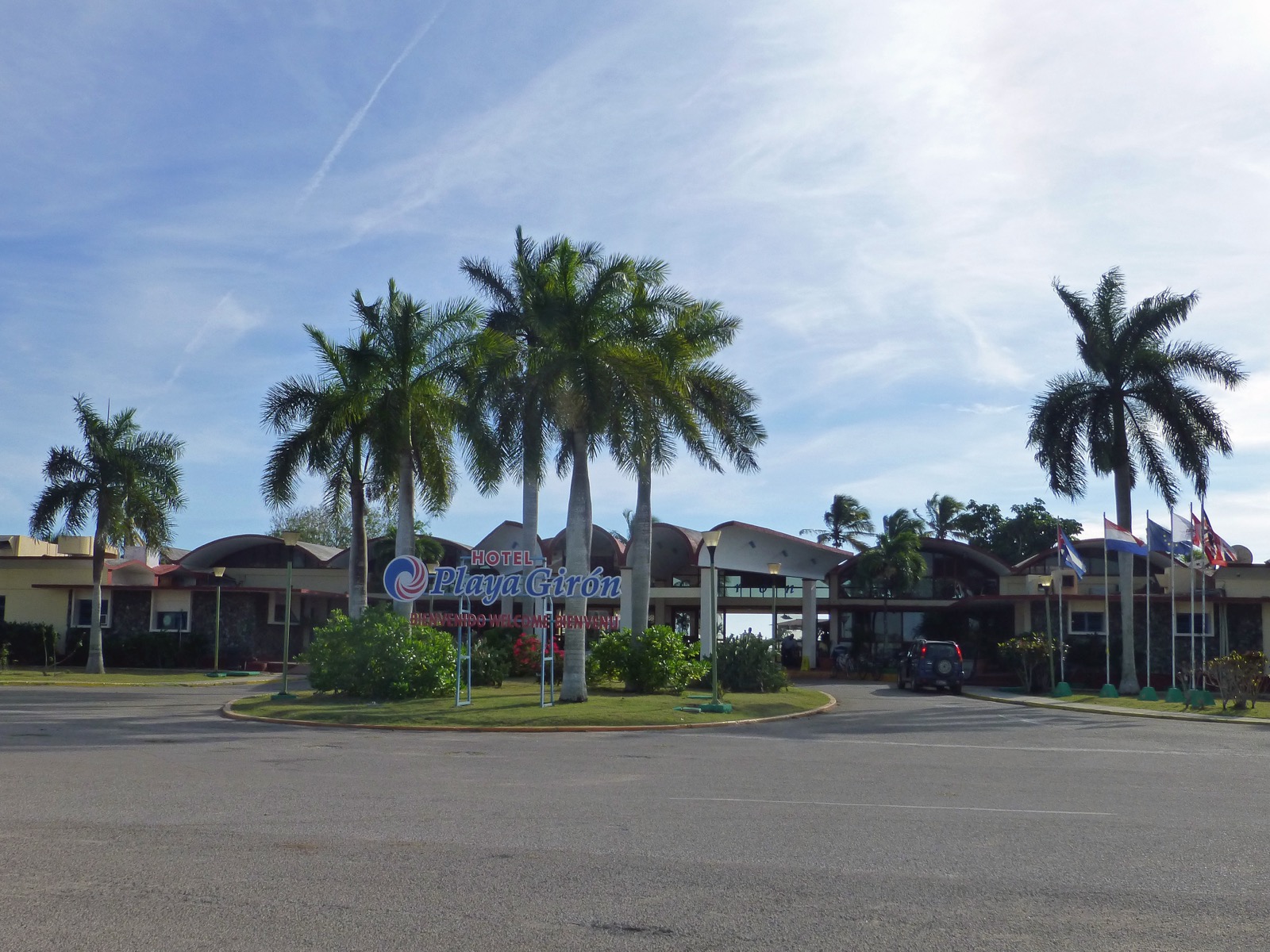
The Bay of Pigs
On the night of Sunday, April 16, 1961, approximately 1,400 Cuban exiles trained by the United States Central Intelligence Agency embarked from a staging port at Puerto Cabezas on Nicaragua's Mosquito Coast aboard chartered freighters of the García Line. They were Brigade 2506 — the operational unit codename derived from the serial number of the brigade's first combat fatality during the Guatemalan training phase. Their objective: an amphibious landing on the southern coast of Cuba at Bahía de Cochinos — the Bay of Pigs — followed by the establishment of a beachhead from which a provisional Cuban government-in-exile would be declared, internal opposition to Fidel Castro's two-and-a-half-year-old revolutionary government would be encouraged, and conventional U.S. military intervention could, if events warranted, be requested under cover of a civil war already in progress. The plan had been developed under the Eisenhower administration from March 1960; the operational variant executed in April 1961 had been authorized by President John F. Kennedy, in office for 87 days, on April 4 and again on April 16. The operation was, in its own operational terms, a comprehensive failure: the air strikes on Cuban airfields scheduled for the morning of April 15 destroyed only a fraction of Castro's air force; the landings on April 17 met immediate, sustained, and well-organized resistance; the second wave of U.S. air support was cancelled by Kennedy on April 16-17; the brigade was overrun at the beach within 72 hours. Brigade casualties: 114 killed, 1,189 captured. The captured personnel were held in Cuba until December 1962 when they were exchanged for approximately $53 million in U.S.-supplied food and medicine. Within weeks of the operation, Kennedy had requested the resignations of CIA Director Allen Dulles, CIA Deputy Director Charles Cabell, and Deputy Director for Plans Richard Bissell. Within eighteen months, the Soviet decision to install medium-range nuclear missiles on Cuban territory — a decision Nikita Khrushchev later attributed in part to the demonstration of U.S. willingness to attempt military overthrow — had brought the United States and the Soviet Union to within hours of nuclear exchange. The Bay of Pigs is the foundational documented operational failure of the U.S. intelligence community and the immediate institutional precursor to the Cuban Missile Crisis.
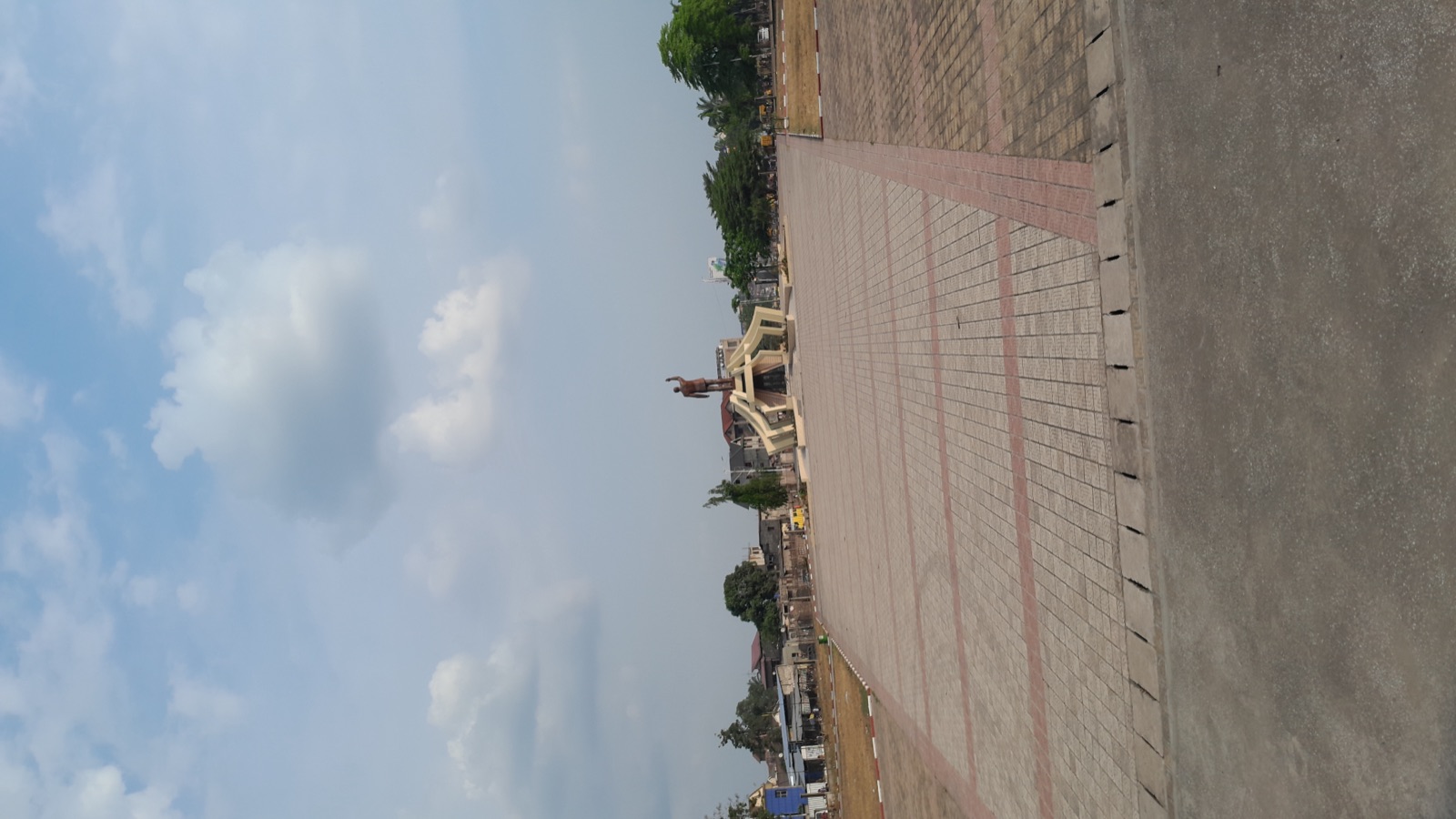
The Assassination of Patrice Lumumba
At approximately 9:43 p.m. on Tuesday, January 17, 1961, the first Prime Minister of the newly independent Democratic Republic of the Congo, Patrice Émery Lumumba, was shot to death by a Belgian-supervised firing squad in a forest clearing outside Élisabethville (now Lubumbashi) in the secessionist Katanga province. He was 35 years old. He had been in office for less than three months before being deposed by a Belgian-and-American-supported coup, held in extralegal detention for two months, transferred to his political enemies on January 17 under explicit Belgian escort, and killed within hours of arrival. The U.S. Central Intelligence Agency had a parallel plan to poison him with a tube of doctored toothpaste; the CIA plan did not need to be activated because the Belgian-Katangan operation succeeded first. The Belgian government formally acknowledged its 'moral responsibility' in 2002 after a Belgian parliamentary inquiry. The Belgian state returned Lumumba's recovered tooth — the only physical remain that had not been dissolved in acid by his Belgian guards — to his family in Brussels on June 20, 2022, in a formal ceremony attended by Belgian Prime Minister Alexander De Croo. King Philippe of Belgium had earlier, in June 2020, issued the first formal Belgian royal expression of regret for the colonial period. The Congolese state has yet to conduct a comprehensive investigation.
2 files · end of the line