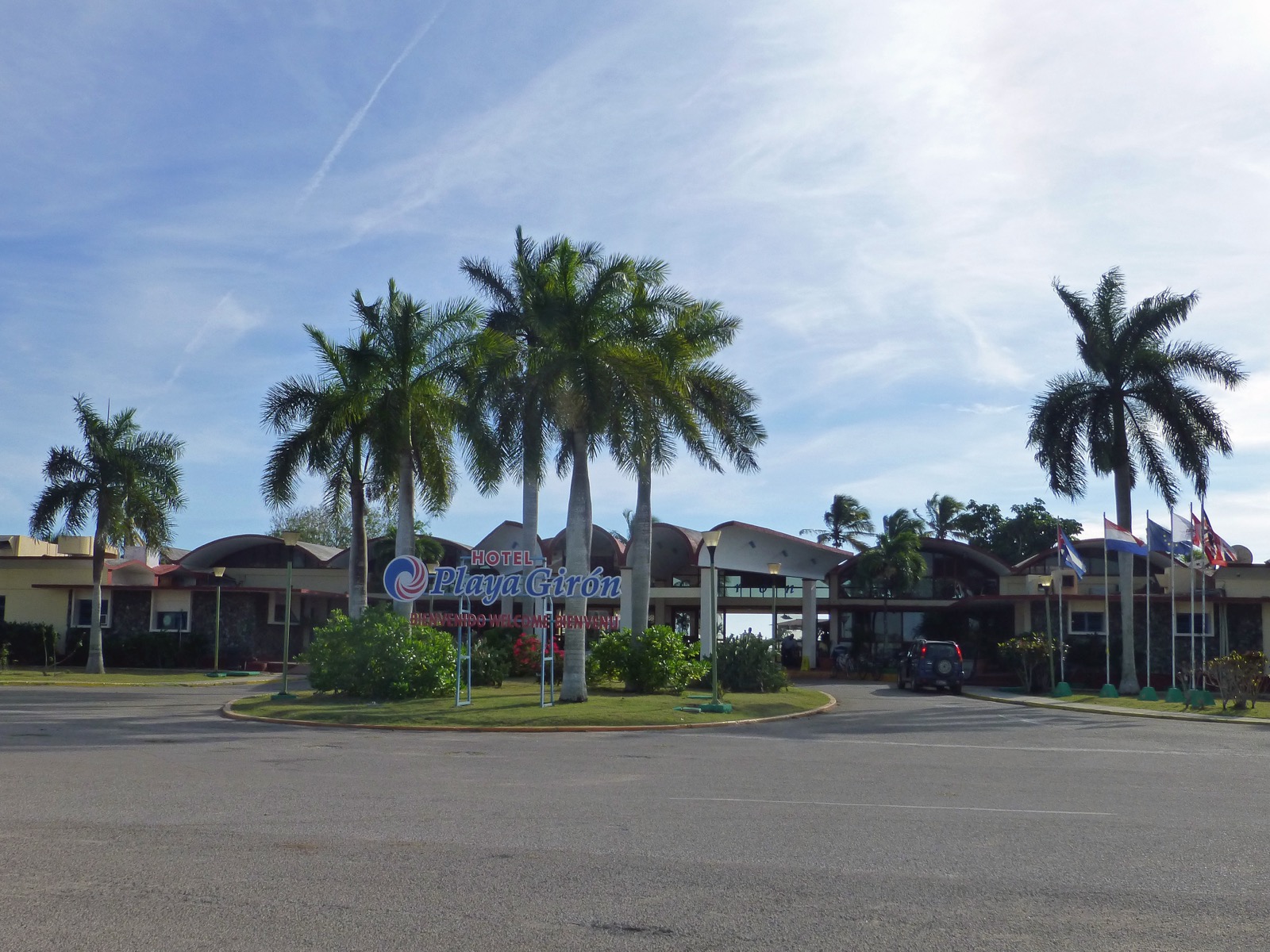
Playa Girón on the Bahía de Cochinos, Matanzas Province, Cuba — the principal landing beach of Brigade 2506 on April 17, 1961. The shallow water visible at low tide is the same coral reef that snagged the brigade's landing craft in the first hours. Wikimedia Commons, CC BY-SA 4.0.
The Bay of Pigs
April 17–19, 1961 — Kennedy's first crisis
- Category
- State & Intelligence Operations
- Published
- Length
- 3,700 words · 17 min read
- Author
- The editors
The Bay of Pigs
April 17–19, 1961 — Kennedy's first crisis.
Playa Girón, April 17
The Bahía de Cochinos — the Bay of Pigs — is a 30-kilometer-long shallow inlet on the southern coast of Cuba's Matanzas Province. It is bounded on the east by a wide swamp (the Ciénaga de Zapata) and on the west by mangrove-fringed barrier islets. The landing beaches selected for Operation Pluto's main assault were Playa Girón (the southeast beach) and Playa Larga (the northwest beach at the head of the bay), supplemented by a third beach designated Blue Beach Two at Caleta del Rosario.
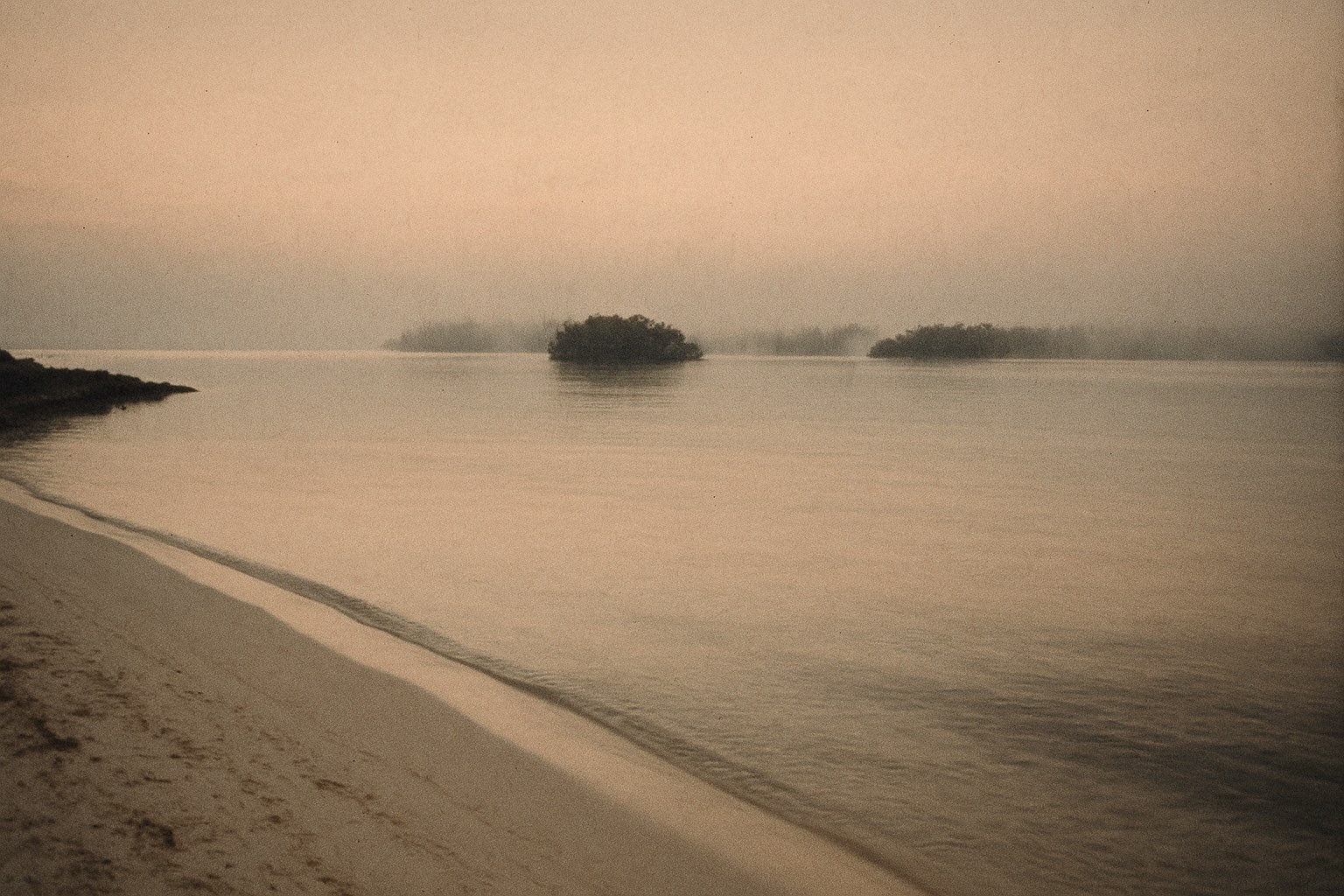
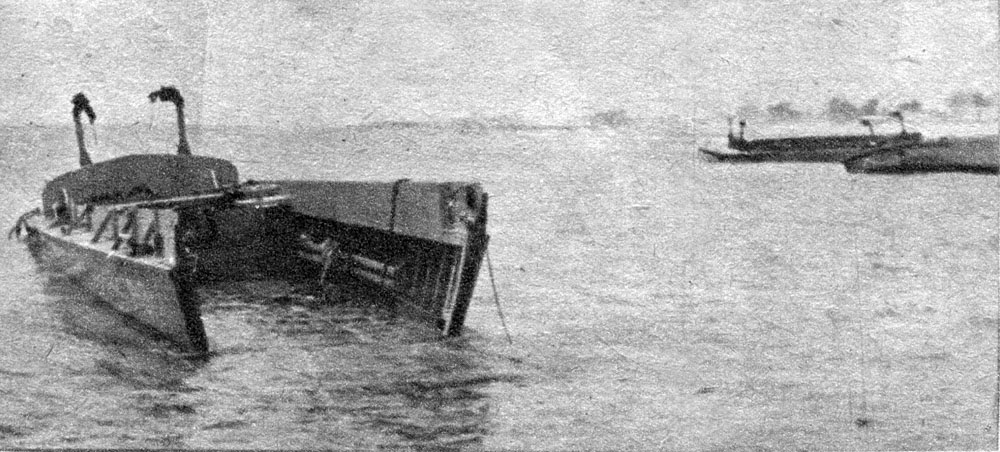
The CIA's pre-landing reconnaissance — conducted by U-2 overflight in March-April 1961 — had identified the bay as adequate for the operation. The reconnaissance had not adequately identified the coral reefs immediately offshore at both Playa Girón and Playa Larga, which proved a substantial operational problem in the first hours: landing craft of the Houston, Río Escondido, and Atlántico repeatedly grounded on coral, and several were sunk or disabled before disembarking their loads.
Brigade 2506's first contact with Cuban defenders came at approximately 1:15 a.m. on April 17. A Cuban militia detachment at Playa Girón engaged the lead brigade landing party with small-arms fire within minutes of the first wave's arrival. The defenders' rapid response was not, contrary to subsequent operational mythology, a sign of advance warning: the brigade's arrival had been observed by Cuban civilian guards within minutes of the first landing-craft approach.
How the plan got to Kennedy's desk
The operational planning timeline:
March 17, 1960 — President Eisenhower authorized the CIA's Program of Covert Action Against the Castro Regime. The program had four components: organization of Cuban exile leadership; political propaganda; intelligence/counter-intelligence; and creation of a paramilitary force for "covert offensive action."
Summer-Fall 1960 — The CIA's Western Hemisphere Division under Deputy Director for Plans Richard Bissell developed the paramilitary plan. Training of Cuban exiles began at camp Trax, Retalhuleu, Guatemala in mid-1960. The plan evolved from initial guerrilla-warfare insertion concepts into amphibious-assault planning by November 1960.
November 18, 1960 — President-elect Kennedy received his first CIA briefing on the program. Kennedy did not commit to executing the plan but did not cancel it.
January 28, 1961 — Eight days after his inauguration, Kennedy received a comprehensive briefing on the planned operation from Bissell and CIA Director Allen Dulles. The operation was at this point known as Operation Trinidad and called for an amphibious landing near the southern Cuban city of Trinidad (Sancti Spíritus Province) with the option of withdrawal into the Escambray Mountains if the initial beachhead could not be held.
March 11, 1961 — The Joint Chiefs of Staff reviewed Operation Trinidad and rated its likelihood of success as "marginal."
March 14-15, 1961 — Kennedy rejected the Trinidad plan as too overt. He directed Bissell to develop a less-conspicuous landing site. Bissell's planning team proposed three alternatives; Kennedy selected the Bay of Pigs option (Operation Zapata) on March 16, 1961.
April 4, 1961 — Kennedy gave final approval to Operation Zapata at a meeting with Bissell, Dulles, Secretary of State Dean Rusk, Secretary of Defense Robert McNamara, Joint Chiefs Chairman General Lyman Lemnitzer, and presidential advisers McGeorge Bundy and Arthur Schlesinger Jr.
April 12, 1961 — Kennedy stated publicly: "There will not be, under any conditions, an intervention in Cuba by the United States armed forces."
April 14, 1961 — Bissell briefed Kennedy on the final operational orders.
April 15, 1961, 6:00 a.m. — Brigade-flown B-26 aircraft (in markings of the Cuban Revolutionary Air Force, the FAR) attacked three Cuban airfields: San Antonio de los Baños, Antonio Maceo (Santiago de Cuba), and Ciudad Libertad (Havana). The strikes destroyed approximately 50% of Castro's combat-capable air force.
April 16, 1961, evening — Kennedy cancelled the second wave of air strikes scheduled for April 17. The cancellation was made in conversations with Rusk and Bundy.
April 17, 1961, 1:00 a.m. — First brigade elements landed at Playa Girón.
Brigade 2506
Brigade 2506 had been recruited primarily from the Cuban exile community in Miami, with secondary recruitment from exile communities in New York, Mexico City, and several Latin American capitals. Total active personnel at the time of the April 1961 landings: 1,511.
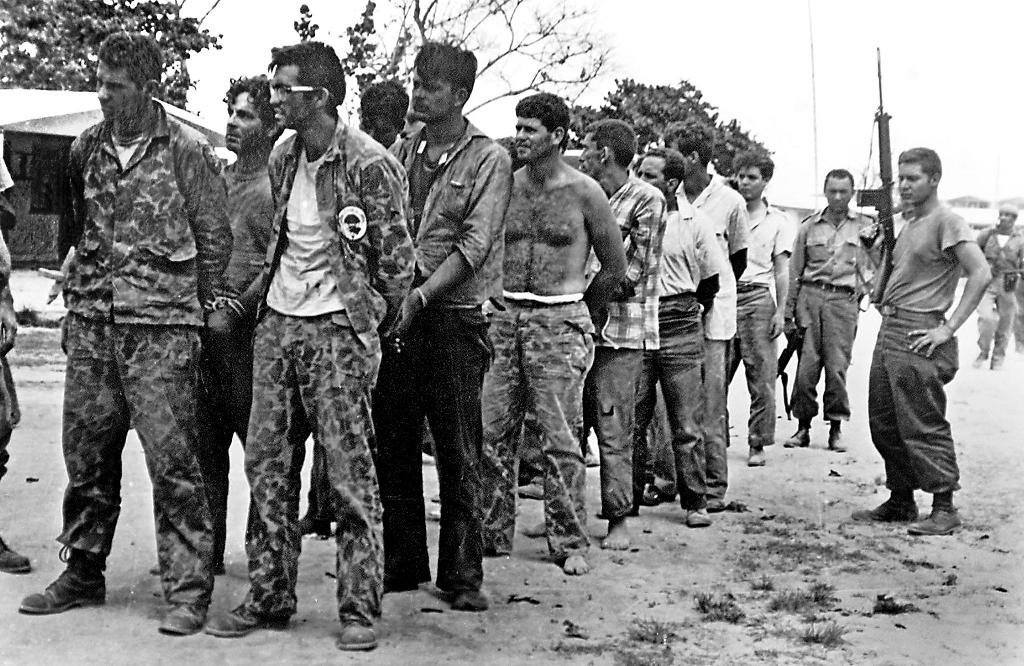
The brigade's organizational structure approximated U.S. infantry doctrine: six battalions (one airborne, one tank/mechanized, four infantry), a small air force of approximately 20 B-26 light bombers, and supporting elements. Training had been conducted at camp Trax in the Guatemalan highlands (initial infantry training), at Puerto Cabezas, Nicaragua (amphibious training), and at Happy Valley airbase, Nicaragua (B-26 pilot training).
The brigade's senior leadership included:
- Pepe San Román (José Alfredo Pérez San Román, 1930-1989) — Commander. Former Cuban army officer; brigade chief.
- Erneido Oliva (b. 1932) — Deputy Commander; commanded the airborne battalion at the landing.
- Manuel Artime (1932-1977) — Political leader; subsequently the principal civilian face of brigade veteran organizations in the United States.
The brigade's political wing — the Frente Revolucionario Democrático (FRD), subsequently re-organized as the Consejo Revolucionario Cubano (CRC) — was led by former Cuban Prime Minister José Miró Cardona, who would have served as provisional president of the post-Castro government if the operation had succeeded.
The personnel demographic skewed heavily toward Cuban professionals and middle-class exiles. Approximately 60% had been members of the 26 de Julio Movement — Castro's own pre-revolutionary movement — before breaking with the regime over its 1959-1960 turn toward the Soviet bloc.
The April 17 decision
The single most consequential decision of the operation was Kennedy's April 16 cancellation of the second-wave B-26 strikes. The April 15 first strikes had destroyed approximately half of Castro's air force; the planned second wave, scheduled for the morning of April 17, was intended to destroy the remainder before the landing-ships approached the bay.
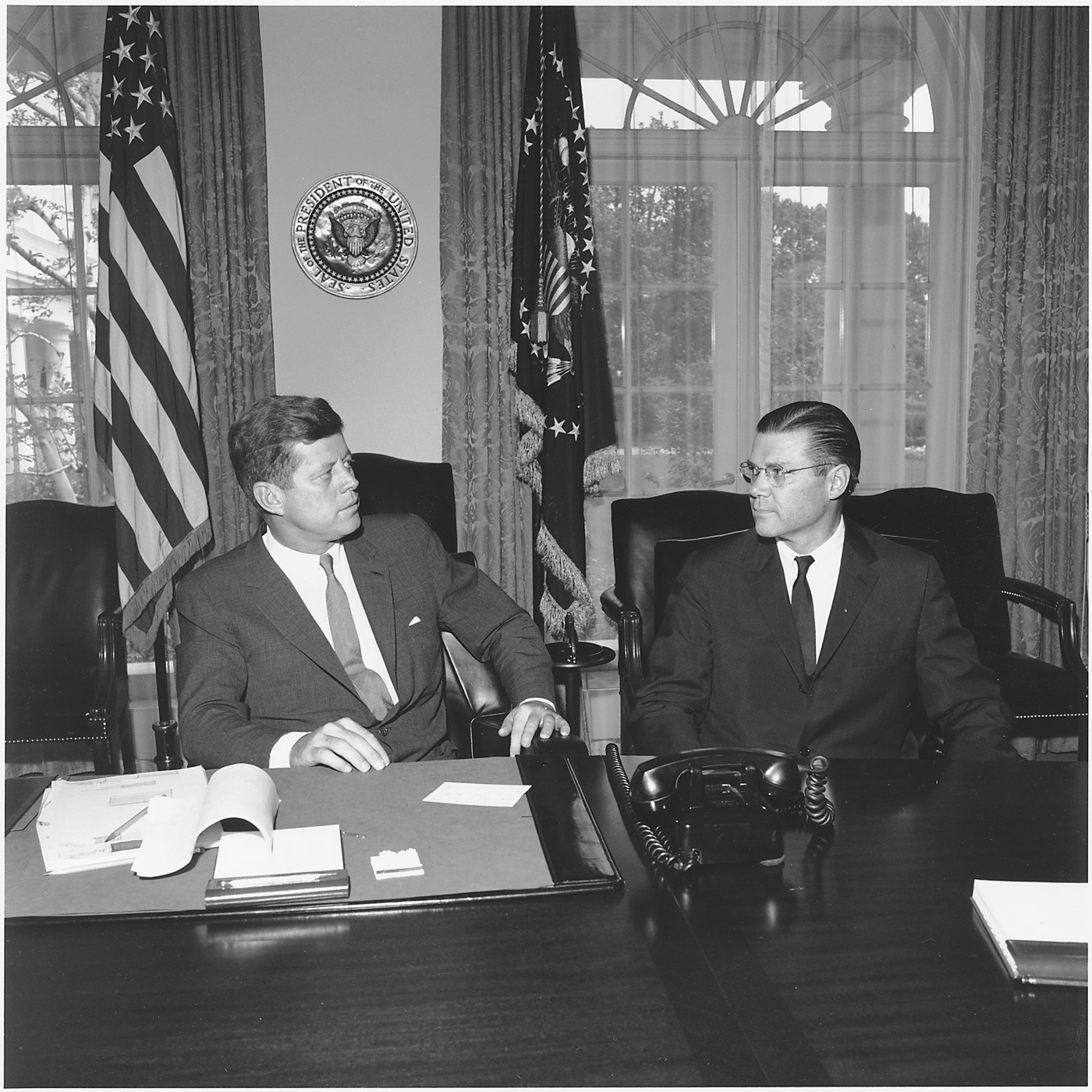
Kennedy's reasoning for the cancellation, as reconstructed from subsequent accounts and the partial documentary record:
- The first-wave strikes had been internationally identified as U.S.-sponsored within hours, despite the cover story (the B-26s in Cuban FAR markings flown by "defecting Cuban pilots") having been planned to provide plausible deniability. Cuban Foreign Minister Raúl Roa's protest at the United Nations on April 15 had identified the strikes as U.S. operations.
- A second wave on April 17 — coincident with the amphibious landings — would have made U.S. responsibility unambiguous and would have undermined the diplomatic cover that the operation was a Cuban-internal affair.
- Rusk advised Kennedy against the second wave on cover-preservation grounds.
- Bundy concurred.
- Bissell and Dulles were not present at the April 16 evening meeting at which the decision was made; Cabell (deputy director) was contacted by telephone and conveyed Bissell's strong objection.
- Kennedy declined to reverse the decision.
The consequences of the cancellation became evident within hours of the landing. The surviving elements of Castro's air force — approximately 6-8 aircraft — engaged the brigade's supply ships at first light on April 17. The M/V Houston and M/V Río Escondido were sunk by Cuban Sea Furies and Cuban-piloted B-26s. The loss of these two ships eliminated approximately 30% of the brigade's ammunition and supplies, including the bulk of its tank-ammunition reserve and 145 cases of communications batteries.
The 72 hours
April 17, 1961. Brigade 2506 began landing at Playa Girón at 1:00 a.m.; at Playa Larga and Blue Beach Two in subsequent hours. By 3:00 a.m. all three beaches had been engaged by Cuban militia detachments. By dawn, the supply ships Houston and Río Escondido were under air attack; both were sunk by mid-morning. By midday, Castro's mobilization was in progress and the first Cuban regular-army units had begun moving toward the bay from inland.
April 18, 1961. Brigade positions consolidated at Playa Girón. The airborne battalion under Oliva's command engaged Cuban militia along the road from Playa Larga northward; the engagement at Pálpite produced significant Cuban casualties but ended with brigade withdrawal. Brigade air operations from Happy Valley, Nicaragua continued: three B-26 strikes were flown but with limited effect. Three brigade pilots were killed in the day's operations.
April 19, 1961. Cuban regular-army units in armor and infantry strength reached the beachhead. Brigade ammunition reserves — substantially depleted by the loss of the supply ships — were exhausted by late morning. Brigade positions at Playa Girón collapsed between approximately 10:00 a.m. and 12:30 p.m. Brigade survivors dispersed into the surrounding swamp; the majority were captured over the following 72 hours.
By April 20, Castro's forces had consolidated complete control of the bay. Castro's victory speech that evening at the Plaza de la Revolución in Havana was the first formal characterization of the failed invasion as a U.S. operation.
The aftermath in Havana
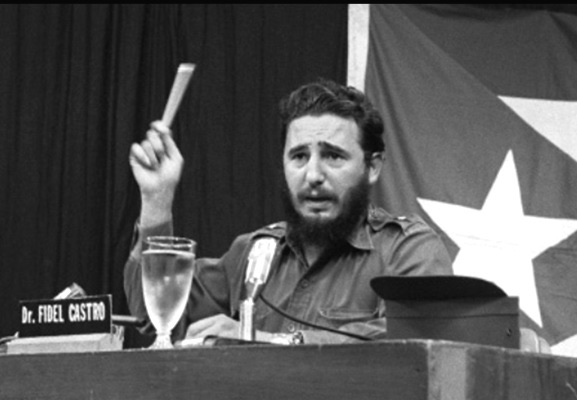
The failed invasion had three immediate consequences for Castro's government:
- Domestic consolidation. The April 19 victory eliminated significant internal opposition. Approximately 100,000 Cubans were detained between April 17 and April 25 on suspicion of pro-invasion sympathy; most were released within weeks, but the detention demonstrated the regime's operational capacity to suppress organized opposition. The Cuban anti-Castro internal movement, which had been substantial in 1959-1960, did not subsequently recover.
- Ideological declaration. Castro had publicly identified the Cuban government as Marxist-Leninist on April 16, 1961 — the day of the U.S. air strikes — in a speech at the funeral of Cubans killed in the strikes. The April 16 declaration was Castro's formal alignment with the Soviet bloc; the alignment, previously only operational, was now ideological.
- Soviet response. Khrushchev's April 22 telegram to Kennedy described the operation as "shameful" and warned of Soviet support for Cuba. The subsequent Soviet-Cuban discussions in 1961-1962 produced, in mid-1962, the agreement to install Soviet medium-range nuclear missiles on Cuban territory — the precipitating decision of the October 1962 Cuban Missile Crisis.
The CIA reckoning
Kennedy publicly accepted personal responsibility for the operation at a press conference on April 21, 1961: "There's an old saying that victory has a hundred fathers and defeat is an orphan." The Kennedy administration's internal response over the following twelve months was the substantial restructuring of CIA covert-action leadership.
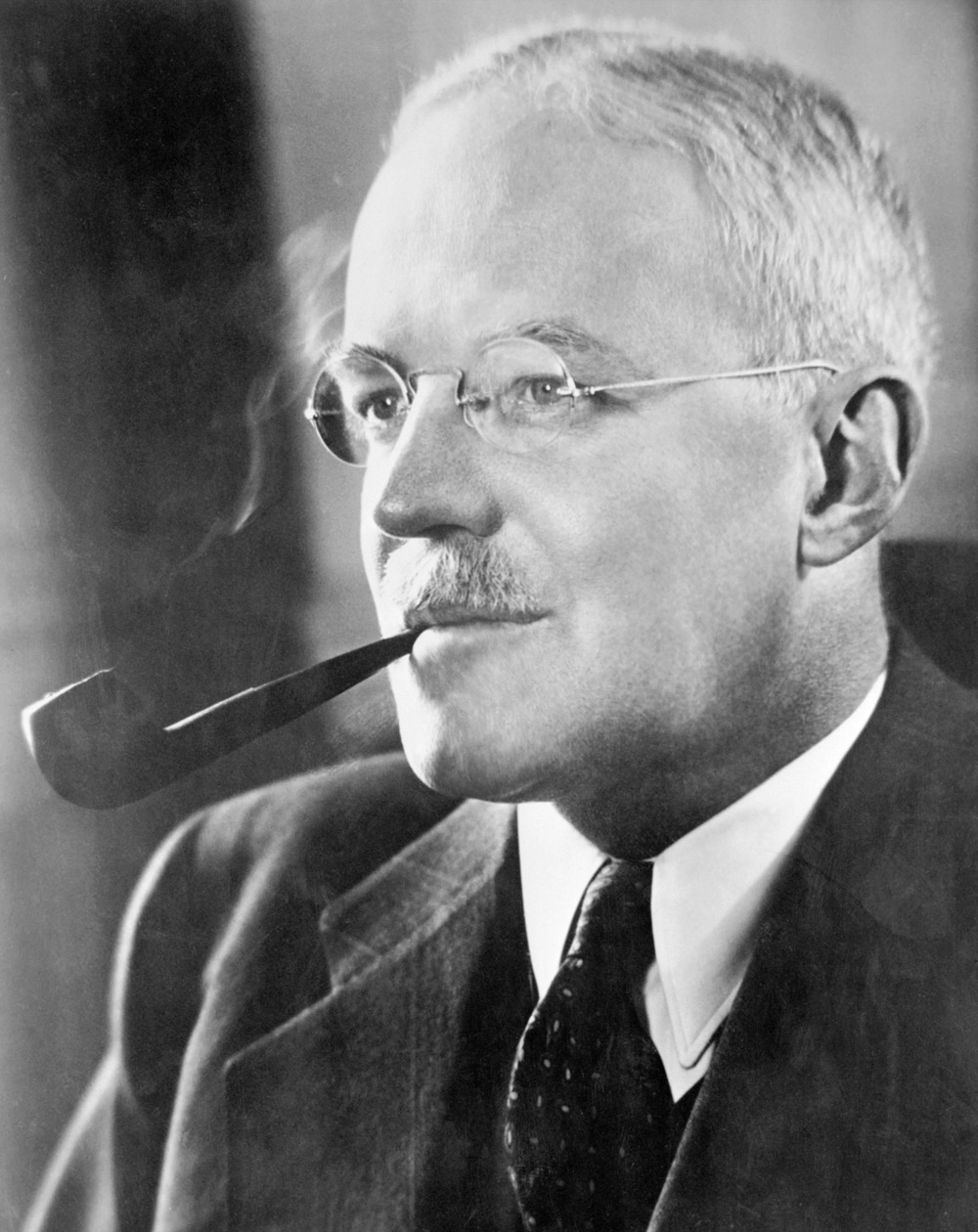
The President convened the Cuba Study Group (commonly the Taylor Commission, after its chairman General Maxwell Taylor) on April 22, 1961. The commission's other members were Attorney General Robert Kennedy, Chief of Naval Operations Admiral Arleigh Burke, and CIA Director Allen Dulles. The commission delivered its report on June 13, 1961. The report's principal conclusions:
- The operation had been fundamentally underestimated in scale by the operational planners.
- The April 16 cancellation of the second-wave air strikes had not been the proximate cause of the failure; the failure was probable in any event given the inadequate planning.
- The CIA's compartmentalization of operational details had prevented adequate Joint-Chiefs scrutiny.
- The provisional Cuban government structure (the FRD/CRC) had been inadequately coordinated with the operational element.
The personnel consequences:
- Allen Dulles — Director of Central Intelligence; resigned at Kennedy's request on November 29, 1961. Replaced by John A. McCone on November 29, 1961.
- Charles Cabell — Deputy Director of Central Intelligence; resigned January 31, 1962.
- Richard Bissell — Deputy Director for Plans; resigned February 17, 1962. Replaced by Richard Helms.
The much-quoted Kennedy remark — "I want to splinter the CIA into a thousand pieces and scatter it to the winds" — was attributed to Kennedy by Arthur Krock in The New York Times on October 3, 1965 (two years after Kennedy's assassination). The remark is not contemporaneously documented in Kennedy administration records.
The road to October 1962
The substantive consequence of the Bay of Pigs for U.S. foreign policy was the Cuban Missile Crisis of October 16-28, 1962. The causal sequence, as reconstructed from declassified U.S. and Soviet records over the subsequent four decades:
- The April 1961 demonstration of U.S. willingness to attempt military overthrow of the Cuban government contributed substantially to Castro's request for Soviet security guarantees.
- Soviet General Secretary Nikita Khrushchev's May-July 1962 deliberations on Cuban military protection led to the Operation Anadyr decision to install Soviet medium-range ballistic missiles in Cuba — Khrushchev's later memoir attributes the decision in part to the Bay of Pigs demonstration of U.S. intent.
- The October 14, 1962 U-2 photographic confirmation of Soviet missile installations on Cuban territory precipitated the 13-day crisis.
The October 1962 crisis was the closest the U.S. and the Soviet Union came to nuclear exchange. It was resolved on October 28, 1962 by the Khrushchev-Kennedy exchange of a Soviet missile withdrawal for a U.S. non-invasion pledge and (in a separate undisclosed protocol) the withdrawal of U.S. Jupiter missiles from Turkey.
Kennedy's handling of the October crisis — characterized by extended consultation, deliberate caution, and skepticism toward initial recommendations of military action — has been historiographically attributed in part to the lessons of the April 1961 failure. The institutional and personal record indicates that Kennedy had become, by October 1962, substantially less willing to defer to military and intelligence-community operational recommendations than he had been in April 1961.
Declassifications
The documentary record of the Bay of Pigs has been released in three principal waves:
- 1979. The Taylor Commission's Cuba Study Group report was partially declassified and released.
- 1998. The CIA Inspector General Report by Lyman B. Kirkpatrick Jr. (originally completed October 1961) was declassified in full. The Kirkpatrick report is the most operationally critical CIA internal document on the operation.
- 2011-2016. Substantial additional CIA operational records were released under the Kennedy-administration-records declassification programs, including planning documents, after-action reports, and personnel files of brigade members.
The released documentation has progressively confirmed the principal operational narrative without producing major revisions to the established account. The remaining classified material — primarily personnel-protection materials and post-1962 brigade-veteran records — is not understood to materially alter the operational picture.
The cast
Sources
Primary documents:
- Report of the Cuba Study Group (Taylor Commission Report), June 13, 1961. Partially declassified 1979; substantially released 2000-2011.
- CIA Inspector General's Report on the Cuban Operation (Kirkpatrick Report), October 1961. Declassified 1998.
- National Security Action Memorandum 55, June 28, 1961.
- Bissell's April 14, 1961 daily summary (within the Kirkpatrick Report's documentary appendix).
- Foreign Relations of the United States, 1961-1963, Volume X: Cuba 1961-1962 (Department of State, 1997).
- Kennedy and Cuba: Operation Mongoose (Mongoose papers, declassified 1996-2017).
- CIA Internal History of the Bay of Pigs Operation, declassified 2011.
- Cuban Government Archives, selective material released 2002 onwards via the Casa de las Américas and the José Martí National Library.
Secondary investigative reporting: 9. Peter Wyden, Bay of Pigs: The Untold Story (Simon & Schuster, 1979). 10. Howard Jones, The Bay of Pigs (Oxford University Press, 2008). 11. Arthur M. Schlesinger Jr., A Thousand Days: John F. Kennedy in the White House (Houghton Mifflin, 1965). Schlesinger had been the Kennedy administration's principal in-house historian and an internal critic of the operation. 12. Robert Dallek, An Unfinished Life: John F. Kennedy 1917-1963 (Little, Brown, 2003). 13. Theodore Sorensen, Kennedy (Harper & Row, 1965). 14. The New Yorker, multi-decade Bay of Pigs reporting 1961-2021. 15. Frontline / PBS, "The Cuba Project," 2006. 16. Errol Morris, The Unknown Known (2013) — partial Bay of Pigs context within McNamara/Rumsfeld portraits. 17. Manuel Artime, Traición! Gritan 100,000 Tumbas Cubanas (private publication, 1962). 18. James G. Blight and Peter Kornbluh, Politics of Illusion: The Bay of Pigs Invasion Reexamined (Lynne Rienner, 1998).
Academic / specialist scholarship: 19. Trumbull Higgins, The Perfect Failure: Kennedy, Eisenhower, and the CIA at the Bay of Pigs (Norton, 1987). 20. Piero Gleijeses, "Ships in the Night: The CIA, the White House and the Bay of Pigs," Journal of Latin American Studies 27:1 (1995). 21. James G. Hershberg and Peter Kornbluh, "Brothers in Arms" — Bay of Pigs documentary annexes in Cold War International History Project, Wilson Center, multiple volumes 1995-2018. 22. National Security Archive, Bay of Pigs Documentation Project (continuously updated digital archive), George Washington University.
Corrections & updates
2026-06-02: First publication.
Inspired this / based on it
Howard Jones
Oxford University Press. The leading 21st-century academic synthesis.
Peter Wyden
Simon & Schuster. The principal early popular account based on extensive participant interviews.
Arthur M. Schlesinger Jr.
Houghton Mifflin. Pulitzer Prize 1966. The Kennedy administration's in-house historian and an internal April 1961 critic.
PBS Frontline
Full-length documentary treatment of the operation and its consequences.
Trumbull Higgins
W.W. Norton. Influential mid-period academic treatment.
Roger Donaldson · ★ 7.3
October 1962 Cuban Missile Crisis dramatization with Bay of Pigs prologue context. Kevin Costner.
Filed under
- #bay-of-pigs
- #bahia-de-cochinos
- #brigade-2506
- #cia
- #cuba
- #fidel-castro
- #kennedy
- #allen-dulles
- #richard-bissell
- #eisenhower
- #playa-giron
- #1961
- #latin-america
- #north-america
- #cold-war
- #declassified
Click any tag for every article carrying it.
Continue reading
The JFK Assassination
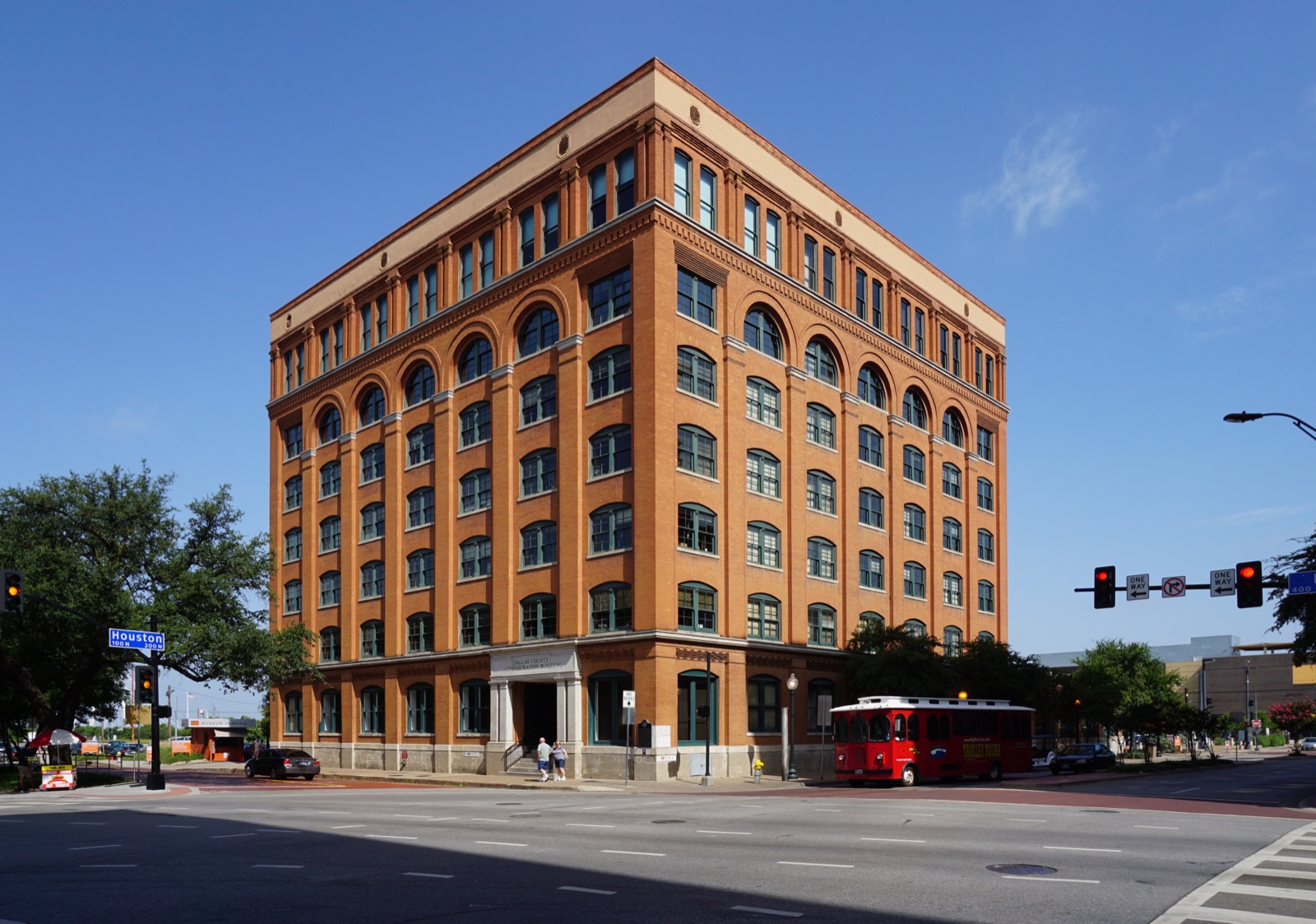
At 12:30 p.m. local time on Friday, November 22, 1963, three rifle shots were fired at the presidential motorcade as it traveled through Dealey Plaza in downtown Dallas. The 35th President of the United States, John Fitzgerald Kennedy, was struck twice — first through the neck and then in the head. He was pronounced dead at Parkland Memorial Hospital at 1:00 p.m. The man arrested for the killing — Lee Harvey Oswald, a 24-year-old former U.S. Marine who had defected to the Soviet Union in 1959 and returned to the United States with his Russian wife in 1962 — was shot to death two days later, on November 24, in the basement of the Dallas Police Department by Jack Ruby, a Dallas nightclub owner with documented organized-crime connections. Oswald was never tried. The Warren Commission, appointed by President Lyndon Johnson on November 29, 1963, concluded in its September 1964 report that Oswald had acted alone. The 1976-1979 House Select Committee on Assassinations concluded that Oswald had assassinated Kennedy but that 'a conspiracy was probable' based on disputed acoustic evidence. Approximately 5 million pages of classified material related to the case have been declassified in waves since the 1992 JFK Records Act — most recently in major batches in October 2017, November 2017, April 2018, December 2022, and June 2023. The final tranche under Trump's second presidency was released March 18, 2025. The declassifications have confirmed extensive operational CIA activity connected to Oswald's pre-assassination movements but have not produced documentary evidence of a second shooter or of senior-level U.S. government involvement. The case remains the foundational American conspiracy story and the principal modern example of how partially-declassified state files can sustain — rather than resolve — public doubt.
Operation Condor
On November 25, 1975, in the headquarters of Chile's National Intelligence Directorate (DINA) in Santiago, the intelligence chiefs of six South American military dictatorships — Argentina, Bolivia, Brazil, Chile, Paraguay, and Uruguay — signed the founding charter of what they named *Operación Cóndor*. The agreement was sponsored by DINA's director, Colonel Manuel Contreras, with the formal cooperation of his counterparts in the participating regimes. Operation Condor was a clandestine cross-border intelligence-sharing and counter-insurgency apparatus designed to identify, locate, surveil, abduct, interrogate, and — where the participating regimes determined it warranted — assassinate political opponents of any of the member governments, anywhere they could be reached. The operation conducted hundreds of cross-border abductions, was directly responsible for several thousand documented disappearances within the participating countries, and carried out at least three documented international assassinations: General Carlos Prats in Buenos Aires on September 30, 1974 (in the pre-charter operational period); the attempted assassination of Bernardo Leighton and his wife in Rome on October 6, 1975; and the September 21, 1976 car-bomb killing of former Chilean Foreign Minister Orlando Letelier and his American assistant Ronni Moffitt at Sheridan Circle, two miles from the White House. The United States Department of State, under Secretary Henry Kissinger, was briefed on Condor's existence and capabilities; the Central Intelligence Agency provided communications infrastructure (a continental cryptocommunications system known as 'Condortel') in 1976. The full organizational structure was unknown to the public until December 1992, when Paraguayan dissident lawyer Martín Almada and a Paraguayan judge located 60,000 pages of operational records — the 'Archives of Terror' — in a police facility in a Lambaré suburb of Asunción. The Argentine 'Mega-Causa Plan Cóndor' trial concluded in May 2016 with the conviction of 15 senior officers including former Argentine President Reynaldo Bignone. The Italian Court of Cassation issued final convictions in absentia of 24 South American officers in 2019. The case is closed in legal terms; it is the most operationally-documented multinational state-sponsored political-murder program of the late 20th century.
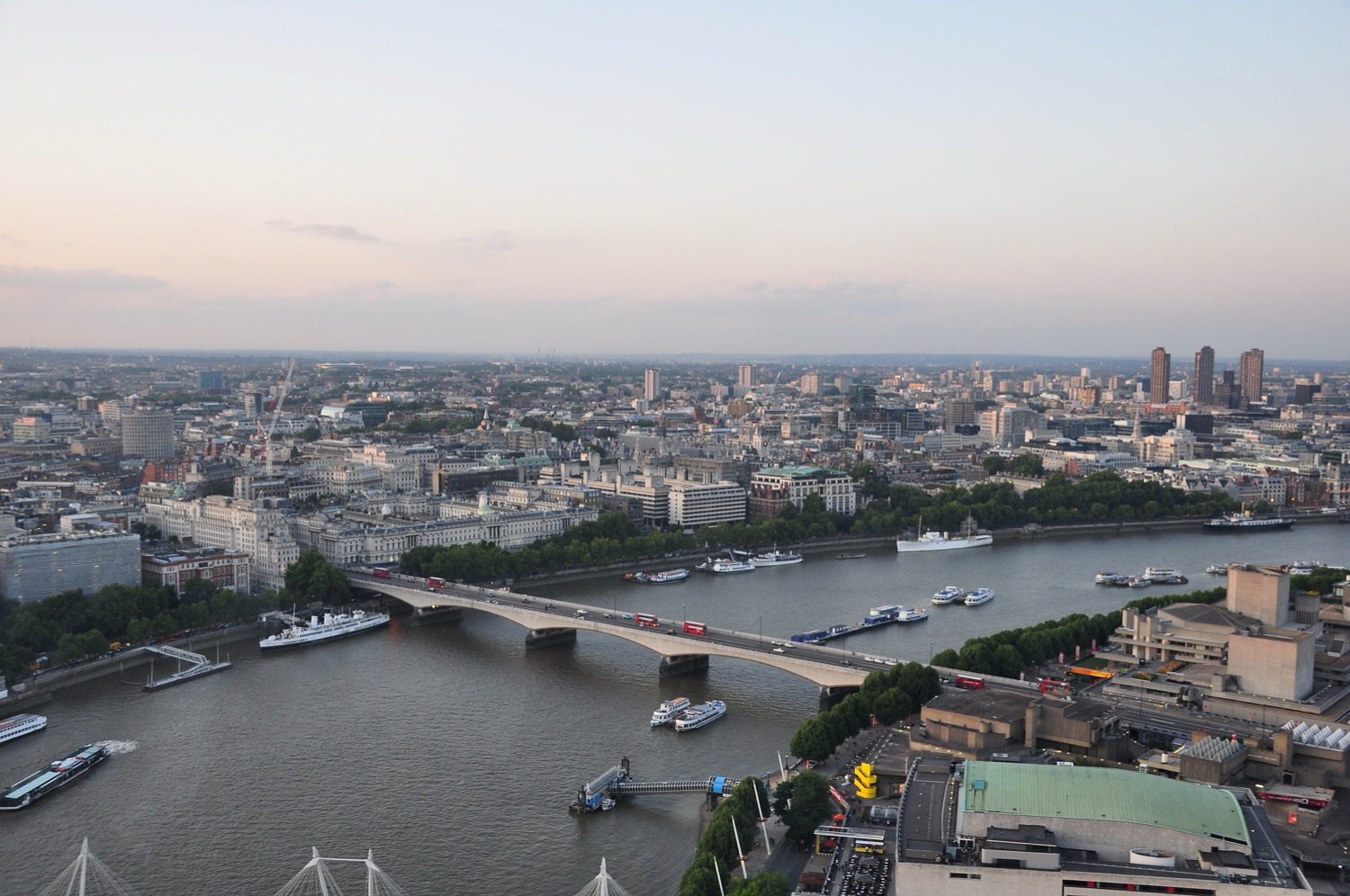
The Umbrella Murder: The Poisoning of Georgi Markov
On the afternoon of 7 September 1978, Georgi Markov, a Bulgarian émigré writer, was waiting at a bus stop on Waterloo Bridge in London, on his way to his job at the BBC World Service, when he felt a sudden sharp sting in the back of his right thigh. Turning, he saw a man behind him bending to pick up a dropped umbrella; the man apologised in a foreign accent, hurried across the road, and got into a taxi. Markov thought little of it at first, but by that evening he had developed a high fever, and over the next three days his condition collapsed catastrophically. He died on 11 September, aged forty-nine. A post-mortem examination found, embedded in his thigh, a tiny metal pellet no larger than a pinhead, drilled with minuscule cavities that had held a dose of ricin — one of the deadliest toxins known, and one for which there is no antidote. Markov had been assassinated in broad daylight on a London street, murdered for the crime of broadcasting the truth about the communist regime in his homeland. The method — a poison pellet delivered, it is believed, by a specially engineered umbrella — became one of the most infamous images of Cold War espionage, and the killing itself one of its clearest examples of a state reaching across borders to silence a dissident. This is the story of the umbrella murder.