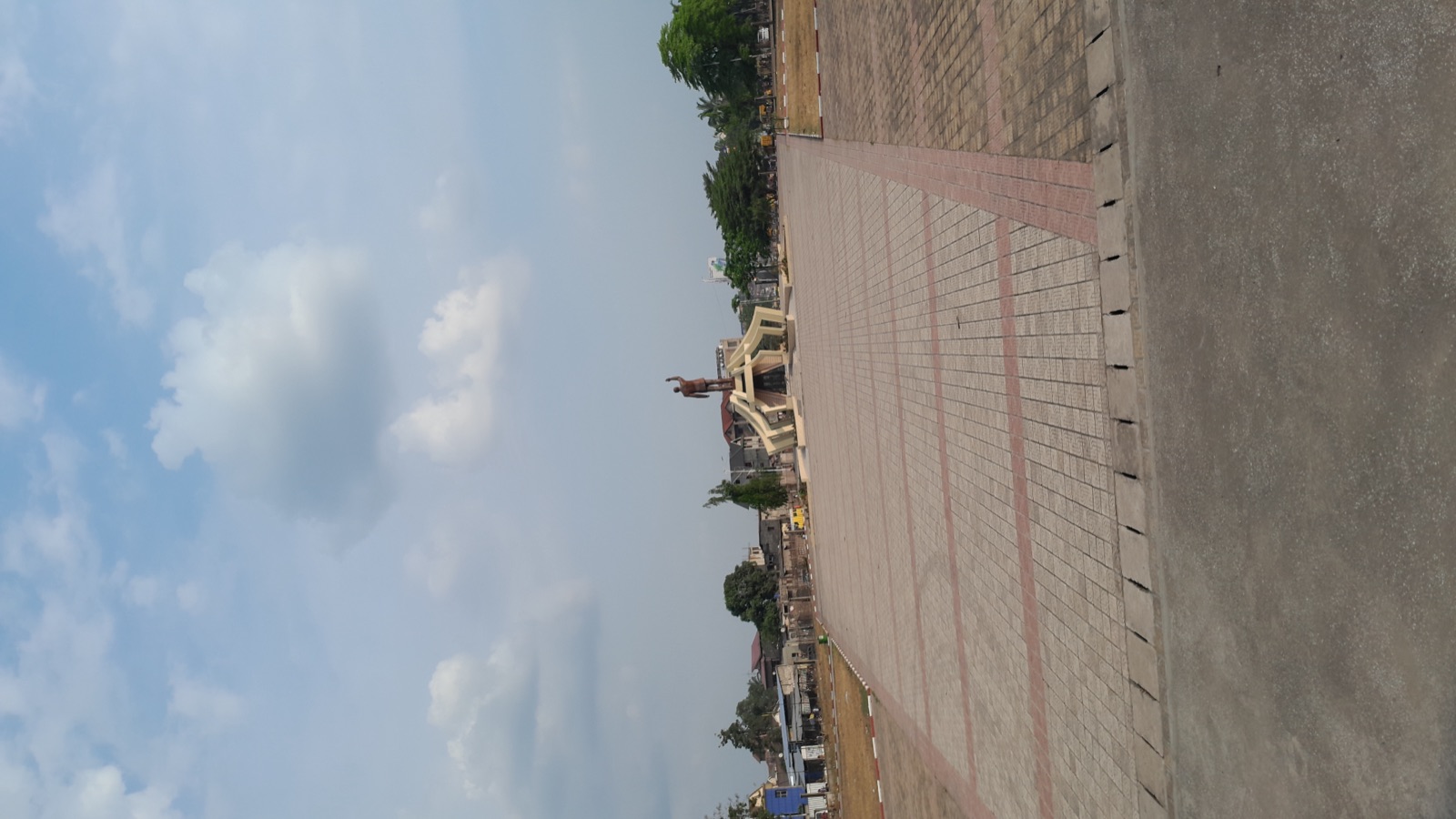
Statue of Patrice Lumumba, Kinshasa. The first Prime Minister of the Democratic Republic of the Congo was murdered in Katanga province on January 17, 1961, after less than three months in office. Wikimedia Commons, CC BY-SA 4.0.
The Assassination of Patrice Lumumba
Élisabethville, January 17, 1961
- Category
- Assassinations & Disappearances
- Published
- Length
- 3,700 words · 17 min read
- Author
- The editors
The Assassination of Patrice Lumumba
Élisabethville, January 17, 1961.
Independence
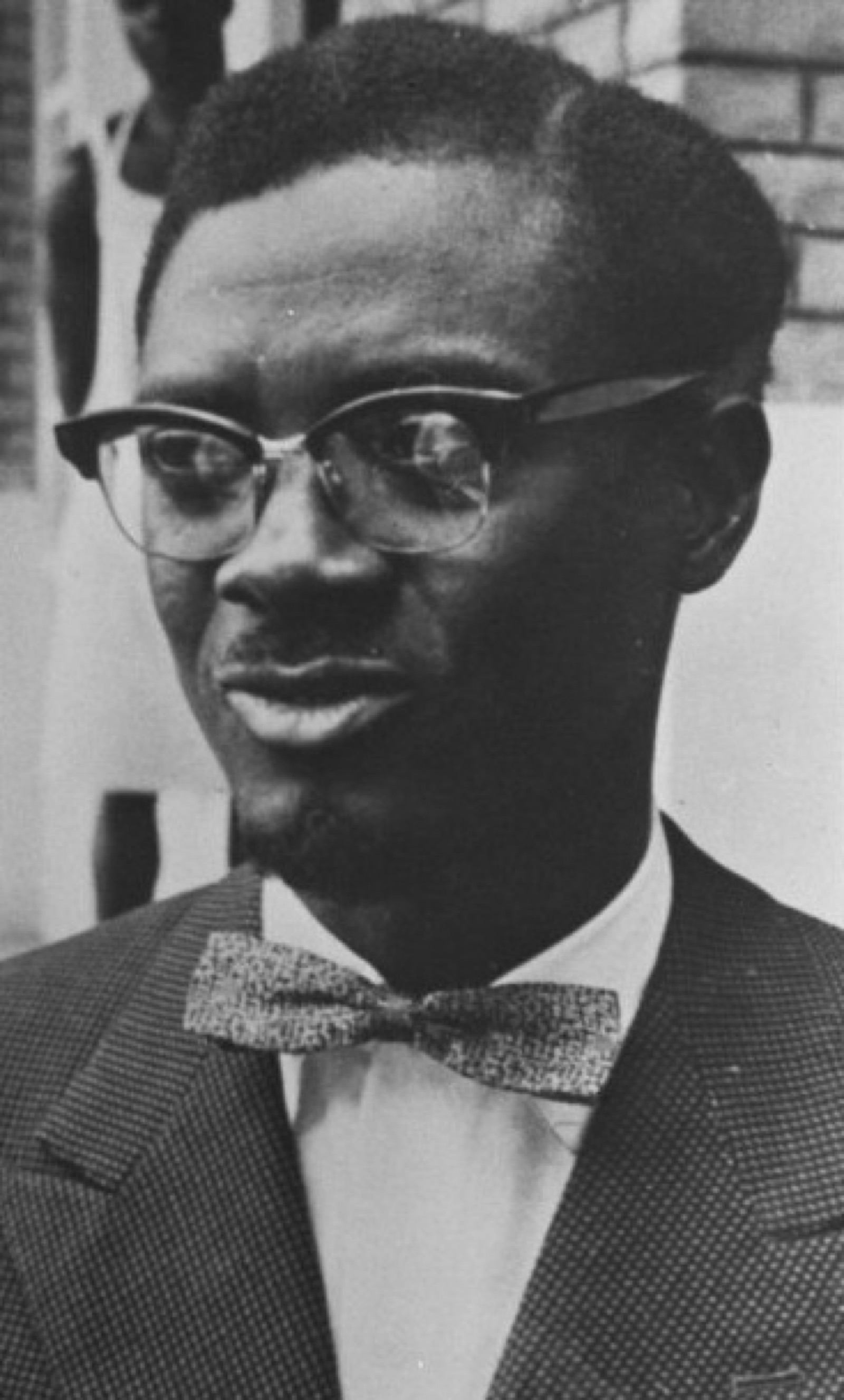
The Belgian Congo had been one of the most exploitative colonial regimes in Africa. Between 1885 and 1908, King Leopold II's "Congo Free State" operated as the king's personal possession; estimates of excess Congolese mortality during the Leopold period range from 5 to 10 million, primarily from forced labor in rubber extraction. Belgian colonial administration (1908-1960) was less murderous but enforced systematic apartheid: 13 million Congolese, 20,000 Belgian colonial officials, no Congolese citizens, no Congolese voting rights, no Congolese university until 1954.
The decision to grant independence came suddenly. In January 1959, riots in Léopoldville (now Kinshasa) had been suppressed at the cost of 49 Congolese dead. Belgian Prime Minister Gaston Eyskens' government concluded that continued colonial rule would require unsustainable military commitment. The Brussels Round Table Conference of January-February 1960 set independence for June 30, 1960 — four months after the negotiations concluded.
Congo at independence had:
- Approximately 17 university-educated Congolese in the entire country.
- No Congolese army officers; the Force Publique was officered entirely by Belgians.
- A territory of approximately 2.34 million square kilometers (78 times the size of Belgium).
- A population of approximately 14 million, divided among approximately 250 ethnolinguistic groups.
The new Republic's first Prime Minister, Patrice Lumumba, was 34 years old. He had grown up in the Sankuru District of Kasaï province, educated in Belgian Catholic and Protestant mission schools. He had worked as a postal clerk, then as a beer-sales manager. He had founded the Mouvement National Congolais (MNC) in 1958 — the only major Congolese independence party that was explicitly not organized along ethnic-tribal lines. His 1960 election campaign had emphasized national unity over regional autonomy.
At the June 30, 1960 independence ceremony, King Baudouin of Belgium delivered a paternalistic address praising Belgian colonial achievement. Lumumba — speaking in protocol-breaking defiance of the prepared program — gave a response that became historically famous:
The speech offended the Belgian delegation. Within days of independence, Belgian officials in Brussels were briefing American diplomats that Lumumba's hostility to Belgium made him a Soviet proxy in waiting.
The crisis
The Force Publique mutiny began on July 5, 1960 — five days after independence. Congolese soldiers demanded the removal of their Belgian officers and immediate promotion. Lumumba responded by promoting all Congolese soldiers by one rank, ordering the Belgian officers' withdrawal, and appointing Colonel Joseph Mobutu — until days earlier a sergeant — as the new Army Chief of Staff.
The Belgian government, citing the safety of Belgian nationals in Congo, deployed Belgian paratroopers without Congolese authorization on July 10. Belgian forces occupied Élisabethville in Katanga.
On July 11, 1960 — twelve days after independence — Moïse Tshombe, president of the Katanga provincial assembly, declared Katanga's secession from Congo. Katanga held approximately 60 percent of the world's cobalt supply and approximately 12 percent of the world's copper. The Belgian mining company Union Minière du Haut-Katanga, which had operated the mineral concessions since the colonial period, had begun paying tax revenues to Tshombe rather than to the Léopoldville government.
The Belgian government recognized Tshombe's secession in operational terms — sending Belgian military advisors, paying Belgian mercenary recruitment, and channeling Union Minière revenues to Élisabethville. Brussels did not formally recognize Katanga as independent (which would have raised international diplomatic problems), but Belgian operational policy was to support the secession.
On July 12, 1960, Lumumba appealed to the United Nations for peacekeeping intervention. UN Secretary-General Dag Hammarskjöld deployed the United Nations Operation in Congo (ONUC) — eventually 20,000 troops under multinational command. ONUC's mandate, as Hammarskjöld interpreted it, was to facilitate the withdrawal of Belgian forces but not to deploy against Katanga directly.
Lumumba viewed the Hammarskjöld interpretation as a betrayal. On August 15, 1960, he telegrammed Soviet Premier Nikita Khrushchev requesting direct Soviet military assistance. Khrushchev sent approximately 100 trucks, 10 transport aircraft, and approximately 200 Soviet technical advisors over the next two weeks.
The Soviet airlift was, in Cold War terms of 1960, a major event. The Eisenhower administration treated it as an existential challenge to U.S. policy in newly-independent Africa.
What Washington decided
On August 18, 1960, President Eisenhower convened the National Security Council to discuss Congo. The meeting included Eisenhower, Secretary of State Christian Herter, Defense Secretary Thomas Gates, CIA Director Allen Dulles, and NSC staff including Robert Johnson.
The 1975 U.S. Senate Select Committee on Intelligence (the Church Committee) subsequently established the meeting's substance. The Committee's interim report quoted Johnson's contemporaneous notes:
"President Eisenhower said something — I can't remember his words — that came across to me as an order for the assassination of Lumumba."
The exact phrasing the President used has been disputed by participants. Robert Johnson recalled it as something like "we have to remove Lumumba." Other accounts characterize the language as ambiguous. Dulles's subsequent characterizations of the meeting treated it as having authorized "elimination" in the operational sense.
Within days of the August 18 meeting, CIA Director Dulles cabled CIA Léopoldville station chief Larry Devlin:
"In high quarters here it is the clear-cut conclusion that if [Lumumba] continues to hold high office, the inevitable result will at best be chaos and at worst pave the way to communist takeover of the Congo... His removal must be an urgent and prime objective and that under existing conditions this should be a high priority of our covert action."
Devlin organized two parallel approaches:
1. The poison plan. CIA Technical Services Division chief Sidney Gottlieb personally delivered a vial of biological toxin to Devlin in Léopoldville on September 26, 1960. The toxin was designed to cause a fatal disease — most likely brucellosis or tularemia — that would appear natural. Devlin's mission was to introduce it into Lumumba's food or toiletries. Devlin subsequently testified to the Church Committee that he had been unwilling to attempt the operation and had buried the vial in the Congo River.
2. The political plan. Devlin worked with Congolese opposition figures — particularly President Kasa-Vubu, who had constitutional authority to dismiss the Prime Minister — and with Colonel Mobutu, who had operational control of the army. The CIA's contribution included payments to Mobutu (approximately $1.4 million across late 1960) and political support for Kasa-Vubu's September 5 dismissal of Lumumba.
The September 14 Mobutu coup was the political plan's success. Mobutu's troops surrounded Lumumba's residence and placed him under effective house arrest. The poison plan became operationally unnecessary.
The transfer
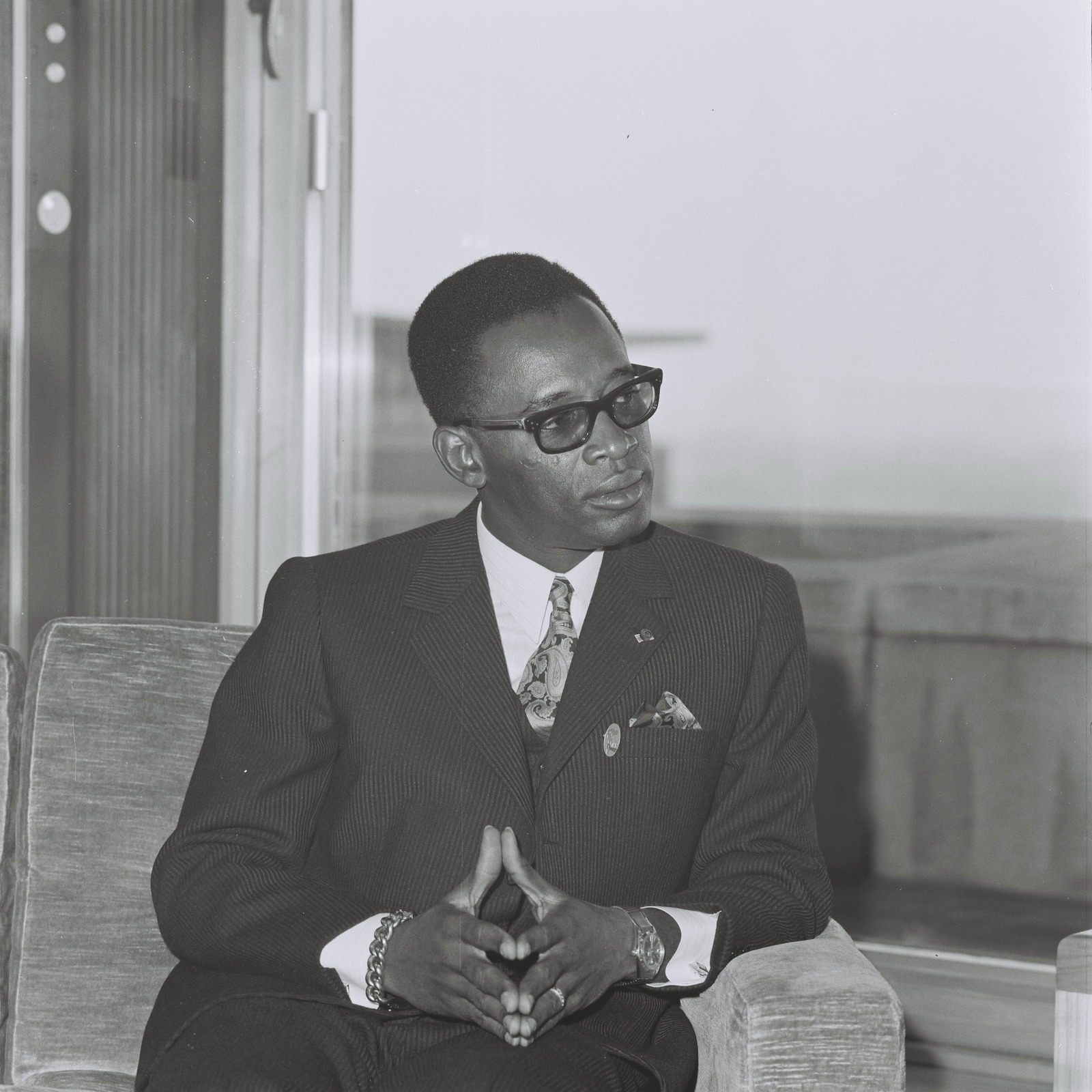
Lumumba was held under house arrest in Léopoldville from September 14 to November 27, 1960. UN troops formed a protective cordon around the residence — the Hammarskjöld interpretation of ONUC's mandate was that UN forces protected lives but did not contest political detentions.
On November 27, 1960, Lumumba escaped from house arrest. He drove overland toward Stanleyville (now Kisangani) in the north, hoping to reach the loyalist Lumumbist forces under his deputy Antoine Gizenga. He was captured on December 1, 1960, by Mobutu's troops near Mweka. He was transferred to military detention at Camp Hardy in Thysville.
Between December 1, 1960 and January 17, 1961, Lumumba was held at Camp Hardy. The Belgian and U.S. governments — through Belgian defense official Pierre Wigny and through Larry Devlin in Léopoldville — coordinated the choice of his eventual destination. The decision, finalized in early January 1961, was to transfer him to Tshombe's Katanga.
The Belgian Minister for African Affairs, Harold d'Aspremont Lynden, sent the operational telegram to the Belgian advisors in Élisabethville on January 16, 1961:
"L'avis du Gouvernement belge est que la transferre de Lumumba à Élisabethville aurait avantage à se faire avec le moins de délai possible."
"The Belgian Government's view is that the transfer of Lumumba to Élisabethville would best be carried out with the least delay possible."
The telegram was the operational green light. By the documentary record subsequently established by the Bacquelaine Commission, the Belgian government understood that the transfer to Katanga meant the transfer to Lumumba's death.
Lumumba was flown from Camp Hardy to Élisabethville on the afternoon of January 17, 1961, on a Belgian-government-organized DC-4 aircraft. He was accompanied by two other Lumumbist political figures — Maurice Mpolo and Joseph Okito — and beaten during the flight by the Belgian-officered Katangan escort.
The aircraft landed at Élisabethville at approximately 5:45 p.m. local time. The three prisoners were transported to a small house near the airfield, then to a remote forest clearing in the Katanga bush. They were shot by a firing squad commanded by Belgian Police Commissioner Frans Verscheure under the supervision of Belgian Police Commissioner Gerard Soete. The killing was completed by approximately 9:43 p.m.
The disposal
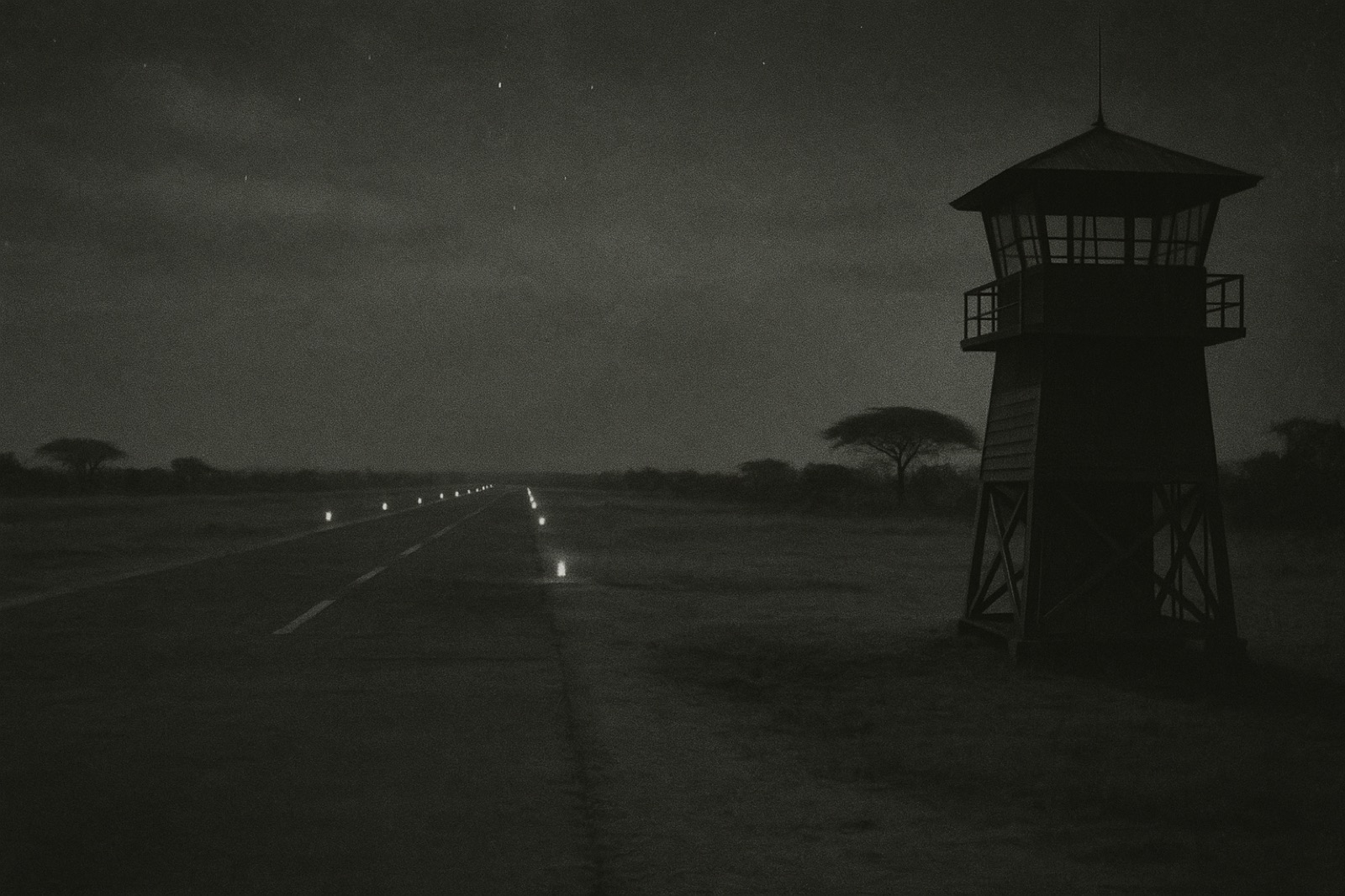
What happened to the bodies has become the part of the case most specifically documented through post-2000 Belgian disclosures.
Gerard Soete, the Belgian police commissioner, returned to the forest grave on January 21, 1961 with his brother Michel and a quantity of sulfuric acid. Over two days, the brothers dug up the three bodies and dissolved them in acid. Soete kept two of Lumumba's teeth as personal trophies. He gave one to a journalist in 2000 (the journalist returned it to the Belgian state); the other Soete kept until his death in 2000.
Soete's confession came in a 1999 interview with Belgian journalist Ludo De Witte, given as Soete prepared a memoir. The interview formed a substantial portion of De Witte's 2001 book The Assassination of Lumumba. Soete characterized himself, in the interview, as having been ordered by his superiors to carry out the dissolution. He showed De Witte the second tooth, kept in a small jar in his Bruges home.
Soete's daughter Godelieve inherited the tooth after her father's death. In 2016, she gave an interview to Humo magazine in which she displayed the tooth. The Belgian state seized the tooth in the same year as evidence; legal proceedings around its custody continued through 2020.
On June 20, 2022, in a ceremony at the Belgian Parliament attended by Prime Minister Alexander De Croo and Lumumba's three surviving children, the tooth was formally returned to the Lumumba family. The accompanying state declaration formally acknowledged the Belgian responsibility for the death.
What Hammarskjöld did
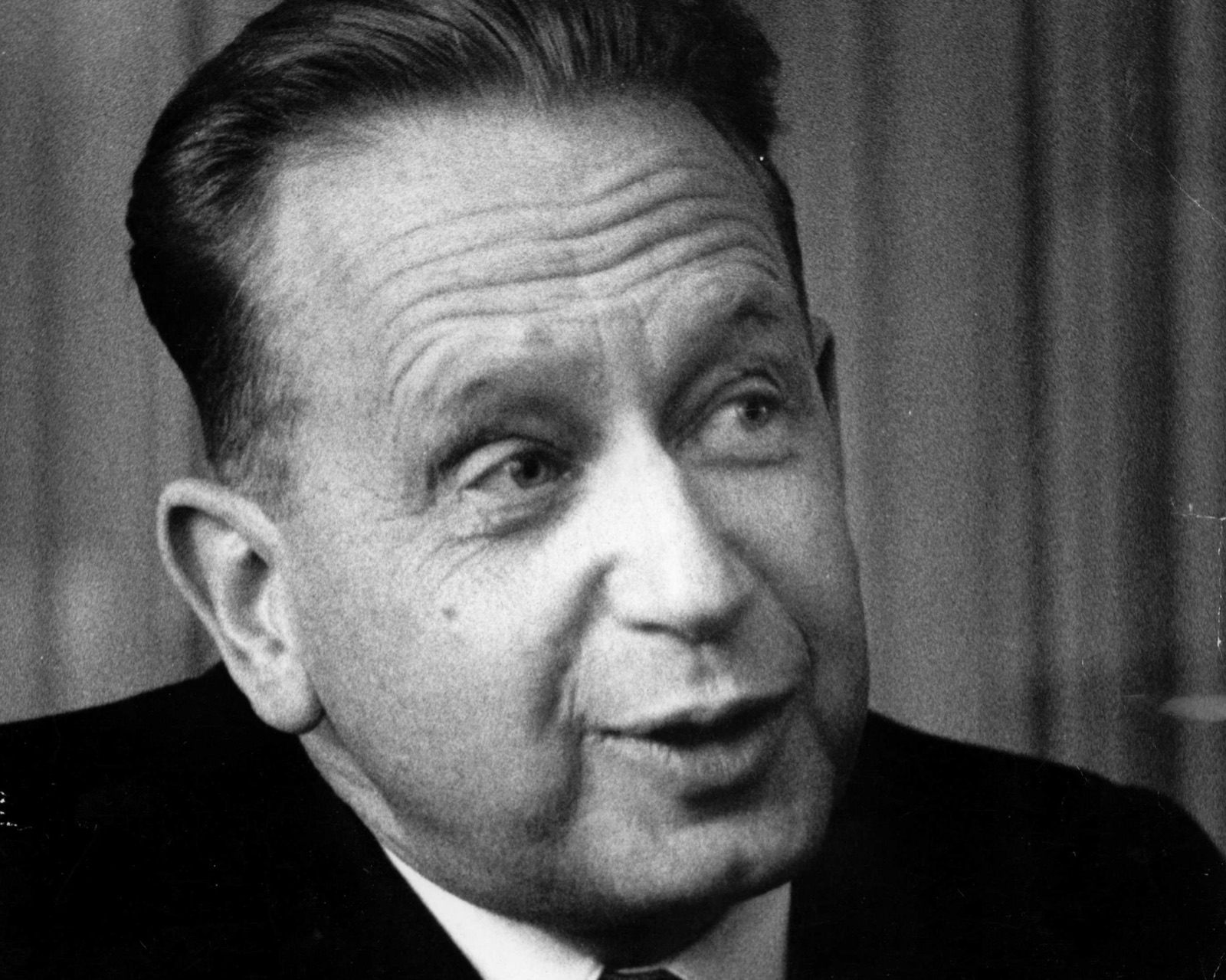
Dag Hammarskjöld's role in the Congo Crisis remains contested by his biographers. The Hammarskjöld interpretation of the UN mandate — to protect lives without interfering in the internal political affairs of a sovereign state — produced the operational outcome of UN troops standing aside while Mobutu's forces detained Lumumba.
Hammarskjöld's defenders argue that the mandate as approved by the Security Council was explicit on this point and that Hammarskjöld lacked authority to deploy UN troops as a faction in the Congolese political conflict. His critics argue that the mandate's protection-of-lives provision should have triggered UN intervention to prevent Lumumba's transfer to Katanga, and that Hammarskjöld's failure to do so constituted operational complicity.
The disputed record is enhanced by Hammarskjöld's own death eight months after Lumumba's. On September 18, 1961, his aircraft — a UN-chartered DC-6 — crashed near Ndola in Northern Rhodesia (now Zambia) while flying from Léopoldville to a planned meeting with Tshombe to negotiate Katanga's end. All 16 people aboard were killed.
The crash was initially attributed to pilot error. Subsequent investigations have raised questions:
- A 1962 UN inquiry concluded the cause was undetermined.
- A 1997 South African Truth and Reconciliation Commission testimony by South African intelligence officer Mervyn Stockwell alleged the involvement of South African and Belgian intelligence in the crash.
- A 2013 commission led by Sir Stephen Sedley (UK Court of Appeal Judge) concluded that there was "significant evidence" of external aerial-attack involvement.
- A 2017-2019 UN-commissioned investigation by Mohamed Othman (Tanzanian judge) reported that "new information" supported the possibility of an attack and recommended further investigation.
The Hammarskjöld crash investigation remains ongoing as of 2025. Hammarskjöld received the 1961 Nobel Peace Prize posthumously.
The cast
Why this case is filed as "confirmed"
The Lumumba assassination is one of the most extensively documented Cold War political killings. The Belgian parliamentary inquiry (2001-2002), the U.S. Senate Church Committee report (1975), Larry Devlin's own memoir (Chief of Station, Congo, 2007), Ludo De Witte's 2001 book based on Belgian and Congolese archival material, and the 2022 Brussels restitution ceremony together constitute an extensive and substantially uncontested factual record.
What remains contested:
- The specific operational role of CIA-supported Mobutu actions versus the Belgian-organized Katanga operation in producing the outcome (the parallel-plan question).
- The full chain of authorization within both Brussels and Washington at the highest levels (Eisenhower, Belgian Cabinet).
- The relationship between the Lumumba killing and the Hammarskjöld crash 8 months later.
The factual base — that the killing was a coordinated Belgian- American-Katangan operation — is settled.
What we still don't know
The Hammarskjöld connection. Whether the September 1961 crash that killed the UN Secretary-General was related to the same network of actors involved in the Lumumba killing has been suggested by multiple investigators but not definitively established. The investigation remains ongoing.
The full Belgian government decision chain. The Bacquelaine Commission established Belgian "moral responsibility" but did not produce a chronological accounting of which Belgian Cabinet members and senior officials knew which operational details at which moments.
The classified CIA Lumumba file. Some portions of the 1975 Church Committee record remain classified. Specific CIA operational records on Lumumba (separate from the published testimony) have not been fully released.
The Congolese state's investigation. As of 2025, the Democratic Republic of the Congo has not conducted a comprehensive investigation of either the 1961 killing or the subsequent Mobutu period.
Sources
Primary documents:
- Rapport de la Commission d'Enquête Parlementaire chargée de déterminer les circonstances exactes de l'assassinat de Patrice Lumumba et l'implication éventuelle des responsables politiques belges dans celui-ci. Belgian Parliament, November 16, 2001 (the Bacquelaine Commission).
- Alleged Assassination Plots Involving Foreign Leaders: Interim Report of the U.S. Senate Select Committee on Intelligence (Church Committee), November 20, 1975. Chapter II.
- Eisenhower NSC meeting August 18, 1960 — declassified excerpts in Church Committee report.
- Dulles-Devlin cable, August 26, 1960. Released through CIA FOIA.
- Harold d'Aspremont Lynden telegram to Belgian Élisabethville advisors, January 16, 1961. Released through Bacquelaine Commission.
- Report of the Independent Panel of Experts to the United Nations regarding the Death of Dag Hammarskjöld, July 2015 (Mohamed Othman); 2017 follow-up; 2019 second follow-up.
Secondary investigative/historical reporting: 7. Ludo De Witte, L'Assassinat de Lumumba (Karthala, 2000; English ed. The Assassination of Lumumba, Verso, 2001). 8. Madeleine Kalb, The Congo Cables: The Cold War in Africa from Eisenhower to Kennedy (Macmillan, 1982). 9. Stephen R. Weissman, American Foreign Policy in the Congo, 1960-1964 (Cornell UP, 1974). The foundational U.S. policy treatment. 10. Larry Devlin, Chief of Station, Congo: A Memoir of 1960-67 (Public Affairs, 2007). 11. Adam Hochschild, King Leopold's Ghost (Houghton Mifflin, 1998). Broader historical context. 12. David Van Reybrouck, Congo: The Epic History of a People (Ecco, 2014). Comprehensive Congolese history. 13. The New York Times, multi-decade Congo coverage 1960-present. 14. Le Monde, comprehensive Belgian-French coverage.
Academic / specialist scholarship: 15. Crawford Young, Politics in the Congo: Decolonization and Independence (Princeton UP, 1965). Contemporary scholarly account. 16. Georges Nzongola-Ntalaja, The Congo from Leopold to Kabila: A People's History (Zed Books, 2002). 17. Pierre Englebert and Denis Tull, "Postconflict Reconstruction in Africa: Flawed Ideas about Failed States" — International Security, 2008. 18. Sergio Vieira de Mello, "Patrice Lumumba and the United Nations" — World Policy Journal, 2002.
Corrections & updates
2026-05-27: First publication.
Inspired this / based on it
Raoul Peck · ★ 7.5
Dramatized biography. Eriq Ebouaney as Lumumba. Cannes Film Festival 2000.
Raoul Peck · ★ 7.4
Peck's earlier documentary, in essay form. Predates *Lumumba* (2000) by 8 years.
Ludo De Witte
Verso. The book based on the 1999 Gerard Soete interview. Catalyst for the 2001-02 Belgian parliamentary inquiry.
Madeleine Kalb
Macmillan. The foundational U.S. policy treatment based on declassified cables.
David Van Reybrouck
Comprehensive Congolese history. Ecco. Libris History Prize.
Larry Devlin
CIA station chief's own memoir. Public Affairs.
Filed under
- #lumumba
- #congo
- #drc
- #belgium
- #katanga
- #mobutu
- #tshombe
- #moise-tshombe
- #cia
- #larry-devlin
- #hammarskjold
- #1961
- #africa
- #decolonization
- #declassified
Click any tag for every article carrying it.
Continue reading
The Pinochet Coup
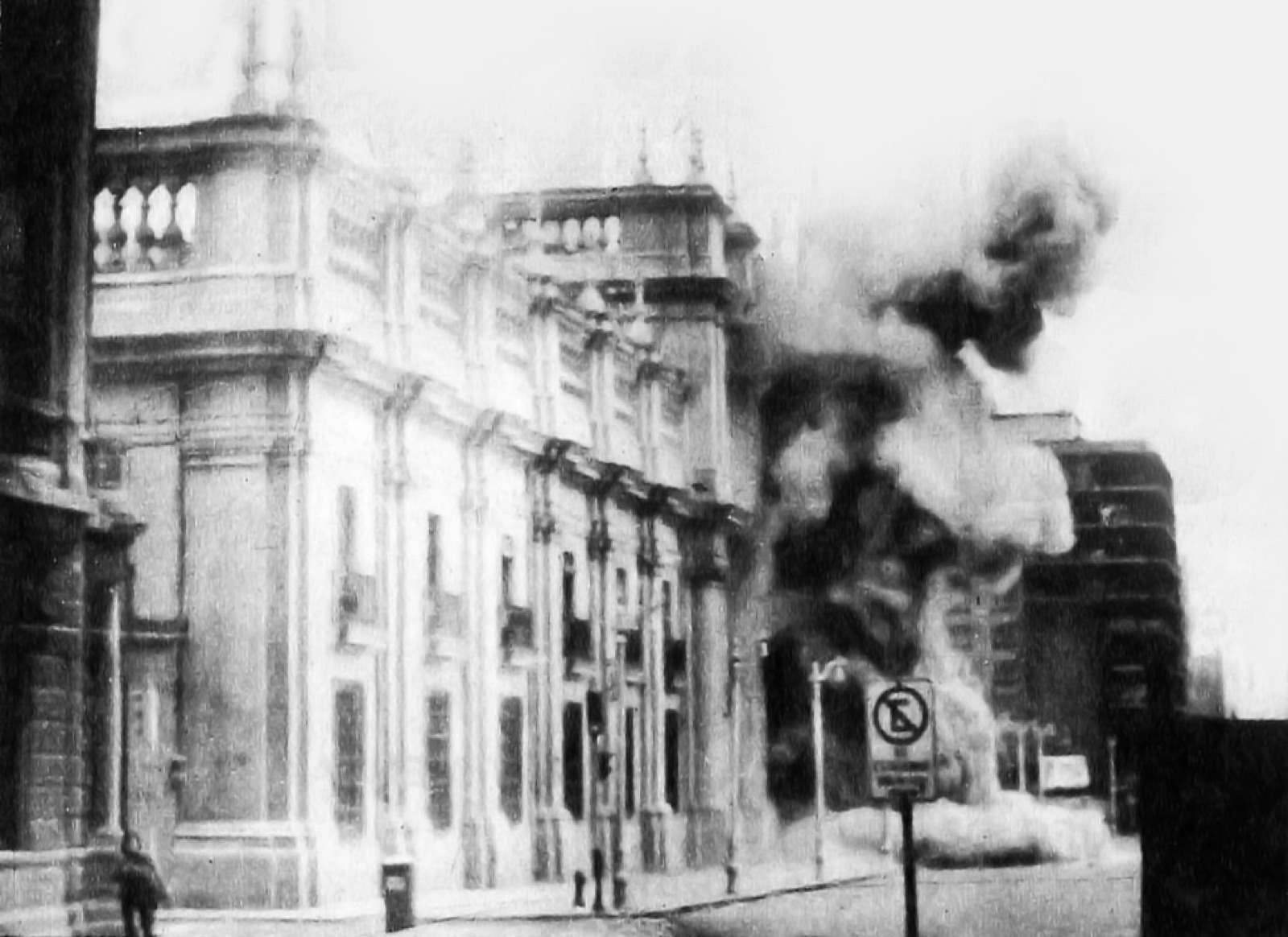
At 6:00 a.m. on September 11, 1973, the Chilean Navy seized the port city of Valparaíso. By 7:00, the army had blocked the streets of Santiago. By 8:00, all radio stations except two had been silenced. At 11:52, Hawker Hunter jets bombed La Moneda, the presidential palace, while the democratically elected socialist president, Salvador Allende, was inside. Allende was dead by approximately 2:00 p.m. — by his own pistol, a 2011 forensic re-examination confirmed, in the second-floor Salón Independencia under bombardment. The man who replaced him, General Augusto Pinochet, ruled Chile for seventeen years. Between 1973 and 1990, the Chilean state's own subsequent commissions documented 3,200 killed or disappeared and 38,254 imprisoned-and-tortured. The United States, through documents declassified in waves from 1999 through 2023, had been working to remove Allende since before he took office.
Iran 1953 — Operation Ajax
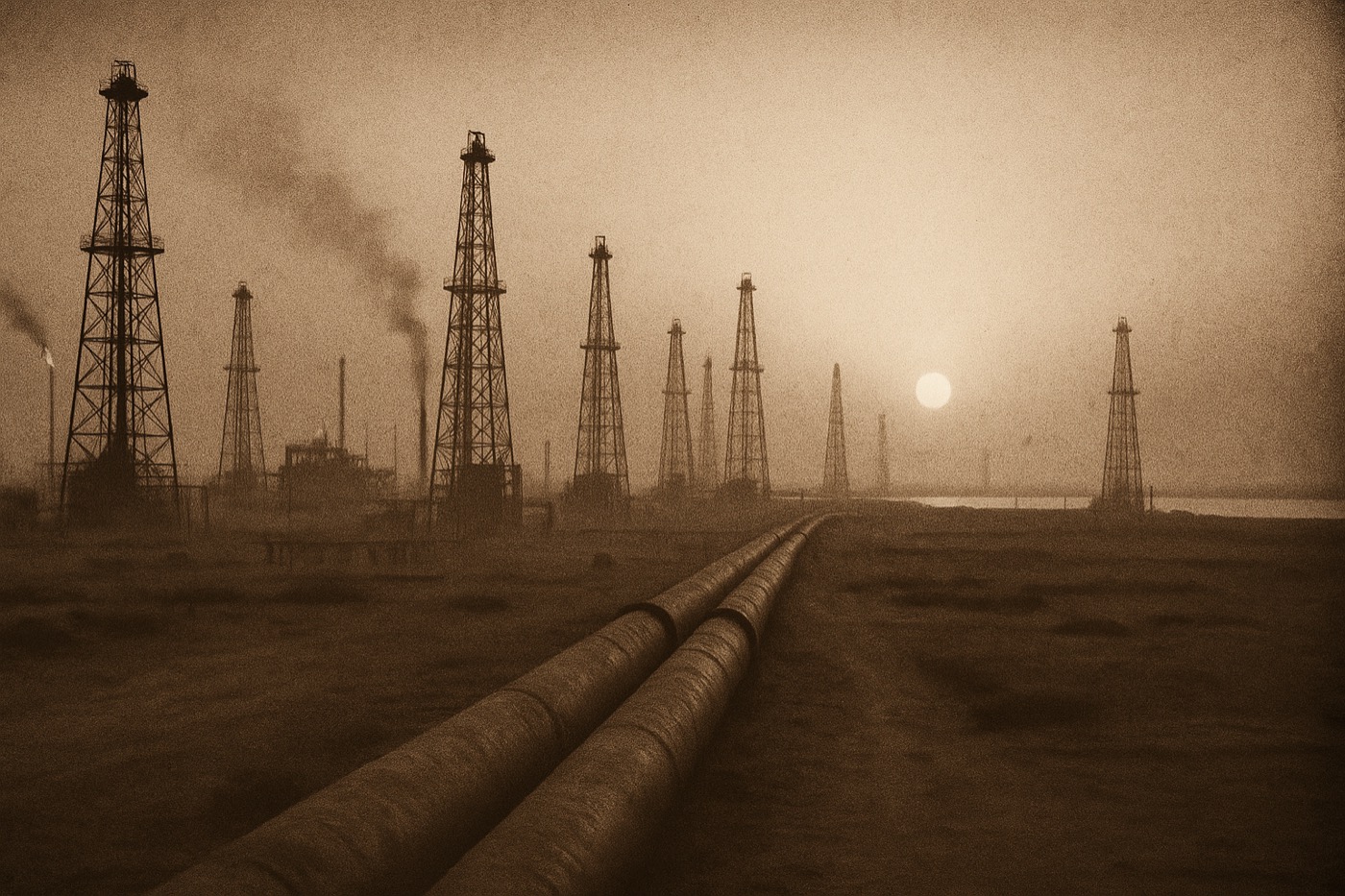
In the summer of 1953, the CIA was six years old. It had never overthrown a government. By August 19 of that year, working with British MI6, it had — and the country it had overthrown was Iran, the prime minister was Mohammad Mosaddegh, and the cause was, almost entirely, oil. The operation was codenamed Ajax. It was authorized by President Eisenhower against the recommendation of his Secretary of State, executed on the ground by a 36-year-old grandson of Theodore Roosevelt, and very nearly failed. The CIA officially acknowledged its role only in August 2013.
Operation Mockingbird
Between 1948 and the mid-1970s, the Central Intelligence Agency cultivated paid and unpaid working relationships with American journalists, editors, and publishers across every major U.S. news organization. The architect was an OSS veteran named Frank Wisner. He called the network the 'Mighty Wurlitzer' — a theatre-organ metaphor for a machine that could play many instruments from a single console. The full scope was confirmed by the 1975 Church Committee, expanded upon in Carl Bernstein's 25,000-word 1977 Rolling Stone investigation, and partly declassified since. What the records have not yet given up is the operational name everyone agrees was attached to it.