Tag
#1989
2 articles
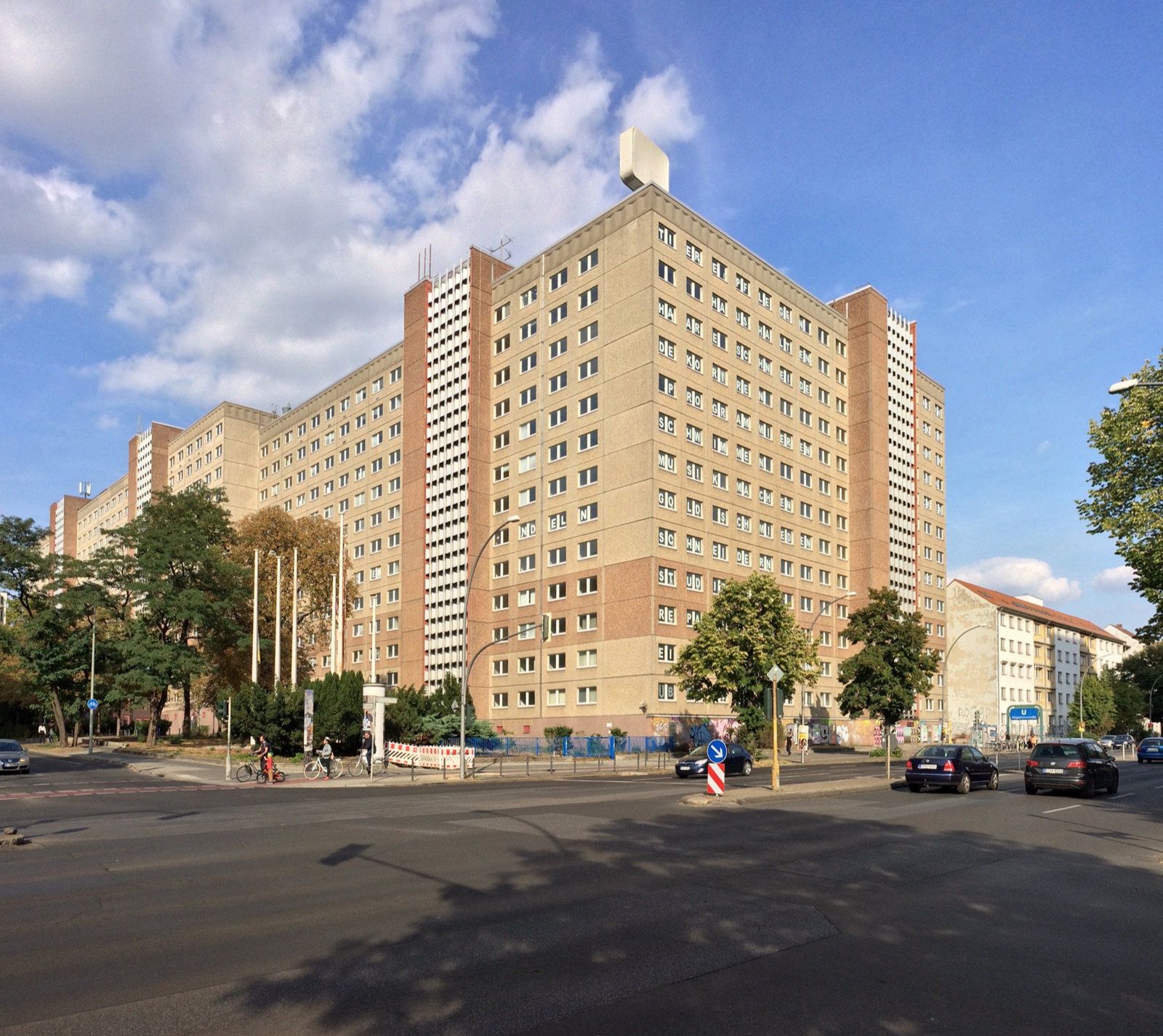
The Stasi Archives
On the evening of Monday, January 15, 1990 — eight weeks after the Berlin Wall opened and four weeks after the Round Table had begun negotiating East Germany's transition — approximately five thousand demonstrators forced their way through the iron gates of the Ministry for State Security headquarters on Normannenstraße in the East Berlin district of Lichtenberg. The Bürgerkomitee 15. Januar (Citizens' Committee of 15 January) had organized the breach in response to evidence that Stasi officers had spent the prior weeks systematically shredding operational files. Inside the headquarters — a complex of 22 connected buildings housing approximately 7,000 of the Ministry's central-office personnel — the demonstrators found Stasi staff still at desks. The shredding stopped that night. Over the following 24 months, the East German interim government, the post-reunification Bundestag, and the citizen committees of fourteen East German cities preserved what would become the most extensive corpus of state-surveillance operational records in modern human history: approximately 111 kilometers of paper files in the central Berlin archive, approximately 47 kilometers in regional offices, 1.7 million photographs, 30,000 video and audio tapes, 15,500 bags of pre-shredded fragments awaiting reconstruction, and the operational, biographical, and personal-network files of an estimated 5.6 million individuals. The Stasi-Unterlagen-Gesetz (Stasi Records Act) of December 20, 1991 established the Federal Commissioner for the Records of the State Security Service (BStU), with East German pastor and civil-rights activist Joachim Gauck as its founding director. The Records Act authorized any individual to request their personal Stasi file. By the end of 2024, the BStU had processed approximately 7.4 million such requests. The aggregate human record of what those requesters read — who had informed on them, what had been documented, what had been done in consequence — constitutes the most comprehensive case study of institutional state surveillance against a domestic civilian population that the historical record contains.
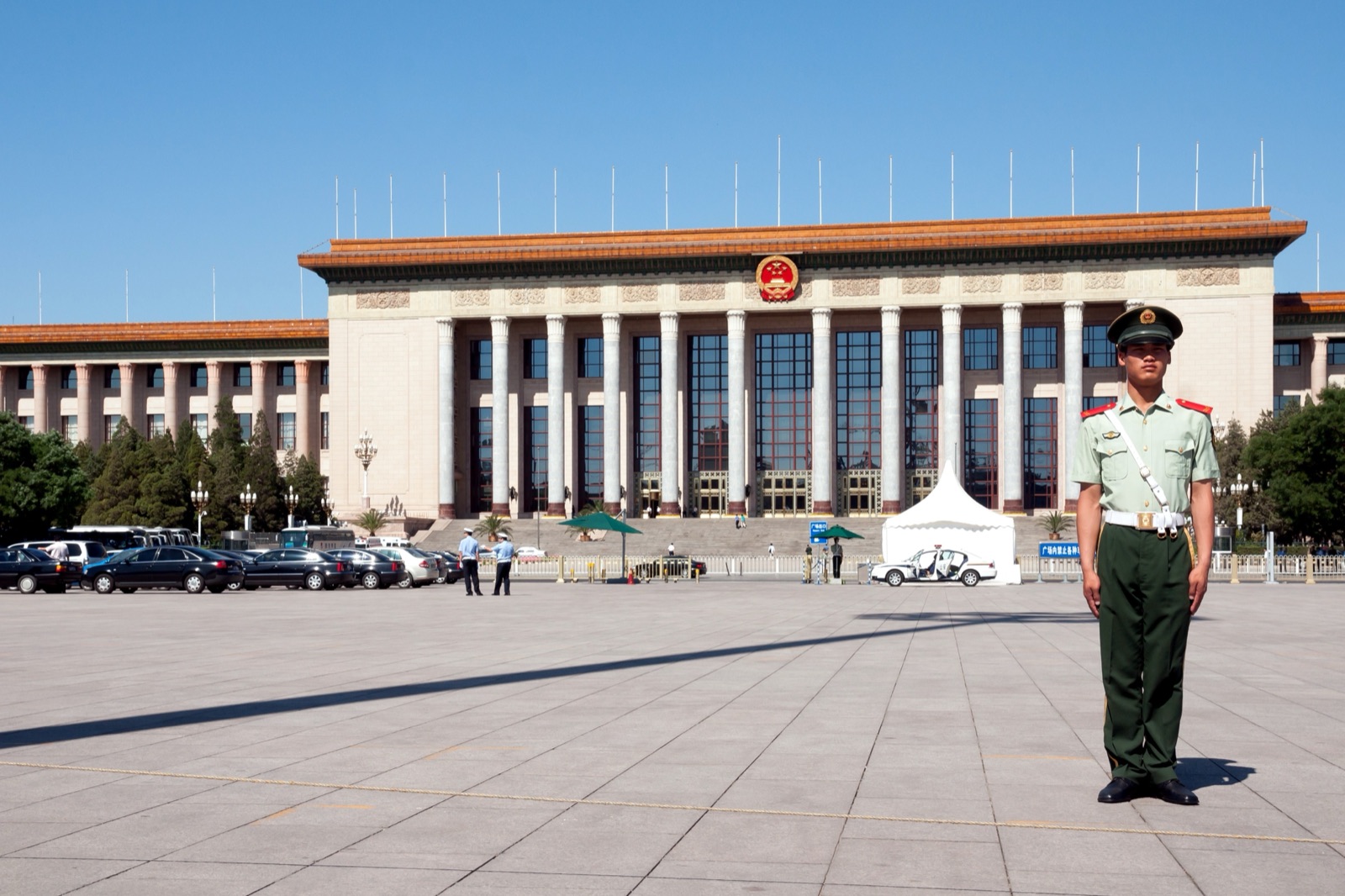
Tiananmen Square 1989
Between April 15 and June 4, 1989, the Chinese Communist Party faced its most serious internal political challenge since the founding of the People's Republic in 1949. What began as a student memorial for the deceased reformist Party Secretary Hu Yaobang on April 15 evolved within weeks into a nation-wide pro-democracy movement: hundreds of thousands of student demonstrators occupied Tiananmen Square in Beijing, factory workers organized autonomous unions outside the Party structure, hunger strikes drew international press attention, and the Party leadership itself split publicly between reformist General Secretary Zhao Ziyang and the hardline majority centered on paramount leader Deng Xiaoping. Martial law was declared on May 20. On the night of June 3-4, 1989, units of the People's Liberation Army's 27th and 38th Armies cleared the square. The official Chinese death toll was 200-300, all civilians. Western estimates ranged from 1,000 to 2,600. The British ambassador Sir Alan Donald's June 5 cable to London — declassified in October 2017 — placed the toll at 10,454 dead. On June 5, an unidentified man stepped in front of a column of armored vehicles on Chang'an Avenue. The photograph and video — captured by four foreign journalists from different angles — became the most-circulated image of late-20th-century resistance. The man's identity has never been publicly established. The Chinese state has, since 1989, conducted one of the most sustained information-control operations in modern history to remove the events from Chinese public consciousness.
2 files · end of the line