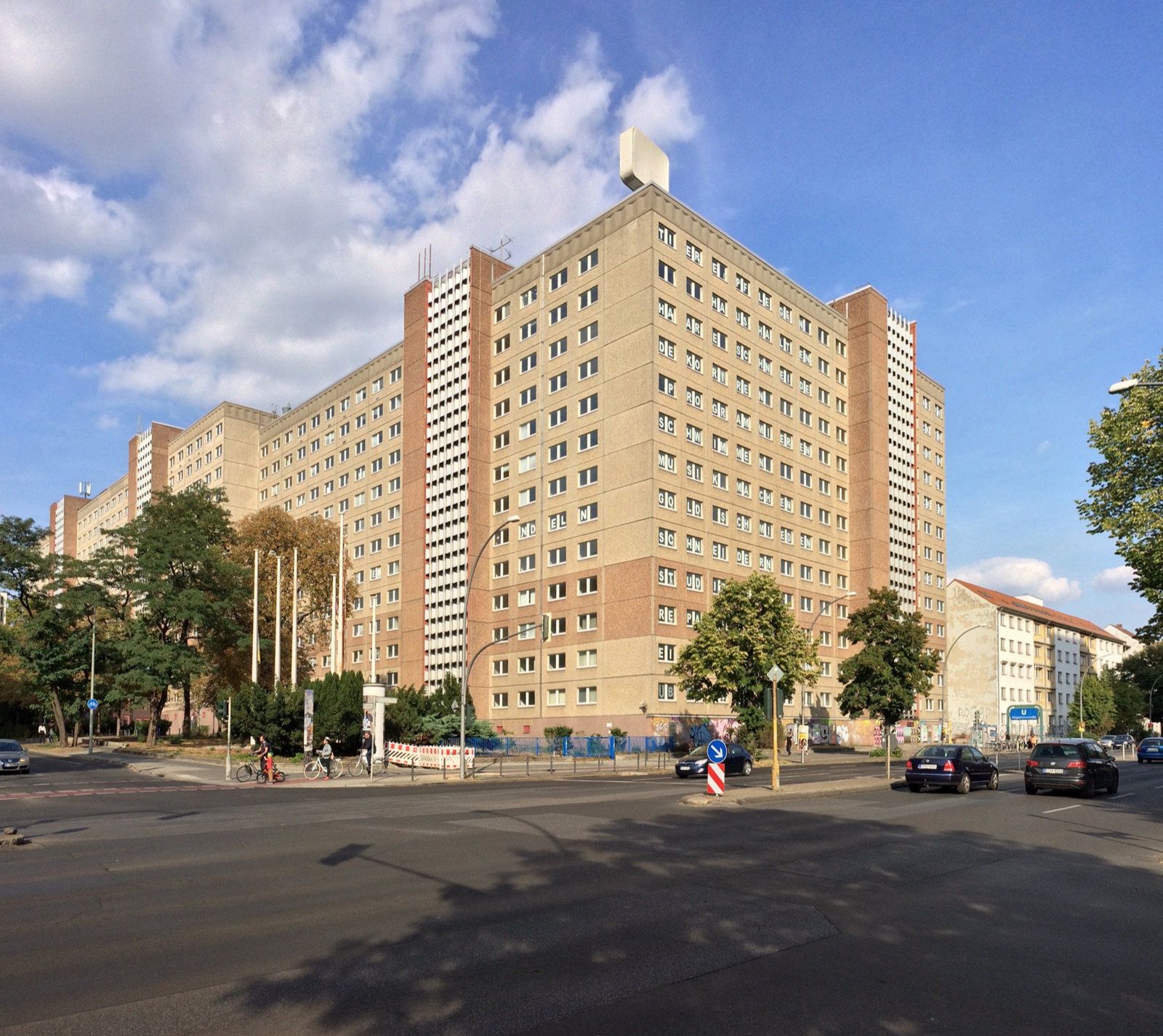
The former headquarters of the Ministerium für Staatssicherheit at Frankfurter Allee / Ruschestraße, Berlin-Lichtenberg — the central administrative complex of the Stasi from 1962 until its dissolution in 1990. Haus 1 (the office of Minister Erich Mielke 1957-1989) is now the *Stasimuseum*. Wikimedia Commons, CC BY-SA 4.0 / Beek100.
The Stasi Archives
What the East German files said when their subjects read them
- Category
- State & Intelligence Operations
- Published
- Length
- 3,700 words · 17 min read
- Author
- The editors
The Stasi Archives
What the East German files said when their subjects read them.
Berlin, January 15, 1990
The Bürgerkomitee 15. Januar had been organized by East Berlin civil-rights activists in early January 1990 in response to two converging concerns. First, the dissolution of the MfS — formally announced by the round-table negotiations on December 14, 1989 and re-confirmed on January 8, 1990 — had moved more slowly than the citizen committees in Erfurt, Leipzig, Suhl, and several other cities (whose December 4-5 occupations of their local Bezirksverwaltungen had preserved regional files) had urged. Second, individuals with sources inside the headquarters complex had reported that file-shredding was ongoing in the late hours.
On the evening of January 15, the Komitee called a demonstration at the Frankfurter Allee/Ruschestraße entrance of the central complex. By 7:00 p.m. local time approximately 5,000 demonstrators had assembled. At approximately 7:30 the iron gates were forced. The demonstrators entered the courtyard and the lower floors of Haus 1 (the administrative wing including Mielke's office) and Haus 18 (the document destruction facility). Stasi staff — many still at desks — did not resist. By 11:00 p.m. the shredding had stopped.
The Bürgerkomitee placed seals on the principal archive rooms and established a 24-hour citizen watch. Over the following weeks, with the cooperation of the East German interim Modrow government and (after March 1990 elections) the De Maizière government, the files were inventoried and the citizen-committee model was extended to the regional Bezirksverwaltungen.
The shredders at the Berlin headquarters had been running, at the operational estimate of subsequent BStU staff, for approximately six weeks. Approximately 5% of the central archive — primarily the most operationally sensitive files of recent years — had been destroyed. The remaining 95% was preserved.
What the Stasi was
The MfS was, in formal organizational terms, the unified internal security service of the GDR — combining within a single ministry the functions that in many states are divided across an internal security agency, a counter-intelligence agency, a foreign intelligence service, a border police, and a political-police investigative organization. Its founding statute (February 8, 1950) named it as the GDR's instrument for "the protection of the workers' and peasants' state."
The organizational structure as of October 1989 comprised:
- Hauptabteilung I-XXII — twenty-two main directorates of specialized functions (counter-intelligence, internal investigation, ideological deviation, religious-affairs surveillance, etc.).
- Hauptverwaltung A (HVA) — foreign intelligence, headed by Markus Wolf 1958-1986 (a separate later note).
- Bezirksverwaltungen — 15 regional offices (one per Bezirk), each with subordinate Kreisdienststellen (district offices, totaling approximately 217).
- Personenschutz — VIP-protection for SED Politburo members.
- Wachregiment Feliks Dzierzynski — the Stasi's military regiment, approximately 11,000 personnel.
The 91,015 figure for full-time officers at end-1989 is the consolidated total from BStU records. By comparison, at the time of dissolution East Germany had a population of approximately 16.4 million — yielding the 1:180 ratio. For further comparison: the Gestapo of Nazi Germany at its peak in 1944 had approximately 31,000 full-time personnel in a population of approximately 70 million, a ratio of approximately 1:2,260.
The IM count is more historiographically complex. The 189,000 figure for active IM at end-1989 represents the number of individuals with active files maintained by an MfS handler at that moment. Helmut Müller-Enbergs (the leading academic IM historian) has calculated that across the Ministry's 40-year operational history, between 500,000 and 624,000 individuals served as IM at some point. The ratio of cumulative IM to GDR adult population over the period is approximately 1 in 25.
Erich Mielke
The MfS was governed for 32 years — the longest-serving minister in any GDR portfolio — by Erich Mielke.
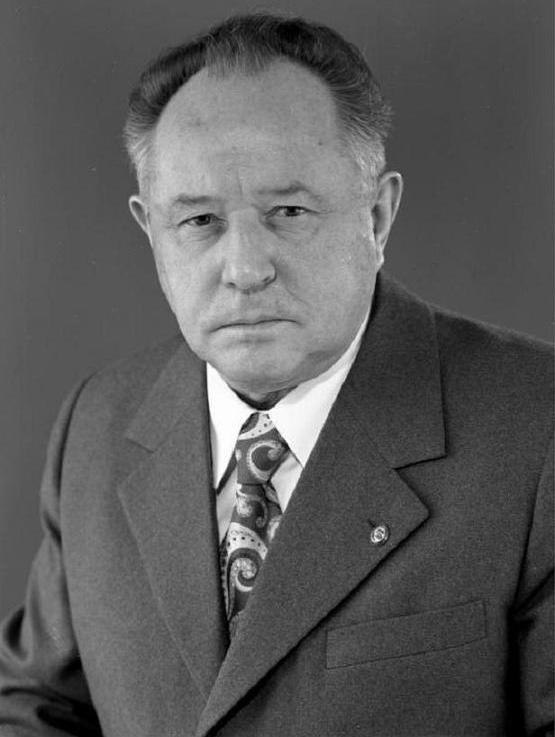
Born in Berlin in 1907 to a working-class family, Mielke had been an SA-era Communist Party street activist in the late 1920s. On August 9, 1931 he participated in the killing of two Berlin police captains (Anlauf and Lenck) at Bülowplatz — an act for which he was finally tried in the post-reunification Federal Republic in 1992 and convicted in October 1993 (aged 86, sentenced to six years; released on health grounds in 1995). He spent the Nazi period in exile in the Soviet Union and Spanish Republican service. He returned to Soviet-occupied Germany in 1945 and was a founding officer of the new state security apparatus from 1950. He was appointed Minister on November 1, 1957.
Mielke's MfS was, in operational style, distinctively his own: characterized by extreme attention to procedural detail, by personalized direct supervision of major operations through weekly Befehlausgabe (command issuance) meetings, by a documentary culture in which every operational activity generated paper, and by an emphasis on Vorbeugung (prevention) and Zersetzung (decomposition) over arrest and prosecution.
His public collapse on November 13, 1989 — when he addressed the Volkskammer four days after the wall's opening and declared "Ich liebe doch euch alle" ("I love you all") to incredulous laughter — became one of the iconic images of the GDR's end.
How surveillance worked
The MfS operational methodology rested on five principal techniques, each documented by procedural manuals subsequently recovered from the archive:
Postal interception (Hauptabteilung XX, Abt. M). Mail entering and leaving the GDR — and substantial volumes of internal mail — was systematically opened, copied or photographed, and re-sealed. Approximately 90,000 letters per day were processed at peak in the mid-1980s. Specific operations against political targets included full mail interception ("M-Maßnahme").
Telephone monitoring. All international and substantially all internal long-distance telephone traffic could be monitored. Specific operational targets (under Operative Personenkontrolle or OPK protocols) had their domestic lines tapped routinely.
Apartment surveillance. Physical entry into target apartments for bug installation and document photography — the Konspirative Wohnungseinbrüche protocol — was systematized after 1973. Listening devices, miniaturized cameras, and document-photography stations were maintained for routine installation.
Body-odor sampling (Geruchsproben). Targets in interrogation chairs at Hohenschönhausen and other facilities were seated on cloth pads designed to absorb perspiration; the cloths were stored in glass jars for later use with police dogs in scent-tracking operations. Approximately 12,000 such samples were recovered from the Berlin headquarters.
Zersetzung. Decomposition — the systematic destruction of a target's personal life, professional standing, family relationships, and psychological stability through coordinated covert actions. Richtlinie 1/76 (the operational manual issued by Mielke on January 1, 1976) authorized Zersetzung against "negative-hostile" persons. Documented techniques included: forging anonymous letters to spouses alleging infidelity; planting false evidence in workplaces; arranging for personal possessions to be moved or replaced in apartments during target absences; spreading false rumors among friends; arranging for medical or academic credentials to be questioned.

Hohenschönhausen
The Ministerium's principal detention and interrogation facility from 1951 onwards was the Hohenschönhausen complex in northeastern Berlin. Built initially as a Soviet NKVD interrogation prison (1945-1951) on the site of a former WWII kitchen-prefabrication factory, Hohenschönhausen passed to MfS control in October 1951 and operated as a closed facility until 1989. Approximately 11,000 individuals passed through Hohenschönhausen over the 1951-1989 period.
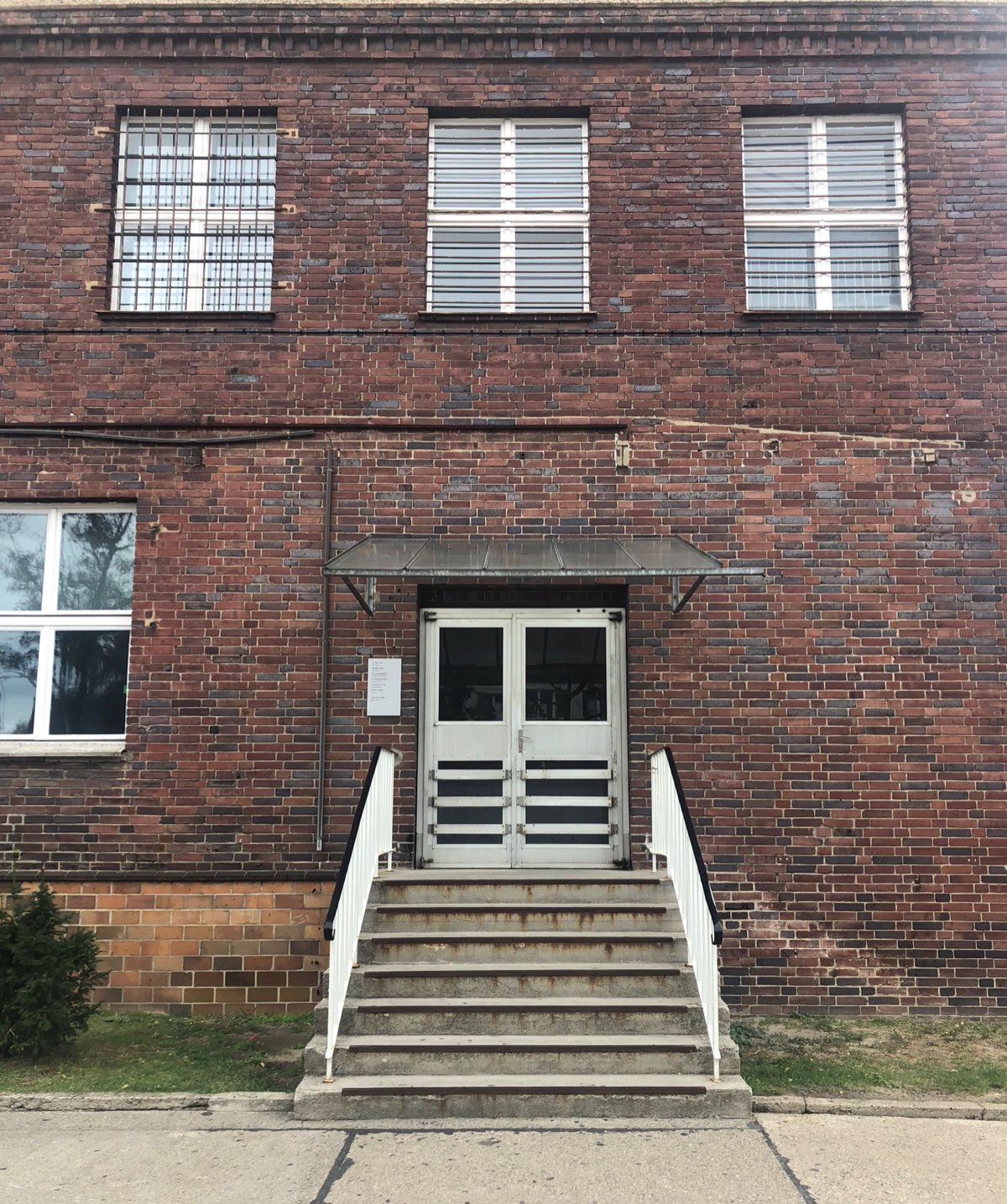
Hohenschönhausen's operational practice combined sleep deprivation, sensory isolation, prolonged interrogation, threats against family members, false-promise interrogation techniques, and — into the 1950s — physical mistreatment. From the late 1960s the MfS shifted methodologically toward psychophysische Beeinflussung (psycho-physical influence) — the deliberate manipulation of detainee psychological state through environmental and procedural means rather than physical force. The methodology was developed at the Stasi's Juristische Hochschule in Potsdam-Eiche.
The facility's documentary record — preserved in the Hohenschönhausen Memorial since 1994 — has been a principal source of academic analysis of late-Cold-War interrogation methodology.
Markus Wolf and the HVA
The Hauptverwaltung A — the MfS's foreign intelligence directorate — was organizationally distinct from the rest of the Ministry. From 1958 to 1986 it was directed by Markus Johannes Wolf (1923-2006), the most operationally successful state-intelligence director of the Cold War.
The HVA's principal operational achievements:
- Penetration of the West German federal chancellery (Günter Guillaume, personal assistant to Chancellor Willy Brandt 1972-1974; the discovery of Guillaume's true identity on April 24, 1974 caused Brandt's resignation on May 7).
- Penetration of NATO planning circles (multiple cases including Rainer Rupp's "Topas" operation inside NATO Brussels 1977-1989).
- Penetration of West German Bundesnachrichtendienst (the BND penetration cases of the 1970s).
- Recruitment of an estimated 3,000-4,000 long-term IM in West Germany over Wolf's tenure.
Wolf retired from the HVA on May 30, 1986. He was tried in the post-reunification Federal Republic in 1993 on espionage charges; convicted; the conviction was overturned in 1995 by the German Federal Constitutional Court (which ruled that East German intelligence officers could not, in general, be prosecuted by the FRG for activities conducted on East German territory). Wolf wrote two memoirs and died in 2006.
The HVA's principal documentary records were destroyed by Wolf's successor Werner Großmann in November-December 1989. Reconstruction of HVA operations has subsequently relied on the partial copies retained in the Rosenholz file — a microfilm copy of HVA personnel records that the U.S. Central Intelligence Agency acquired (through circumstances never definitively disclosed) in 1990 and selectively returned to the BStU between 2003 and 2005.
January 15, 1990 and after
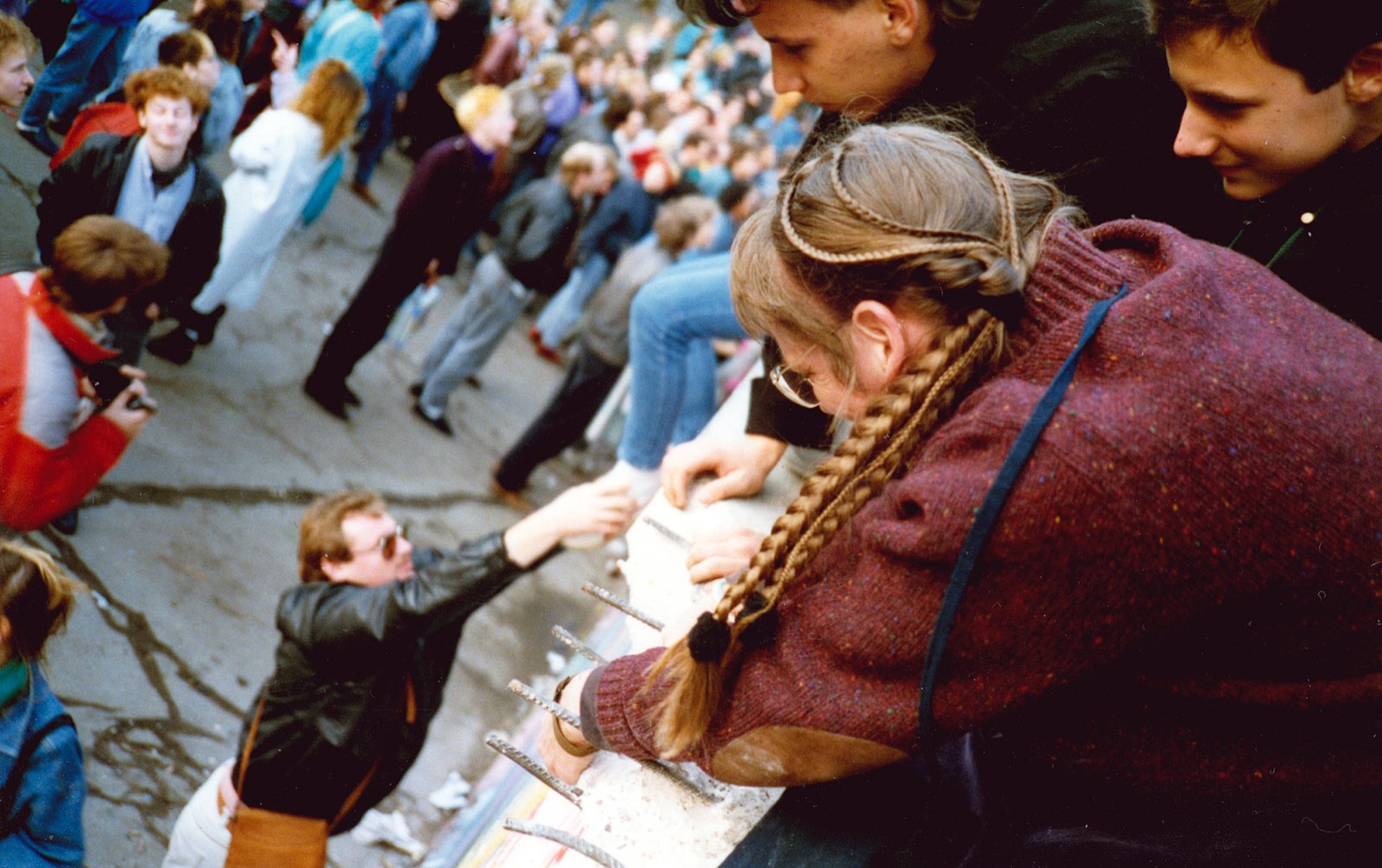
The post-occupation handling of the Stasi archive went through three principal phases.
The interim phase (January 1990 - December 1991). The Bürgerkomitee maintained physical custody of the central archive under the operational supervision of citizen committees. The De Maizière government (April-October 1990) established the Stasi-Auflösungs- und Akteneinsicht-Komission under Joachim Gauck. After German reunification (October 3, 1990), the archive was placed under the joint federal-Länder custodianship pending legislative resolution.
The Stasi-Unterlagen-Gesetz era (December 1991 - June 2021). The Records Act of December 20, 1991 established the BStU as a federal authority with custody of the archive, the legal authority to receive personal-file requests from individuals, and the authority to provide files to courts, criminal investigators, parliamentary inquiry committees, and academic researchers under specified conditions. Joachim Gauck served as BStU Commissioner 1991-2000; Marianne Birthler 2000-2011; Roland Jahn 2011-2021.
The Bundesarchiv integration (June 2021 onwards). Under legislation enacted in 2020, the BStU was integrated into the Federal Archive on June 17, 2021. The personal-file-application function continues; the operational structure has been consolidated within Bundesarchiv. Frank Hoogestraat is the responsible Bundesarchiv vice-president.
Reading your file
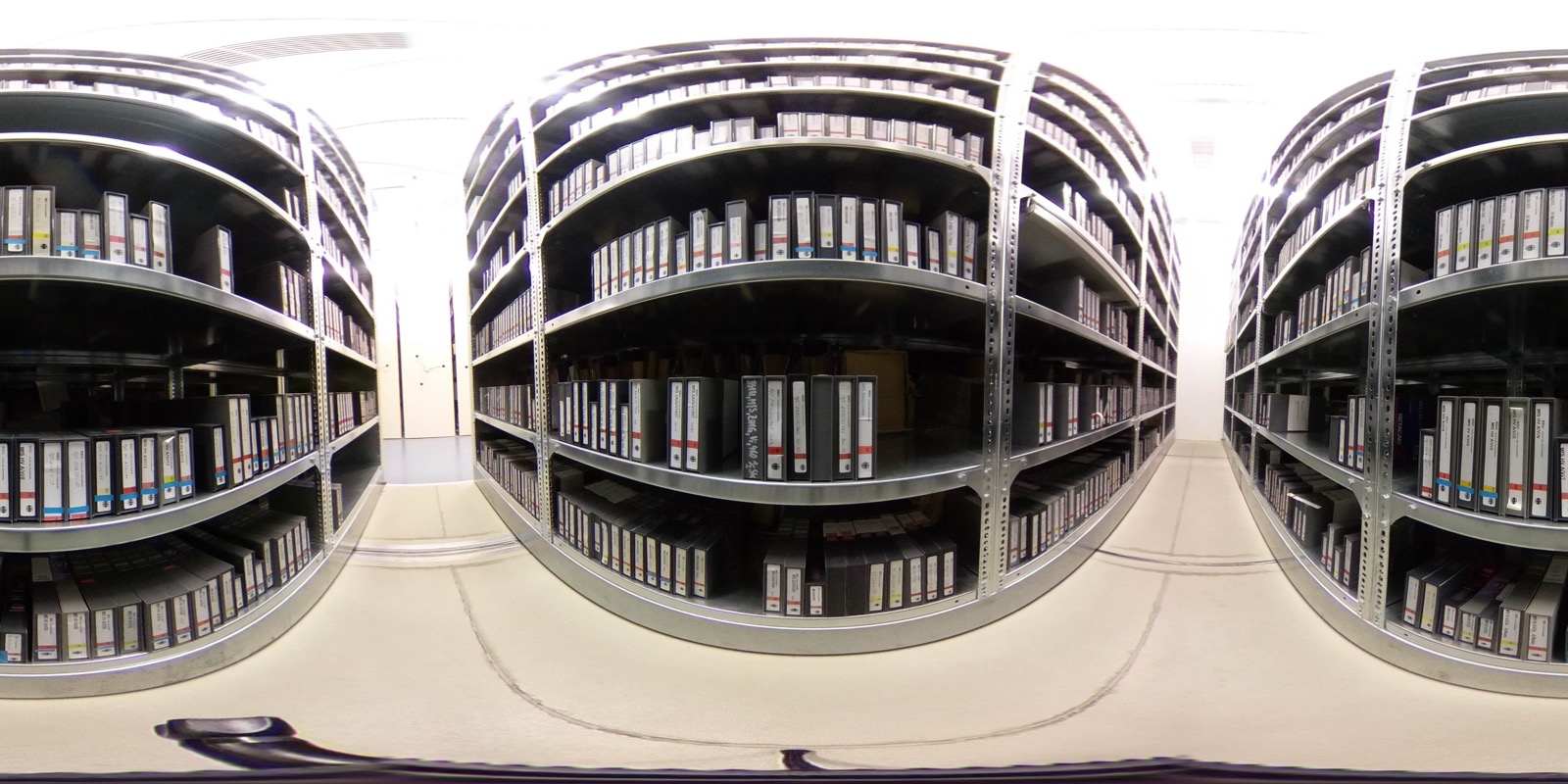
Between 1992 and 2024, approximately 7.4 million applications for personal file access were processed. The operational protocol: an applicant submits a written request identifying themselves and the period of presumed MfS interest. BStU staff search the files. If material is located, the applicant is invited to read their file in a reading room (originally at Karl-Liebknecht-Straße, subsequently at Normannenstraße); copies may be made; the applicant may also request the identification of IM who appear pseudonymously in the file ("decoding").
The aggregate experience of reading one's own Stasi file — described in hundreds of memoirs, novels, films, and academic studies — has been one of the principal cultural events of post-1990 Germany. The two most-cited synthetic treatments:
- Anna Funder, Stasiland (Granta, 2003). Australian journalist Funder interviewed both Stasi victims and former officers from 1996-2000. The book — winner of the 2004 Samuel Johnson Prize — is the standard English-language popular treatment.
- Florian Henckel von Donnersmarck, Das Leben der Anderen (The Lives of Others, 2006). The Academy Award-winning film centered on the operational portrait of a Stasi officer monitoring a writer-actress couple. The film's archival authenticity was endorsed by the BStU; its dramatic resolution — an MfS officer's eventual moral break — was disputed by Müller-Enbergs and several historians as unrepresentative of actual MfS officer behavior.
The pattern that emerges from the aggregate file-reading experience: most applicants found that the surveillance had been more intimate than they had imagined, more extensive than the GDR's official self-presentation had suggested, and more often conducted by individuals close to them than by remote state agents. The case of writer Wolf Biermann — exiled from the GDR in November 1976 — is illustrative: his 1992 file disclosed that approximately 60 IM had reported on him at various points, including several members of his immediate family circle.
The German philosophical and theological scholar Wolfgang Hilbig, the poet Erich Loest, the playwright Heiner Müller, the dissident Bärbel Bohley, and the East German Lutheran pastor Wolfgang Schnur — among many others — produced public memoirs of their file-reading experiences.
The cast
Sources
Primary documents:
- Federal Archive (BStU records), Records of the Ministerium für Staatssicherheit 1950-1990. Approximately 158 km of paper files plus 1.7 million photographs and 30,000 audio-video items. Accessible via Bundesarchiv since 2021.
- Stasi-Unterlagen-Gesetz (StUG), December 20, 1991 (with subsequent amendments through 2019).
- Richtlinie 1/76 (Mielke's operational manual on Zersetzung), January 1, 1976.
- Federal Commissioner for the Records of the State Security Service (BStU), annual activity reports 1991-2020.
- Hauptverwaltung A: surviving operational files at BStU plus the U.S.-returned Rosenholz microfilm copy.
- Stasi-Unterlagenrekonstruktion project (ongoing): reconstruction of 15,500 bags of pre-shredded fragments; 1.5 million pages reconstructed to date.
- Erich Mielke Trial Record, Berlin Landgericht, 1992-1993.
- Markus Wolf Trial Record, Düsseldorf Higher Regional Court 1993, and Federal Constitutional Court ruling 1995.
Secondary investigative reporting: 9. Anna Funder, Stasiland: Stories from Behind the Berlin Wall (Granta, 2003). 10. John O. Koehler, Stasi: The Untold Story of the East German Secret Police (Westview, 1999). 11. David Childs and Richard Popplewell, The Stasi: The East German Intelligence and Security Service (Macmillan, 1996). 12. Markus Wolf and Anne McElvoy, Man Without a Face: The Autobiography of Communism's Greatest Spymaster (Times Books, 1997). 13. Florian Henckel von Donnersmarck, Das Leben der Anderen (Buena Vista International, 2006). Academy Award for Best Foreign Language Film 2007. 14. The New Yorker and Der Spiegel, multi-decade Stasi reporting 1990-present. 15. Helmut Müller-Enbergs, Inoffizielle Mitarbeiter des Ministeriums für Staatssicherheit (BStU monograph series, multiple volumes 1996-2018). 16. Apparat und Wirklichkeit documentary series, ARD/RBB, 2010-2014. 17. Wolfgang Hilbig, Ich (Fischer, 1993) — novel based on the author's IM-handler experience. 18. Stasi-Akte "Verräter" (Wolf Biermann's reconstructed file), public reading event Berlin, 1992.
Academic / specialist scholarship: 19. Mary Fulbrook, Anatomy of a Dictatorship: Inside the GDR 1949-1989 (Oxford University Press, 1995). 20. Mike Dennis, The Stasi: Myth and Reality (Pearson, 2003). 21. Andrea Hanlon, Stasi: Decline and Fall of the East German Secret Police (St. Martin's, 1992). 22. Gary Bruce, The Firm: The Inside Story of the Stasi (Oxford University Press, 2010). 23. Jens Gieseke, The History of the Stasi: East Germany's Secret Police 1945-1990 (Berghahn, 2014).
Corrections & updates
2026-06-02: First publication.
Inspired this / based on it
Florian Henckel von Donnersmarck · ★ 8.4
Academy Award for Best Foreign Language Film 2007. The principal international screen treatment of the MfS.
Anna Funder
Granta. Winner of the 2004 Samuel Johnson Prize. The standard English-language popular account.
ARD/RBB
German-language multi-part documentary series on the Stasi based on the operational archives.
Jens Gieseke
Berghahn. The leading academic synthesis in English.
Gary Bruce
Oxford University Press. Operational and institutional analysis.
Christian Petzold · ★ 7.2
East German doctor under surveillance, 1980. Nina Hoss; Silver Bear best director Berlin 2012.
Filed under
- #stasi
- #state-security
- #mfs
- #ddr
- #east-germany
- #erich-mielke
- #markus-wolf
- #hva
- #normannenstrasse
- #hohenschoenhausen
- #ipm
- #informeller-mitarbeiter
- #zersetzung
- #joachim-gauck
- #bstu
- #stasi-unterlagen-gesetz
- #1989
- #1990
- #europe
- #declassified
- #berlin
Click any tag for every article carrying it.
Continue reading
Operation Gladio
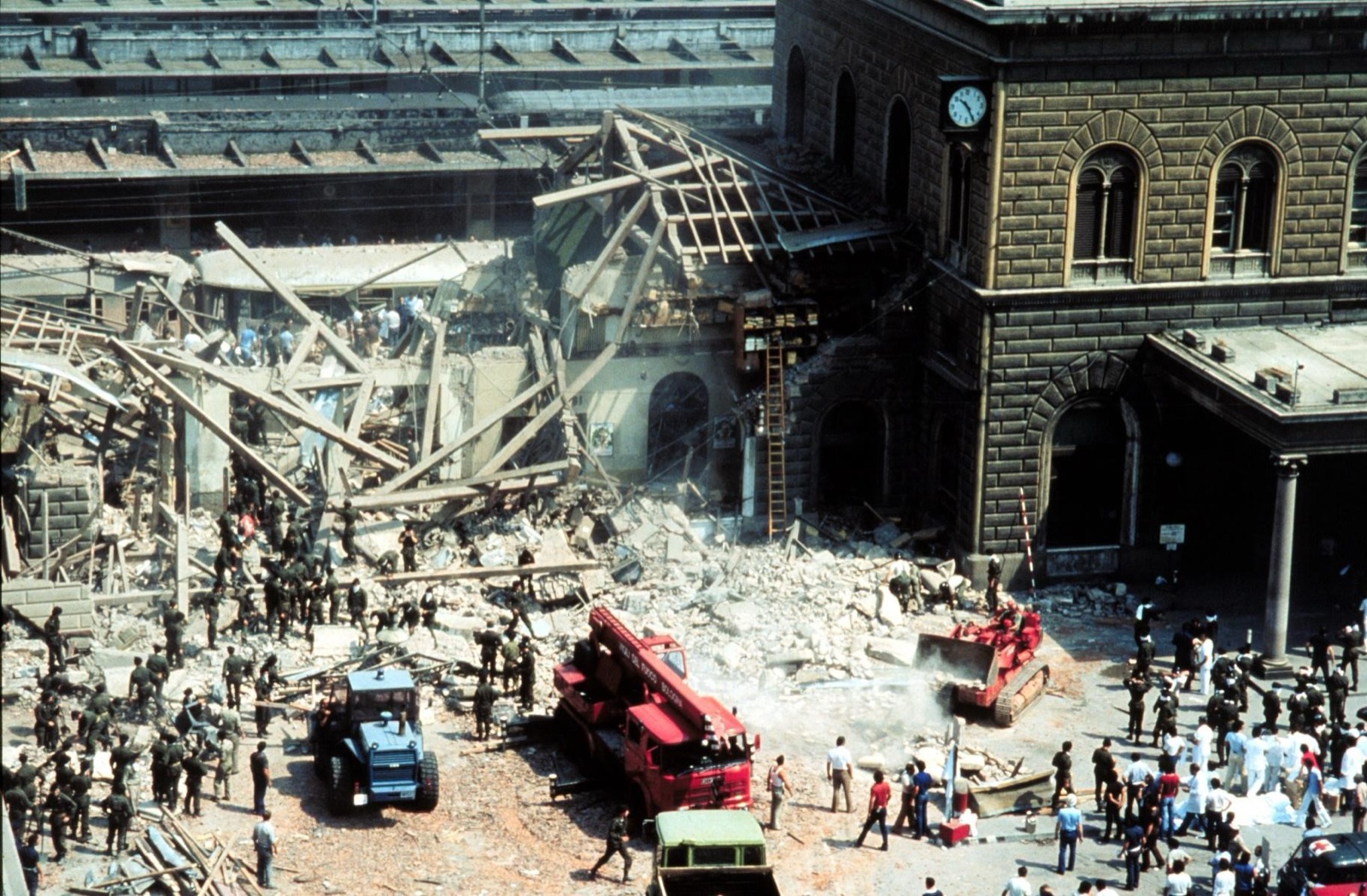
From 1956 onward, NATO and the CIA helped build clandestine paramilitary networks across Western Europe — Italy, Belgium, West Germany, France, the Netherlands, Greece, Turkey, Spain, Portugal — designed to wage guerrilla war if the Red Army crossed the Iron Curtain. The Red Army never crossed. The networks did not disband. In Italy, where the operation was codenamed Gladio, the same structures became entangled with right-wing terror that killed hundreds of civilians between 1969 and 1984. The network's existence was confirmed by the Italian Prime Minister, in Parliament, on October 24, 1990.
Operation Condor
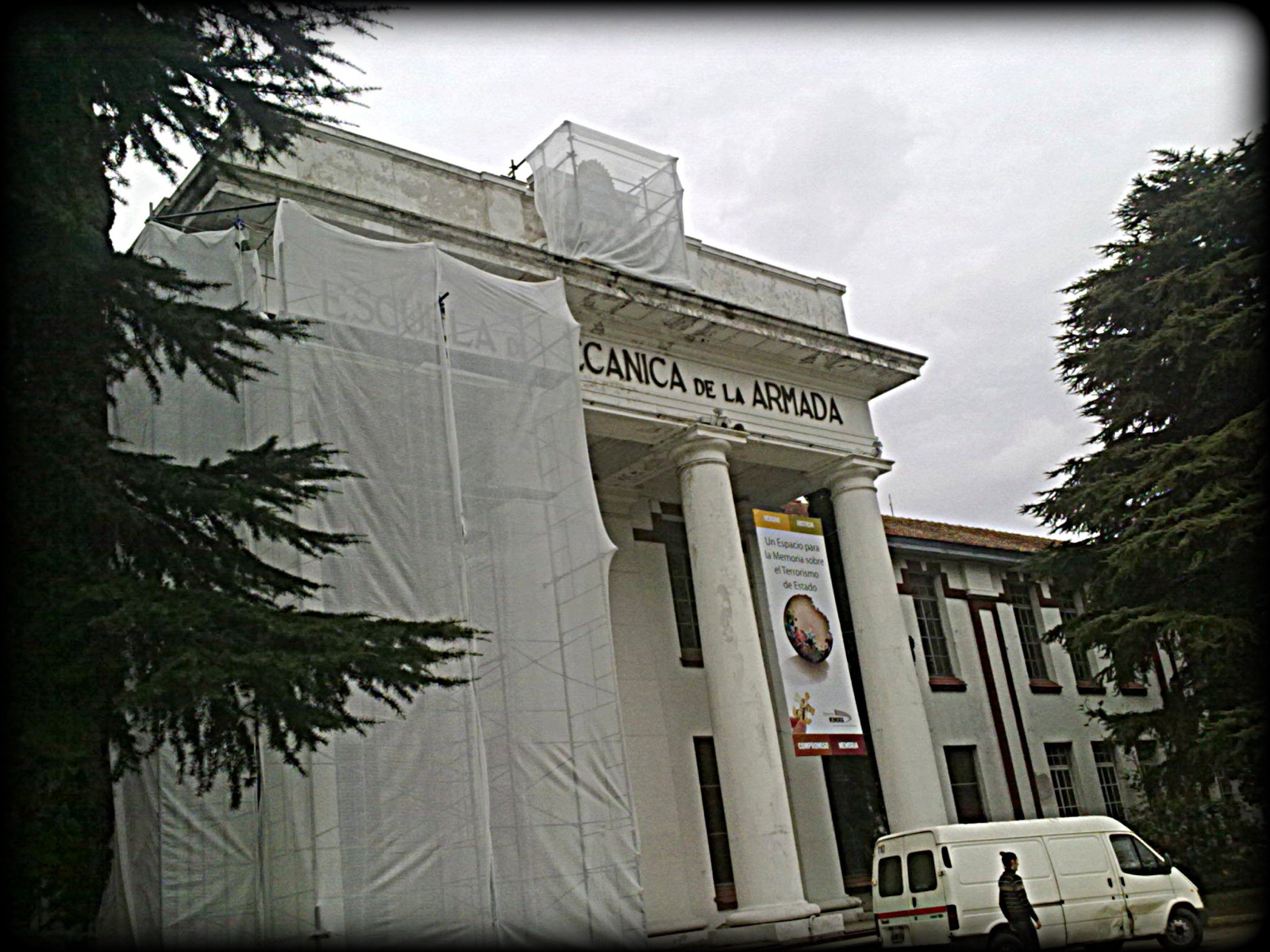
On November 25, 1975, in the headquarters of Chile's National Intelligence Directorate (DINA) in Santiago, the intelligence chiefs of six South American military dictatorships — Argentina, Bolivia, Brazil, Chile, Paraguay, and Uruguay — signed the founding charter of what they named *Operación Cóndor*. The agreement was sponsored by DINA's director, Colonel Manuel Contreras, with the formal cooperation of his counterparts in the participating regimes. Operation Condor was a clandestine cross-border intelligence-sharing and counter-insurgency apparatus designed to identify, locate, surveil, abduct, interrogate, and — where the participating regimes determined it warranted — assassinate political opponents of any of the member governments, anywhere they could be reached. The operation conducted hundreds of cross-border abductions, was directly responsible for several thousand documented disappearances within the participating countries, and carried out at least three documented international assassinations: General Carlos Prats in Buenos Aires on September 30, 1974 (in the pre-charter operational period); the attempted assassination of Bernardo Leighton and his wife in Rome on October 6, 1975; and the September 21, 1976 car-bomb killing of former Chilean Foreign Minister Orlando Letelier and his American assistant Ronni Moffitt at Sheridan Circle, two miles from the White House. The United States Department of State, under Secretary Henry Kissinger, was briefed on Condor's existence and capabilities; the Central Intelligence Agency provided communications infrastructure (a continental cryptocommunications system known as 'Condortel') in 1976. The full organizational structure was unknown to the public until December 1992, when Paraguayan dissident lawyer Martín Almada and a Paraguayan judge located 60,000 pages of operational records — the 'Archives of Terror' — in a police facility in a Lambaré suburb of Asunción. The Argentine 'Mega-Causa Plan Cóndor' trial concluded in May 2016 with the conviction of 15 senior officers including former Argentine President Reynaldo Bignone. The Italian Court of Cassation issued final convictions in absentia of 24 South American officers in 2019. The case is closed in legal terms; it is the most operationally-documented multinational state-sponsored political-murder program of the late 20th century.

The Umbrella Murder: The Poisoning of Georgi Markov
On the afternoon of 7 September 1978, Georgi Markov, a Bulgarian émigré writer, was waiting at a bus stop on Waterloo Bridge in London, on his way to his job at the BBC World Service, when he felt a sudden sharp sting in the back of his right thigh. Turning, he saw a man behind him bending to pick up a dropped umbrella; the man apologised in a foreign accent, hurried across the road, and got into a taxi. Markov thought little of it at first, but by that evening he had developed a high fever, and over the next three days his condition collapsed catastrophically. He died on 11 September, aged forty-nine. A post-mortem examination found, embedded in his thigh, a tiny metal pellet no larger than a pinhead, drilled with minuscule cavities that had held a dose of ricin — one of the deadliest toxins known, and one for which there is no antidote. Markov had been assassinated in broad daylight on a London street, murdered for the crime of broadcasting the truth about the communist regime in his homeland. The method — a poison pellet delivered, it is believed, by a specially engineered umbrella — became one of the most infamous images of Cold War espionage, and the killing itself one of its clearest examples of a state reaching across borders to silence a dissident. This is the story of the umbrella murder.