Tag
#aviation
2 articles
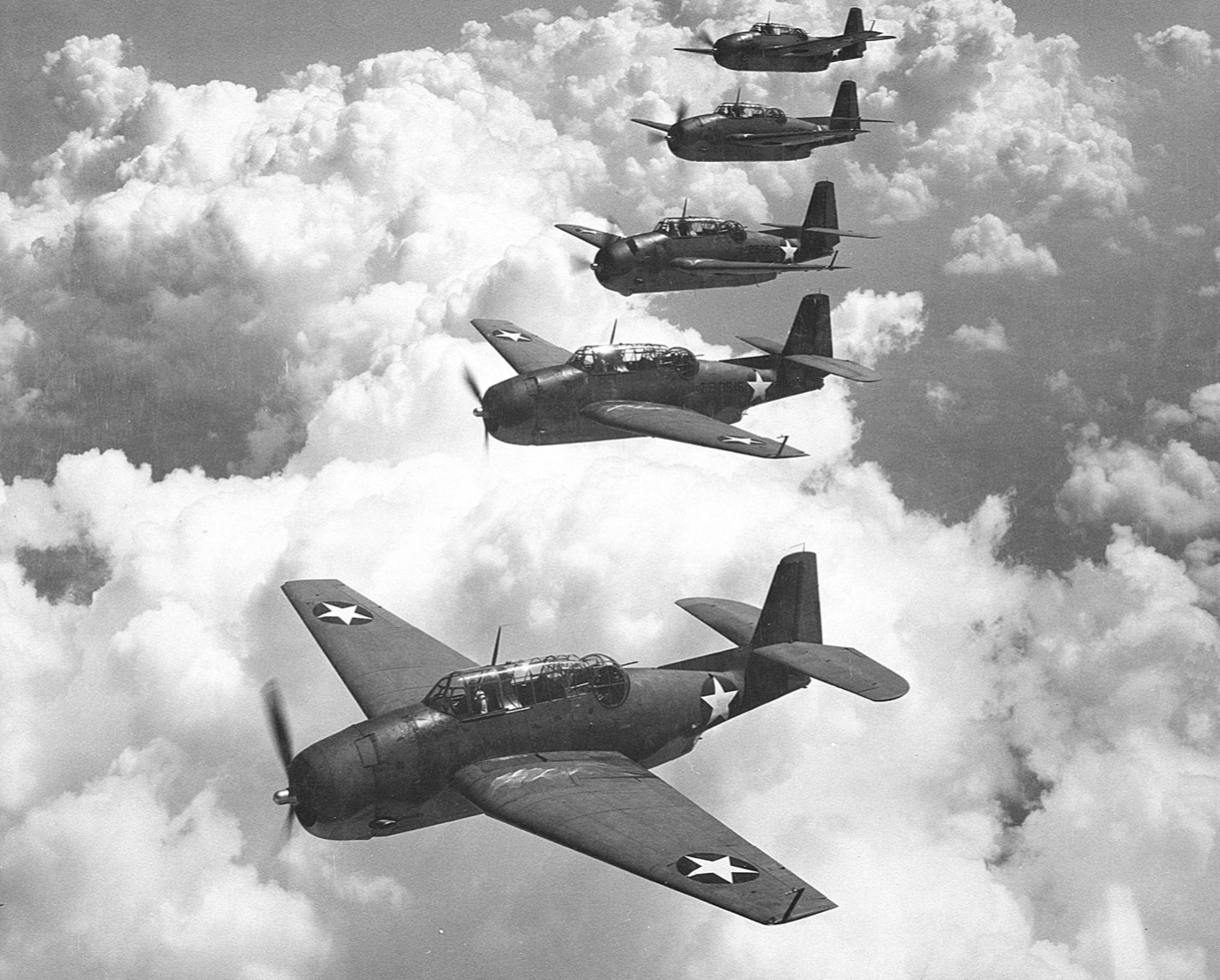
Flight 19: The Lost Squadron and the Birth of the Bermuda Triangle
On the afternoon of 5 December 1945, five United States Navy torpedo bombers took off from the Naval Air Station at Fort Lauderdale, Florida, on a routine training exercise over the Atlantic. The mission, designated Flight 19, was a navigation problem: fly east to a practice bombing range, then on a triangular course out over the ocean and back to base. Fourteen airmen were aboard the five planes, led by an experienced combat pilot named Lieutenant Charles Taylor. The flight never returned. As the afternoon wore into evening, radio operators on shore picked up Taylor's increasingly troubled transmissions: he believed his compasses had failed, he was unsure where he was, he thought he was somewhere he was not, and he led the flight one way and then another in a worsening confusion as the weather deteriorated and darkness fell. The last messages suggested the planes were running low on fuel far out over a rough sea. Then there was silence. A large flying boat dispatched to search for them disappeared as well, apparently exploding in the air, taking its crew of thirteen with it. Twenty-seven men were lost that night, and despite an enormous search, no wreckage of the five bombers was ever definitively found. The Navy concluded the flight had been lost to navigational error and the unforgiving ocean. But the strange, sad disappearance of Flight 19 would become the founding legend of the Bermuda Triangle, transformed over the following decades into a tale of supernatural mystery that the facts never supported. This is the story of the lost squadron, and of how a tragedy became a myth.
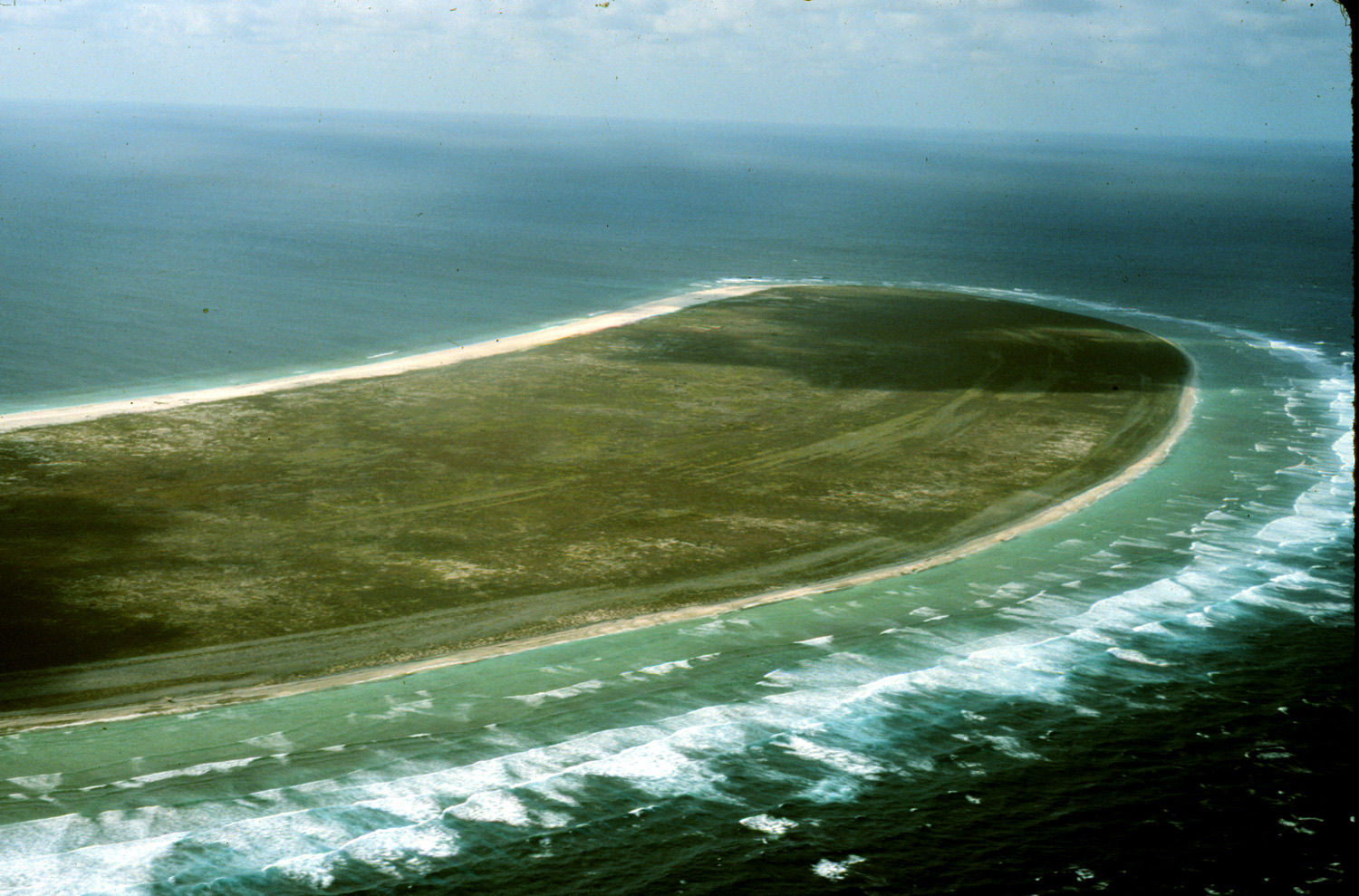
Amelia Earhart and the Speck in the Pacific
On July 2, 1937, Amelia Earhart — the first woman to fly the Atlantic solo, the most celebrated aviator on earth — took off from Lae, in New Guinea, with her navigator Fred Noonan, bound for a flat coral speck in the central Pacific called Howland Island. It was the most dangerous leg of an attempt to circle the globe near the equator: more than 2,500 miles of open ocean to a target a mile and a half long and twenty feet high, which they had to find by dead reckoning and the stars after a night and a morning over featureless water. A United States Coast Guard cutter, the Itasca, waited off Howland to guide them in by radio and to lay a column of smoke. It was never needed. Through the morning the Itasca's crew heard Earhart's voice growing tense as she searched for an island she could not see — 'We must be on you but cannot see you… gas is running low' — and then, in her last understood transmission, a line of position and the words that she was running north and south along it. After that there was silence. The largest air and sea search in American history to that date found nothing: no plane, no wreckage, no bodies. Earhart and Noonan were declared lost, and in the decades since, their disappearance has hardened into the most enduring mystery in the history of flight, fought over by three incompatible theories — that they ran out of fuel and sank near Howland; that they came down as castaways on a different island and died there; and that they fell into Japanese hands and never came home. This article sets out what is actually known about the flight and its final hours, and weighs the rival explanations — the plausible, the contested, and the long-debunked — against the evidence.
2 files · end of the line