Tag
#baltic
2 articles
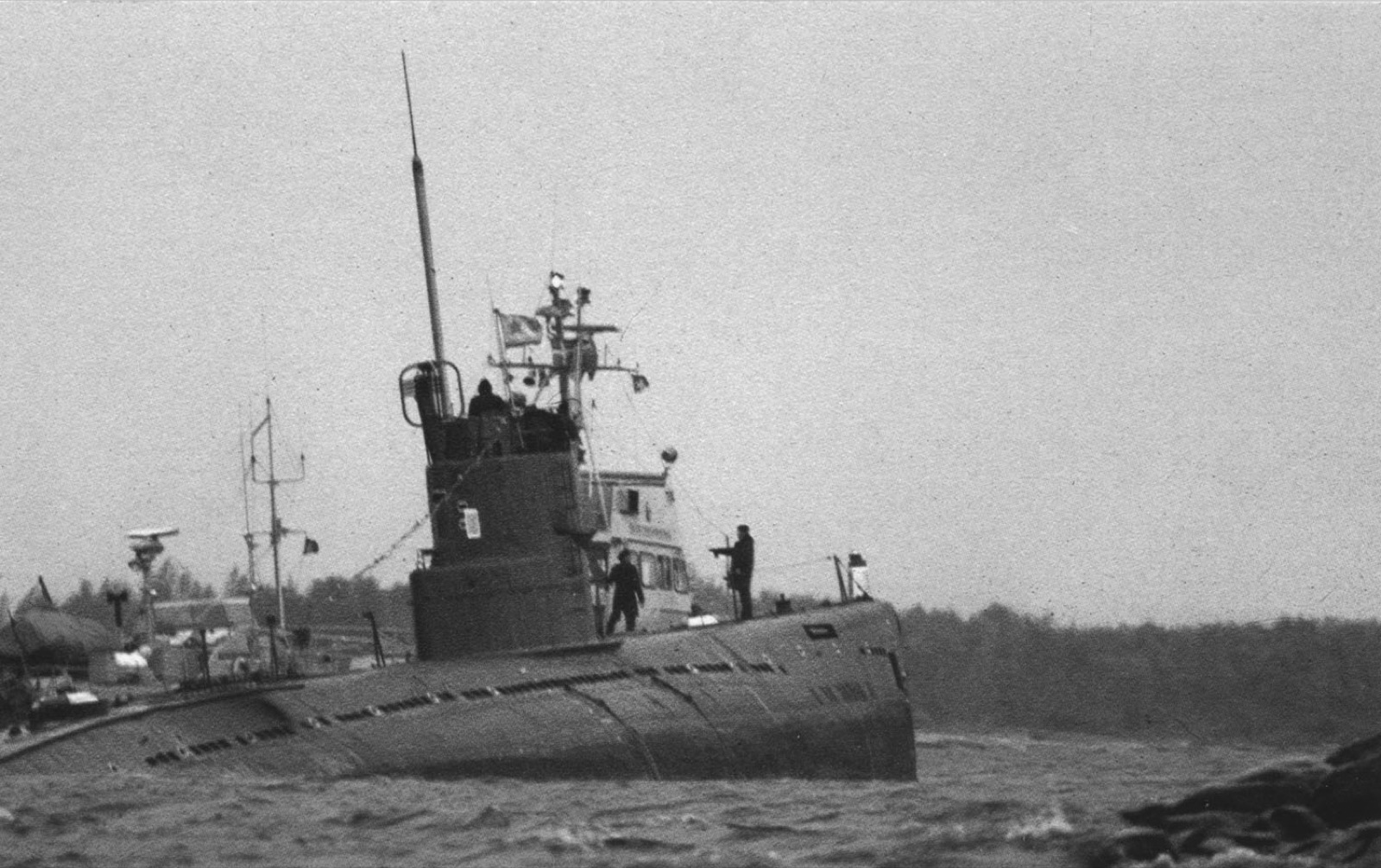
The Swedish Submarine Incidents and the Phantoms in the Archipelago
On the evening of 27 October 1981, fishermen near the Karlskrona naval base in southern Sweden saw something that should have been impossible: a Soviet submarine, hard aground on the rocks of Gåsefjärden, deep inside a restricted military zone barely ten kilometres from one of Sweden's most secret naval installations. The vessel was U 137, a Whiskey-class boat of the Soviet Baltic Fleet, and it had blundered far into Swedish territorial waters and stranded itself on a skerry. The Swedish press, with grim delight, called it 'Whiskey on the Rocks.' The incident was a genuine Cold War sensation — a foreign warship caught red-handed in neutral Sweden's most sensitive waters, suspected of carrying nuclear weapons — and it was, crucially, completely real and undeniable: the submarine was there, on the rocks, for the world to photograph. But U 137 was only the prologue. In the years that followed, the Swedish navy became convinced that foreign submarines were repeatedly violating Swedish waters, slipping into the archipelagos around Stockholm and elsewhere, and it launched hunt after hunt — dropping depth charges, sealing off bays, mobilising the fleet — to catch them. The government accused the Soviet Union; a national near-obsession took hold. And yet, across all those years and all those hunts, not a single intruding submarine was ever caught, surfaced, or conclusively identified. The evidence was fiercely disputed, some of the 'submarine sounds' were later attributed to such mundane sources as minks and herring, and decades later the unsettling possibility emerged that some of the intrusions Sweden blamed on Moscow may have been Western — NATO probes of Swedish resolve. This article separates what is certain — the very real U 137 — from what remains, forty years on, one of the strangest unresolved episodes of the Cold War.
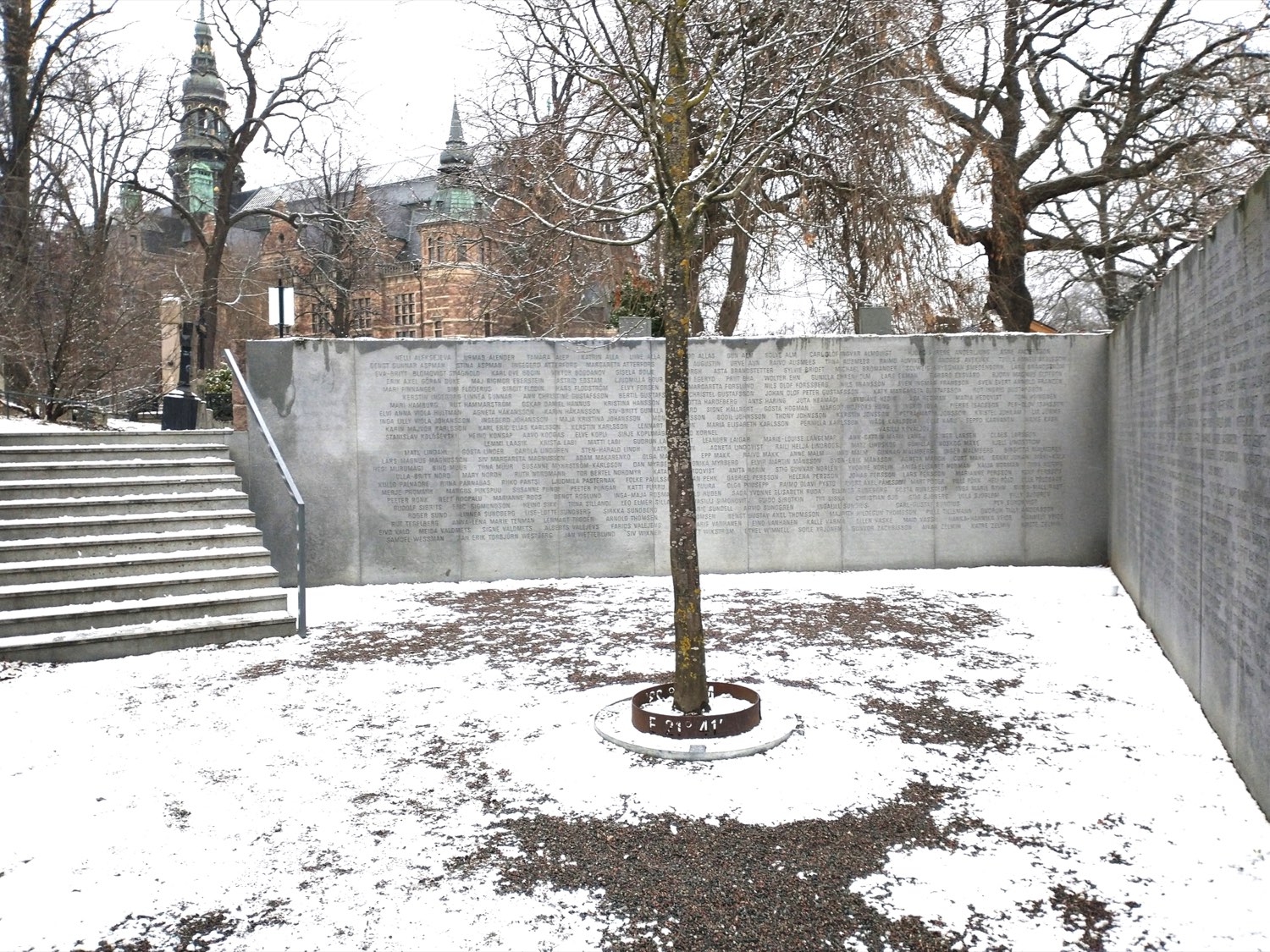
The Sinking of MS Estonia and the Wreck Sweden Would Not Raise
Shortly after one o'clock in the morning on 28 September 1994, the passenger ferry MS Estonia was midway across the Baltic Sea, sailing from Tallinn to Stockholm through a strong autumn gale, when the great clamshell visor at her bow — the hinged structure that lifted to let cars drive on and off — wrenched free of its locks under the pounding of the waves. As it fell away it dragged open the ramp behind it, and the sea poured onto the car deck. A ship like the Estonia could not survive water loose on that long, open deck: it sloshed to one side, the ferry took on a heavy list, and within minutes she was rolling over. From the first violent heel to the moment she vanished beneath the surface, perhaps fifty minutes passed — barely time for those near the upper decks to scramble out into the freezing water, and no time at all for the hundreds asleep in cabins below. Of the 989 people aboard, 852 died. It was the deadliest peacetime shipwreck in European waters of the twentieth century, and a wound that has never fully closed in Sweden, Estonia, and Finland, the three nations that lost the most. An official investigation concluded in 1997 that the visor's failure had doomed the ship. But what turned a catastrophe into an enduring controversy was what came after: Sweden's decision not to raise the bodies or the wreck, to leave the dead in the hull and seal it as a grave; the persistent theories of explosions and secret military cargo; and, in 2020, documentary footage of a large hole in the hull that forced the case to be reopened. This article sets out what happened that night, what is firmly established, and what remains genuinely contested.
2 files · end of the line