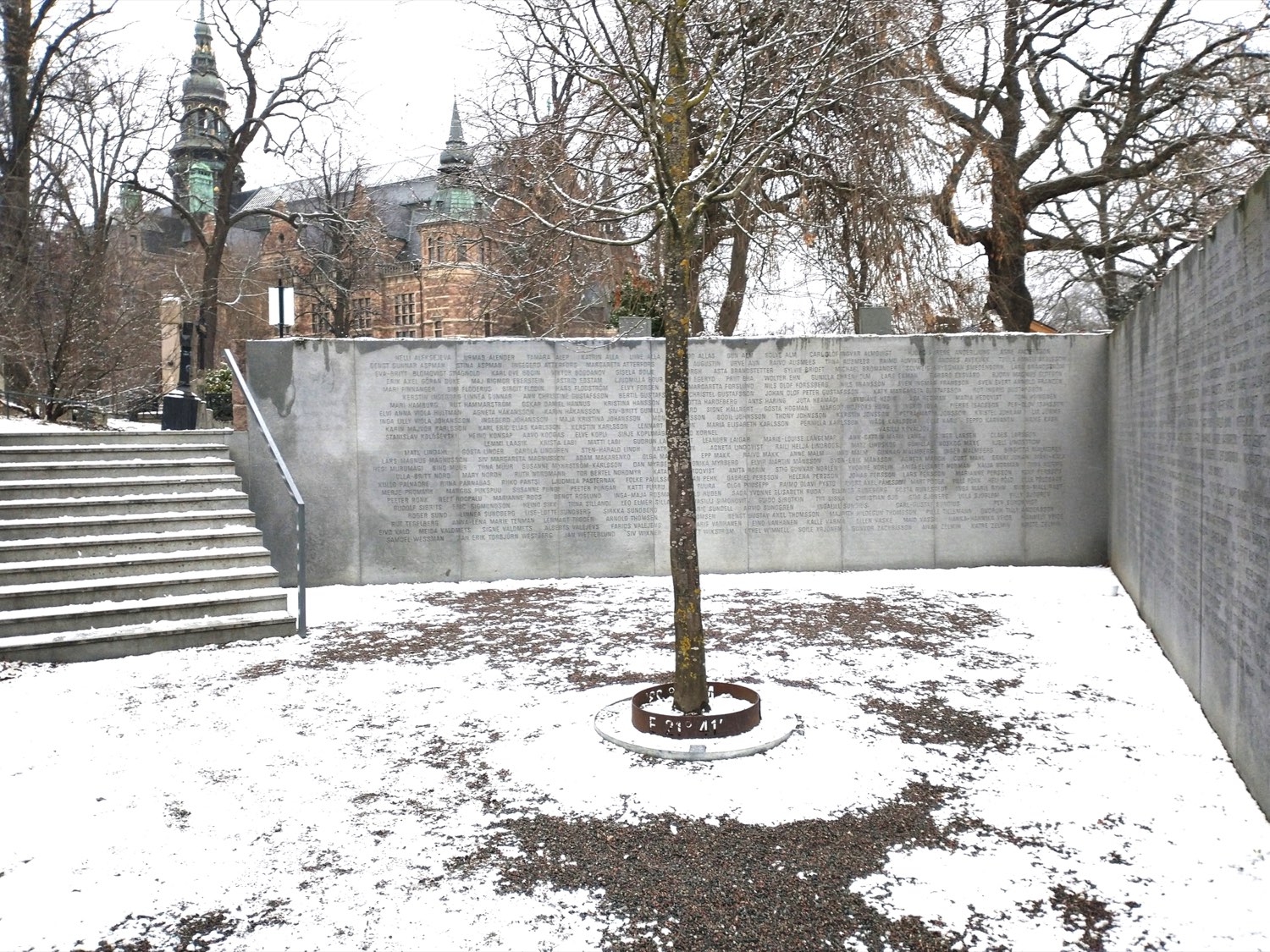
The Estonia memorial at Galärvarvskyrkogården in Stockholm, where the names of the 852 dead are engraved on curved stone walls. The disaster of 28 September 1994 struck Sweden, Estonia, and Finland hardest, and the question of how to honour and recover the dead became one of the most painful in the country's modern history. Wikimedia Commons / MOs810, CC BY 4.0.
The Sinking of MS Estonia and the Wreck Sweden Would Not Raise
The Baltic Sea, 28 September 1994 — in a night storm, the bow visor tore off a passenger ferry and it sank in under an hour, killing 852 people. The official cause was settled in 1997 — but the decision to leave the dead on the seabed, and a hole filmed in the hull in 2020, kept the questions alive
- Category
- State & Intelligence Operations
- Published
- Length
- 4,540 words · 19 min read
- Author
- The editors
The Estonia disaster occupies a particular place in the Nordic imagination — the way a single night can mark a generation, a catastrophe so large and so close to home that almost everyone in Sweden, Estonia, or Finland knows someone touched by it. The basic facts of how the ship sank are, in their broad shape, well established. But around that hard core has grown a thick layer of grief, suspicion, official secrecy, and unanswered questions, and disentangling the two — what is known from what is merely believed — is both difficult and necessary. This article tries to hold the line between them: to honour the dead with the truth, and to refuse both the false comfort of a tidy official story and the false drama of conspiracy.
This is the story of that night, and of the long argument that followed it.
The ship and the route
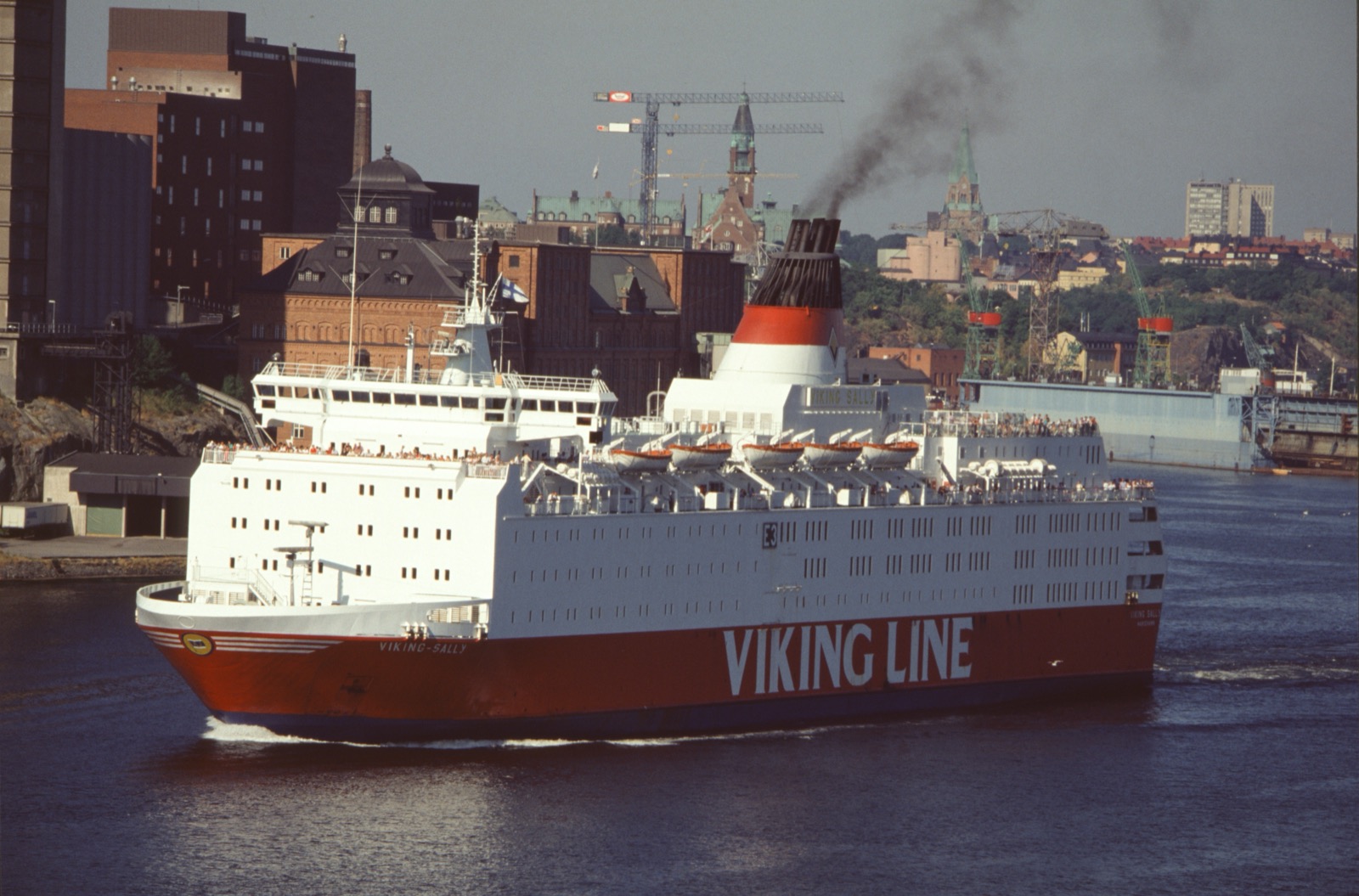
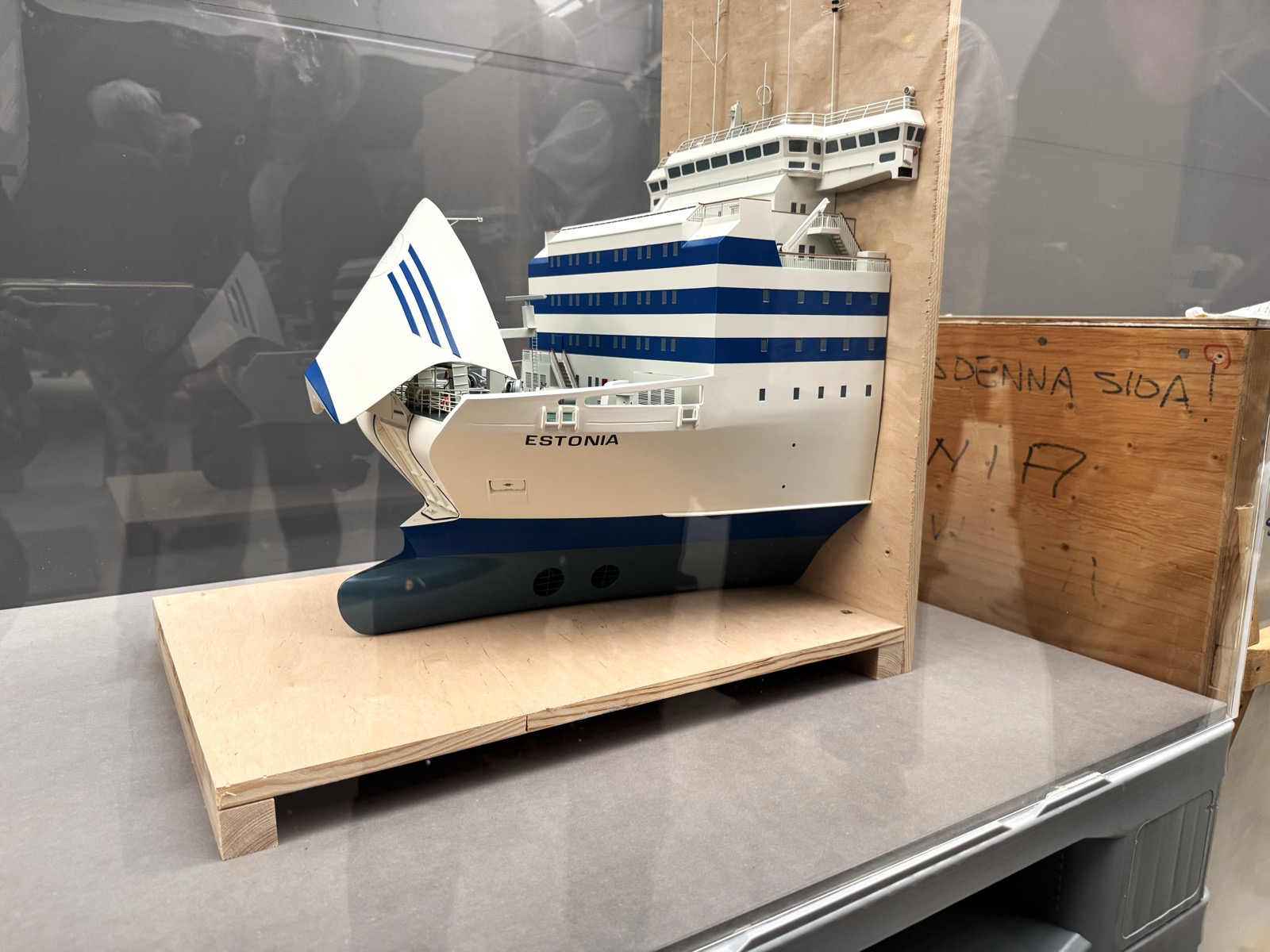
The Estonia was not a new vessel in 1994. She had been built in 1980 in Germany as the Viking Sally, and over fourteen years had sailed under several names and flags on the busy ferry routes of the northern Baltic before being renamed Estonia and put to work on the overnight crossing between Tallinn and Stockholm — a route freshly important after Estonia regained its independence from the collapsing Soviet Union in 1991. She was a classic Baltic cruiseferry: a floating hotel with restaurants, bars, and cabins above, and, crucially, a long open vehicle deck running the length of the ship below, onto which cars and lorries drove through the bow.
That design — the roll-on/roll-off, or "ro-ro," layout — is supremely efficient for loading vehicles, but it carries a structural vulnerability that mariners had long understood and feared. The vehicle deck is a single vast open space with no internal bulkheads to contain flooding. If water gets onto it in any quantity, it runs freely from side to side as the ship moves, and that shifting weight — the "free surface effect" — can rapidly destroy a ship's stability and capsize her. The whole safety of a ro-ro ferry therefore rests on one principle: keep the sea off the car deck. On the Estonia, the first line of defence was the bow — a great visor that lifted up, and a ramp behind it, through which the vehicles loaded. On the night of 28 September, that defence failed.
The night the visor failed
The Estonia left Tallinn on the evening of 27 September, a little behind schedule, into a worsening gale. By the small hours she was in open sea with winds at gale force and waves of several metres, pitching hard into the weather — rough, but not exceptional for the autumn Baltic, and within what the ship was supposed to withstand. Passengers later recalled heavy banging from the bow as the ship slammed into the seas. Then, around 1 a.m., the locks securing the visor gave way.
The timing could hardly have been worse. It was the dead of night, and most of the nearly thousand people aboard were asleep in their cabins, many of them on the lower decks closest to the waterline and furthest from escape. There was no warning that meant anything to a sleeping passenger until the ship was already listing hard, and by then the geometry of survival had narrowed brutally: a person had to be conscious, mobile, and able to fight uphill through a ship tilting past forty-five degrees, in the dark, amid breaking glass and sliding furniture and rising panic, to reach the open deck at all. The banging at the bow that some passengers had noticed and even reported to the crew in the preceding hour was, in hindsight, the sound of the visor beginning to fail — a warning that, had it been understood and acted on by slowing or turning the ship, might conceivably have changed the outcome. At the time it was taken for the ordinary violence of a ferry punching through a gale.
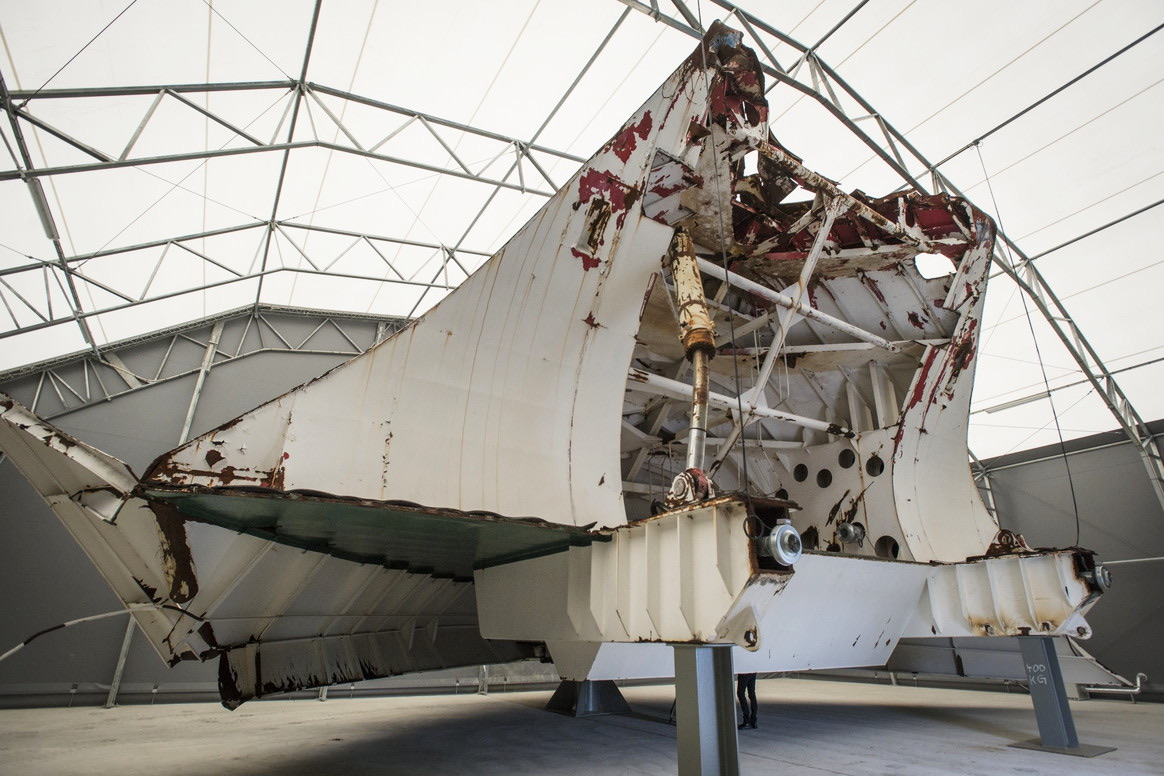
What followed unfolded with terrible speed. The heavy visor, no longer held, worked loose and tore off the bow, and as it fell it pulled the loading ramp behind it partly open. The sea surged onto the car deck. Water began to slosh across that long open space, and the ship took on a list to starboard that grew within minutes from a lean into a capsizing roll. The Estonia's engines failed; she swung helpless in the waves; and she heeled further and further over. A mayday was sent, garbled and brief. Inside, the rolling of the ship turned corridors and stairwells into near-vertical traps. Passengers who happened to be awake and high in the ship had a chance to reach the open decks and the life rafts; those asleep in the cabins, especially on the lower decks, were in many cases never able to get out at all. In under an hour from the first list, the Estonia rolled fully over and sank in deep water.
The survivors and the dead
The survival stories from the Estonia are harrowing and, in their pattern, revealing. The people who lived were overwhelmingly those who were awake, physically able, and already high in the ship when she began to roll — able to claw their way out onto the listing decks and into or beside the life rafts, then to endure hours in the frigid, heaving sea until rescue helicopters and nearby ferries arrived at dawn. Many who reached the water still died of cold before they could be lifted out. The dead included almost everyone who had been below decks: the speed and angle of the capsize meant that for most passengers in the cabins, escape was physically impossible from the moment the ship passed a certain angle. Whole families were lost. The nationalities of the dead were led by Swedes and Estonians, with Finns and others among them — a shared Nordic and Baltic catastrophe.
The rescue, mounted in darkness and a storm, was itself a desperate effort by Finnish and Swedish helicopter crews and the crews of other ferries that diverted to the scene, and it saved the 137 who lived. But the overwhelming reality of that morning was the scale of the loss, and the agonising fact that most of the dead had gone down inside the ship, to a wreck lying eighty metres deep in international waters.
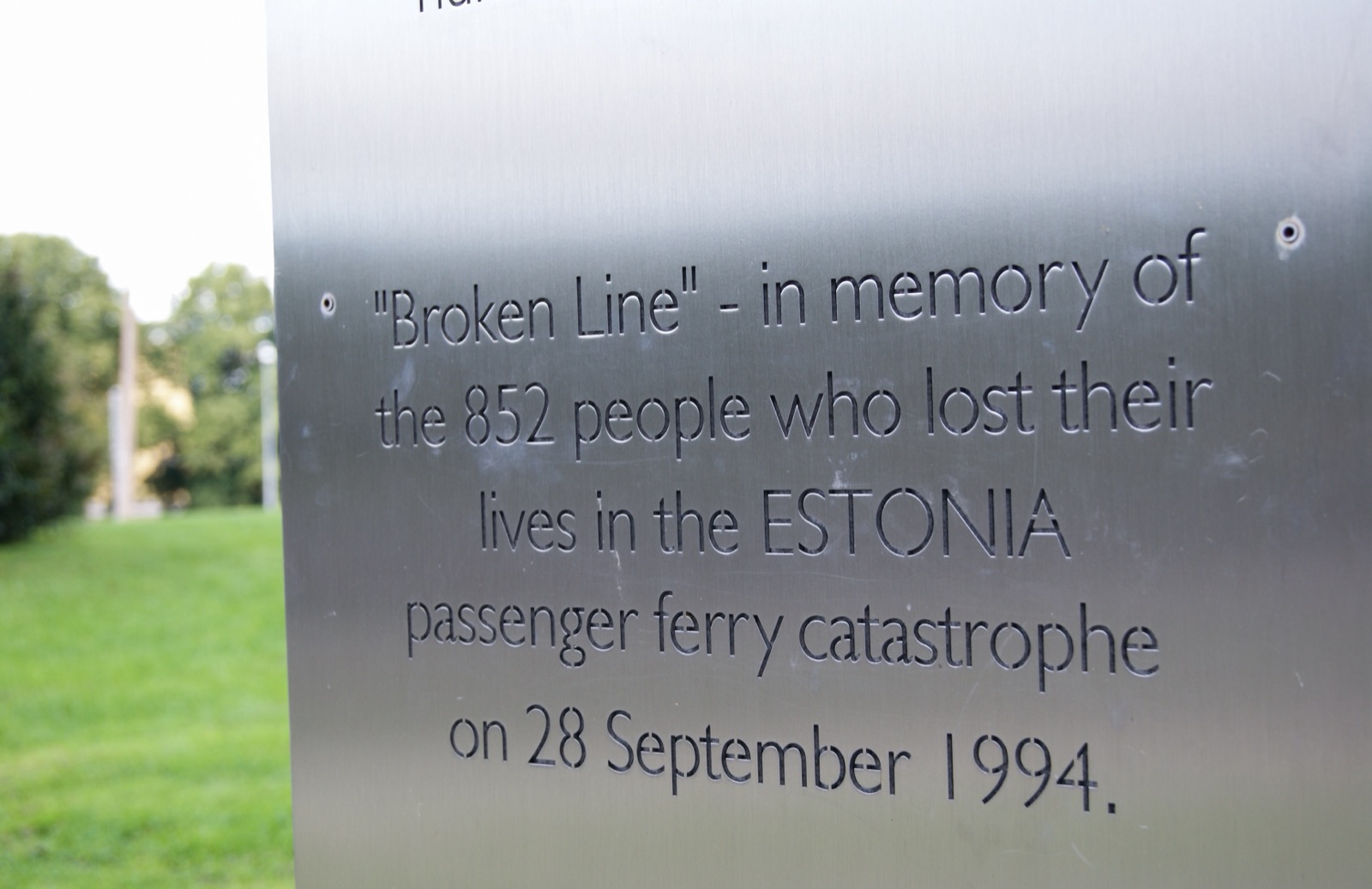
The toll fell unevenly in another sense, too. The crew were largely Estonian, the passengers a mix of Swedes returning home, Estonians travelling west, and others; among the dead were tourists, business travellers, a delegation of officials, pensioners on an autumn crossing, and children. Because the route linked a newly independent Estonia to prosperous Sweden, the disaster bound the two countries in grief at the very moment their post-Soviet relationship was forming, and it touched Finland, whose waters and rescuers were closest to the scene. In all three countries, the night of the Estonia became one of those fixed points of collective memory — a date on which people remember where they were when they heard.
The JAIC report
A Joint Accident Investigation Commission — the JAIC, made up of Estonia, Sweden, and Finland — was set up to determine what had happened, and it delivered its final report in 1997. Its conclusion centred on the bow visor. The locking devices that held the visor shut, the commission found, were not strong enough to withstand the wave loads the ship encountered, and the visor's attachments failed; once the visor tore away and opened the ramp, the flooding of the car deck and the capsize followed inevitably. The report pointed to weaknesses in the design and construction of the visor and its locks, and to the broader vulnerability of the ro-ro design, as the heart of the disaster.
The JAIC's core finding — that the visor failed and sank the ship — has been broadly accepted by naval architects and accident investigators, and it is the established explanation of the disaster. But the report was also criticised, then and since: for shortcomings in how the investigation was conducted, for questions about the seaworthiness and maintenance of the ship and the conduct of the crew, and for not fully resolving exactly why the visor locks failed as they did. It settled the mechanism of the sinking without settling every question around it — and into that gap, other explanations flowed.
The disaster also reshaped maritime safety, which is part of why the established cause matters so much. In its wake, international rules for ro-ro ferries were tightened: requirements for bow-door and visor design and monitoring, for stability even with water on the car deck, for life-saving equipment and evacuation, and for survivability standards were strengthened across European waters and beyond. The Estonia, like a number of ro-ro disasters before it — the Herald of Free Enterprise, which capsized off Zeebrugge in 1987 with bow doors left open, was the most infamous precedent — became a case study that changed how such ships are built and operated. That regulatory legacy rests entirely on the visor-failure explanation: it was because the mechanism was understood that the lessons could be drawn. A disaster attributed to an unexplained explosion would have taught the industry nothing; a disaster traced to a specific structural weakness taught it a great deal.
The decision not to raise them
If the cause of the sinking became the subject of dispute, the response to it became the subject of anguish. In the aftermath, Sweden — which had lost the largest number of citizens — took the lead in deciding what to do with the wreck and the hundreds of bodies still inside it. After initially raising the possibility of recovering the dead, the Swedish government decided against salvaging the bodies or the ship. The wreck site was declared a place of rest, protected by a treaty among the affected countries that made it a criminal offence to disturb it, and there were even plans — later abandoned — to entomb the wreck by covering it in concrete.
For many bereaved families, this was an unbearable outcome. The idea that their relatives' bodies would be left indefinitely inside a hull on the seabed, unrecovered and unburied, struck them as a betrayal, and the secrecy and apparent haste around the decision deepened their distrust. Others, including some families, accepted the argument that raising the bodies would be dangerous, technically fraught, and itself a kind of desecration, and that the wreck should be left as a tomb. The disagreement was genuine and painful, and it has never been fully resolved. What is beyond dispute is that the manner of the decision — made by governments, with limited transparency, over the bodies of the dead — fed a lasting suspicion that the authorities had something to hide, whether or not they did.
The alternative theories
Into the space left by official shortcomings and government secrecy came a range of alternative explanations, some sober and some wild. The most persistent held that the ship had not simply succumbed to a visor failure but had been damaged by an explosion, and that this was being covered up. Linked to this was the claim that the Estonia, or ferries on her route, had been used to transport secret military cargo — Soviet-era military technology moving westward after the Cold War — and that an explosion connected to such cargo, or an attempt to stop smuggling, lay behind the sinking. Sweden did eventually acknowledge that military equipment had been transported on the Estonia on some earlier voyages, which gave the cargo theories a foothold of fact, even as officials denied any such cargo was aboard on the fatal crossing or had any role in it.
It is important to weigh these claims carefully and honestly. The acknowledged transport of military materiel on prior trips is real and documented. But the leap from that to "an explosion sank the Estonia" has never been supported by solid physical evidence; the established mechanism — visor failure and car-deck flooding — accounts for the sinking without needing one. The conspiracy theories drew their energy less from positive proof than from the vacuum created by a flawed investigation and a secretive, body-in-the-sea aftermath. That does not make every question illegitimate. It means the burden of proof matters: the documented failure is established, and the dramatic alternatives, for all their persistence, have not been substantiated.
The hole in the hull
Then, in 2020, the case was forced open again. A documentary team, diving the protected wreck in violation of the law that sealed it, filmed something the official record had not described: a large hole, some four metres across, in the starboard hull. The footage was a sensation. To those who had long suspected a cover-up, here at last seemed to be physical evidence of a breach the authorities had never acknowledged — perhaps the mark of an explosion or a collision after all.
The discovery was serious enough that Estonia, Sweden, and Finland agreed to reopen the investigation — itself an acknowledgement that the original inquiry had not been the final word. A new technical examination of the wreck and the seabed followed over the next few years. Its conclusion, reported in the early 2020s, was deflating to the conspiracy theories but important: the hole, the investigators determined, had most likely been caused by the wreck resting against and moving on the hard, rocky seabed — damage inflicted after the sinking, by the wreck's own contact with the bottom, not by any explosion or collision before it sank. The reopened inquiry, in other words, did not overturn the basic story of the visor; it explained the new anomaly in a way consistent with the established cause, while underlining how much about the wreck had never been properly examined.
What is established, and what stays contested
It is worth stating plainly where the line falls, because the Estonia disaster is a case where precision is a form of respect — to the dead, and to the truth.
What is established: that the bow visor's locks failed in heavy seas; that the visor tore off and opened the ramp; that the car deck flooded and the ship capsized and sank in under an hour; that 852 people died, most of them trapped below; and that the immediate, mechanical cause was the failure of the bow structure, rooted in design and construction weaknesses. This is the firm core, accepted by the official investigation and by the great majority of independent naval and engineering experts, and reinforced rather than overturned by the reopened inquiry.
What remains contested or unresolved: some of the finer questions around why exactly the visor locks failed and whether the ship and crew bore additional responsibility; the wisdom, ethics, and secrecy of the decision not to recover the dead; and, for a persistent body of skeptics, the cargo and explosion theories, which retain believers despite the lack of substantiating physical evidence and the seabed-contact explanation for the 2020 hole. The honest position is not to flatten these into either a seamless official story or a grand cover-up, but to hold the established cause firmly while acknowledging that the flawed handling of the investigation and the wreck created distrust that has never fully healed.
In the end, the Estonia rests where she fell, eighty metres down in the Baltic, holding most of her dead, a sealed grave that a society chose not to disturb and could not quite explain. The night she sank is firmly understood: a storm, a failed visor, a flooded deck, a capsize too fast to survive. What lingers is everything that came after — the bodies left below, the secrecy, the theories that secrecy fed, and a grief that three nations carry still. The disaster is a reminder that a catastrophe is not over when its cause is found; that how a society treats its dead and tells its truth can wound long after the wreck has settled; and that trust, like the Estonia herself, is far easier to lose to the depths than to bring back up.
Sources
- Joint Accident Investigation Commission (Estonia, Finland, Sweden), Final Report on the Capsizing on 28 September 1994 in the Baltic Sea of the Ro-Ro Passenger Vessel MV Estonia (1997) — primary.
- The Estonian Safety Investigation Bureau and the reopened investigation following the 2020 findings, technical reports (early 2020s) — primary.
- The 1995 agreement among Estonia, Finland, and Sweden protecting the wreck site as a final resting place — primary.
- Estonia (Discovery Networks documentary, 2020) revealing the hull hole — secondary.
- Swedish government and SHK (Statens haverikommission) statements on the wreck, the bodies, and the military-cargo question — primary.
- Survivor testimony and contemporaneous reporting from September– October 1994 — primary/secondary.
- Naval-architecture analyses of ro-ro ferry stability and the free surface effect — academic.
- Reporting by Swedish, Estonian, and Finnish press on the disaster, the salvage debate, and the reopened inquiry (1994–2020s) — secondary.
- Books and investigative accounts of the Estonia disaster and the controversies around it — secondary.
Inspired this / based on it
Discovery Networks
The documentary whose footage of a hole in the hull reopened the investigation.
Drew Schmenner / various
Journalistic accounts of the disaster and the controversies around it (representative).
Reuven Hecker
A dramatized thriller built around the conspiracy theories of the sinking.
Filed under
Click any tag for every article carrying it.
Continue reading
Dyatlov Pass
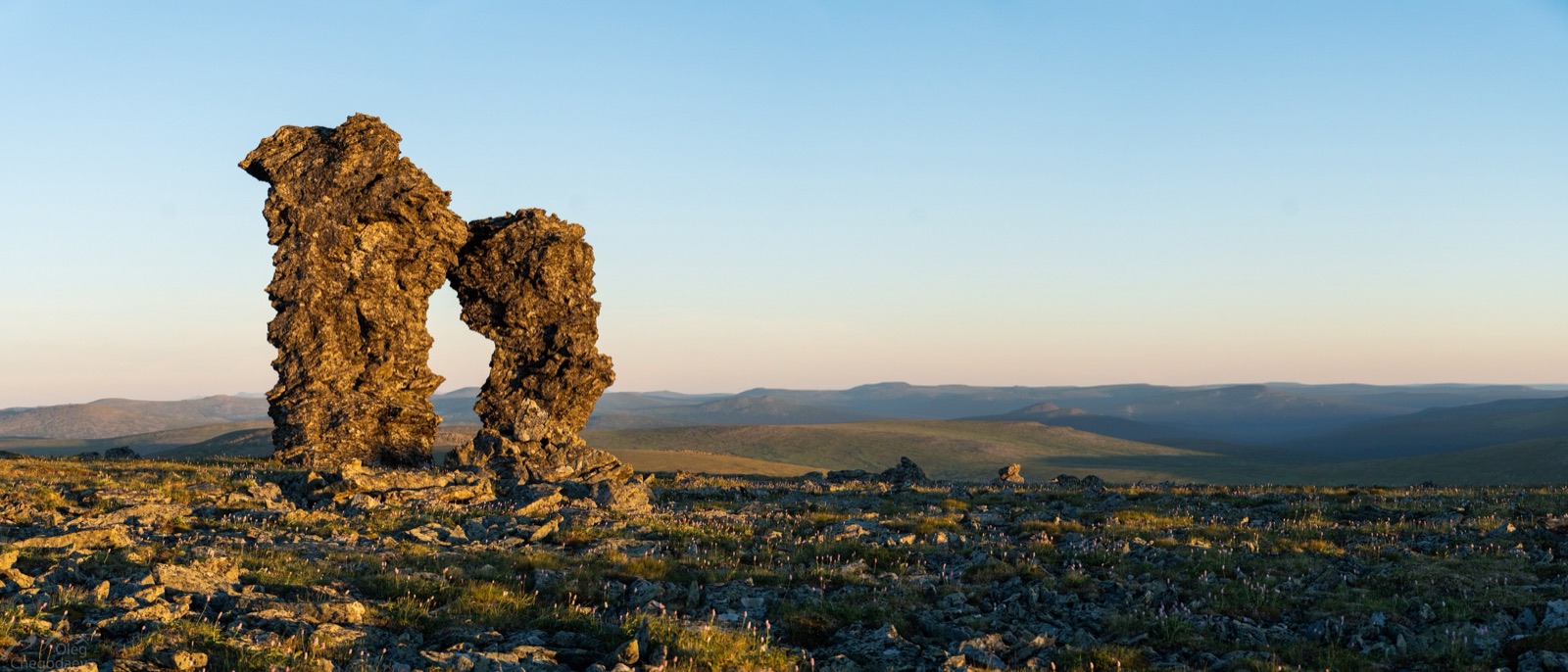
On the afternoon of February 1, 1959, a group of nine experienced Soviet ski-tourists — eight men and one woman, all between 20 and 38 years old, all members or alumni of the Ural Polytechnical Institute in Sverdlovsk (now Yekaterinburg) — pitched a four-pole canvas tent on the eastern slope of an undistinguished 1,079-meter mountain in the northern Urals named, in the Mansi language, Kholat Syakhl — 'Dead Mountain.' The group was led by 23-year-old Igor Dyatlov, a fifth-year radio-engineering student. The party had skied approximately 280 kilometers from the closest railway terminus over the prior nine days. Their planned summit, the following day, was the higher Otorten peak ten kilometers north. None of them reached it. When a search party located the abandoned tent on February 26, it had been cut open from the inside. Most of the group's clothing and equipment was still inside. The first three bodies — including Dyatlov — were found later that day, scattered along the slope below the tent, dressed only in underwear or light layers, none in proper outer clothing, none in their boots. Two further bodies were found nearer the tent over the following weeks. The final four bodies — including the only female member, Lyudmila Dubinina — were not located until May 4, 1959, in a snow-covered ravine approximately 1.5 kilometers downslope. Three of those four had massive internal trauma — equivalent in the words of the autopsy report to high-speed automobile-collision injuries — without corresponding external wounds. Two had missing soft tissue: Dubinina lacked her tongue and eyes. Some of the recovered clothing tested positive for elevated beta-particle radiation. The Soviet criminal investigation concluded in May 1959 that the deaths were caused by 'a compelling natural force which the hikers were unable to overcome.' The Russian Procurator-General's Office reopened the case in 2019 and concluded in July 2020 that the cause was a slab avalanche followed by hypothermia and disorientation. A 2021 computational study published in *Communications Earth & Environment* by Alpine snow scientists at EPFL Lausanne provided a quantitative mechanical model supporting the slab-avalanche conclusion. The case is closed in Russia. It is, in international public discussion, the most-debated cold-weather forensic mystery of the 20th century.
MH370
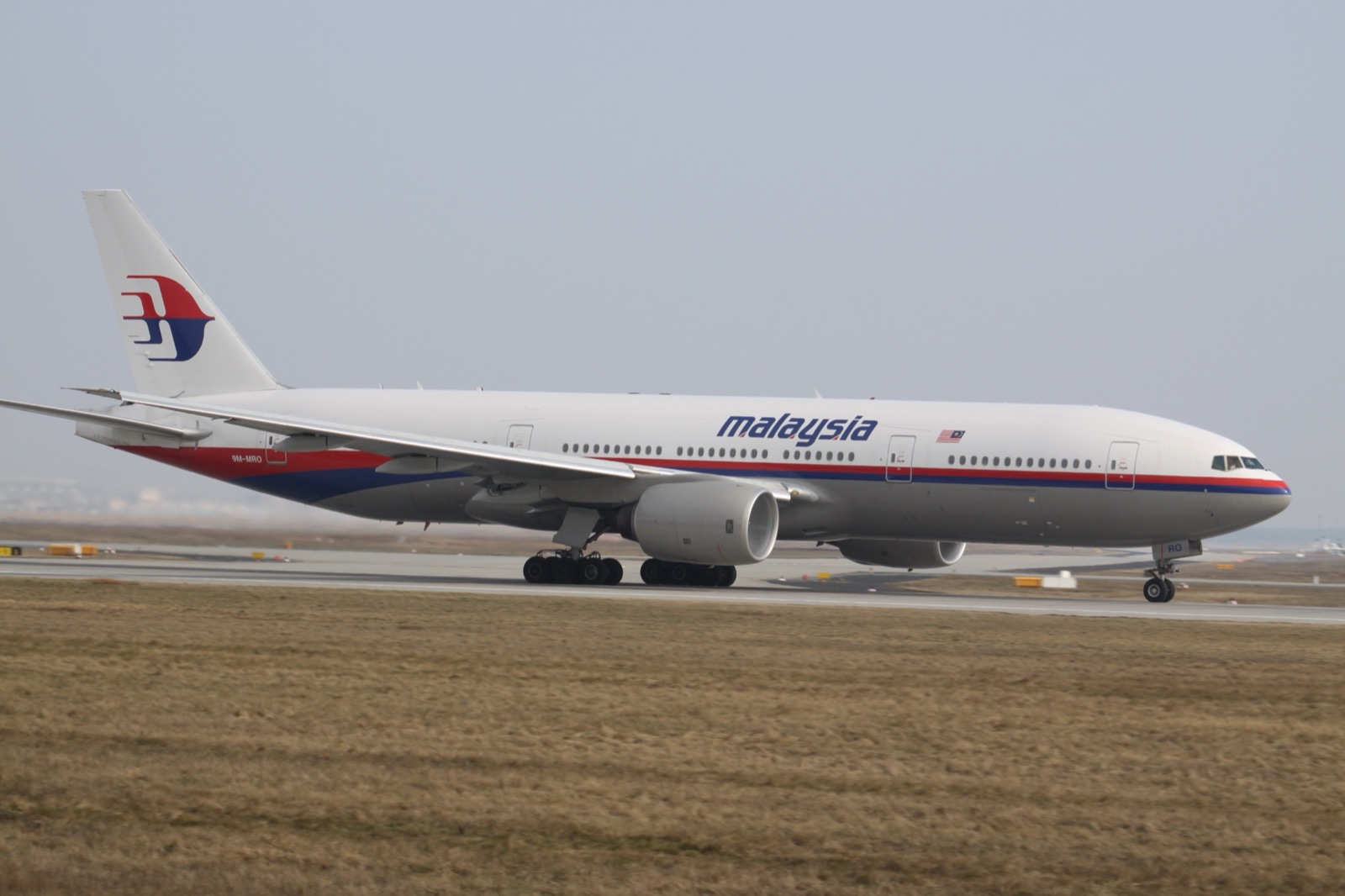
On March 8, 2014 at 12:41 a.m. Malaysia time, Malaysia Airlines flight 370 — a Boeing 777-200ER registered 9M-MRO — left Kuala Lumpur for Beijing with 239 people on board. Thirty-eight minutes later, the aircraft's transponder went dark over the South China Sea. Military primary radar then tracked an unidentified return making a hard left turn back across the Malay Peninsula, threading the gap between Malaysian and Thai air defense, before heading up the Strait of Malacca. The aircraft's satellite communications terminal made handshakes with Inmarsat's 3-F1 satellite for seven more hours. The final handshake, at 8:19 a.m., placed the aircraft along an arc somewhere in the southern Indian Ocean roughly 1,600 km west-southwest of Perth, Australia. Three years of surface and seabed search across 120,000 square kilometres found nothing. Thirty-three confirmed pieces of debris, beginning with a flaperon that washed ashore on Réunion in July 2015, are the only physical remains. The 2018 Malaysian Annex 13 report concluded that the aircraft was deliberately diverted but could not say by whom or why.
The Olof Palme Assassination
At 11:21 p.m. on Friday, February 28, 1986, the Prime Minister of Sweden, Olof Palme, was shot in the back at point-blank range on Sveavägen, Stockholm, while walking home from a cinema with his wife Lisbet. Lisbet Palme was grazed by a second shot. Olof Palme was 59 years old. He had been the Prime Minister of Sweden from 1969 to 1976 and again from 1982. He had no bodyguards that night. The killer ran east up Tunnelgatan and disappeared. He has never been positively identified. Sweden's Palme Commission and its successor police investigation ran for 34 years. On June 10, 2020, Chief Prosecutor Krister Petersson publicly named the most likely perpetrator — a Swedish graphic designer named Stig Engström, the so-called "Skandiamannen" — and simultaneously closed the case because Engström had died in 2000 and could not be tried. The 40-year-old investigation produced 22 binders of investigative material, dozens of failed theories, one wrongful conviction, and no court ruling. It is the largest unsolved political assassination in modern European history.