Tag
#chile
2 articles
Operation Condor
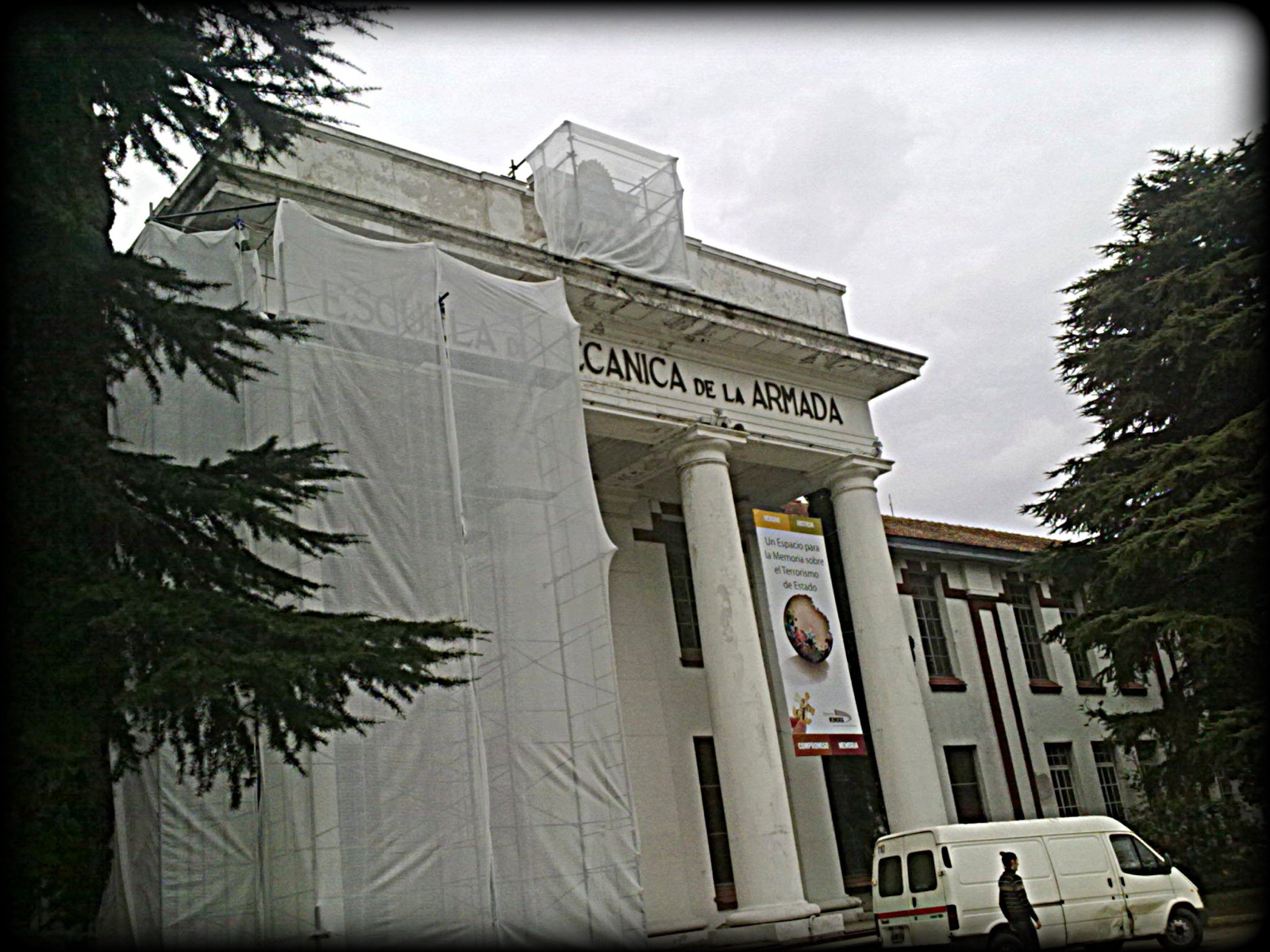
On November 25, 1975, in the headquarters of Chile's National Intelligence Directorate (DINA) in Santiago, the intelligence chiefs of six South American military dictatorships — Argentina, Bolivia, Brazil, Chile, Paraguay, and Uruguay — signed the founding charter of what they named *Operación Cóndor*. The agreement was sponsored by DINA's director, Colonel Manuel Contreras, with the formal cooperation of his counterparts in the participating regimes. Operation Condor was a clandestine cross-border intelligence-sharing and counter-insurgency apparatus designed to identify, locate, surveil, abduct, interrogate, and — where the participating regimes determined it warranted — assassinate political opponents of any of the member governments, anywhere they could be reached. The operation conducted hundreds of cross-border abductions, was directly responsible for several thousand documented disappearances within the participating countries, and carried out at least three documented international assassinations: General Carlos Prats in Buenos Aires on September 30, 1974 (in the pre-charter operational period); the attempted assassination of Bernardo Leighton and his wife in Rome on October 6, 1975; and the September 21, 1976 car-bomb killing of former Chilean Foreign Minister Orlando Letelier and his American assistant Ronni Moffitt at Sheridan Circle, two miles from the White House. The United States Department of State, under Secretary Henry Kissinger, was briefed on Condor's existence and capabilities; the Central Intelligence Agency provided communications infrastructure (a continental cryptocommunications system known as 'Condortel') in 1976. The full organizational structure was unknown to the public until December 1992, when Paraguayan dissident lawyer Martín Almada and a Paraguayan judge located 60,000 pages of operational records — the 'Archives of Terror' — in a police facility in a Lambaré suburb of Asunción. The Argentine 'Mega-Causa Plan Cóndor' trial concluded in May 2016 with the conviction of 15 senior officers including former Argentine President Reynaldo Bignone. The Italian Court of Cassation issued final convictions in absentia of 24 South American officers in 2019. The case is closed in legal terms; it is the most operationally-documented multinational state-sponsored political-murder program of the late 20th century.
The Pinochet Coup
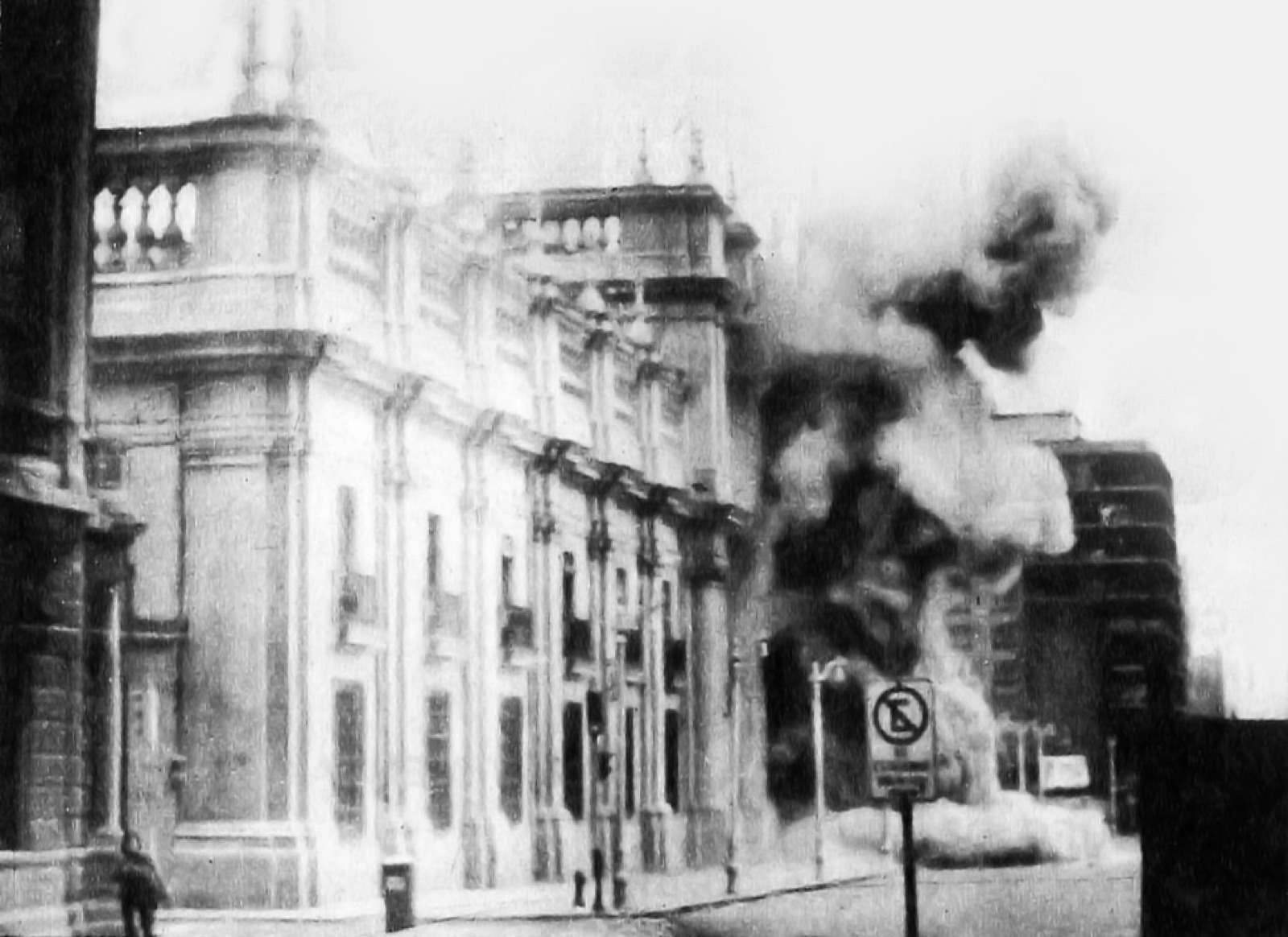
At 6:00 a.m. on September 11, 1973, the Chilean Navy seized the port city of Valparaíso. By 7:00, the army had blocked the streets of Santiago. By 8:00, all radio stations except two had been silenced. At 11:52, Hawker Hunter jets bombed La Moneda, the presidential palace, while the democratically elected socialist president, Salvador Allende, was inside. Allende was dead by approximately 2:00 p.m. — by his own pistol, a 2011 forensic re-examination confirmed, in the second-floor Salón Independencia under bombardment. The man who replaced him, General Augusto Pinochet, ruled Chile for seventeen years. Between 1973 and 1990, the Chilean state's own subsequent commissions documented 3,200 killed or disappeared and 38,254 imprisoned-and-tortured. The United States, through documents declassified in waves from 1999 through 2023, had been working to remove Allende since before he took office.
2 files · end of the line