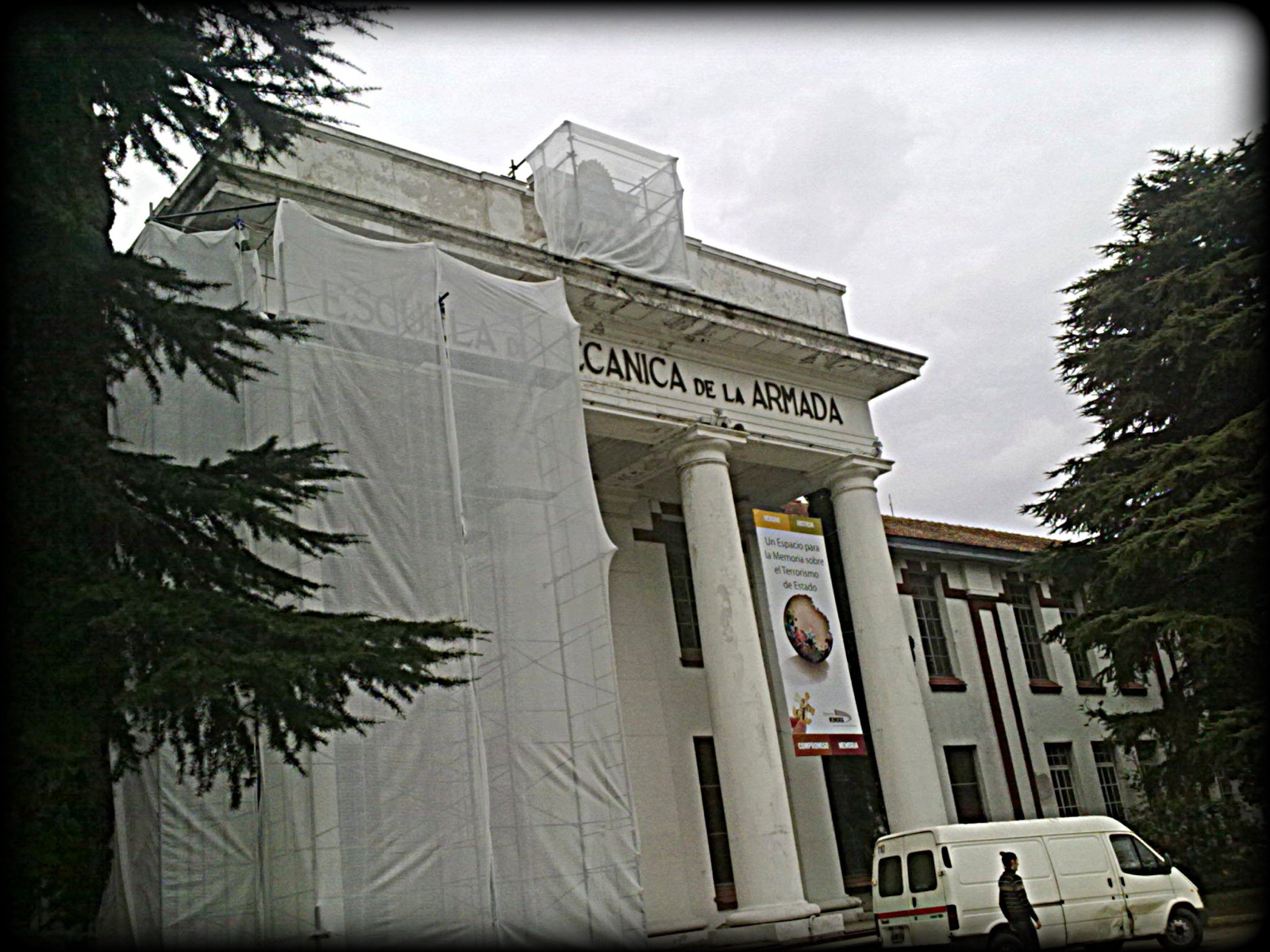
The Casino de Oficiales of the former Escuela Superior de Mecánica de la Armada (Naval Mechanics School), Avenida del Libertador 8151, Buenos Aires. The principal detention and interrogation site operated by the Argentine Navy during the 1976-1983 military regime; an estimated 5,000 detainees passed through, of whom approximately 100 survived. The site has been a national memorial museum since 2004. Wikimedia Commons, CC BY-SA 3.0.
Operation Condor
The Latin American dictatorships' transnational assassination network, 1975-1983
- Category
- State & Intelligence Operations
- Published
- Length
- 3,700 words · 17 min read
- Author
- The editors
Operation Condor
The Latin American dictatorships' transnational assassination network, 1975-1983.
Santiago, November 1975
The formal founding of Operation Condor took place on November 25, 1975, at the headquarters of DINA at Marcoleta 159 in central Santiago. The meeting had been convened by Manuel Contreras, the Colonel commanding DINA. The participants — directors or senior representatives of the intelligence services of Argentina (SIDE), Bolivia (DOP), Brazil (SNI), Chile (DINA), Paraguay (Department of Investigations), and Uruguay (DNII) — met for five days.
The meeting's documentary product was a 24-page operational manual identifying three phases of cooperation:
- Phase 1: Continental information system. Centralized database of opposition figures, maintained at DINA Santiago, accessible to all members via the planned Condortel network.
- Phase 2: Direct cross-border action. Member-state intelligence personnel authorized to operate on each other's territory, with reciprocal logistical support, for the abduction, interrogation, and (if appropriate) repatriation of identified targets.
- Phase 3: Extraterritorial operations. Operations against opposition figures who had taken refuge in third countries — typically European Union member states or the United States. Phase-3 operations would require approval at the head-of-service level.
The Santiago meeting's structural agreement was supplemented in the following months by detailed operational protocols. By March 1976 the Condortel cryptocommunications network — provided through the U.S. Southern Command facility at Quarry Heights, Panama Canal Zone — was operational. By mid-1976 the system had handled an estimated 300+ cross-border requests.
The six regimes
The six founding member states shared four operational characteristics: military or military-allied government, hostility to organized left-wing political activity, common Spanish-language (or in Brazil's case Portuguese-language) operational vocabulary, and porous borders. The participants:
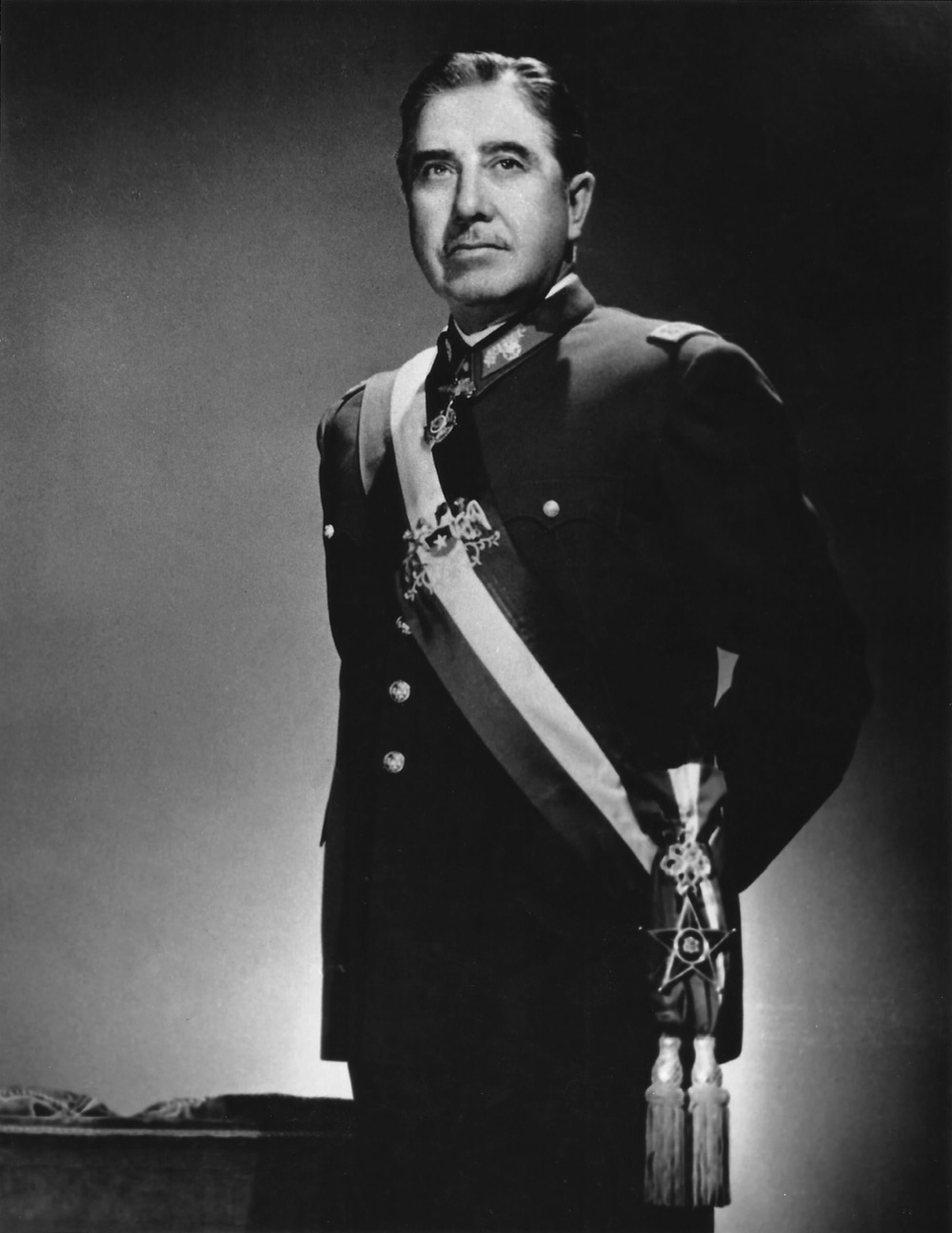
Chile — Pinochet's military regime had been in power since the September 11, 1973 coup against the elected government of Salvador Allende. DINA had been formally established June 14, 1974. Contreras was its founding and (through August 1977) only director.
Argentina — In November 1975 Argentina was still under the civilian government of Isabel Perón. The Argentine military intelligence (SIDE) signed the Condor charter in anticipation of the military coup that took place on March 24, 1976 under Jorge Videla. Argentina became Condor's operational hub from 1976; ESMA — the Escuela Superior de Mecánica de la Armada — was the principal detention facility.
Uruguay — Civilian government had been suspended in June 1973 by the joint military command. The military regime continued through 1985. Uruguay's DNII was an active Phase-1 and Phase-2 participant.
Paraguay — Under General Alfredo Stroessner since 1954 (the longest-running Latin American dictatorship of the period; Stroessner remained in power until 1989). Paraguay's Department of Investigations played a relatively modest operational role but maintained Condor's most extensive document archive — a fact that became consequential in 1992.
Bolivia — Under General Hugo Banzer Suárez 1971-1978. Bolivia's DOP participated in Phase-1 and Phase-2 operations against Bolivian exiles in the participating countries.
Brazil — Under successive military presidents since the 1964 coup (Castelo Branco, Costa e Silva, Médici, Geisel). The Brazilian SNI was the most senior of the founding intelligence services; Brazil's relative restraint within Condor (Phase-3 operations were notably less common against Brazilian exiles) reflected the Geisel administration's strategic decision to maintain greater operational discretion.
The two later additions:
Ecuador — Under General Guillermo Rodríguez Lara 1972-1976, then a military junta. Joined Condor in mid-1976.
Peru — Under General Francisco Morales Bermúdez 1975-1980. Peru's participation was technical (Condortel access) more than operational.
How DINA worked
The Chilean DINA — the operational nucleus of Condor — was a force of approximately 4,500 personnel at its peak in 1976. Contreras reported directly to Pinochet; in formal terms DINA was an instrument of the presidency rather than of the Army general staff.
DINA's principal Santiago facilities were:
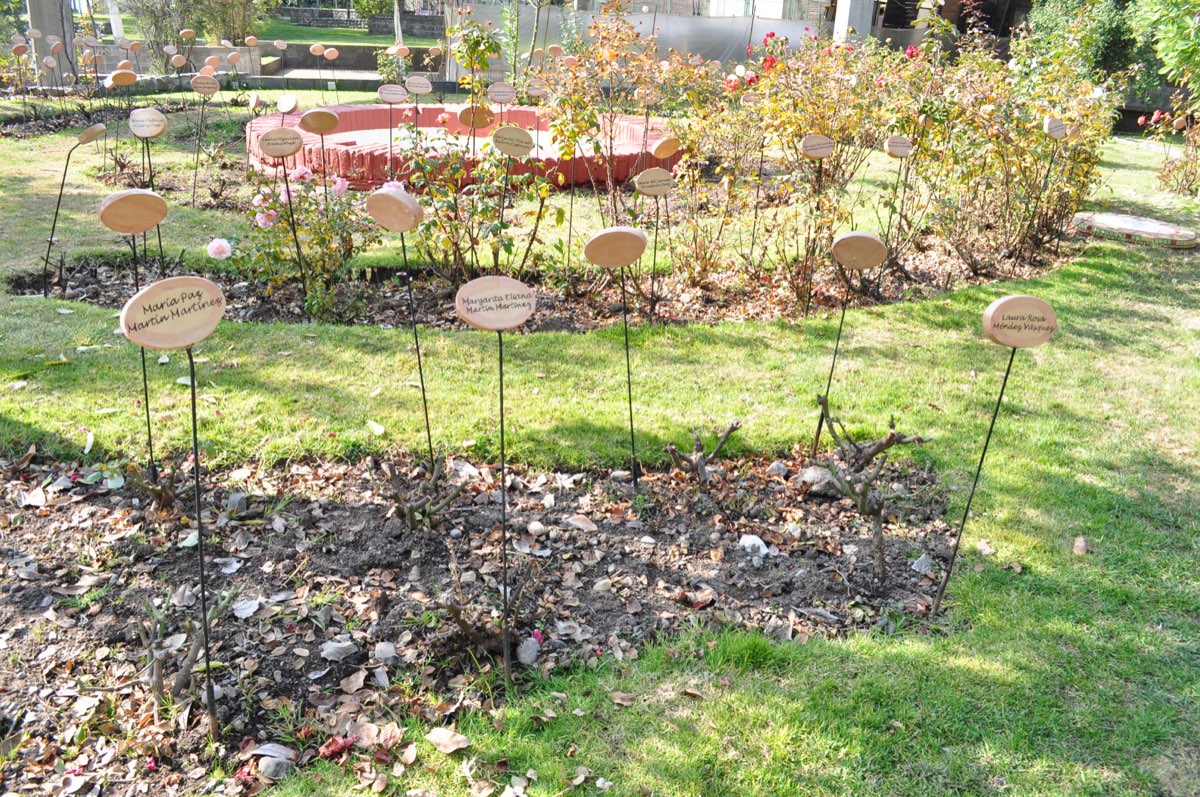
- Villa Grimaldi (Avenida Tobalaba 8401) — a confiscated private estate in the foothills of Santiago, used as DINA's principal interrogation center from 1974. Approximately 4,500 detainees passed through Villa Grimaldi between 1974 and 1977; an estimated 220 disappeared from the site.
- Cuatro Álamos — a smaller facility used as a transit and registration center.
- Londres 38 — DINA's first operational facility, in central Santiago.
DINA categorized detainees into three operational tiers:
- Category 1: targets for immediate extrajudicial execution.
- Category 2: foreign nationals — particularly Argentines, Uruguayans, and Bolivians — to be returned (through Phase-2 Condor protocols) to their countries of origin for disposition there.
- Category 3: Chilean nationals to be processed through the DINA detention system, with selective release after periods of interrogation.
The categorization system was the operational mechanism by which Condor's cross-border traffic was managed. Argentine exiles arrested in Chile, Uruguayan exiles arrested in Argentina, Chilean exiles arrested in Brazil — each was placed in Category 2 and was returned across the border by the relevant Condor liaison.
The Argentine ESMA operated on a parallel system. The Buenos Aires Naval Mechanics School — converted to a clandestine detention facility under Captain Jorge Acosta's group of Naval Task Force 3.3.2 — processed approximately 5,000 detainees between 1976 and 1983, of whom approximately 100 survived. The use of unmarked aircraft to drop drugged detainees into the Río de la Plata estuary or the South Atlantic — the so-called "death flights" — was systematized by ESMA's Naval Aviation component, with approximately 1,500 to 2,000 individuals killed in this manner.
Buenos Aires, the operational hub
After the March 1976 Argentine military coup, Buenos Aires became Condor's principal operational hub. The Argentine military regime — under Videla, then Roberto Viola, then Leopoldo Galtieri, and finally Reynaldo Bignone (1982-1983) — pursued the most operationally aggressive of the participating regimes' counter-opposition programs, the so-called Proceso de Reorganización Nacional ("National Reorganization Process") or simply the Proceso.
The Argentine SIDE — together with the Air Force's intelligence service and the Naval Task Force 3.3.2 at ESMA — operated under the formal coordination of General Carlos Suárez Mason's 1st Army Corps and the 601st Intelligence Battalion. Approximately 30,000 Argentines disappeared during 1976-1983; an additional 7,000-9,000 were political prisoners.

Phase-2 Condor traffic through Argentina included the abduction and return-for-disposition of:
- An estimated 200-300 Uruguayan opposition figures, returned to the Uruguayan military or in some cases executed in Argentina.
- An estimated 50-100 Chilean opposition figures, processed through ESMA or Campo de Mayo and returned to Chile.
- An estimated 30-50 Bolivian and Paraguayan opposition figures.
The Argentine institutional vocabulary for the disappeared — los desaparecidos — and the operational technique (denial of arrest, denial of detention, denial of disposition) became, post-1983, the principal lens through which the Condor period was internationally narrated.
Letelier, Washington D.C., September 21, 1976
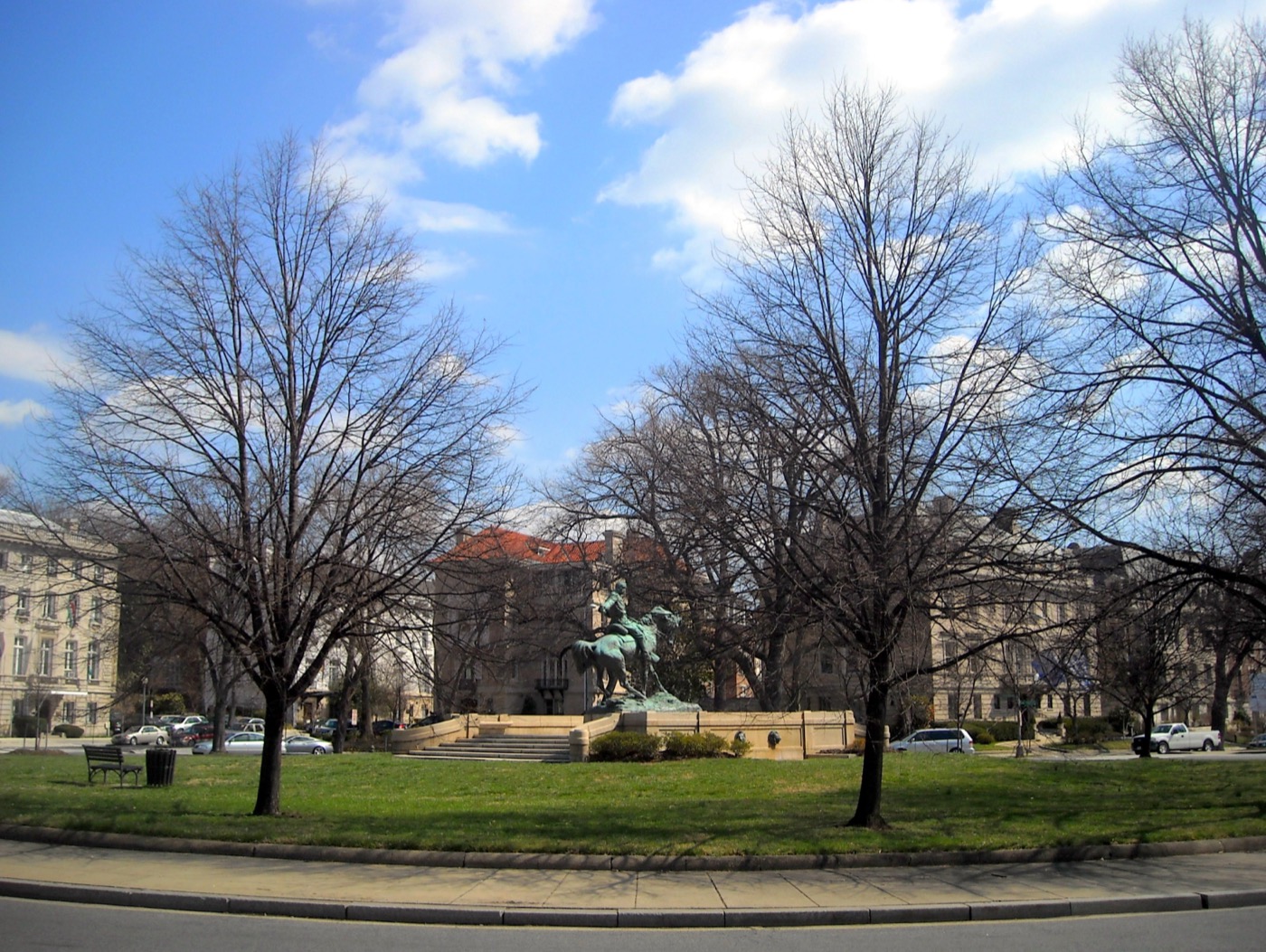
The most operationally consequential — and politically damaging — Condor Phase-3 operation was the September 21, 1976 car-bomb assassination of Orlando Letelier and Ronni Karpen Moffitt at Sheridan Circle in Washington, D.C.
Letelier, 44 years old, had been Chilean Ambassador to the United States from 1971 to 1973 and successively Minister of Foreign Affairs, Minister of Interior, and Minister of National Defense in the Allende government during 1973. He had been imprisoned at the Isla Dawson concentration camp in Magallanes from September 1973 until his September 1974 release (the result of substantial international pressure, including from the U.S. Department of State). He had been an active critic of the Pinochet regime from his exile in Washington, where he was a Senior Fellow at the Institute for Policy Studies. The Chilean regime had stripped him of his nationality on September 10, 1976.
The operation was planned by DINA's exterior-operations office (the Departamento Exterior) under Pedro Espinoza Bravo. The principal field operative was Michael Townley, an American-born DINA contractor who had previously executed the September 30, 1974 Buenos Aires car-bomb killing of General Carlos Prats. Townley recruited five anti-Castro Cuban exile collaborators in Miami — including Virgilio Paz, José Dionisio Suárez, and Guillermo Novo — through the Cuban Nationalist Movement, a U.S.-based anti-Castro Cuban exile organization.
The bomb — a directional shaped charge attached to the underside of Letelier's Chevrolet Chevelle — was detonated by remote control at 9:35 a.m. on Tuesday, September 21, 1976. Letelier was killed in the driver's seat. Ronni Moffitt, 25, an IPS development associate seated in the front passenger seat, was killed when her carotid artery was severed by shrapnel. Her husband Michael Moffitt, seated behind her, survived with relatively minor injuries.
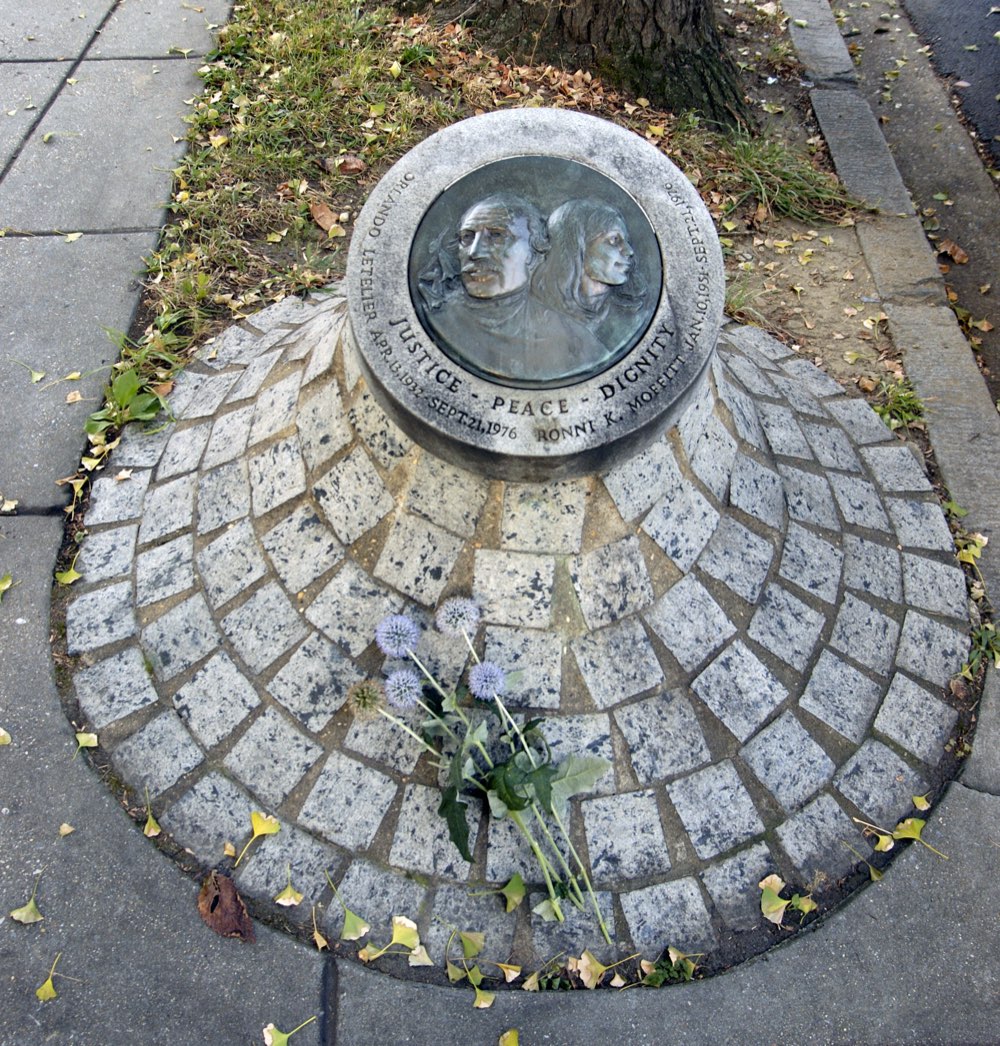
The FBI investigation — led by Special Agent in Charge Carter Cornick from the Washington Field Office — produced the operational identification of Townley within fifteen months. Townley was extradited from Chile to the United States in April 1978 and pleaded guilty on May 11, 1978. His testimony, given under a plea agreement, established the operational chain of command from Espinoza through Contreras to (per Townley's understanding) Pinochet himself.
Contreras was indicted in absentia in the United States in 1991. He was extradited from Chile to face Chilean charges in 1995 and was convicted by Chilean courts in 1995 (and again in 2008, 2010, and 2013 on separate Condor-related charges). He served until his death in August 2015.
The Archives of Terror
For sixteen years after the September 1976 Letelier assassination, Operation Condor's existence as an organized multinational program was discussed in academic and journalistic accounts but was not documentarily established at the level of operational records. The Argentine, Chilean, and Uruguayan democratic transitions produced national-level documentation of the disappearances but not of the cross-border coordination.
This changed on December 22, 1992 when Paraguayan lawyer Martín Almada — a former political prisoner himself, exiled from Paraguay 1974-1989 — and Judge José Agustín Fernández located a previously-unknown police archive at a Department of Investigations facility in Lambaré, an Asunción suburb. The find:
- Approximately 60,000 pages of operational records.
- Records of approximately 8,400 detainees of the Stroessner regime.
- Detailed correspondence among the Condor member services 1976-1983, including the founding charter, operational protocols, and tactical request-and-response files.
- Photographic, biographic, and biometric files on opposition figures across the participating countries.
The Archives of Terror were preserved by Almada and the Paraguayan judiciary; they were subsequently digitized and made accessible to international researchers. The Argentine "Mega-Causa Plan Cóndor" prosecution (2013-2016) and the Italian Court of Cassation proceedings (concluded 2019) relied substantially on the Archives of Terror as documentary evidence.
The trials
The principal Condor-era prosecutions:
- Chile (1995-2015). Manuel Contreras was convicted in Chilean courts on a sequence of Condor-related cases. Augusto Pinochet was indicted in 2004 by Judge Juan Guzmán Tapia for his role in Condor; the case was suspended on health grounds after Pinochet's December 10, 2006 death. The Chilean Supreme Court ruled in 2013 that DINA crimes were not subject to statute-of-limitations.
- Argentina (2013-2016). The "Mega-Causa Plan Cóndor" — Federal Criminal Court 1 of Buenos Aires — convicted 15 senior officers on May 27, 2016. The convicted included former President Reynaldo Bignone (sentenced to 20 years; Bignone died December 2018). The trial concluded that Operation Condor constituted a criminal conspiracy under Argentine and international law.
- Italy (2015-2019). The Italian Court of Cassation issued final convictions in absentia on July 9, 2019, of 24 South American officers — predominantly from Uruguay and Chile — for the deaths of 20 Italian or Italian-descended victims. None were extraditable.
- France (2010). A French court convicted in absentia 14 Argentine military officers for the deaths of French citizens.
- United States. No comprehensive Condor-era prosecution. Townley pleaded guilty 1978 and served a 62-month sentence. Several anti-Castro Cuban exile collaborators received longer sentences in subsequent prosecutions.
The cast
Sources
Primary documents:
- Archivos del Terror (Archives of Terror), Asunción, Paraguay. 60,000 pages located December 22, 1992; digitized and accessible via the Comisión Verdad y Justicia.
- U.S. State Department, declassified records released under the Chile Declassification Project 1999-2000 and subsequent waves 2010, 2015, 2023, 2025.
- Argentine Mega-Causa Plan Cóndor trial record, Federal Criminal Court 1, Buenos Aires, 2013-2016.
- Italian Operazione Condor trial record, Tribunale di Roma, 2015; Court of Cassation final judgment, July 9, 2019.
- FBI Letelier-Moffitt investigation case file, declassified portions 1978-2003.
- Memorando de Acuerdo, founding charter of Operation Condor, November 28, 1975 (in Archives of Terror).
- U.S. Senate Select Committee on Intelligence, Covert Action in Chile 1963-1973 (Church Committee, December 18, 1975), and Chile Declassification Project periodic reports 1999-2025.
Secondary investigative reporting: 8. John Dinges, The Condor Years: How Pinochet and His Allies Brought Terrorism to Three Continents (The New Press, 2004). 9. Peter Kornbluh, The Pinochet File: A Declassified Dossier on Atrocity and Accountability (The New Press, 2003, expanded 2013). 10. J. Patrice McSherry, Predatory States: Operation Condor and Covert War in Latin America (Rowman & Littlefield, 2005). 11. Lawrence Weschler, A Miracle, A Universe: Settling Accounts with Torturers (Pantheon, 1990). 12. The Atlantic Monthly and The Nation, multi-decade Letelier and Condor reporting 1976-present. 13. PBS Frontline, "The Disappeared" (1985). 14. Saul Landau, Assassination on Embassy Row (with John Dinges, McGraw-Hill, 1980). 15. Patricio Guzmán, La memoria obstinada (1997) and Nostalgia for the Light (2010) — documentaries. 16. Costa-Gavras, Missing (1982) — Charles Horman fictionalized. 17. Pablo Larraín, Tony Manero (2008), Post Mortem (2010), No (2012) — the Pinochet-era trilogy.
Academic / specialist scholarship: 18. Carlos Osorio (National Security Archive, George Washington University), Operation Condor: National Security Archive Briefing Book series, ongoing 2001-present. 19. Patricia Mayorga Marcos, Operation Condor: 50 Years of Investigation (Latin American Studies Association proceedings, 2015). 20. Greg Grandin, The Last Colonial Massacre: Latin America in the Cold War (University of Chicago Press, 2004; revised 2011). 21. National Security Archive, Chile Documentation Project, continuously updated digital archive, https://nsarchive.gwu.edu/. 22. Lessie Jo Frazier, Salt in the Sand: Memory, Violence, and the Nation-State in Chile, 1890 to the Present (Duke University Press, 2007).
Corrections & updates
2026-05-31: First publication.
Inspired this / based on it
John Dinges
The New Press. The definitive English-language popular account.
Peter Kornbluh
The New Press, expanded 2013. Documentary collection by the National Security Archive's Chile Documentation Project director.
BBC Storyville
Letelier-assassination documentary.
Costa-Gavras · ★ 7.7
Charles Horman fictionalized; the leading mainstream English-language treatment of the 1973 Chilean coup's American victims.
Patricio Guzmán · ★ 7.7
Atacama Desert mothers searching for disappeared relatives' bones; the principal Chilean-language documentary treatment.
J. Patrice McSherry
Rowman & Littlefield. Definitive English-language academic treatment.
Filed under
- #operation-condor
- #plan-condor
- #dina
- #manuel-contreras
- #augusto-pinochet
- #argentina
- #chile
- #uruguay
- #paraguay
- #bolivia
- #brazil
- #letelier
- #carlos-prats
- #leighton
- #martin-almada
- #archives-of-terror
- #kissinger
- #1975
- #1976
- #latin-america
- #declassified
Click any tag for every article carrying it.
Continue reading
Argentina's Dirty War
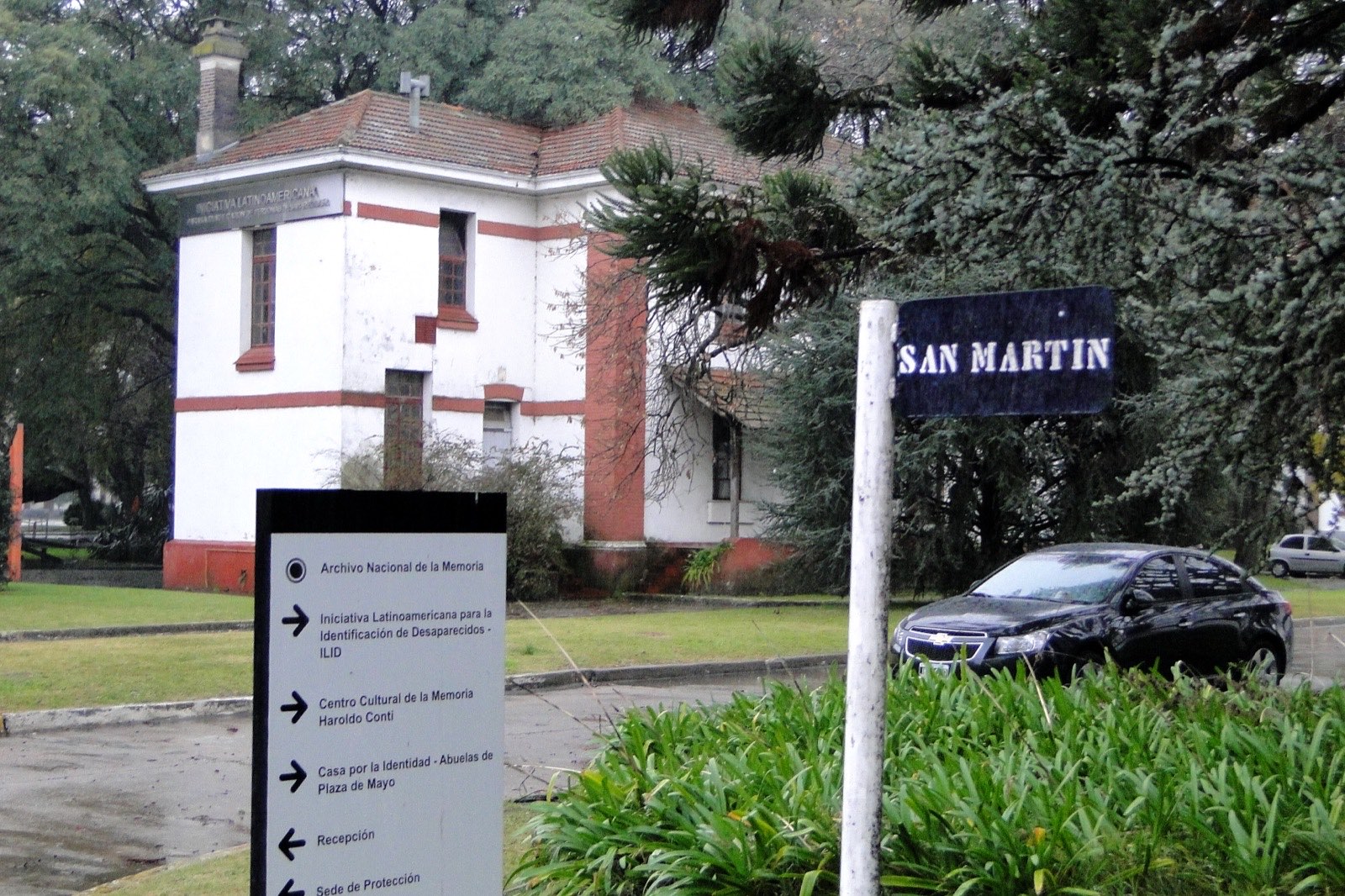
On March 24, 1976, a military junta led by General Jorge Rafael Videla seized power from President María Estela 'Isabel' Martínez de Perón in a coup that the United States had been quietly informed about in advance. Over the next seven years, the junta operated approximately 340 clandestine detention centers across Argentina. An estimated 30,000 people — students, journalists, trade unionists, priests, psychoanalysts, and the children of perceived opponents — were 'disappeared.' The single largest detention site, the Escuela de Mecánica de la Armada (ESMA), processed roughly 5,000 detainees, of whom approximately 90% were murdered. Some were drugged and dropped from naval aircraft into the Río de la Plata. Approximately 500 babies were taken from pregnant detainees and given to military families. The Madres de Plaza de Mayo — mothers and grandmothers in white headscarves — began circling the square in front of the presidential palace every Thursday from April 1977 demanding their children's return. The regime ended in December 1983 after the Falklands defeat. The Trial of the Juntas in 1985 convicted five top commanders, including Videla.
The Pinochet Coup
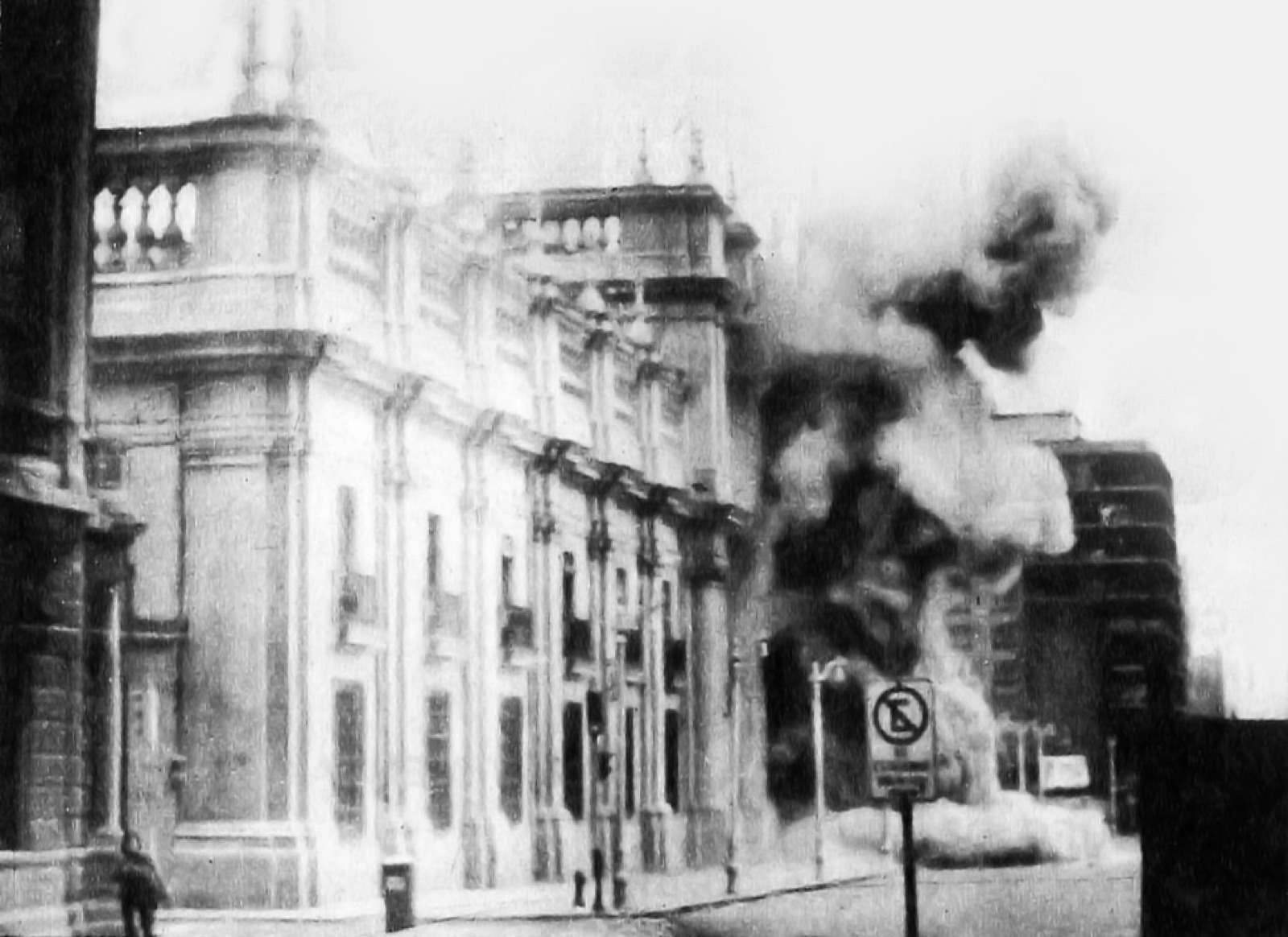
At 6:00 a.m. on September 11, 1973, the Chilean Navy seized the port city of Valparaíso. By 7:00, the army had blocked the streets of Santiago. By 8:00, all radio stations except two had been silenced. At 11:52, Hawker Hunter jets bombed La Moneda, the presidential palace, while the democratically elected socialist president, Salvador Allende, was inside. Allende was dead by approximately 2:00 p.m. — by his own pistol, a 2011 forensic re-examination confirmed, in the second-floor Salón Independencia under bombardment. The man who replaced him, General Augusto Pinochet, ruled Chile for seventeen years. Between 1973 and 1990, the Chilean state's own subsequent commissions documented 3,200 killed or disappeared and 38,254 imprisoned-and-tortured. The United States, through documents declassified in waves from 1999 through 2023, had been working to remove Allende since before he took office.
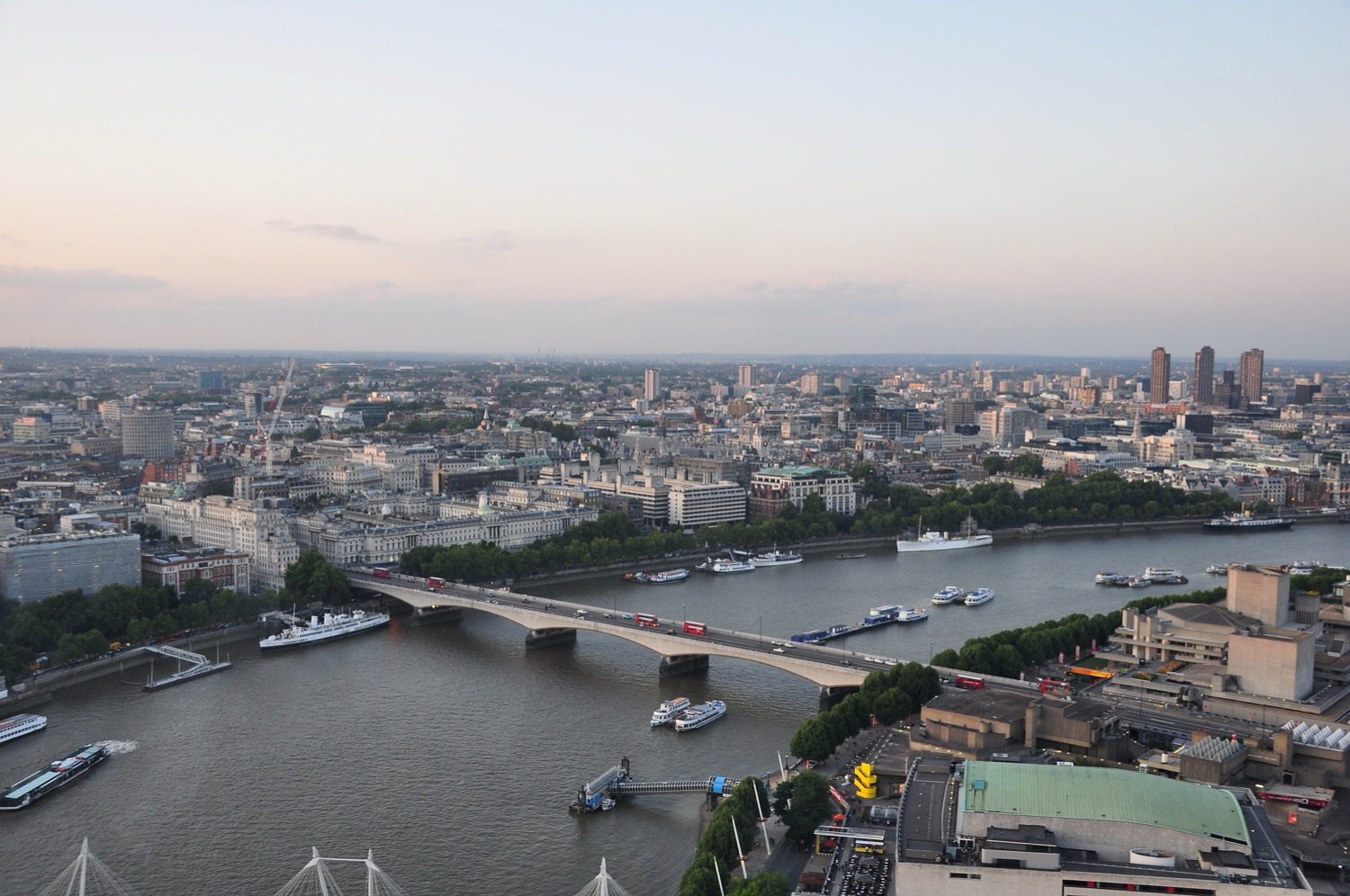
The Umbrella Murder: The Poisoning of Georgi Markov
On the afternoon of 7 September 1978, Georgi Markov, a Bulgarian émigré writer, was waiting at a bus stop on Waterloo Bridge in London, on his way to his job at the BBC World Service, when he felt a sudden sharp sting in the back of his right thigh. Turning, he saw a man behind him bending to pick up a dropped umbrella; the man apologised in a foreign accent, hurried across the road, and got into a taxi. Markov thought little of it at first, but by that evening he had developed a high fever, and over the next three days his condition collapsed catastrophically. He died on 11 September, aged forty-nine. A post-mortem examination found, embedded in his thigh, a tiny metal pellet no larger than a pinhead, drilled with minuscule cavities that had held a dose of ricin — one of the deadliest toxins known, and one for which there is no antidote. Markov had been assassinated in broad daylight on a London street, murdered for the crime of broadcasting the truth about the communist regime in his homeland. The method — a poison pellet delivered, it is believed, by a specially engineered umbrella — became one of the most infamous images of Cold War espionage, and the killing itself one of its clearest examples of a state reaching across borders to silence a dissident. This is the story of the umbrella murder.