Tag
#corporate-coverup
2 articles
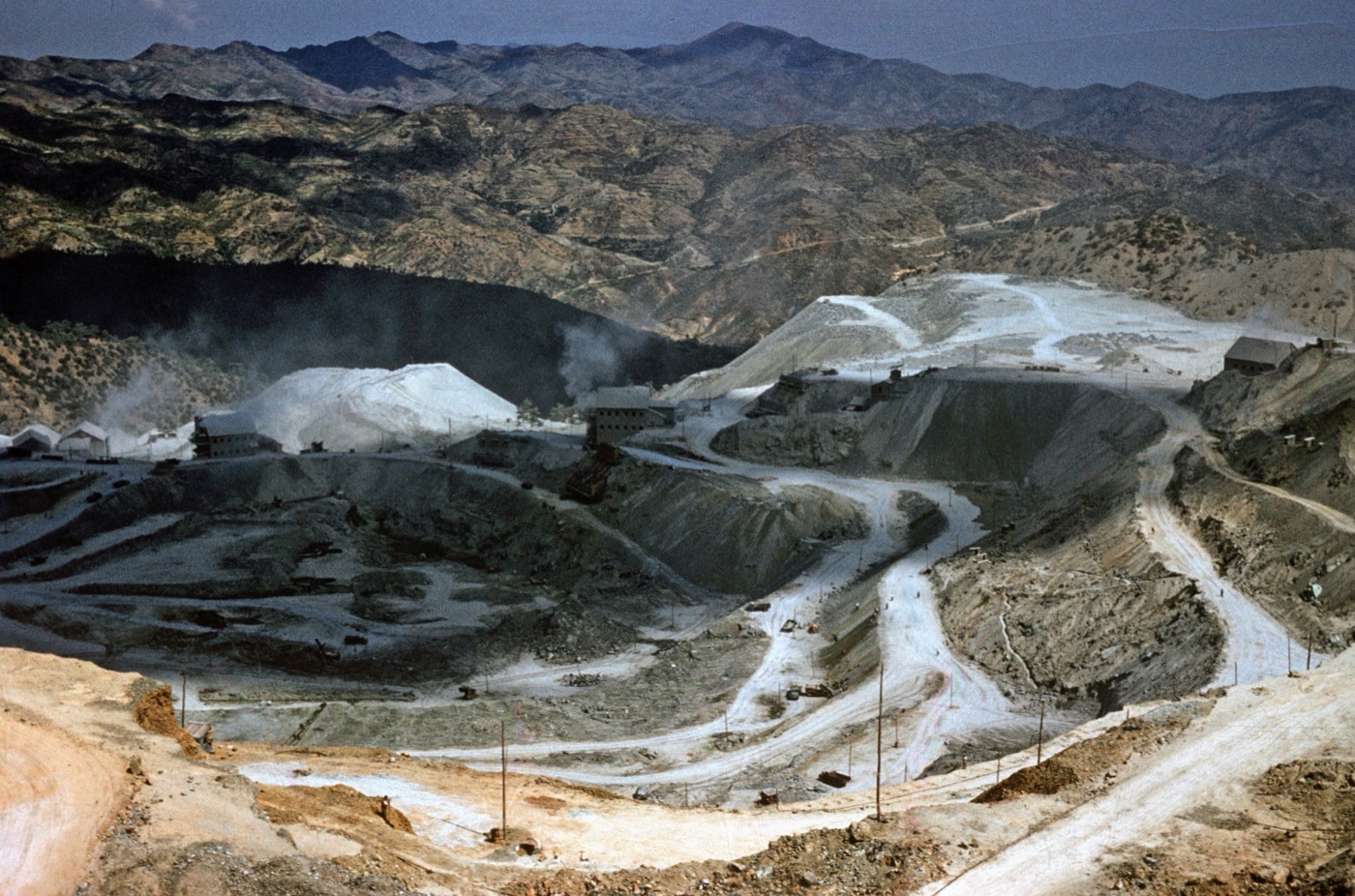
Asbestos: The Industry That Knew It Was Killing People
Asbestos was, for most of the twentieth century, one of the most useful materials on earth — a naturally occurring mineral that could be spun into fireproof cloth, packed into insulation, mixed into cement, and woven through the fabric of modern industry, prized for its resistance to heat, fire, and wear. It was called the 'magic mineral,' and it was everywhere: in the walls and ceilings of homes and schools, in the insulation of ships and power plants, in brake linings and pipe lagging and floor tiles, handled by millions of workers and surrounding billions of people. It was also lethal. Inhaled asbestos fibers lodge in the lungs and, often decades later, cause asbestosis, lung cancer, and mesothelioma — a cancer of the lining of the lungs and abdomen that is almost exclusively caused by asbestos and is almost always fatal. None of this was a sudden discovery. The dangers of asbestos were documented in medical literature as early as the 1920s and 1930s, and the major companies of the asbestos industry came to understand, through their own workers and their own research, that the material was sickening and killing people. They did not warn. Instead, as internal documents brought to light decades later in litigation would prove, leading firms concealed the evidence, suppressed unfavorable studies, kept workers ignorant of the risks they faced, and continued to sell asbestos for as long as they profitably could. The result was one of the longest and deadliest corporate cover-ups in history, a slow-motion industrial epidemic that has killed millions and is killing people still. This is the story of the industry that knew.
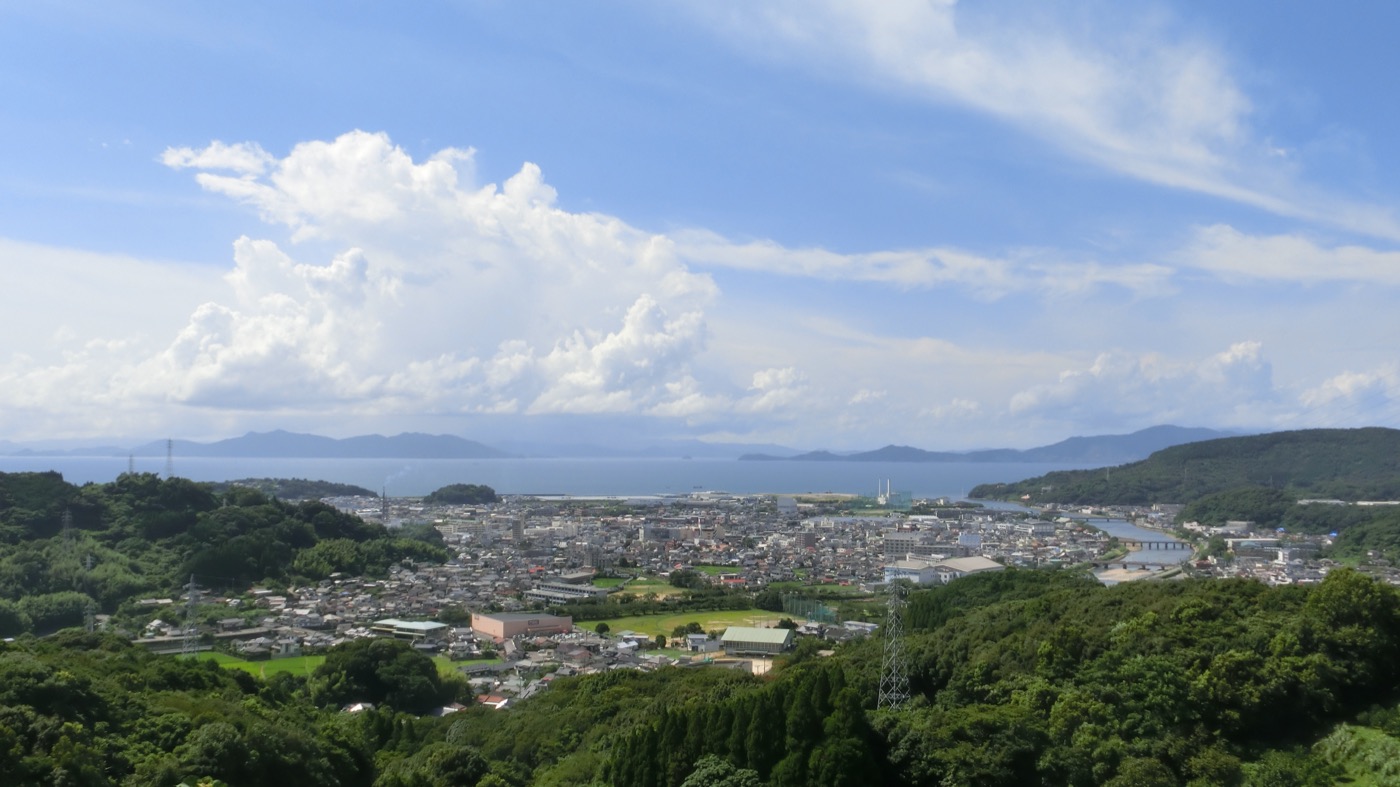
Minamata: The Mercury Poisoning a Company Hid for Years
For more than three decades, a chemical factory in the small Japanese coastal town of Minamata discharged mercury into the sea, and for years the company that owned it knew, or had every reason to know, what that mercury was doing to the people who lived there. The Chisso Corporation made acetaldehyde using a process that produced methylmercury as a by-product, and from the 1930s it released that poison, in its untreated wastewater, into Minamata Bay and the surrounding Shiranui Sea. The mercury accumulated in the fish and shellfish that were the daily food of the local fishing families, and it destroyed their nervous systems. By the 1950s the town was witnessing terrible scenes: cats convulsing and hurling themselves into the sea, birds dropping from the sky, and then people — fishermen and their wives and their children — struck down by a mysterious illness that robbed them of control over their bodies, their senses, and sometimes their lives. Children were born already poisoned, having absorbed the mercury in the womb. When researchers traced the cause to the Chisso factory's effluent, the company disputed the science, funded doubt, and kept discharging mercury for years more. Most damning of all, Chisso's own company doctor had proved, in a quiet experiment with cats, that the factory's wastewater caused the disease — and the company suppressed his findings and ordered him to stop. The poisoning continued until 1968. The victims would spend decades fighting for recognition, compensation, and the simple acknowledgement of what had been done to them. This is the story of Minamata disease, one of the defining environmental catastrophes of the twentieth century, and of the long concealment at its heart.
2 files · end of the line