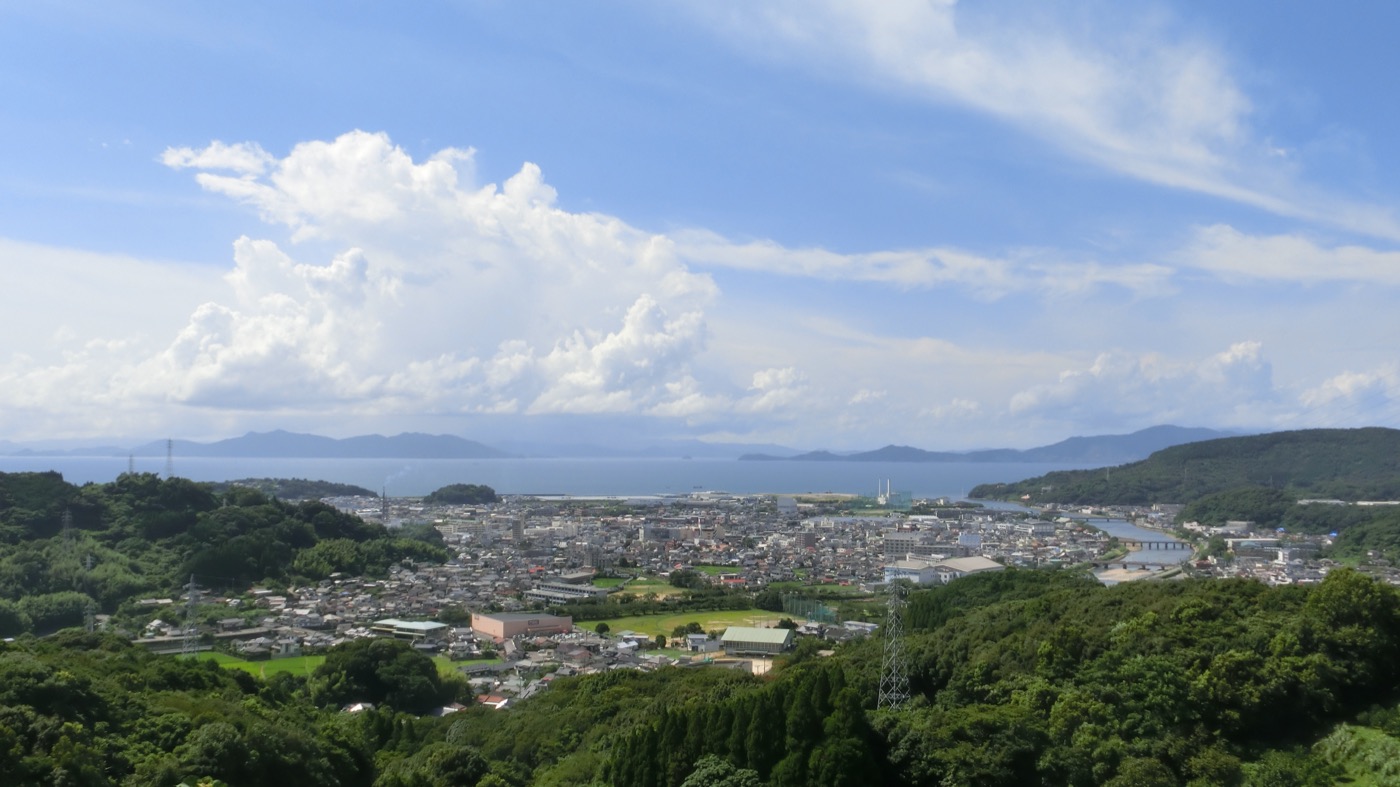
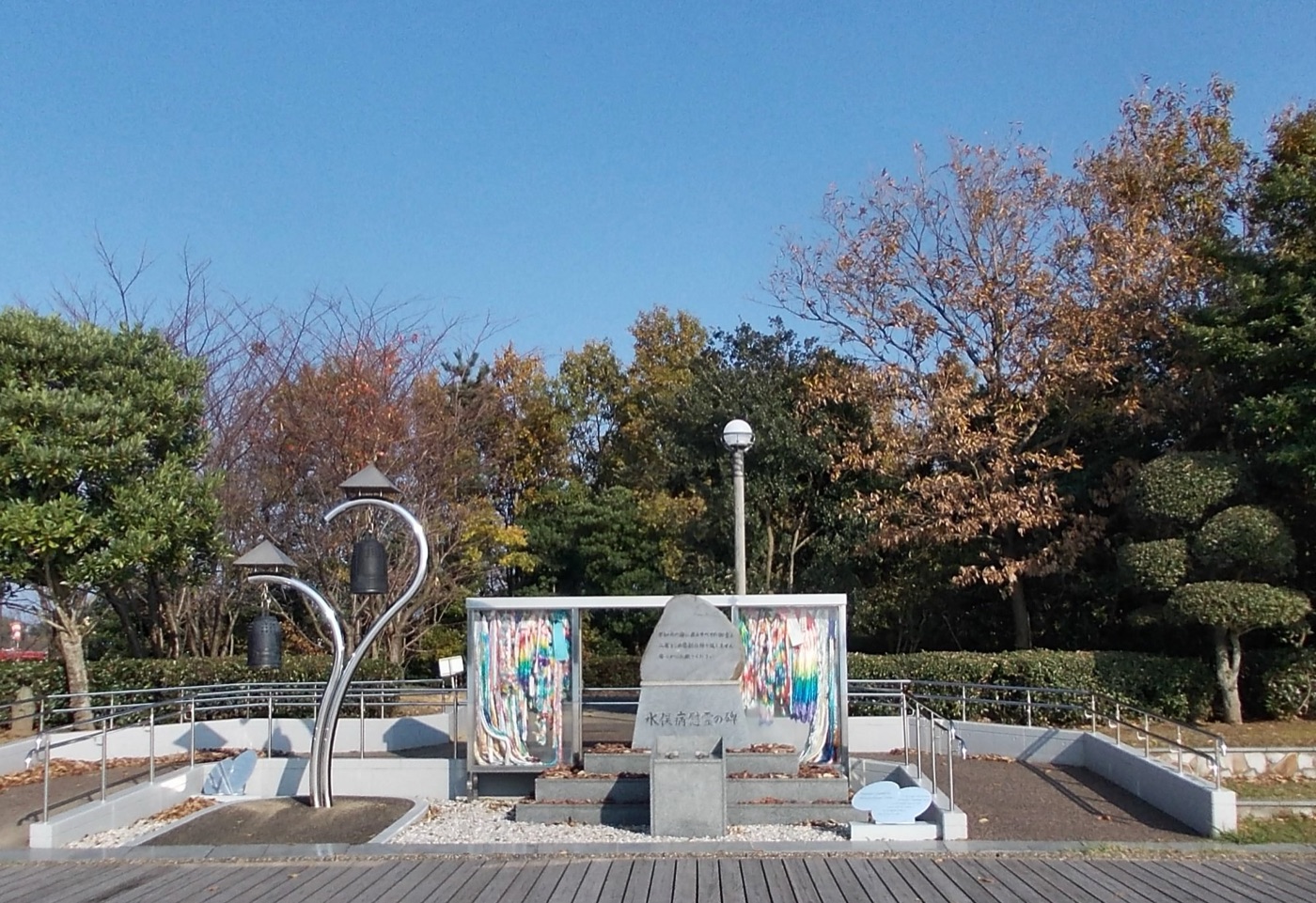
Minamata, on the Shiranui Sea in southern Japan. For decades the Chisso factory here discharged methylmercury into these waters, poisoning the fish and the fishing families who ate them — and the company concealed what it knew. Wikimedia Commons / Sanjo, CC BY-SA 4.0.
Minamata: The Mercury Poisoning a Company Hid for Years
Japan, 1932–1968 — A chemical company poured methylmercury into the sea for decades, poisoning the fish and the people who ate them. Its own doctor proved the factory was the cause — and the company buried the evidence and kept polluting
- Category
- Corporate Cover-ups
- Published
- Length
- 3,700 words · 20 min read
- Author
- The editors
Minamata is one of the most important and most painful case studies in the history of industrial pollution, and its power lies in a single, damning fact: the harm was not an accident discovered too late, but a poisoning that the responsible company had the means to understand and stop, and chose instead to deny and conceal while it continued. The disease that bears the town's name was caused by a known process, traced to a known source, proven by the company's own doctor — and still it was allowed to go on, year after year, while the people of a fishing community paid the price in their bodies and their children's bodies. Minamata is remembered not only as an environmental tragedy but as a moral one, a paradigm of what happens when a corporation's interest in denial is allowed to outweigh the health of the people it harms.
This is the story of the poisoning of Minamata.
The company and the sea
The Chisso Corporation was, for the town of Minamata, both benefactor and destroyer. Founded in the early twentieth century, the company built a chemical plant in the then-poor fishing and farming town and became its economic heart — its largest employer, a major taxpayer, a power so dominant that Minamata was, in effect, a company town, dependent on Chisso for its prosperity and deferential to its interests. This dependence would prove crucial to the long concealment that followed: a town that owes its livelihood to a single company is a town reluctant to accuse it, and slow to be believed when some of its people do.
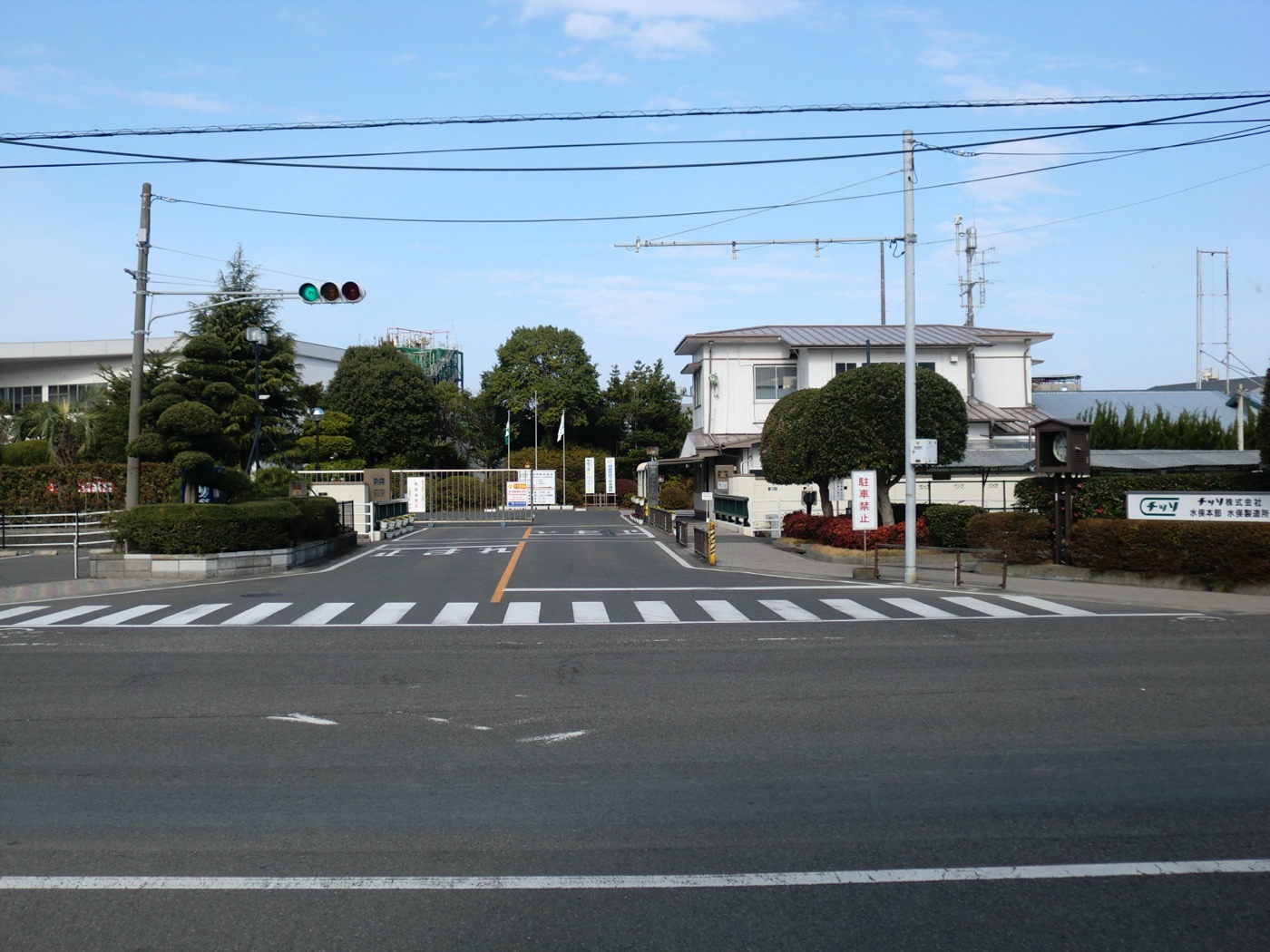
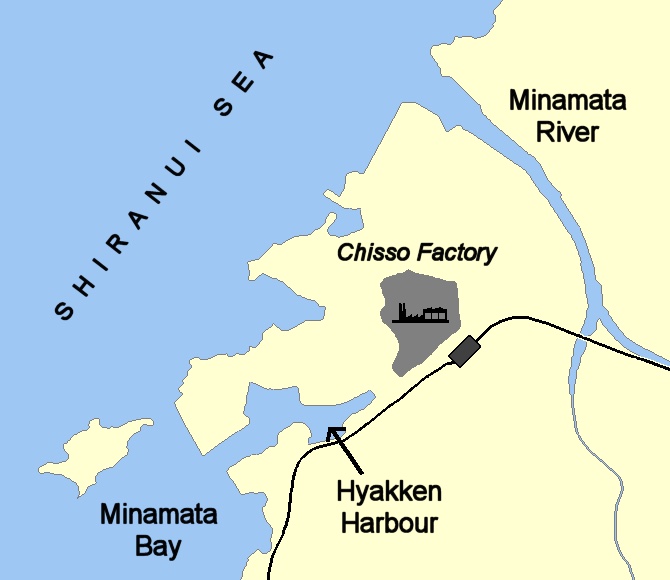
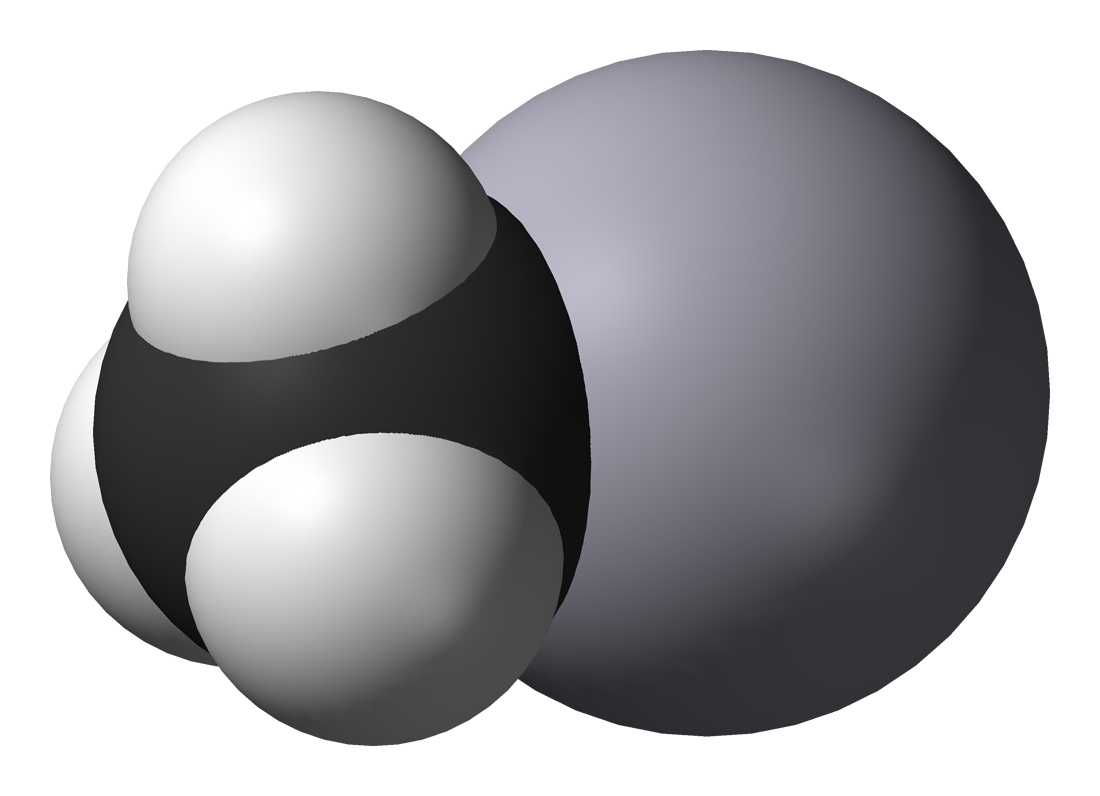
The poison came from the plant's production of acetaldehyde, an industrial chemical, which used mercury as a catalyst. The process generated methylmercury — an organic mercury compound that is especially toxic to the nervous system and especially able to accumulate in living tissue — and this was carried out of the factory in its wastewater and released, untreated, into Minamata Bay. The discharge had begun in 1932 and would continue, in various forms, for decades. Into the rich coastal waters that the people of Minamata fished for their food, the factory was pouring one of the most potent neurotoxins known.
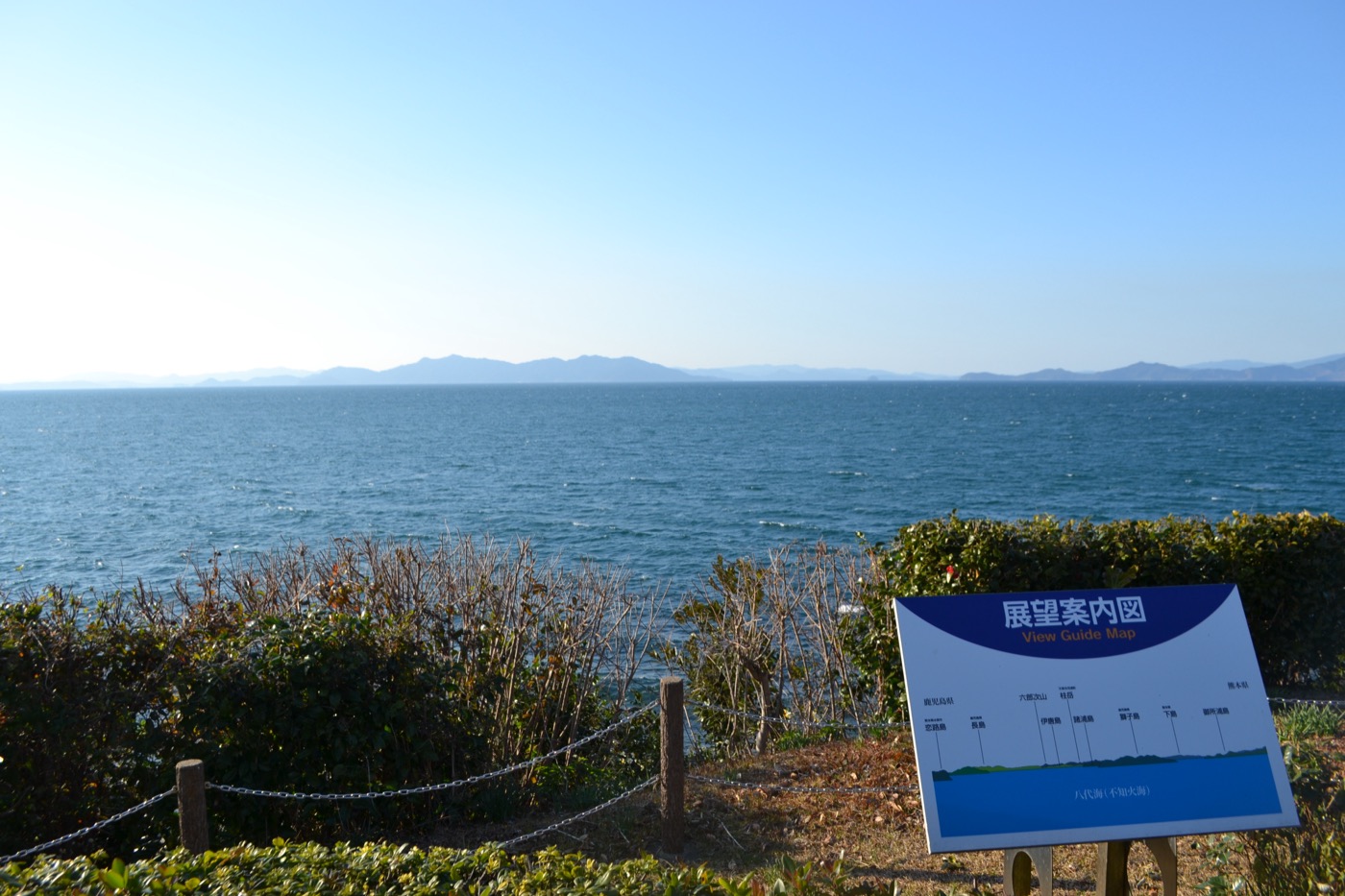
The mechanism by which the poison reached the people was the very thing that made it so insidious. Methylmercury does not simply disperse harmlessly in seawater; it is taken up by small organisms, concentrated in the creatures that eat them, and concentrated again in the fish higher up the chain — a process called bioaccumulation, so that the mercury in a single fish could be many thousands of times more concentrated than in the water around it. The fishing families of Minamata, who ate fish and shellfish daily and in quantity, were therefore exposed to doses far higher than the raw pollution levels would suggest. The poison travelled, invisibly, along the most basic and trusted feature of their lives: the food they drew from their own sea.
The strange signs
The first warnings were not human but animal, and they were unmistakable to anyone paying attention. From the late 1940s and into the 1950s, the cats of Minamata — which ate scraps of fish and so took in the mercury in concentrated form — began to behave bizarrely, convulsing, staggering, and in some cases flinging themselves into the sea, a phenomenon the townspeople called "cat dancing disease." Crows and seabirds fell from the sky; fish floated dead in the bay; seaweed withered. The local ecosystem was visibly sickening, and the animals, eating the same poisoned seafood as the people but in greater concentration relative to their size, were the first to show what was coming.
Then the people began to fall ill. They suffered numbness in their hands and feet, clumsiness and difficulty walking, slurred speech, narrowing of their field of vision, and damage to their hearing. In severe cases the illness progressed to violent convulsions, paralysis, madness, coma, and death. The victims were concentrated among the fishing families who ate the most local seafood, and the disease struck whole households. Most heartbreaking of all were the children born with congenital Minamata disease — babies whose mothers had eaten the contaminated fish during pregnancy and who absorbed the mercury in the womb, and who were born with severe physical and neurological disabilities, having been poisoned before they ever drew breath.
To their physical suffering was added the cruelty of stigma. In the early years, before the cause was understood, the disease was widely and wrongly feared as contagious, and the afflicted families found themselves shunned by their neighbours — avoided, refused marriage, treated as carriers of a mysterious plague. In a company town dependent on Chisso, victims who spoke out risked being blamed for threatening the livelihood of the whole community, and many suffered in silence rather than face ostracism. The poisoning thus inflicted a double wound: the destruction of the body by mercury, and the isolation of the victim by a society reluctant to understand or acknowledge what was happening. That the people of Minamata eventually overcame this stigma to organise and demand justice is part of what makes their story not only a tragedy but, in the end, an account of remarkable courage.
The discovery
In 1956, the crisis broke into official view. A doctor at the Chisso factory's own hospital reported to the local public health office the appearance of an epidemic of a severe, unknown disease of the central nervous system. The report set in motion an investigation, and researchers — above all a team from the medical school at Kumamoto University — began to study the mysterious illness. They quickly established that it was not infectious but a form of poisoning, caused by eating fish and shellfish from Minamata Bay, and they set about identifying the specific toxin responsible.
By 1959, the Kumamoto University researchers had reached their conclusion: the cause was organic mercury — methylmercury — and the source was the wastewater from the Chisso factory. The chain was complete and the science was sound. The factory's effluent carried methylmercury into the bay; the mercury concentrated up the food chain into the fish and shellfish; and the people who ate them were poisoned. It should have been the end of the matter, the moment when the discharge stopped and the harm was addressed. Instead it was the beginning of a long and deliberate concealment.
The concealment
Chisso's response to the Kumamoto findings was not to accept them but to resist them. The company disputed the mercury theory, promoted alternative explanations for the disease, and worked to cast doubt on the research, while continuing to discharge its mercury-laden wastewater into the sea. For a company whose acetaldehyde production was highly profitable, the implications of accepting responsibility — halting the process, paying for the harm, admitting liability — were enormous, and Chisso chose denial and delay instead.
The most damning episode of the entire affair took place inside Chisso itself. The company's own physician, Dr. Hajime Hosokawa — the same doctor who had first reported the epidemic — conducted his own experiments to test whether the factory was the source. In 1959 he fed factory wastewater to cats, and one of them, the cat that became known by its experiment number, developed the unmistakable symptoms of Minamata disease. Here was direct, internal, experimental proof that Chisso's own effluent caused the illness. But the company suppressed Hosokawa's findings and ordered him to halt his experiments. The proof was buried, and the discharge continued.
The fate of Hosokawa's conscience is itself part of the story. The doctor obeyed the company's order to stop and kept silent for years, even as the poisoning continued and the victims fought to be believed. But the suppressed truth weighed on him, and in 1970, gravely ill and near the end of his life, he gave a deposition from his hospital bed attesting to what his experiments had shown — that the factory's wastewater caused Minamata disease. His deathbed testimony became important evidence in the victims' case against Chisso. Hosokawa is a figure of genuine moral complexity: a company man who had helped bury the proof, and who at the last insisted on telling the truth he had been made to conceal. His story captures the whole tragedy in miniature — the knowledge that existed all along, suppressed by institutional pressure, surfacing too late to spare the victims their suffering.
To manage the growing public concern, Chisso engaged in further deception. In 1959 it installed a wastewater treatment system, the "Cyclator," and presented it publicly as a solution to the contamination — even staging a ceremony at which a company executive drank water to demonstrate its safety. But the system was not designed to remove mercury and did nothing to stop the poisoning; it was, in effect, a public-relations device. The mercury continued to flow. That same year, victims who had organised to seek redress were pressed into a deeply unfair "sympathy money" agreement, under which Chisso paid them small sums while denying responsibility and requiring them to renounce any future claims should the company later be proven at fault. People who had been poisoned were thus induced, in their poverty and desperation, to sign away their rights for a pittance.
The long fight for justice
The discharge of mercury finally ended in 1968, when Chisso shut down the acetaldehyde process — largely because the technology had become economically obsolete — and in that same year the Japanese government at last officially acknowledged that Minamata disease was caused by the company's methylmercury. By then the poisoning had gone on for more than three decades. But official acknowledgement was not justice, and the victims now entered a long struggle for recognition and redress against a company and a system that had spent years denying their suffering.
The patients' movement that emerged in the late 1960s and 1970s refused the old deference. Victims and their supporters organised, protested, and confronted Chisso directly, demanding proper compensation and an admission of responsibility. In 1969 a group of victims took the company to court, and in 1973 the court delivered a decisive verdict: Chisso had been negligent, had failed to prevent the contamination, and was liable for the harm. The ruling was a landmark, vindicating the victims after years of denial and establishing the company's legal responsibility. The struggle over compensation and over who would be officially certified as a patient — a status the authorities defined narrowly, excluding many of the afflicted — would nonetheless continue for decades, in waves of litigation and political settlement that extended into the twenty-first century.
The concealment had not been Chisso's alone. The national and local authorities, anxious to protect a pillar of Japan's postwar industrial growth and slow to confront a powerful company, had for years declined to act decisively on the mounting evidence — failing to halt the discharge, hesitating to declare the cause, and leaving the victims to struggle against both the company and official inertia. This institutional reluctance was part of what allowed the poisoning to continue so long, and it foreshadowed a pattern that would recur in the other great pollution cases of the era. Minamata was not unique: in 1965 a strikingly similar outbreak of methylmercury poisoning appeared at Niigata, in northern Japan, caused by another company's factory discharging mercury into a river — a second "Minamata disease" that confirmed the first was no isolated accident but a product of an industrial system that put production ahead of the people downstream.
The victims' cause drew witnesses from beyond Japan. The American photojournalist W. Eugene Smith and his wife Aileen lived in Minamata in the early 1970s and documented the disease and the patients' movement in a body of work that brought the tragedy to international attention; Smith was beaten by men associated with the company in 1972, an assault that injured him seriously. Through such testimony, Minamata became known around the world, not merely as a local misfortune but as a symbol of the human cost of unchecked industrial pollution and corporate denial.
The meaning of Minamata
In the end, Minamata stands as one of the gravest and most instructive environmental catastrophes of the modern age — a poisoning that need never have lasted as long as it did. A company poured mercury into the sea for thirty-six years, learned beyond doubt that it was destroying the health of an entire community, and chose to bury that knowledge rather than act on it, while fishermen and their children were robbed of their bodies and their futures. The truth emerged anyway, as it tends to, through the patient work of researchers, the courage of a doctor who would not finally stay silent, and the refusal of the victims to be ignored. But it emerged too late for too many, and the long delay was not an accident of ignorance but a product of denial. That is the warning Minamata leaves to every age: that the most dangerous pollution is the kind whose source has every reason to deny it, and that protecting people from such harm requires the one thing Chisso was never willing to provide — the truth, told in time.
Inspired this / based on it
W. Eugene Smith & Aileen Mioko Smith
Holt, Rinehart and Winston. The photojournalists’ landmark documentation of the disease and the victims’ struggle.
Andrew Levitas
Dramatization of W. Eugene Smith’s work in Minamata, starring Johnny Depp.
Noriaki Tsuchimoto
A landmark documentary on the disease and the patients’ movement.
Filed under
- #minamata
- #chisso
- #mercury-poisoning
- #methylmercury
- #industrial-pollution
- #japan
- #corporate-coverup
- #environmental-disaster
- #1950s
- #confirmed
Click any tag for every article carrying it.
Continue reading
Love Canal: The Neighborhood Built on a Toxic Dump
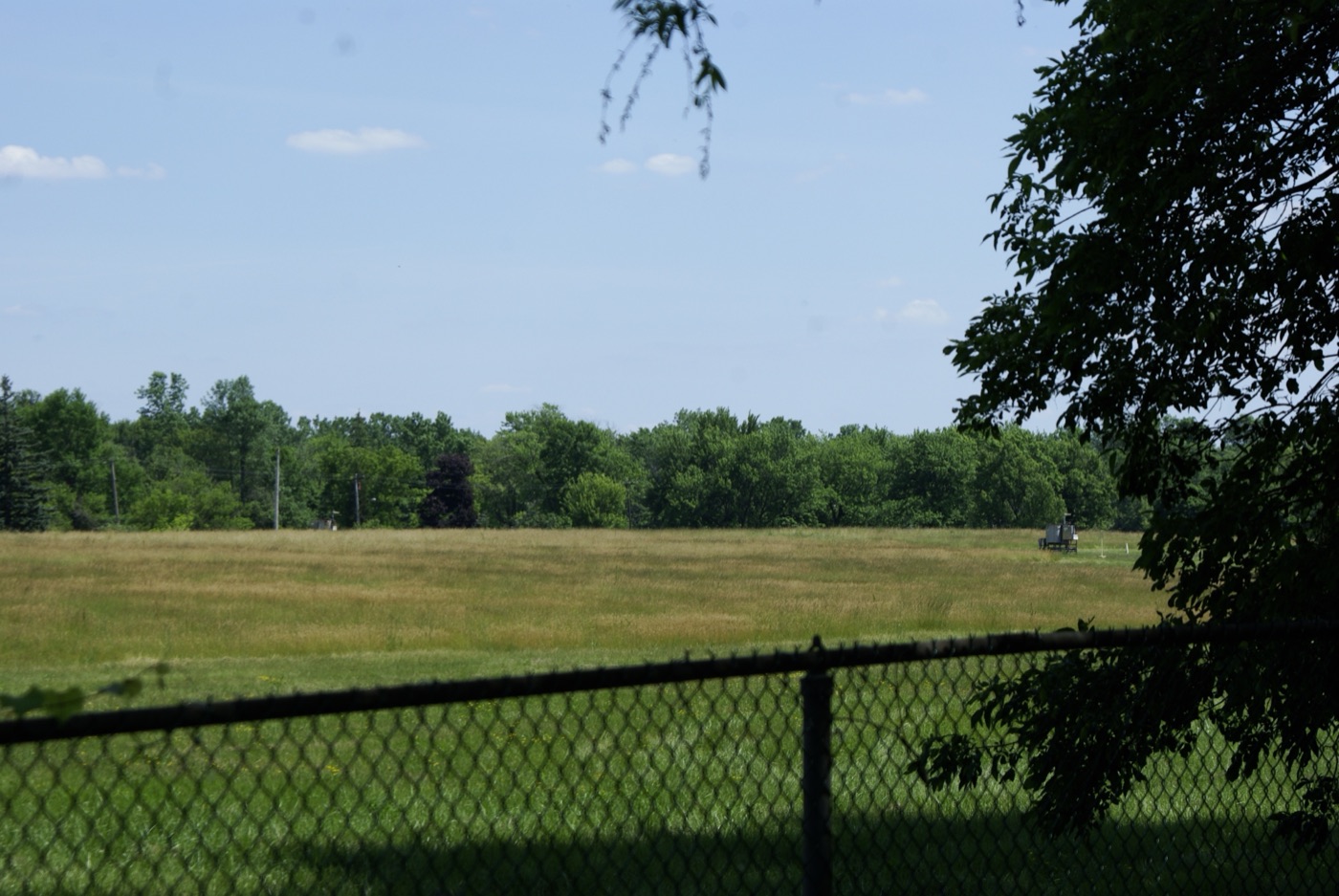
Love Canal was an ordinary working-class neighborhood in Niagara Falls, New York — streets of modest homes, an elementary school, families raising children. It was also built directly on top of one of the worst chemical waste dumps in American history. Beneath the lawns and the playground lay some 21,000 tons of toxic chemical waste — pesticides, solvents, dioxins, and dozens of other hazardous compounds — that the Hooker Chemical Company had buried in an abandoned canal through the 1940s and early 1950s. When the dump was full, Hooker capped it, and in 1953 sold the land to the local Board of Education for a single dollar, including in the deed a warning about the buried chemicals and a clause disclaiming all liability for what might happen. The school board built an elementary school on the site anyway, and homes rose all around it. For two decades the buried chemicals were largely out of sight. Then, in the 1970s, after years of construction had breached the clay cap and unusually wet weather raised the water table, the poison began to come back up — oozing into basements, surfacing in yards, pooling on the school playground, burning children's skin, and killing gardens. Residents who had noticed for years the strange odors and the unexplained illnesses — the miscarriages, the birth defects, the cancers — finally began to connect them to the ground beneath their feet. Led by a young mother named Lois Gibbs, the residents organized and fought, and in 1978 their crisis forced a presidential emergency declaration, the evacuation of hundreds of families, and the creation of the law that still governs the cleanup of toxic sites across America. This is the story of the neighborhood built on a poison, and the people who refused to be ignored.
DuPont and PFOA
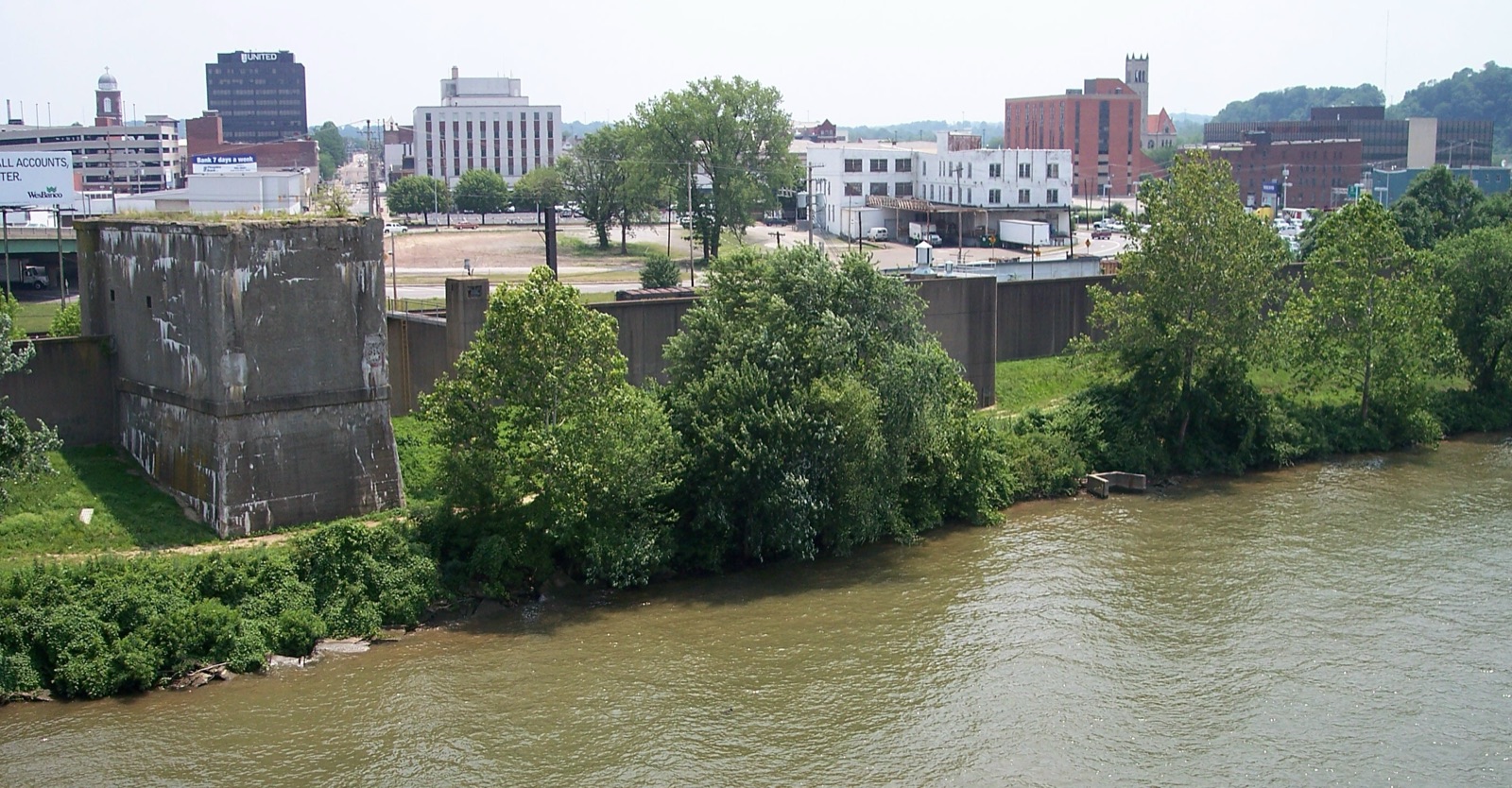
In October 1998, a West Virginia cattle farmer named Wilbur Tennant called a Cincinnati lawyer named Robert Bilott about 153 dead cows. The cows had been drinking from Dry Run Creek, three miles downstream from the DuPont Washington Works chemical plant. Tennant's home video showed cattle with bloody mouths, gum cancer, and stumbling gaits before they died. Bilott — a corporate-defense attorney at Taft Stettinius & Hollister who had spent his career representing chemical companies — agreed to look at the file as a personal favor to his grandmother, who knew the Tennant family. The look became a twenty-year case. By the time Bilott was finished, he had uncovered: that DuPont had been releasing perfluorooctanoic acid (PFOA, code-named 'C8') into the Ohio River and into landfills for over forty years; that DuPont had known PFOA was toxic since at least 1961; that the company's own animal studies in 1981 had shown birth defects in offspring of exposed female workers; and that approximately 99% of the U.S. population, by 2007, had detectable levels of PFOA in their blood. The 2005 EPA fine ($16.5 million) was the largest in U.S. environmental enforcement history at the time. The 2017 multi-district settlement was $670.7 million. The C8 Science Panel — established as part of an earlier 2005 class-action settlement — confirmed by 2012 that PFOA is causally linked to six diseases including kidney and testicular cancer. PFOA was phased out of U.S. production by 2015. Its environmental persistence — half-life in human blood is approximately 3.8 years — means that, by 2025, every American adult has some PFOA exposure dating from the production era. The chemical that made non-stick cookware possible is, in this sense, still with us.
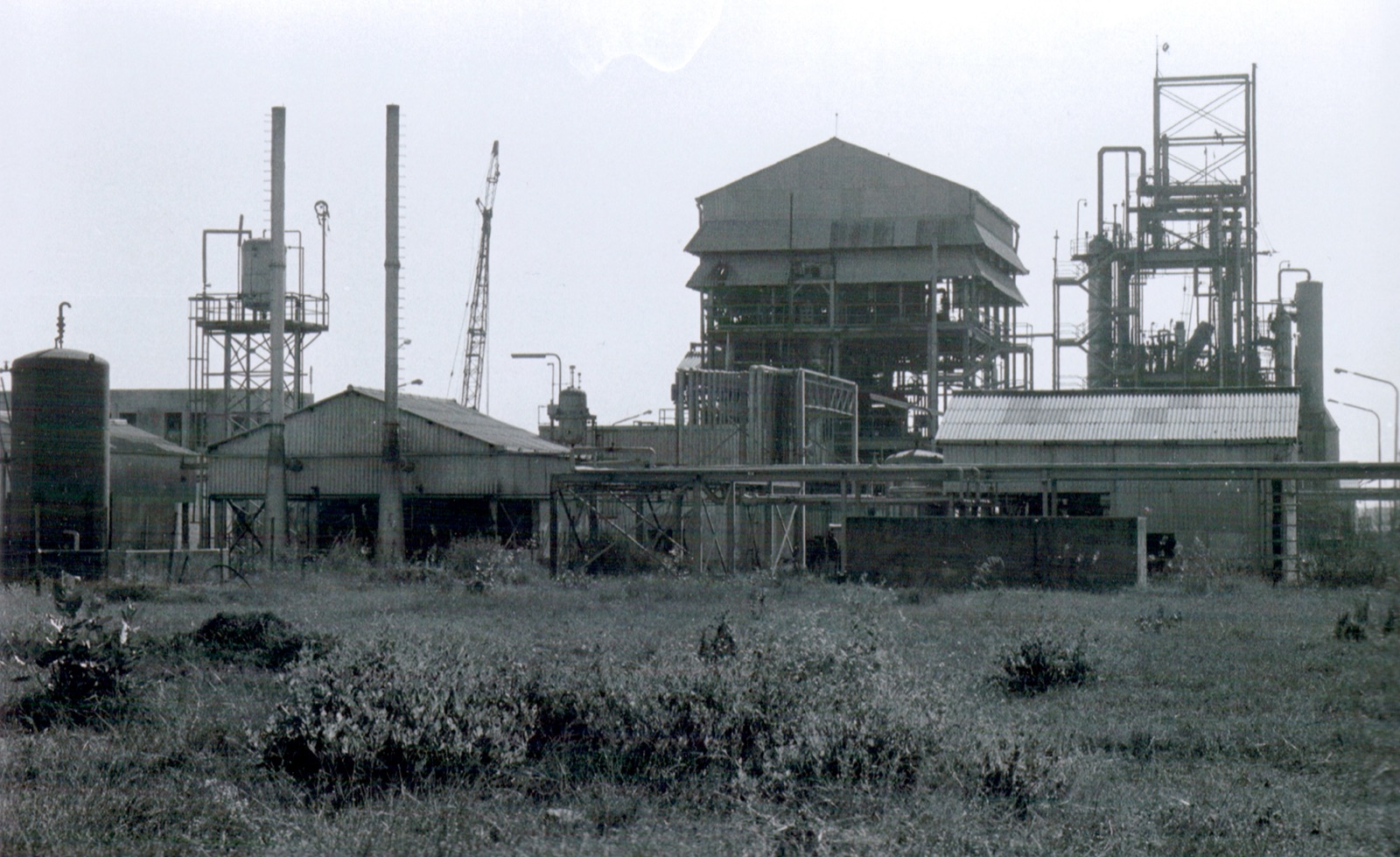
Bhopal
At approximately 11:30 p.m. on Sunday, December 2, 1984, water entered Tank 610 at the Union Carbide India Limited (UCIL) pesticide plant in Bhopal, Madhya Pradesh. The tank contained 42 tonnes of liquefied methyl isocyanate, an intermediate chemical used in the production of the pesticide Sevin. The water-MIC reaction was exothermic. The tank's pressure rose, then its temperature, then both ran away. The refrigeration system that should have kept the tank below 5°C had been disabled to save electricity. The vent gas scrubber that should have neutralized any escaping MIC was offline for maintenance. The flare tower that should have burned residual gas was disconnected. At approximately 12:30 a.m. on December 3, the tank's emergency relief valve opened and approximately 30 tonnes of methyl isocyanate vapor was released into the air above central Bhopal. The wind carried it south-east, across the slum districts of Jaiprakash Nagar, Kazi Camp, and Chola. By dawn, between 3,800 and 8,000 people were dead. The Indian government's final official count was eventually placed at 3,787 directly killed in the first 72 hours and a further ~15,000-25,000 over the following decades from exposure-attributable illness. Approximately 558,125 people received compensation as gas-exposure victims under the 1989 settlement. It remains the worst industrial disaster in history.