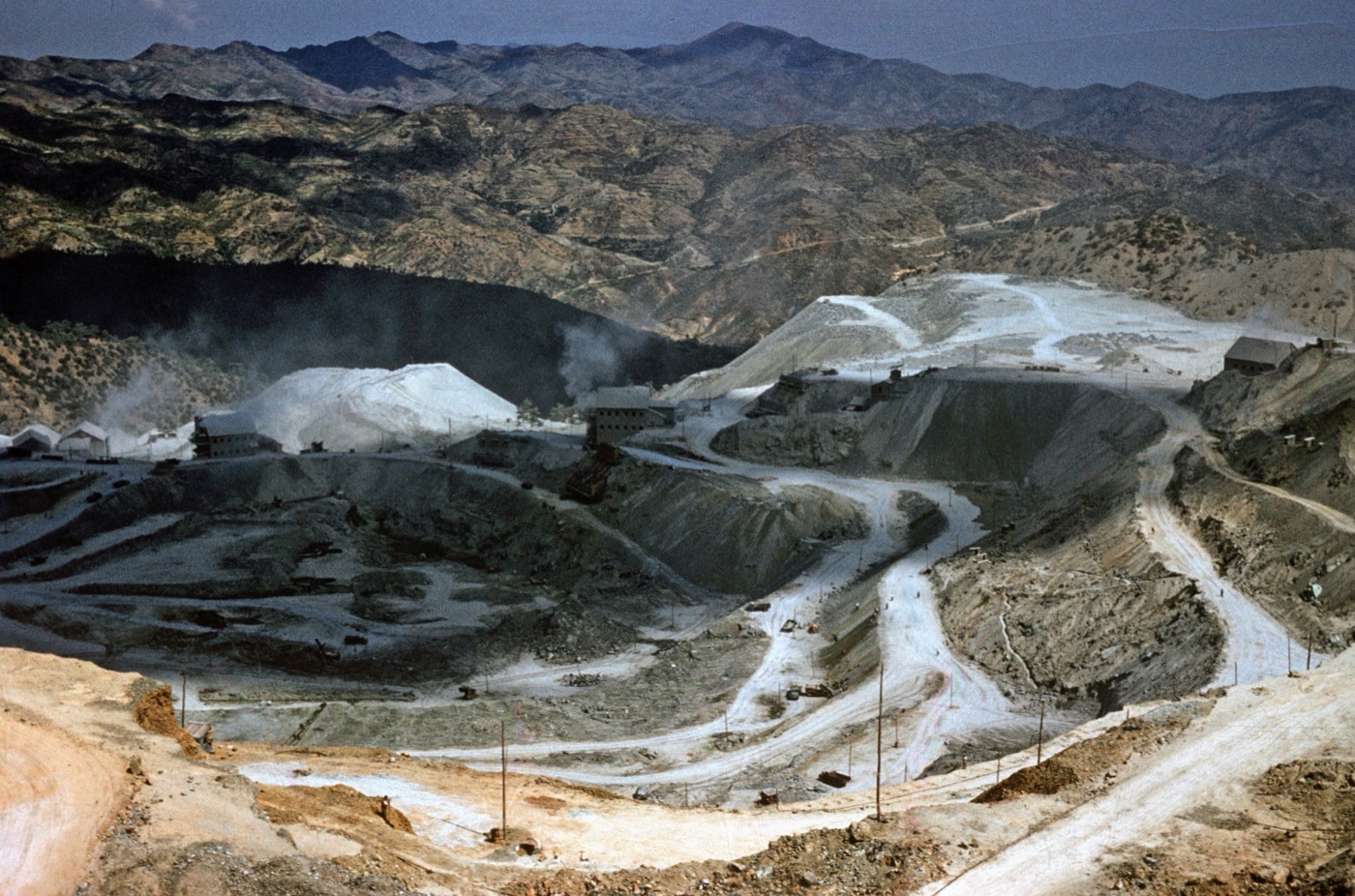
An open-pit asbestos mine at Amiandos, Cyprus, in 1957. For most of the twentieth century the 'magic mineral' was extracted on a vast scale and woven through modern industry — even as the companies that sold it understood it was lethal. Wikimedia Commons / Don Christie, CC BY-SA 4.0.
Asbestos: The Industry That Knew It Was Killing People
Global, 1920s–present — For most of the twentieth century, the asbestos industry sold a 'magic mineral' it knew caused fatal disease. Internal documents later proved the companies had concealed the danger for decades while millions were exposed
- Category
- Corporate Cover-ups
- Published
- Length
- 3,550 words · 20 min read
- Author
- The editors
The asbestos story is the archetype of the industrial cover-up, and it is told here not as a single disaster but as a century-long pattern — because that is what makes it so damning. Unlike a sudden explosion or a poison cloud, the asbestos catastrophe unfolded slowly, across decades, in the lungs of millions of people, while the industry that caused it knew what was happening and chose concealment over warning. The evidence of that choice is not a matter of inference or suspicion; it sits in the companies' own internal documents, dragged into the light by litigation, in which executives discussed the deaths of their workers and agreed to keep the danger quiet. Asbestos is the case that proves, in black and white, that an industry can know it is killing people and decide that the profits are worth more than the warning.
This is the story of the magic mineral that was known to kill.
The magic mineral
For thousands of years, the strange properties of asbestos had fascinated people — a mineral that came out of the ground as rock but could be teased apart into soft, flexible fibers, and that would not burn. In the industrial age, those properties made it extraordinarily valuable. Asbestos was strong, cheap, abundant, and above all fireproof and heat-resistant, and as the twentieth century built its ships, factories, power stations, and cities, it reached for asbestos everywhere. It insulated pipes and boilers and electrical systems; it fireproofed steel and sprayed onto ceilings; it was mixed into cement for roofing and siding, woven into protective clothing, packed into brake pads, and laid into millions of floors. By mid-century, asbestos was woven so thoroughly into the built environment that it was nearly impossible to avoid.
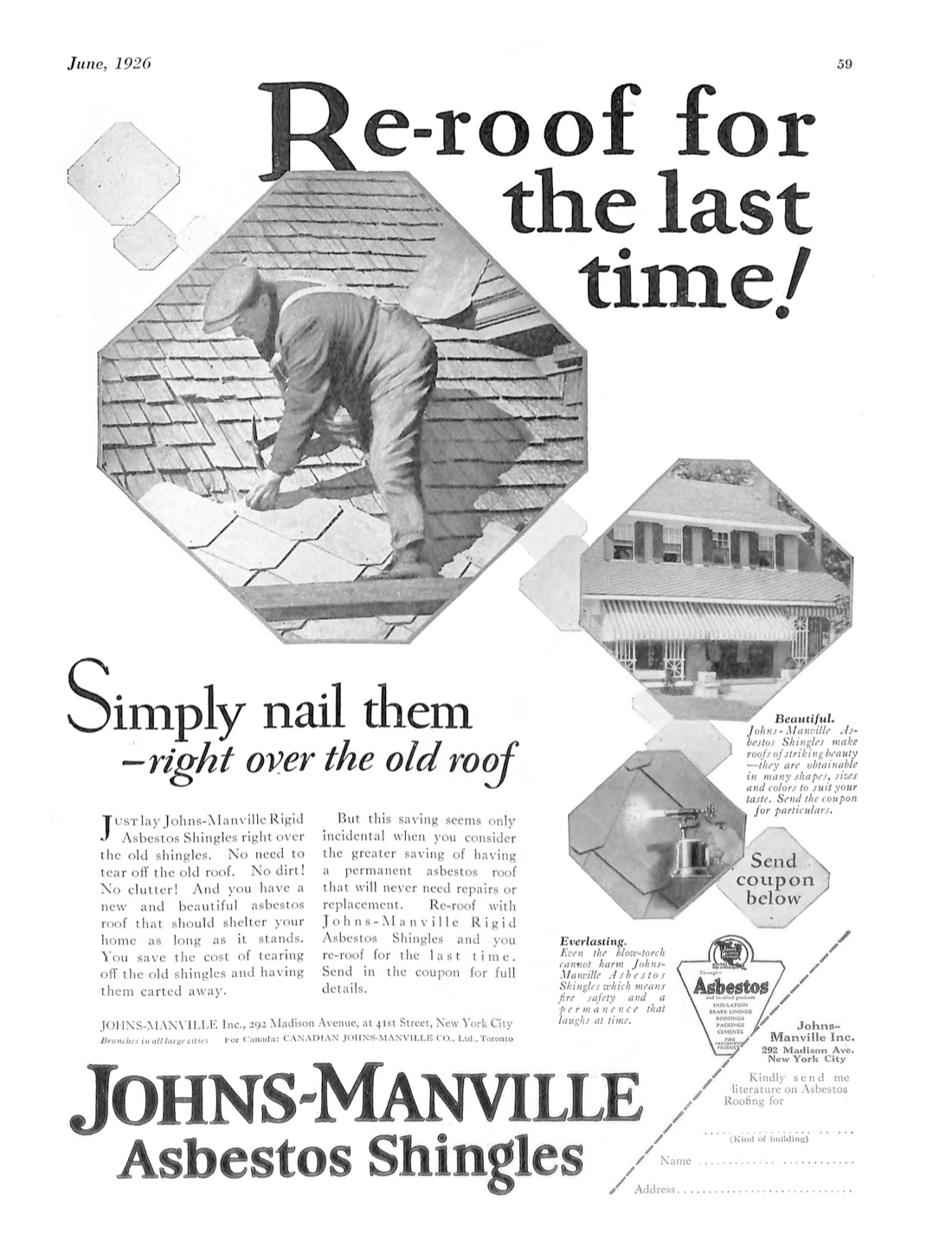
An industry grew to feed this demand, mining asbestos on every inhabited continent and manufacturing it into thousands of products. At the center of it, in the United States, stood the Johns-Manville Corporation, the largest asbestos company in the world, whose name became synonymous with the material. Asbestos made fortunes, employed multitudes, and was genuinely useful, saving lives in its fireproofing role. But the same fibers that made it so valuable made it deadly, and the industry that profited from it would, for decades, refuse to say so.
The fiber and the disease
The thing that made asbestos dangerous was the very thing that made it useful: its fibrous structure. Asbestos can break into microscopic fibers, far too small to see, that float in the air and are easily inhaled. Once in the lungs, the durable, needle-like fibers lodge in the tissue and stay there, and the body cannot break them down or expel them. Over years and decades, they cause damage — scarring, inflammation, and ultimately disease.
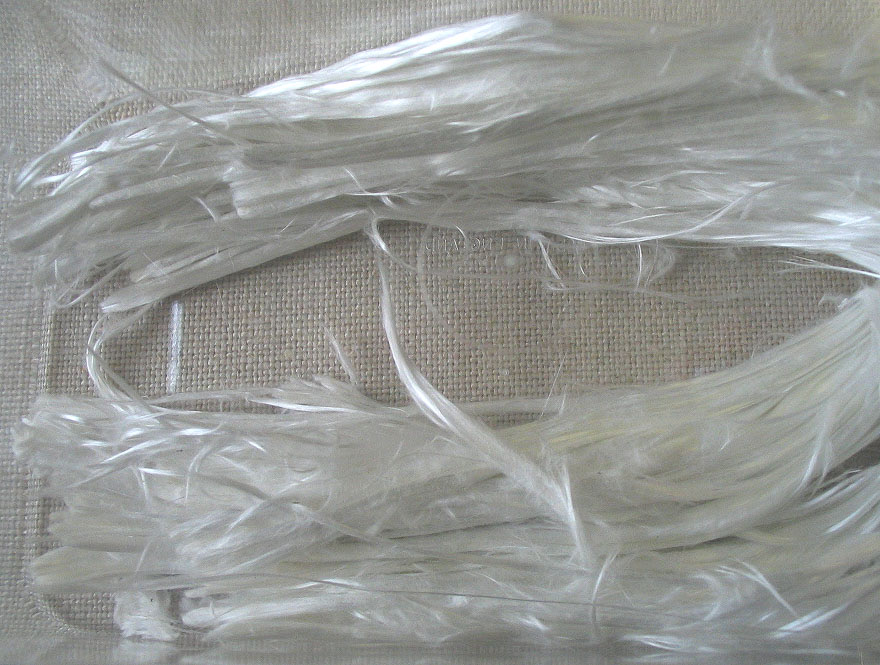
The diseases asbestos causes are three. Asbestosis is a scarring of the lung tissue that progressively impairs breathing, the classic disease of heavily exposed workers. Lung cancer, the risk of which is greatly increased by asbestos exposure (and multiplied further by smoking). And mesothelioma, a cancer of the mesothelium — the lining of the lungs and abdomen — which is almost uniquely a signature of asbestos exposure, is incurable, and is almost always fatal. A cruel feature of all three is their long latency: the diseases typically appear twenty, thirty, or forty years after exposure, so that a worker who breathed asbestos in his youth might fall ill only in old age, long after the exposure and long past the point where anything could be done. This latency would also serve, for decades, to obscure the scale of the harm and to let the industry deny it.
What the industry knew
The crucial fact of the asbestos story is that the danger was known early — far earlier than the public was told. As early as the 1900s and 1910s, observers noticed that asbestos workers were dying young of lung disease. In 1924, the death of a British asbestos textile worker named Nellie Kershaw was documented and linked to her work, and within a few years the term "asbestosis" had been coined and the disease described in the medical literature. By the 1930s, the connection between asbestos and serious lung disease was established knowledge in occupational medicine, and the asbestos companies were well aware of it — not least because their own workers were the ones falling ill.
The motive for concealment was straightforward: asbestos was enormously profitable, and acknowledging its dangers threatened the business — through liability, regulation, and the loss of markets. So the industry chose, repeatedly and over decades, to protect the product rather than the people. It declined to warn workers of the risks they faced; it resisted dust controls and protective measures that would have reduced exposure; it funded research and then sought to shape or suppress the findings; and it disputed and downplayed the mounting evidence in public even as it understood the truth in private. Generation after generation of workers handled asbestos without being told what it was doing to them.
One episode captures the method with particular clarity. In the 1930s and 1940s, asbestos companies funded research into the health effects of the material at laboratories including the Saranac Lake research facility in New York. When that research produced findings the industry did not like — evidence pointing toward cancer — companies sought to have the unwelcome conclusions softened or removed before publication. The science the industry paid for was thus permitted to inform the public only insofar as it served the industry's interests; results that threatened the business were edited or buried. This was not the passive failure of a company that simply did not know, but the active management of knowledge by companies that knew very well, and that treated the truth about their product as a liability to be controlled rather than a danger to be disclosed.
Selikoff and the breaking of the silence
The public dam broke in the 1960s, largely through the work of one determined physician. Dr. Irving Selikoff, an American doctor studying the health of insulation workers, conducted rigorous epidemiological studies that established, beyond reasonable dispute, the link between asbestos exposure and asbestosis, lung cancer, and mesothelioma. His findings, published prominently from 1964, brought the asbestos-cancer connection into the open and the medical mainstream, and they did so in the face of an industry that worked to discredit his research and resist his conclusions. Selikoff also showed how widespread the danger was — that it extended beyond miners and factory workers to the many tradesmen, such as insulators and shipyard workers, who handled asbestos products, and even to their families, exposed to fibers carried home on clothing.
Once the truth was in the open, the reckoning came — though slowly, and unevenly. Selikoff's work and the growing public awareness of asbestos's dangers led to mounting regulation of exposure in the workplace, and, eventually, to restrictions and bans on the material itself. But the deeper consequence was legal. Workers who had been sickened and the families of those who had died began to sue, and as the internal documents emerged proving that the companies had known and concealed the danger, the litigation grew into a flood.
The reckoning in the courts
The asbestos litigation that began in earnest in the 1970s became the largest and longest mass-tort legal battle in American history, and a major one in other countries as well. Plaintiffs could show not only that asbestos had made them ill but that the companies had known the risks and hidden them — a combination that exposed the industry to enormous liability. Hundreds of thousands of claims were filed, and the sums at stake were staggering.
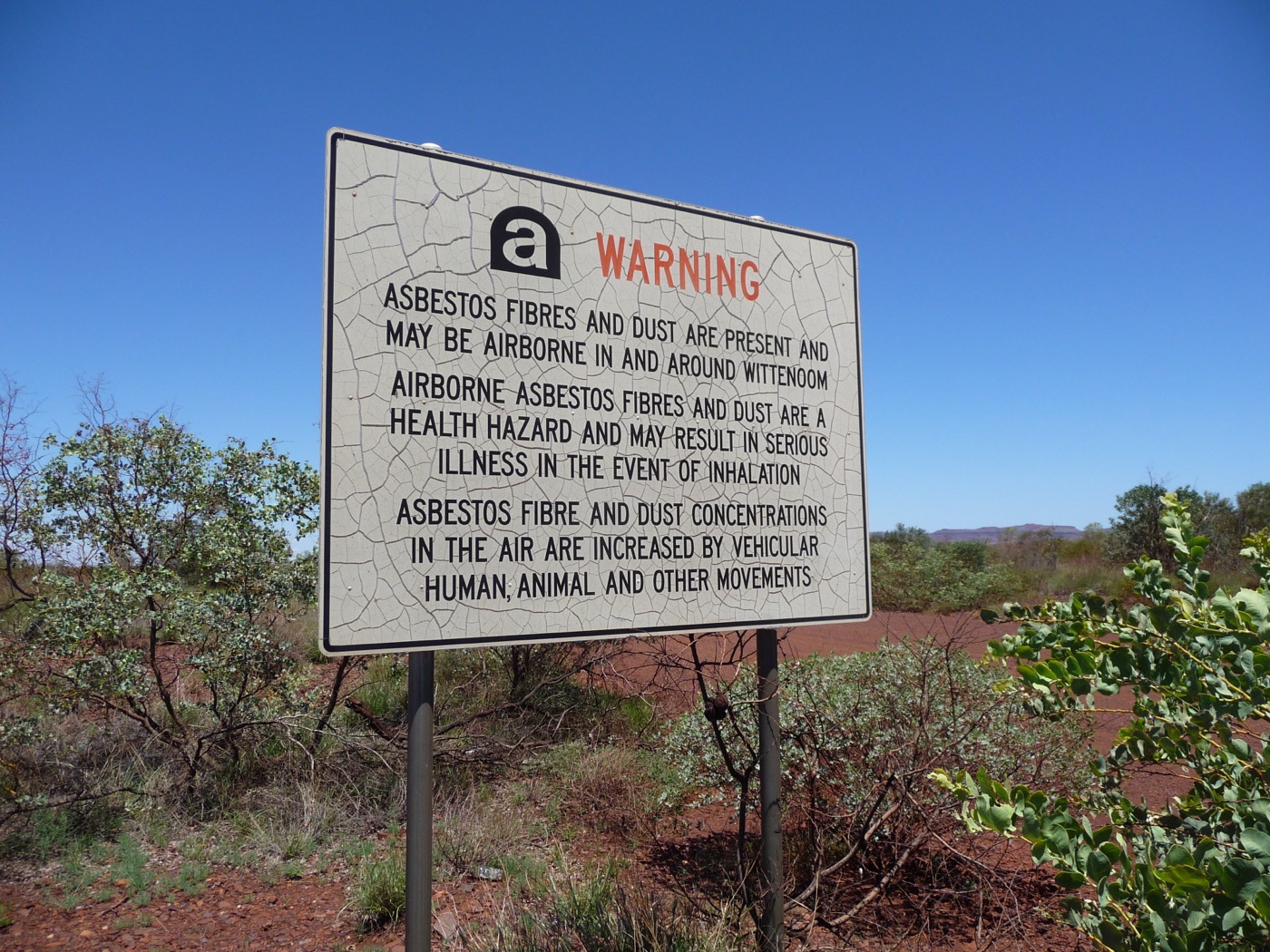
The human reality behind the litigation was etched most starkly in places like Wittenoom, in Western Australia, a town built around a blue-asbestos mine. Blue asbestos (crocidolite) is the most dangerous variety of all, and the miners and townspeople of Wittenoom — including children who played in the asbestos tailings used to surface roads and yards — were exposed to it in catastrophic quantities. Many hundreds of those connected to Wittenoom would die of asbestos disease, and the town itself became so contaminated that the authorities eventually shut it down, cut its services, removed it from official maps, and worked to erase it from existence — a settlement effectively condemned by the material that had been its reason for being. Wittenoom stands as a concentrated emblem of the whole asbestos tragedy: a community sacrificed to a mineral whose dangers were known, in a place that now exists chiefly as a warning.
The most dramatic corporate casualty was Johns-Manville itself. The largest asbestos company in the world, facing an avalanche of claims it could not hope to pay, filed for bankruptcy protection in 1982 — at the time one of the largest corporate bankruptcies in American history, and a startling one, because the company was not insolvent in the ordinary sense but was overwhelmed by its liability for the harm it had caused. Out of the bankruptcy came a novel mechanism: the Manville Personal Injury Settlement Trust, a fund established to compensate the victims, which became the model for a whole system of asbestos bankruptcy trusts as company after company followed the same path. These trusts, holding tens of billions of dollars, were designed to pay the steady stream of claims that would continue for decades as the long-latency diseases kept appearing.
The ban that never fully came
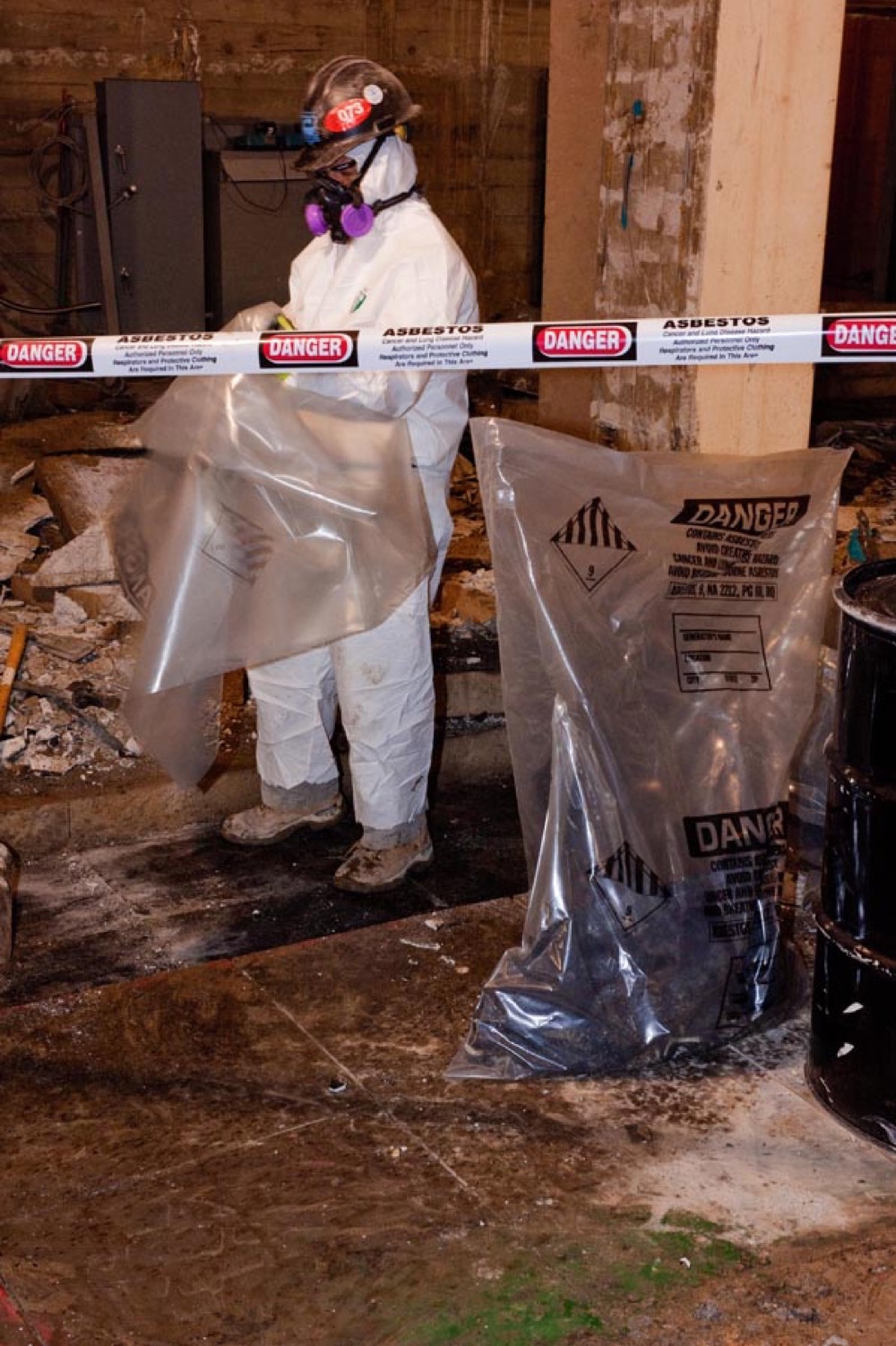
Across the later twentieth and early twenty-first centuries, country after country moved to ban asbestos as the scale of the catastrophe became undeniable. The European Union banned it; dozens of nations prohibited its use; and asbestos became, in much of the developed world, a notorious legacy hazard to be removed and remediated rather than a material in use. A whole industry of asbestos abatement arose to strip the material safely out of the buildings that were full of it.
But the ban was never universal, and there lies one of the most troubling aspects of the asbestos story. In the United States, an attempt by the Environmental Protection Agency to ban asbestos outright in 1989 was largely overturned by a court in 1991, leaving the material restricted but not fully prohibited for decades afterward. And globally, asbestos — chiefly chrysotile, the "white" variety — has continued to be mined and used, especially in countries such as Russia, China, India, and others, where it remains a cheap building material and where the same diseases that devastated the West are now building toward their own future epidemics. The asbestos industry, in retreat in much of the world, simply shifted to where regulation was weaker and the warnings less heeded. The catastrophe, in other words, is not over; it has been partly exported, and its long-latency toll is still mounting across much of the globe.
The meaning of the asbestos cover-up
In the end, asbestos stands as the definitive case of an industry that knew it was killing people and kept selling anyway. The danger was documented from the 1920s, understood by the companies through the suffering of their own workers, and concealed by them — in their own recorded words — for decades, while the magic mineral was woven through the modern world and breathed by millions. The fibers were patient; they took a working lifetime to kill, and that patience was the industry's cover, letting it bank the profits before the deaths came due. The truth emerged at last through the work of doctors who would not be silenced and the documents that litigation pried loose, and the reckoning bankrupted the largest company in the trade and built a compensation system measured in tens of billions of dollars. But the disease is still arriving, on its decades-long delay, and the mineral is still mined and used where the warnings are weakest. Asbestos is the cover-up that proves the pattern most completely — knowledge, silence, profit, and death — and the standing reminder that against a harm deferred long enough to be denied, only vigilance exercised in advance can protect the people who will pay for it in the end.
Inspired this / based on it
Paul Brodeur
Pantheon. A definitive account of the industry's concealment and the litigation.
Jock McCulloch & Geoffrey Tweedale
Oxford University Press. A history of the industry's knowledge and denial.
Filed under
- #asbestos-industry
- #asbestos
- #johns-manville
- #mesothelioma
- #corporate-coverup
- #occupational-disease
- #irving-selikoff
- #industrial-disaster
- #litigation
- #confirmed
Click any tag for every article carrying it.
Continue reading
Big Tobacco's Cancer Cover-Up
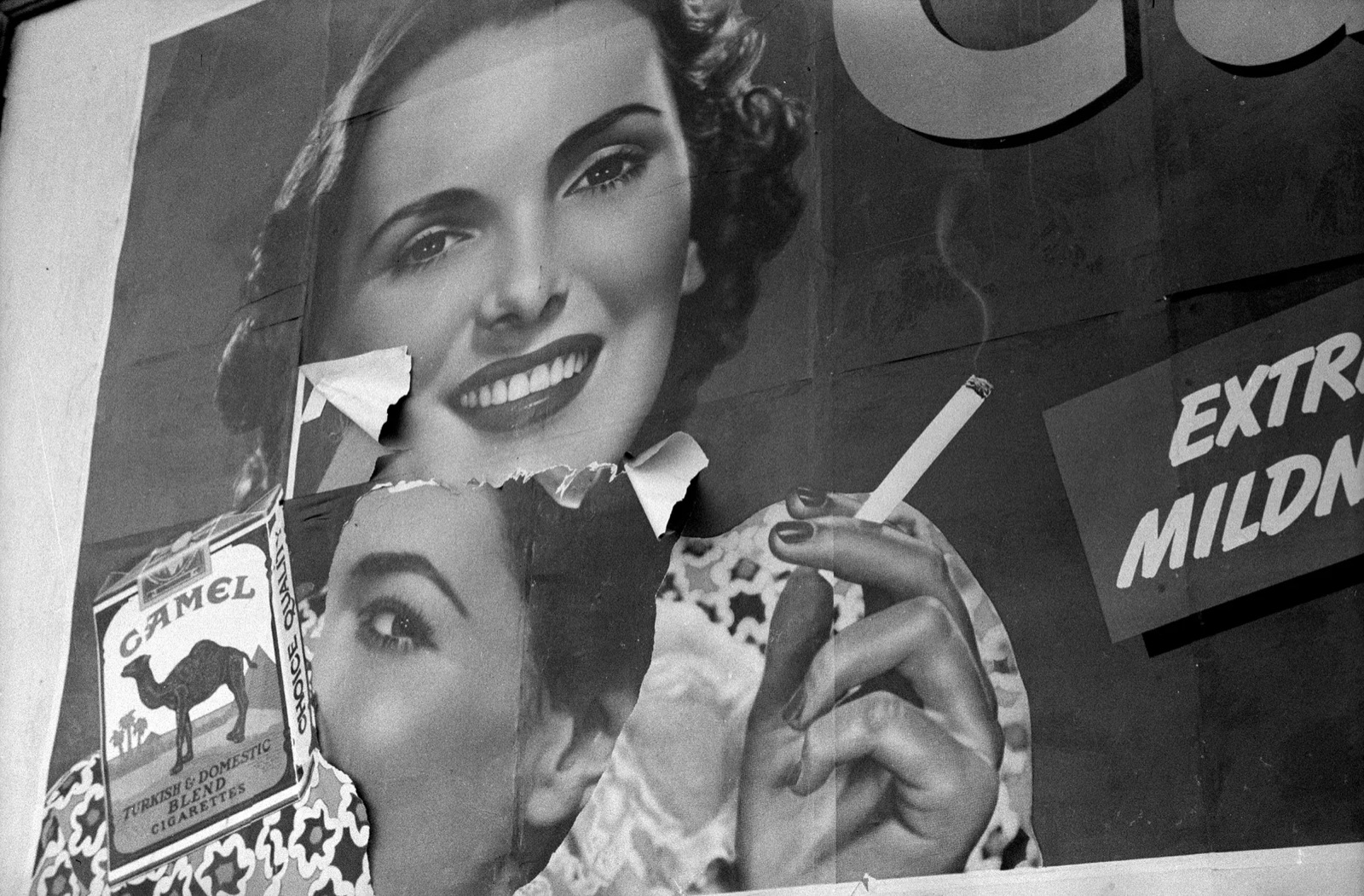
On the morning of January 4, 1954, a full-page advertisement appeared in 448 American newspapers under the headline *A Frank Statement to Cigarette Smokers*. It was signed by the chief executives of the United States' six largest tobacco companies. The advertisement assured the American public that 'there is no proof that cigarette smoking is one of the causes of cancer' and that the industry would underwrite scientific research to find the truth. The advertisement had been drafted by John W. Hill of the Hill & Knowlton public-relations firm, hired by the tobacco industry's chief executives at a meeting at the Plaza Hotel in New York on December 14-15, 1953. The strategy that the meeting produced — manufacture doubt about epidemiological evidence the industry already privately accepted, do this through industry-funded research that produced findings inconsistent with the public-health consensus, and continue to sell cigarettes to American smokers while doing so — would be sustained for forty-four years. It would be ended, in 1998, by the Master Settlement Agreement: the largest civil legal settlement in American history at $206 billion across 25 years, paid by the surviving tobacco companies to 46 states, the District of Columbia, and five U.S. territories. By that point, an estimated 8 million Americans had died from smoking-related cancers, cardiovascular disease, and respiratory illness during the cover-up period.
Minamata: The Mercury Poisoning a Company Hid for Years
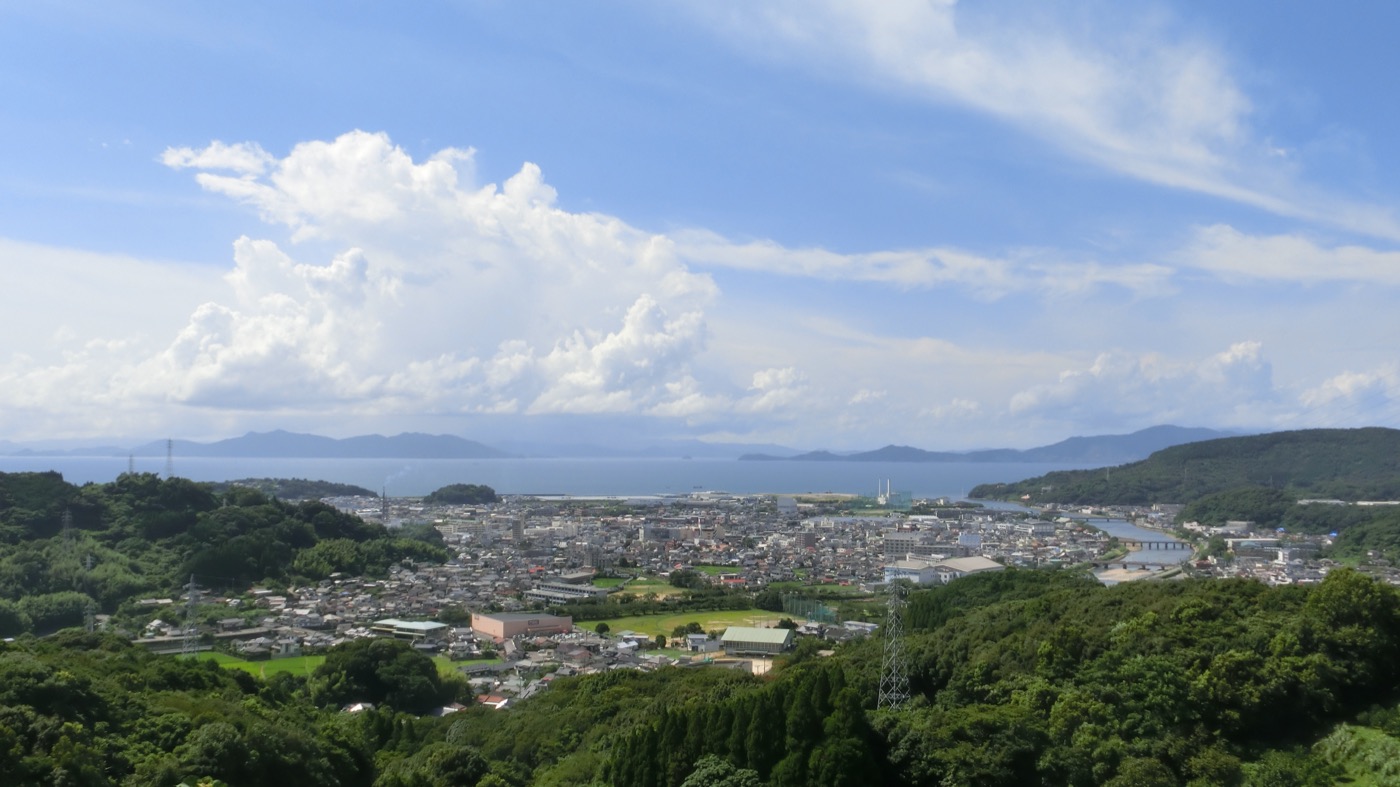
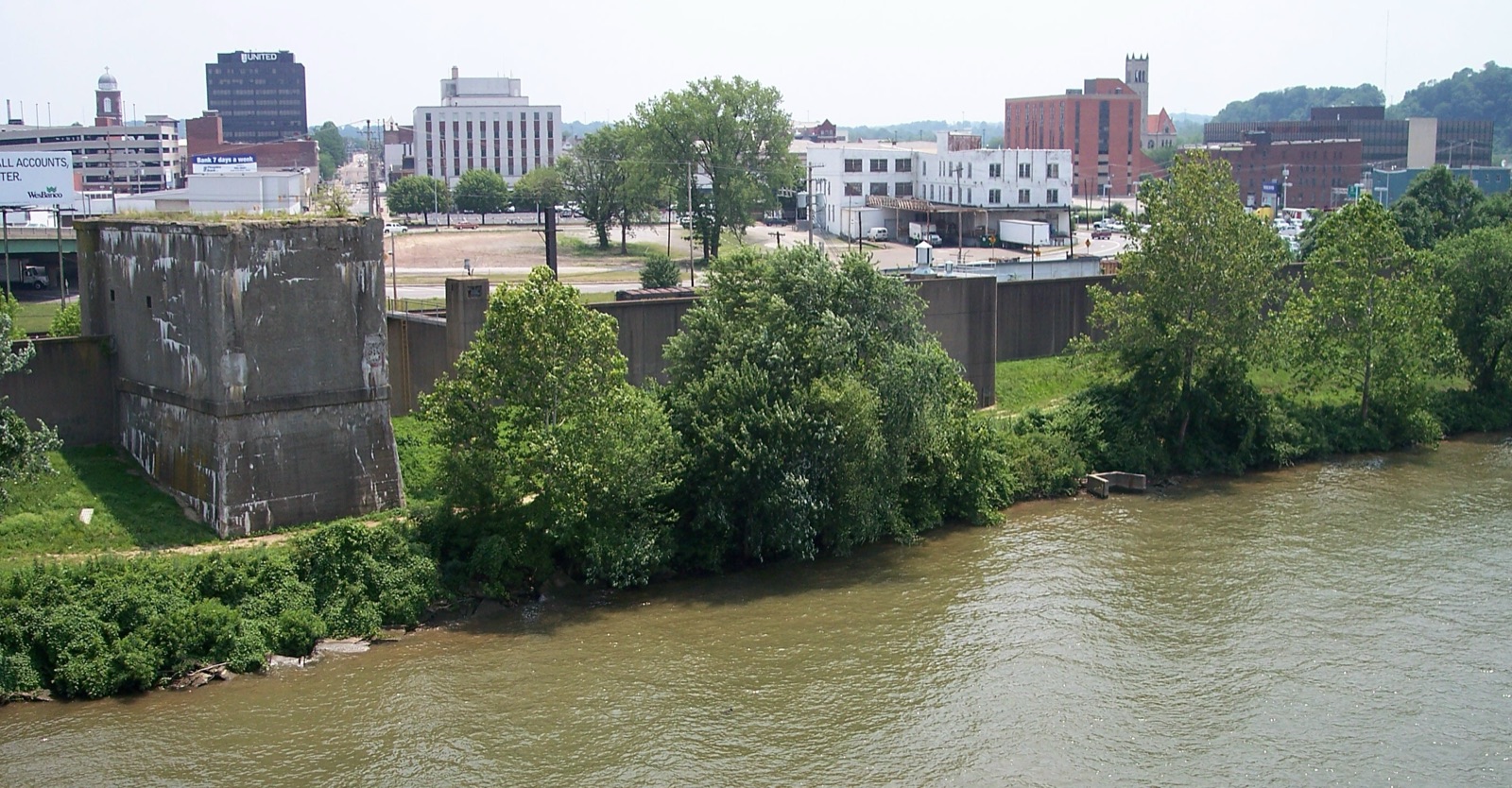
For more than three decades, a chemical factory in the small Japanese coastal town of Minamata discharged mercury into the sea, and for years the company that owned it knew, or had every reason to know, what that mercury was doing to the people who lived there. The Chisso Corporation made acetaldehyde using a process that produced methylmercury as a by-product, and from the 1930s it released that poison, in its untreated wastewater, into Minamata Bay and the surrounding Shiranui Sea. The mercury accumulated in the fish and shellfish that were the daily food of the local fishing families, and it destroyed their nervous systems. By the 1950s the town was witnessing terrible scenes: cats convulsing and hurling themselves into the sea, birds dropping from the sky, and then people — fishermen and their wives and their children — struck down by a mysterious illness that robbed them of control over their bodies, their senses, and sometimes their lives. Children were born already poisoned, having absorbed the mercury in the womb. When researchers traced the cause to the Chisso factory's effluent, the company disputed the science, funded doubt, and kept discharging mercury for years more. Most damning of all, Chisso's own company doctor had proved, in a quiet experiment with cats, that the factory's wastewater caused the disease — and the company suppressed his findings and ordered him to stop. The poisoning continued until 1968. The victims would spend decades fighting for recognition, compensation, and the simple acknowledgement of what had been done to them. This is the story of Minamata disease, one of the defining environmental catastrophes of the twentieth century, and of the long concealment at its heart.
DuPont and PFOA
In October 1998, a West Virginia cattle farmer named Wilbur Tennant called a Cincinnati lawyer named Robert Bilott about 153 dead cows. The cows had been drinking from Dry Run Creek, three miles downstream from the DuPont Washington Works chemical plant. Tennant's home video showed cattle with bloody mouths, gum cancer, and stumbling gaits before they died. Bilott — a corporate-defense attorney at Taft Stettinius & Hollister who had spent his career representing chemical companies — agreed to look at the file as a personal favor to his grandmother, who knew the Tennant family. The look became a twenty-year case. By the time Bilott was finished, he had uncovered: that DuPont had been releasing perfluorooctanoic acid (PFOA, code-named 'C8') into the Ohio River and into landfills for over forty years; that DuPont had known PFOA was toxic since at least 1961; that the company's own animal studies in 1981 had shown birth defects in offspring of exposed female workers; and that approximately 99% of the U.S. population, by 2007, had detectable levels of PFOA in their blood. The 2005 EPA fine ($16.5 million) was the largest in U.S. environmental enforcement history at the time. The 2017 multi-district settlement was $670.7 million. The C8 Science Panel — established as part of an earlier 2005 class-action settlement — confirmed by 2012 that PFOA is causally linked to six diseases including kidney and testicular cancer. PFOA was phased out of U.S. production by 2015. Its environmental persistence — half-life in human blood is approximately 3.8 years — means that, by 2025, every American adult has some PFOA exposure dating from the production era. The chemical that made non-stick cookware possible is, in this sense, still with us.