Tag
#genocide
2 articles
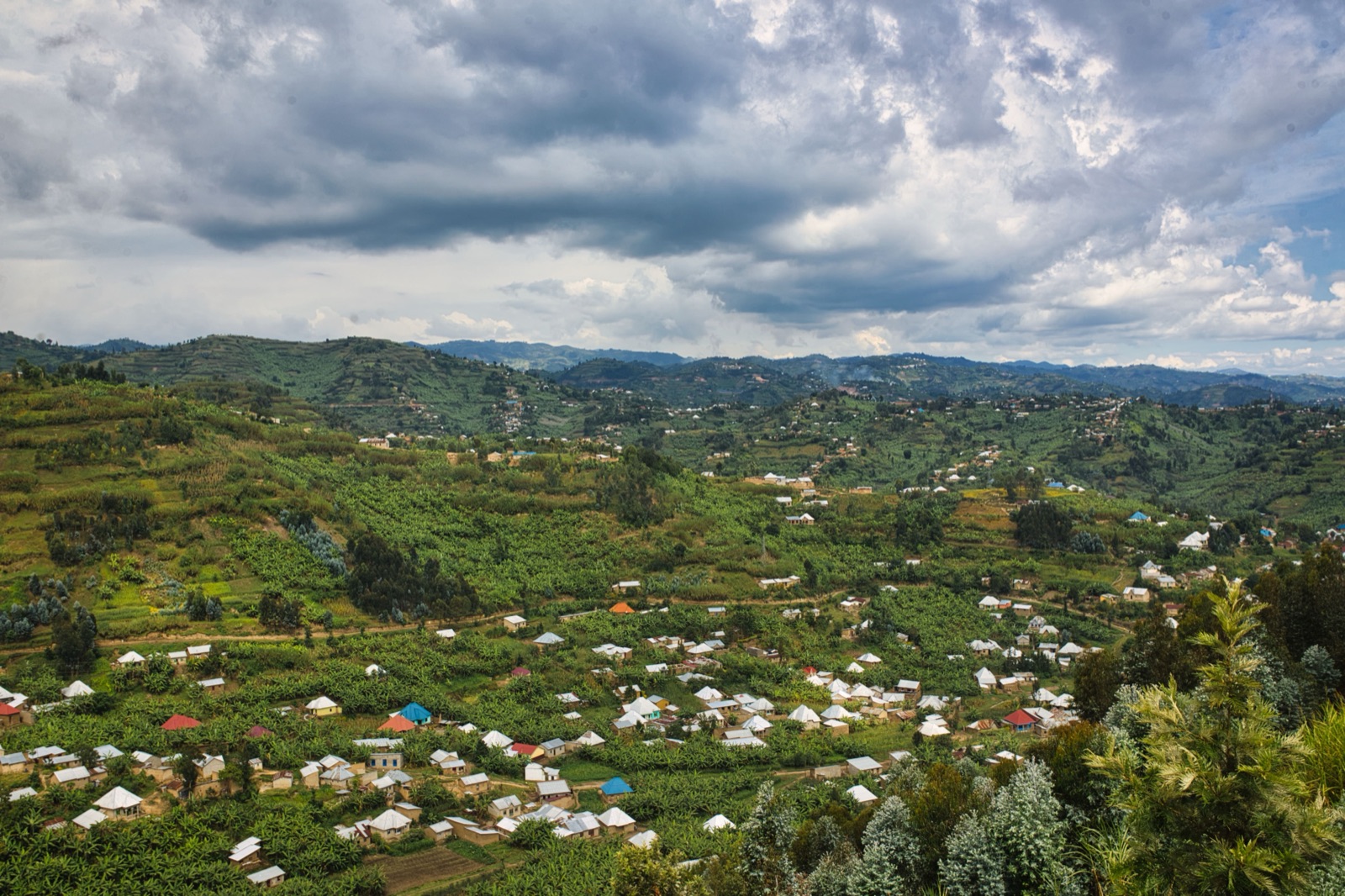
The Rwandan Genocide and the Warnings the World Chose Not to Hear
Between the evening of April 6, 1994, and the middle of July, the small Central African country of Rwanda was the site of one of the swiftest and most concentrated mass killings in human history. In about a hundred days, organised militias, soldiers, and ordinary citizens murdered something on the order of 800,000 people — most estimates run between half a million and a million — the overwhelming majority of them Tutsi, killed for belonging to a group that colonial rulers had hardened, decades earlier, into a racial category stamped on an identity card. The killing was not the explosion of ancient, spontaneous hatred that early coverage suggested. It was prepared: there were arms caches and trained militias, lists of names, and a radio station that read those names on air and urged listeners to 'cut down the tall trees' and exterminate the 'cockroaches' among them. Neighbours killed neighbours with machetes; churches and schools where Tutsi gathered for safety became the sites of the largest massacres. And all of it happened in plain view of an international community that had a peacekeeping force on the ground, had been warned months in advance that an extermination was being planned, and chose — at the United Nations, in Washington, in Paris, in Brussels — not to reinforce that force but to withdraw it, and not to use the one word, 'genocide,' that would have obliged the world to act. This article sets out what happened in those hundred days: how the genocide was built, how it unfolded, how the world looked away, and how a country has tried, in the thirty years since, to live with the memory and to render some account of it. It is not a mystery in the usual sense. The facts are known and the perpetrators were named. The harder question it leaves is the one about everyone who watched.
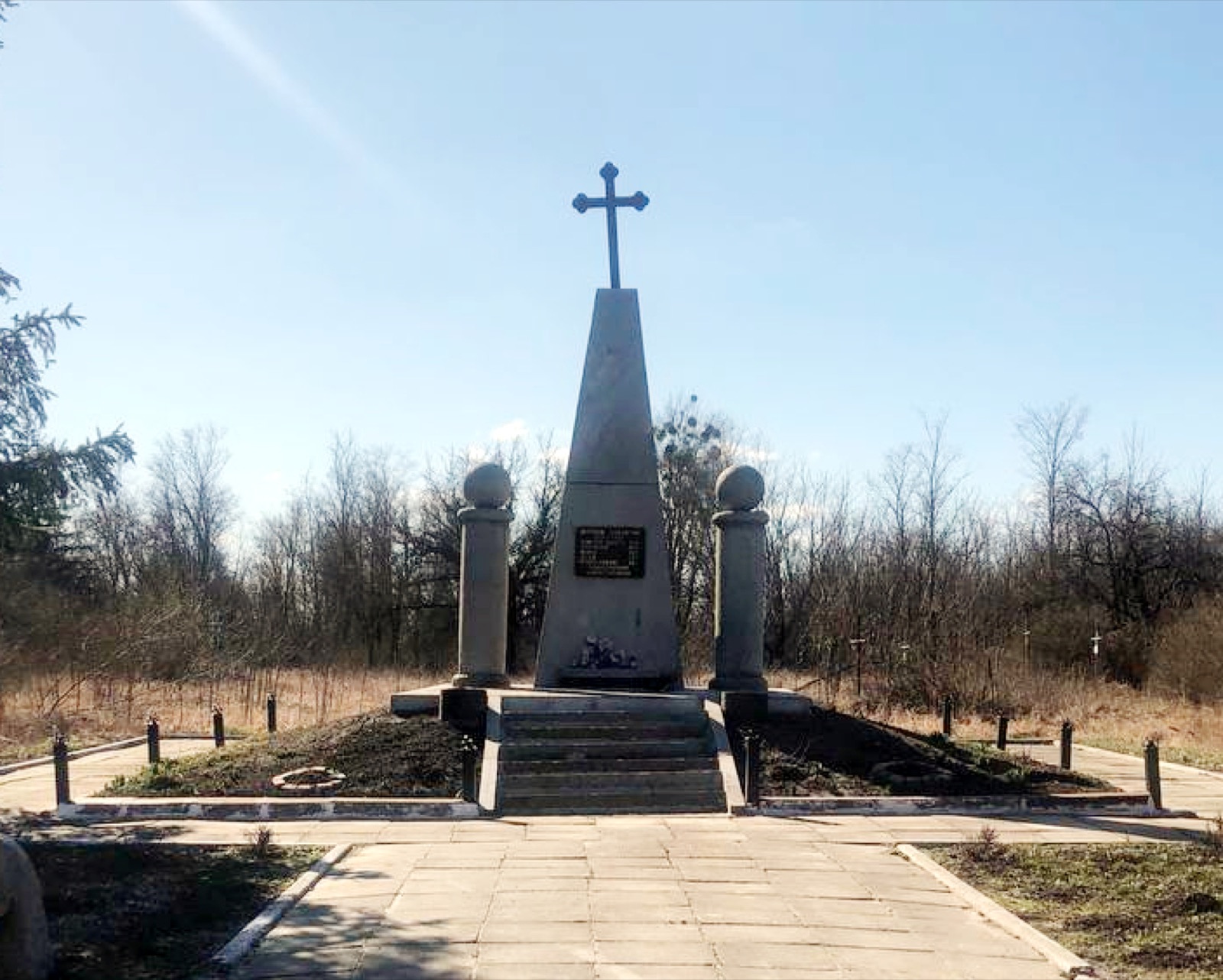
The Holodomor
Between the winter of 1932 and the summer of 1933, between 3.5 million and 7.5 million people died of starvation and starvation-related illness in the Ukrainian Soviet Socialist Republic and the adjacent grain-producing regions of the North Caucasus and Kazakhstan. The deaths were not the result of crop failure. The 1932 Ukrainian harvest was below average but not catastrophically so; the deaths occurred because the Soviet state confiscated the harvest. Joseph Stalin's regime, working through Ukraine's Communist Party leadership under Lazar Kaganovich and Pavel Postyshev, imposed grain-procurement quotas that exceeded what the harvest could yield. When the quotas were not met, the state introduced 'blacklists' of villages — barred from receiving any goods, including food, until they delivered the quota. The state introduced an internal-passport system in late 1932 that prevented peasants from leaving their villages to find food elsewhere. Border guards turned back peasants attempting to cross into Russia or Belarus. The death toll, denied by the Soviet government for fifty-seven years, has since been documented through demographic analysis, opening of Soviet archives after 1991, and recovery of the photographic record — particularly the photographs of the Austrian engineer Alexander Wienerberger, who documented the famine in Kharkiv on a Leica camera he smuggled out of the USSR. The Ukrainian word *Holodomor* combines *holod* (hunger) and *moryty* (to kill, exterminate). The word was first used publicly by Ukrainian diaspora writers in the 1980s. The Ukrainian government formally recognized the events as genocide in 2006. As of 2024, the Holodomor has been recognized as genocide by approximately 34 countries and the European Parliament.
2 files · end of the line