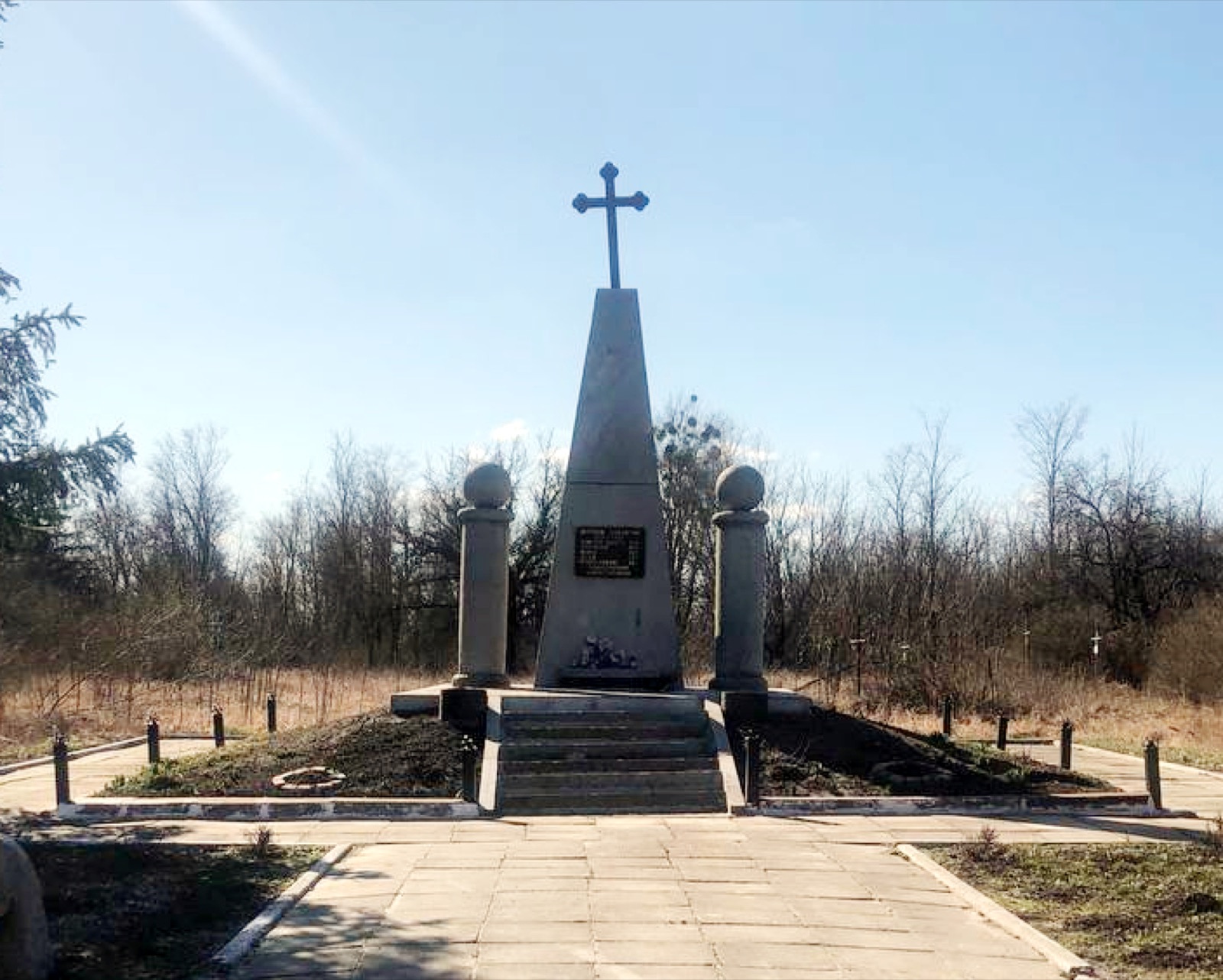
The Holodomor genocide memorial in Kyiv, near the National Museum of the Holodomor-Genocide. The central statue, 'Bitter Memory of Childhood' by sculptor Petro Drozdovsky, was installed in 2008. Wikimedia Commons, CC BY-SA 4.0.
The Holodomor
Ukraine, 1932-1933 — the famine that was a policy
- Category
- State & Intelligence Operations
- Published
- Length
- 3,700 words · 17 min read
- Author
- The editors
The Holodomor
Ukraine, 1932-1933 — the famine that was a policy.
The harvest
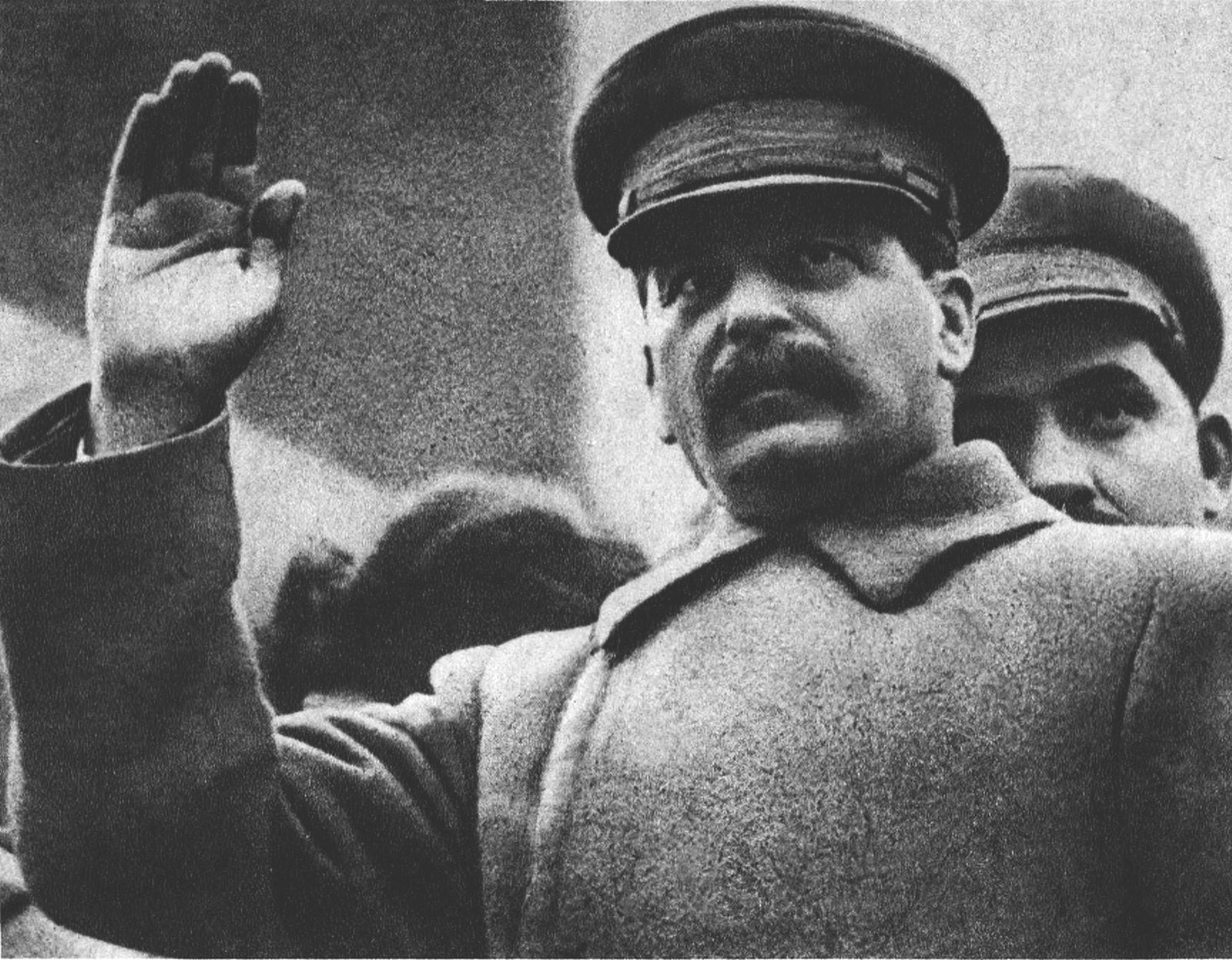
The Soviet government's "First Five-Year Plan" (1928-1932) had committed the USSR to industrializing on a scale and timetable that required massive grain exports to finance imports of industrial machinery. The grain was to come from the agricultural heartlands — Ukraine, the North Caucasus, Kazakhstan, the Don and Volga regions.
To extract the grain at scale, Stalin's regime forcibly collectivized peasant agriculture between 1929 and 1932. The process — replacing individual peasant farms with state-controlled collective farms ("kolkhozy") — was met with widespread peasant resistance. The regime responded with mass arrests and deportations of the more prosperous peasants (the "kulaks") — approximately 1.8 million Ukrainians were deported between 1930 and 1932, predominantly to Siberia and Kazakhstan, where many died of exposure, hunger, and disease.
By 1932, the collectivization was nominally complete in Ukraine. Approximately 80 percent of Ukrainian peasant households had been forced into kolkhozes. The 1932 harvest, while below the 1930 record (~22 million tonnes), was still substantial — approximately 14.7 million tonnes by the regime's own estimates, possibly higher.
The procurement target set by Moscow for 1932 was 7.7 million tonnes — more than half the estimated harvest. By comparison, the 1931 procurement had been 7.2 million tonnes from a similar harvest; the regime had observed widespread starvation in some regions that following winter. The 1932 target was set despite that knowledge.
When the harvest came in below regime expectations (likely because the collectivization had disrupted normal agricultural practice in ways the regime had not anticipated), the procurement target was not adjusted. Instead, the regime intensified enforcement.
The decrees
The escalation occurred through a series of formal decrees:
August 7, 1932 — "The Five Spikelets Law" (formally: On the Protection of Socialist Property). Any theft of state-owned agricultural property — defined to include any kolkhoz grain brought home for personal consumption — was punishable by death. Approximately 125,000 people were convicted under this law between August 1932 and December 1933; approximately 5,400 were executed. The remainder received 10-year camp sentences.
November 18, 1932 — The Politburo authorized "blacklisting" of villages that did not meet procurement targets. Blacklisted villages were:
- Barred from receiving any state goods (including manufactured goods, medical supplies, food).
- Barred from purchasing supplies in neighboring districts.
- Surrounded by border patrols to prevent residents from leaving.
Approximately 400 Ukrainian villages were blacklisted by February 1933.
December 14, 1932 — The Politburo introduced internal-passport requirements for urban Soviet citizens. Peasants in collective farms were not issued passports. They could not legally travel outside their villages. The restriction prevented the standard historical peasant response to famine — migration to towns or cities to find food.
January 22, 1933 — A joint Central Committee / Council of People's Commissars directive sealed the Ukrainian-Russian border to peasant movement. Peasants attempting to cross into Russia were detained and returned to Ukraine.
Late January 1933 — The "Ukrainization" of villages was suspended; the regime began removing Ukrainian-language publications, Ukrainian-language education, and Ukrainian cultural institutions on the grounds that Ukrainian nationalism had become operationally aligned with anti-Soviet sentiment.
By February 1933, mass starvation was visible in every district of Ukraine. The regime knew. Internal OGPU (secret police) reports from regional commanders, declassified after 1991, used the word "ridiculous" — the death toll in some districts was "ridiculously high." The reports went to Stalin's desk. The policy did not change.
The Wienerberger photographs
The Soviet government's restriction on Western journalists and photographers in Ukraine during the famine period was substantial. Walter Duranty, the New York Times Moscow bureau chief, was permitted to travel to Ukraine in September 1933 — months after the worst of the famine had subsided — and reported that "there is no actual starvation" but "there is widespread mortality from diseases due to malnutrition." His reporting won him the 1932 Pulitzer Prize and provided cover for the Soviet denial for decades. The Pulitzer board has reviewed but not revoked the prize.
The Welsh journalist Gareth Jones — who had traveled across Ukraine on foot in March 1933, without Soviet escort — published his first-hand observations in the Manchester Guardian and the New York Evening Post on March 29, 1933. Jones's reporting was accurate and contemporaneous. It was contradicted by Duranty in the New York Times and substantially ignored in the international press. Jones was killed in Inner Mongolia in 1935 under disputed circumstances (most analyses attribute the killing to NKVD-linked agents).
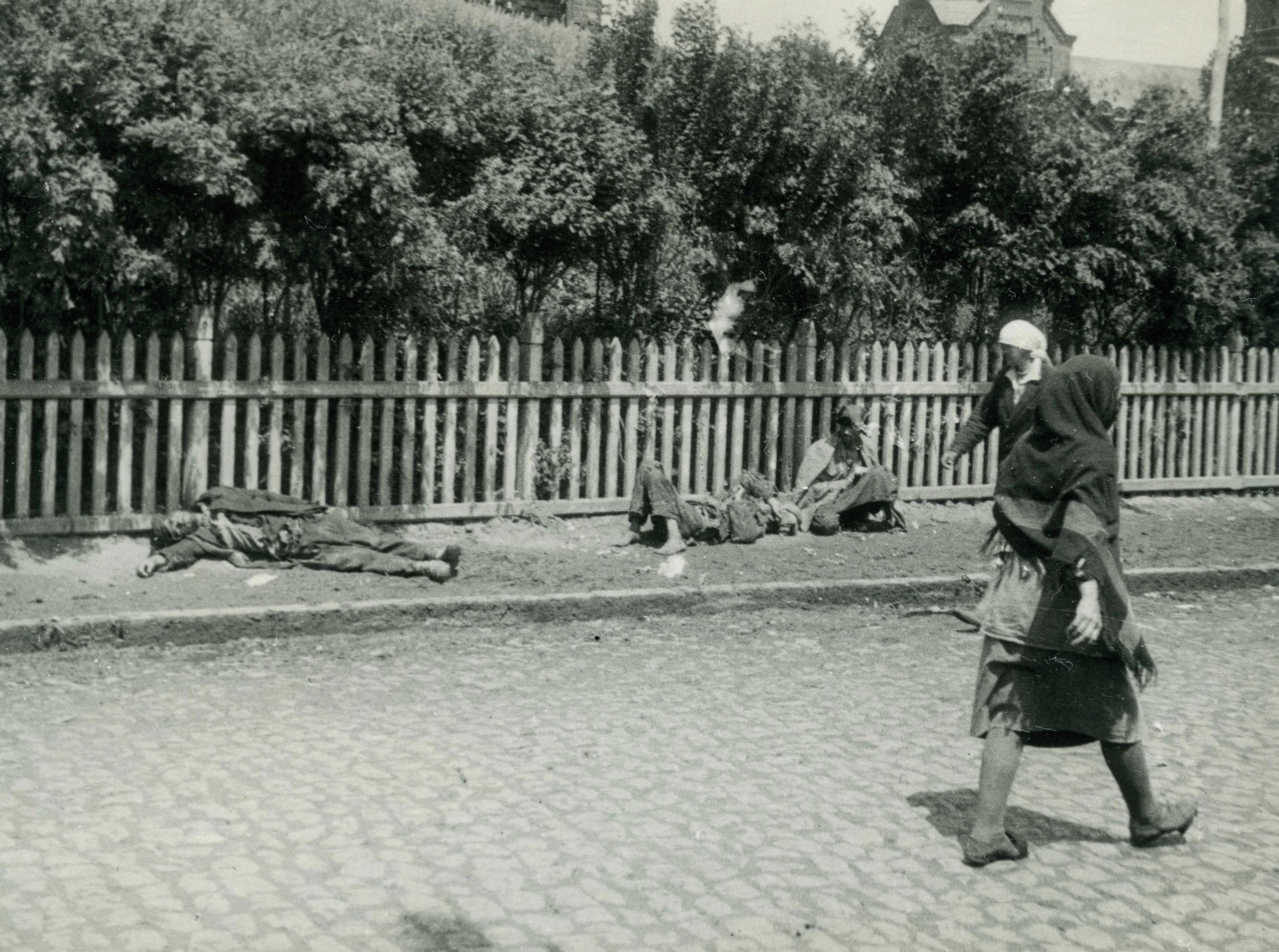
The most extensive contemporaneous photographic record came not from a journalist but from an Austrian engineer. Alexander Wienerberger had been working for Soviet industrial enterprises since 1928 — primarily on chemical-manufacturing projects in Kharkiv. In 1933, working in the Kharkiv plastics plant, he took approximately 100 photographs of the famine on a small Leica camera. He smuggled the camera and the photographs out of the USSR when he left in 1934, hidden in a diplomatic-pouch shipment through the Austrian embassy.
The Wienerberger photographs were not initially published. He took them, by his own subsequent account, primarily as a private record. They were first published in part in a 1935 Austrian diocesan newspaper. The fuller archive only became publicly accessible in the 1990s through the Vienna Diocesan Archive.
The Wienerberger images — combined with the partial recovery of American journalist Walter Pearsall's photographs, the recovery of Welsh diplomatic-pouch material from Jones, and the post-1991 discovery of internal Soviet documentation — constitute the photographic basis for the modern historical understanding of the famine.
What was taken
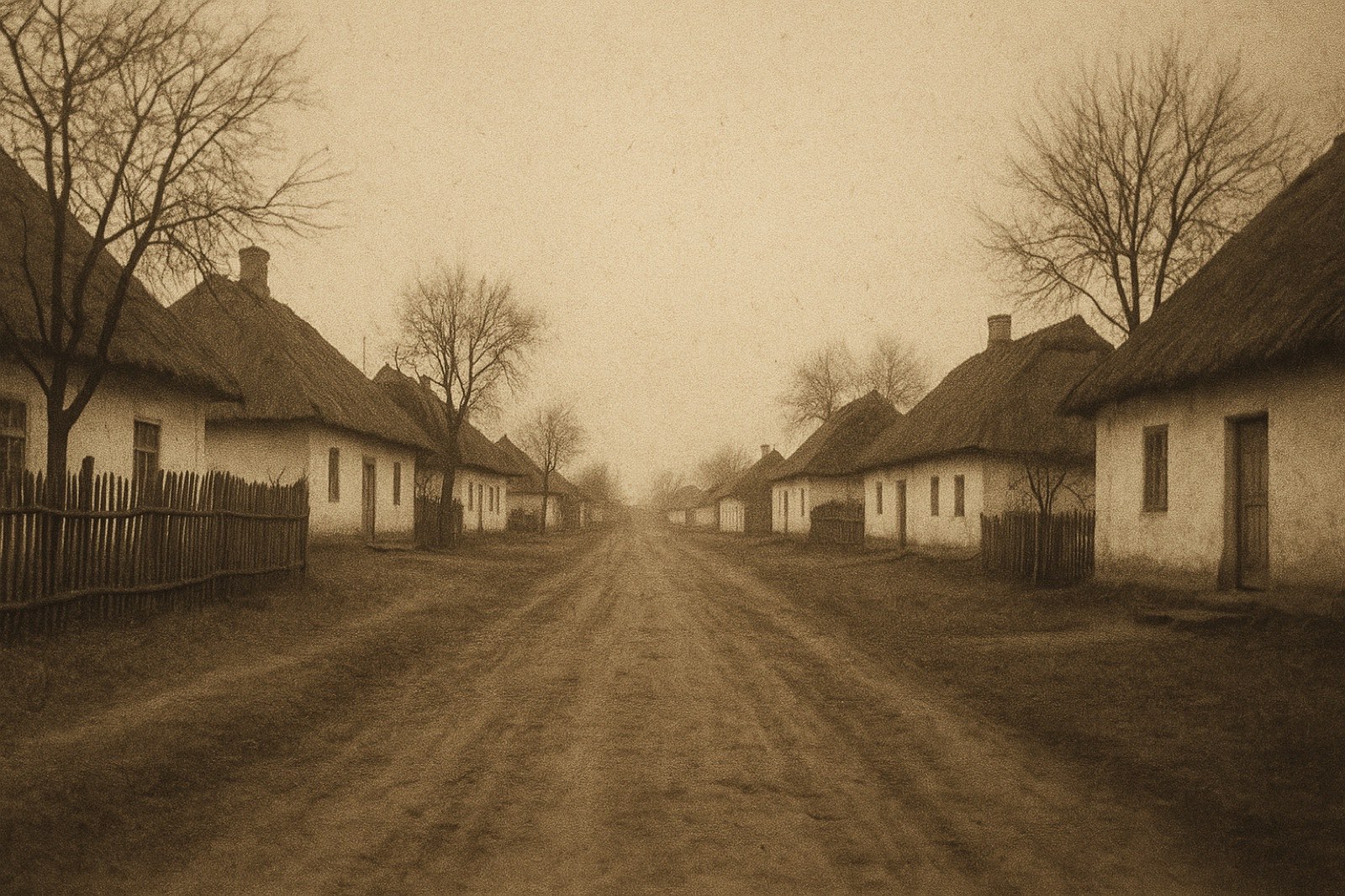
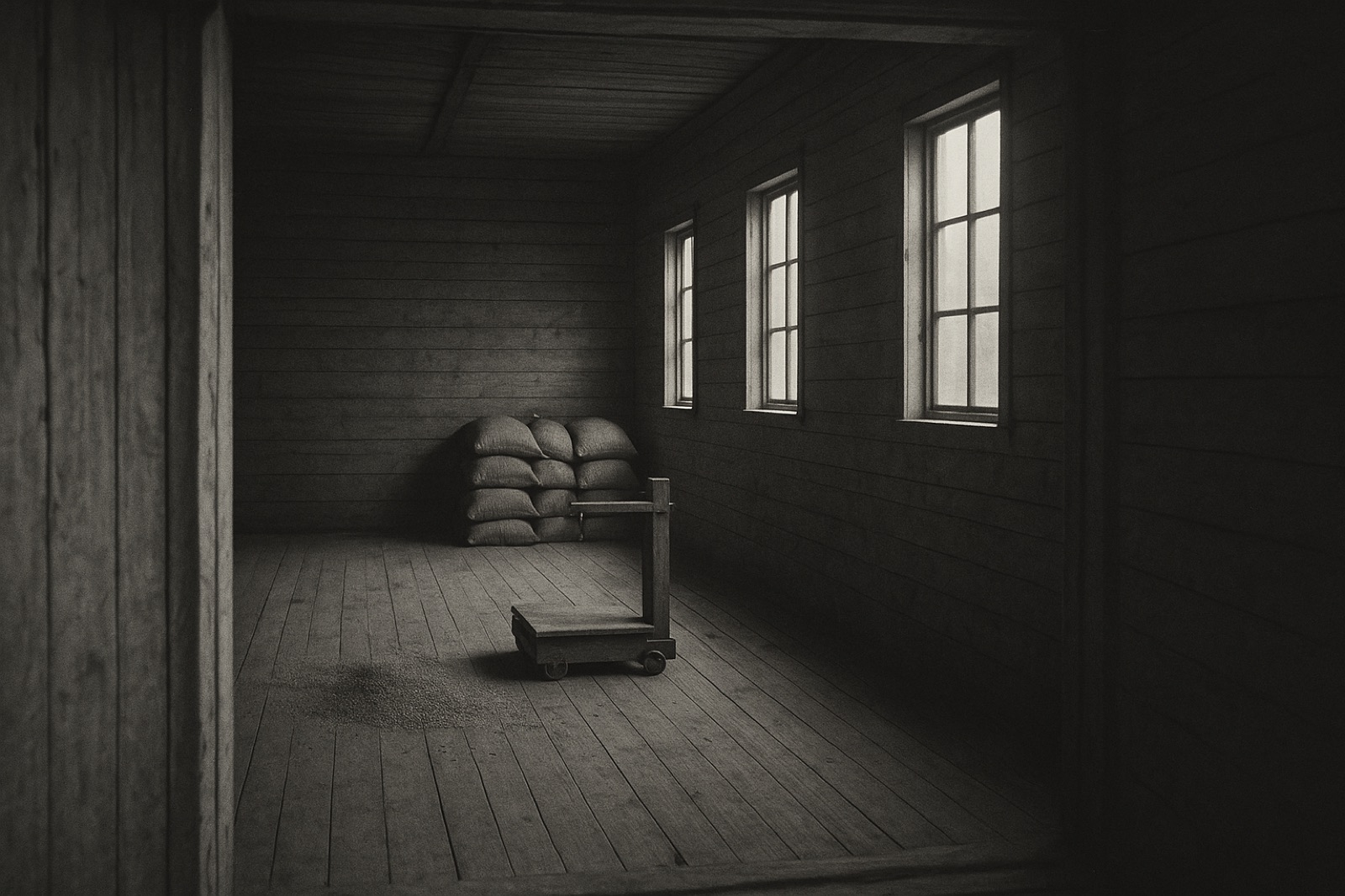
The procurement was, in operational practice, conducted by "brigades" of activists — typically townsfolk loyal to the regime plus regular OGPU officers — who went house-to-house. They were authorized to search peasant homes for hidden grain. They were required to meet a quota. In many districts, they searched the houses to physical destruction — pulling up floorboards, breaking open ovens, breaking up clay storage vessels. Every form of food was taken: hidden grain, dried produce, livestock, even seed-corn that the family had set aside for the following spring's planting.
By December 1932, in the worst-hit Ukrainian districts, the brigades were confiscating items that had no nutritional value to the state — religious icons, family heirlooms, peasant savings — to demonstrate compliance with the procurement plan. The operational reality had departed entirely from any economic logic.
The peasants responded as starving populations always have. They ate the seed-corn (which guaranteed the following year's famine would be worse). They ate the kolkhoz livestock. They ate dogs, cats, rodents, leather goods, tree bark, grass. By spring 1933, contemporaneous reports document cannibalism — both passive (consuming bodies of the already-dead) and active. The Ukrainian court records from 1933-34 contain approximately 2,500 prosecutions for cannibalism-related charges.
What the regime knew
The internal Soviet documents — declassified after 1991 from Ukrainian state security archives, more recently from Russian state archives — establish that the senior leadership knew the famine was occurring at the time it was occurring.
The OGPU (precursor to the NKVD and ultimately the KGB) maintained a system of regional reporting in which local commanders sent periodic situation reports to Moscow. The Ukrainian OGPU reports from December 1932 to June 1933 describe, in routine bureaucratic language: starvation deaths by village; cannibalism arrests by district; the desperate condition of specific kolkhozes; the inability of district administrations to meet procurement quotas without confiscating below-subsistence rations.
The reports went to Vsevolod Balitsky (Ukrainian OGPU chief) and forward to Henrikh Yagoda (USSR OGPU chief). From Yagoda they went to Stalin. Stalin's annotated copies of some of these reports — preserved in the Russian state archive — show underlining and marginal notes but no policy adjustment.
A January 22, 1933 letter from Stalin to Pavel Postyshev — the Politburo member newly assigned to lead the Ukrainian Party — contains the explicit instruction:
The "softness" Stalin referenced was the localized adjustment some Ukrainian Party officials had been making — reducing procurement quotas in particularly devastated districts. Stalin demanded its end. Postyshev's tenure as effective political head of Ukraine 1933-1937 was characterized by the most aggressive procurement enforcement of the famine years.
The denial
Soviet acknowledgment of the famine was, throughout the period from 1933 to 1989, a formally prohibited topic. The Soviet official position was that no famine had occurred in 1932-33 in Ukraine; that there had been "difficulties" with the grain procurement; that mortality figures were exaggerated by Western propagandists.
The Walter Duranty New York Times coverage, by characterizing the situation as a manageable difficulty, provided substantial cover for the Soviet denial in the Western press of the 1930s. The Soviet government cited Duranty's reporting in its own propaganda for decades.
Internal Soviet awareness of the famine — including the demographic data — was, by contrast, contemporaneous. The 1937 census revealed a population deficit relative to the projected population that the regime could not explain without acknowledging the famine. Stalin's response was to suppress the 1937 census results and execute the demographers who had compiled them. The 1939 census was conducted under direct Stalin supervision and produced numbers more politically acceptable.
The Soviet denial held in the West for decades, with periodic exceptions:
- 1953: The Western publication of Volyn' and other Ukrainian-language diaspora sources began to assemble the testimonial record.
- 1968: Solzhenitsyn's The Gulag Archipelago (originally serialized in samizdat 1964-68) included Holodomor references in its discussion of dekulakization.
- 1986: Robert Conquest's The Harvest of Sorrow was the first major Western academic treatment.
The 1991 collapse of the Soviet Union and the opening of Ukrainian state security archives transformed the documentary basis of the case. The 1990s saw the publication of substantial primary-document collections by Ukrainian historians, principally Stanislav Kulchytsky. The 2000s saw extended demographic-analytic work by international demographers (Mesle, Vallin, Naumenko).
The recognition
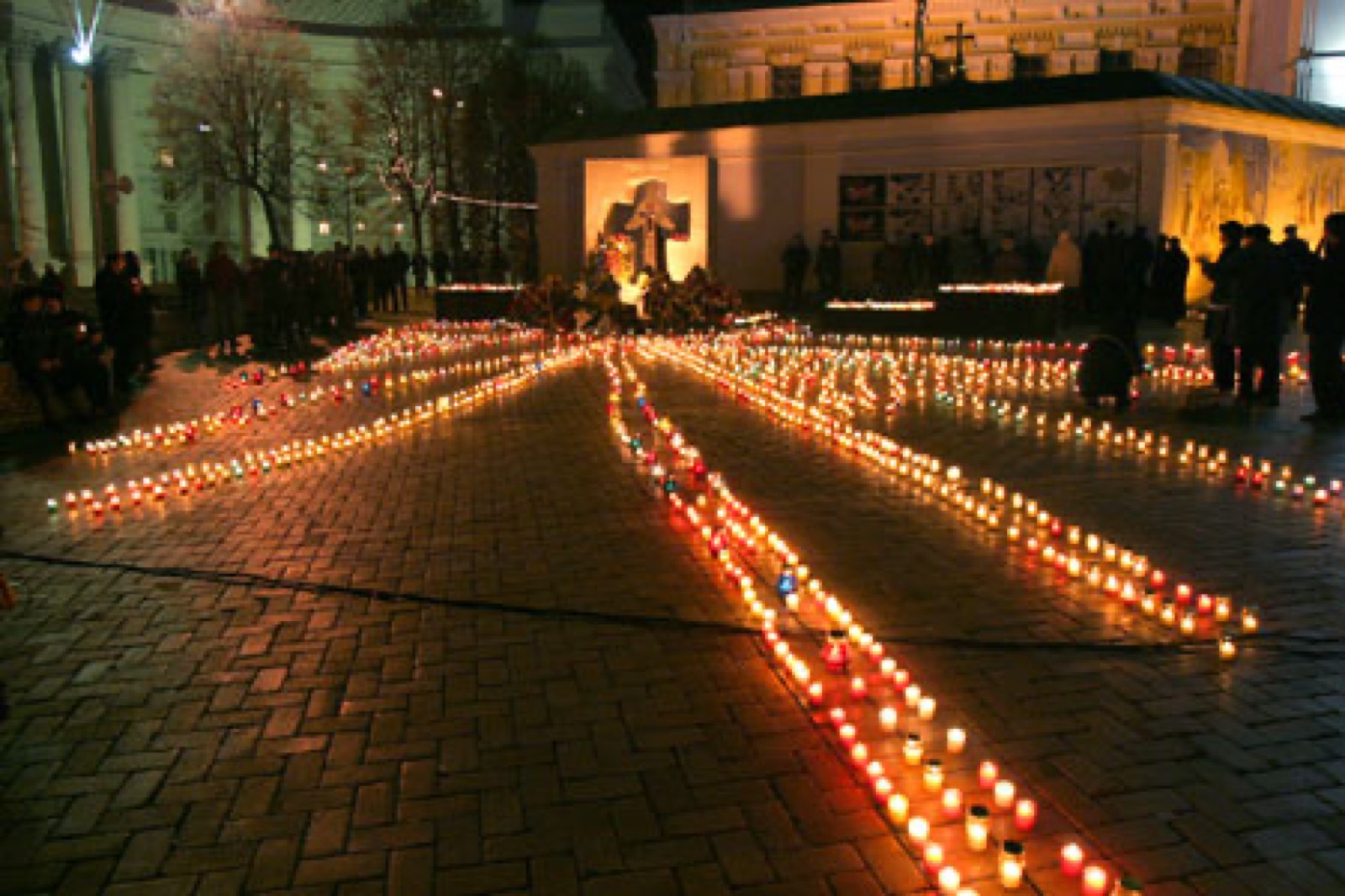
The post-Soviet Ukrainian government took an extended approach to formal recognition of the famine. The first major step was the 1998 presidential decree of Leonid Kuchma establishing Holodomor Remembrance Day (the fourth Saturday in November). The 2003-2004 period saw a major increase in Ukrainian public attention to the famine; the 70th anniversary observances were significant.
The formal genocide recognition came under President Viktor Yushchenko (who had himself been the subject of a 2004 attempted assassination by dioxin poisoning, attributed to Russian-linked actors). On November 28, 2006, the Ukrainian parliament passed the Law of Ukraine on the Holodomor of 1932-33 in Ukraine, declaring the famine a genocide against the Ukrainian people.
International recognition has followed, with notable variation across countries. As of 2024, the Holodomor has been formally recognized as genocide by approximately 34 countries including:
- The United States (Congress 2008, Senate 2018)
- Canada (Parliament 2008)
- Australia (Senate 2003, House 2017)
- Germany (Bundestag 2022)
- The Vatican (Pope Francis 2022)
- The European Parliament (2022)
Russia has officially opposed the genocide characterization, characterizing the famine as a Soviet-wide tragedy that fell on Russian and Ukrainian peasants alike — a framing that, while descriptively accurate about the Soviet famine's broader scope, does not address the specific question of whether the targeting was nationally specific.
The cast
Why this case is filed as "confirmed"
The Holodomor's factual base is one of the best-documented state-induced famines in modern history. The Soviet archives declassified after 1991 are extensive. The demographic-analytical work is robust. The contemporaneous photographic record (Wienerberger, Jones, others) is comparatively rich for an event the regime attempted to conceal. The international recognition is broad.
The contested question — genocide classification — is filed under "What we don't know with certainty" rather than "What we know." The factual base is, in all other respects, settled.
What we still don't know
The exact death toll. The Naumenko 2017 / Mesle-Vallin 2003 range (3.5-4 million Ukrainian deaths plus 600k birth deficit) is the most widely accepted; higher and lower estimates exist.
The classification debate. The genocide question is genuinely contested in the historiography between the Ukrainian school and the broader Soviet-famine school.
The full Politburo decision-making record. Some 1932-33 records remained classified in Russian archives after 1991; access to remaining materials has further restricted since 2014 and is substantially closed as of 2025.
The full Wienerberger archive. Approximately 100 surviving images are catalogued; the original Leica negatives and any secondary documentation in private hands are incompletely identified.
Sources
Primary documents:
- Ukrainian State Security Archive (SBU), declassified Holodomor-period OGPU regional reports, post-1991 publications.
- Stalin to Postyshev, January 22, 1933 — Russian State Archive of Social-Political History, fond 558, opis 11, delo 740.
- Alexander Wienerberger photographic archive, Diözesanarchiv Wien (Vienna Diocesan Archive). Approximately 100 images catalogued.
- Gareth Jones field notebooks 1933, National Library of Wales.
- Manchester Guardian, New York Evening Post — Gareth Jones reports, March 30 and 31, 1933.
- The Law of Ukraine on the Holodomor of 1932-33 in Ukraine, November 28, 2006. Verkhovna Rada of Ukraine.
Secondary investigative/historical reporting: 7. Robert Conquest, The Harvest of Sorrow: Soviet Collectivization and the Terror-Famine (Oxford University Press, 1986). The foundational Western treatment. 8. Anne Applebaum, Red Famine: Stalin's War on Ukraine (Doubleday, 2017). The standard contemporary reference. 9. R.W. Davies and Stephen Wheatcroft, The Years of Hunger: Soviet Agriculture 1931-1933 (Palgrave Macmillan, 2004). The most-cited revisionist treatment. 10. Stanislav Kulchytsky, Why Did Stalin Annihilate the Ukrainians? (Kyiv: 2005). Lead Ukrainian historian's account. 11. Andrea Graziosi, Stalinism, Collectivization and the Great Famine (Cambridge UP, 2009). 12. Lynne Viola, The Unknown Gulag: The Lost World of Stalin's Special Settlements (Oxford UP, 2007). Context on dekulakization. 13. Andrew Wilson, Ukraine: A History (Yale UP, 2010) — broader historical context.
Academic / demographic scholarship: 14. Natalia Naumenko, "The Political Economy of Famine: The Ukrainian Famine of 1933" — Journal of Economic History, 2021. 15. France Meslé and Jacques Vallin, "Demographic Consequences of the Great Famine" — Population (Paris), 2002. 16. Mark Tauger, "The 1932 Harvest and the Famine of 1933" — Slavic Review, 1991 (revisionist position). 17. Hennadiy Yefimenko, Stalin's Policy Toward Soviet Ukraine (Institute of History of Ukraine, 2014). 18. Olga Bertelsen, The Stalinist Famine of 1932-1933 in the Ukrainian Periphery: A Spatial History (CUSP, 2020).
Corrections & updates
2026-05-26: First publication.
Inspired this / based on it
Agnieszka Holland · ★ 6.9
Dramatization of Welsh journalist Gareth Jones's 1933 Ukraine reporting. James Norton, Vanessa Kirby, Peter Sarsgaard.
George Mendeluk · ★ 6.1
Dramatized Holodomor narrative. Max Irons, Samantha Barks, Terence Stamp.
Andrew Tkach
Documentary on Toronto-born journalist Rhea Clyman, expelled from USSR for 1932 Ukraine reporting.
Anne Applebaum
The standard contemporary reference. Doubleday. Lionel Gelber Prize.
Robert Conquest
The foundational Western treatment. Oxford UP.
R.W. Davies & Stephen Wheatcroft
The most-cited revisionist treatment. Palgrave Macmillan.
Filed under
- #holodomor
- #ukraine
- #soviet-union
- #ussr
- #stalin
- #lazar-kaganovich
- #pavel-postyshev
- #1932
- #1933
- #famine
- #genocide
- #kharkiv
- #alexander-wienerberger
- #anne-applebaum
- #robert-conquest
- #fsu-russia
- #europe
- #declassified
Click any tag for every article carrying it.
Continue reading
Chernobyl
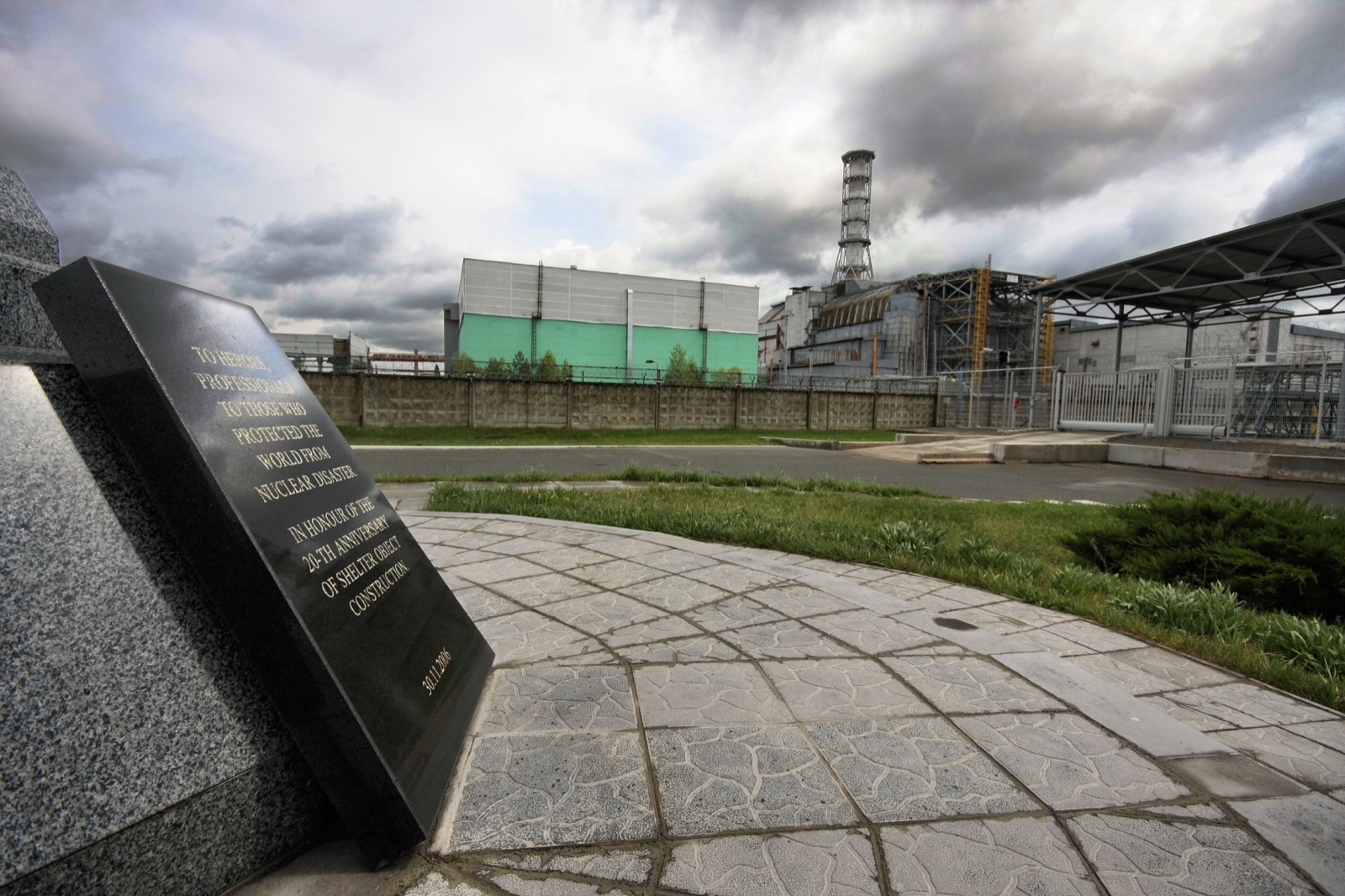
At 1:23:40 a.m. local time on Saturday, April 26, 1986, reactor 4 at the V. I. Lenin Nuclear Power Plant near Pripyat, Ukrainian Soviet Socialist Republic, exploded. A planned low-power safety test, run by night-shift personnel who had been ordered to proceed despite warnings, drove the RBMK-1000 reactor into a state its designers had specifically marked as forbidden. The graphite-tipped control rods, lowered to scram the reactor, briefly added reactivity before shutting it down. The core's thermal output spiked to approximately 30,000 megawatts — ten times rated capacity — in four seconds. Two steam explosions ripped the 1,000-tonne upper biological shield off the reactor and exposed the burning graphite core to the atmosphere. Two workers died at the moment of explosion. Twenty-nine more — firefighters, control-room operators, plant electricians — died from acute radiation syndrome within four months. Forty-eight hours passed before the city of Pripyat (population 49,360) was evacuated. The Soviet government did not publicly acknowledge the accident until April 28, after Swedish nuclear technicians at Forsmark detected the airborne plume 1,200 kilometres to the northwest. The cover-up was, by Mikhail Gorbachev's own subsequent assessment, the moment Soviet glasnost became unavoidable.
Operation Paperclip
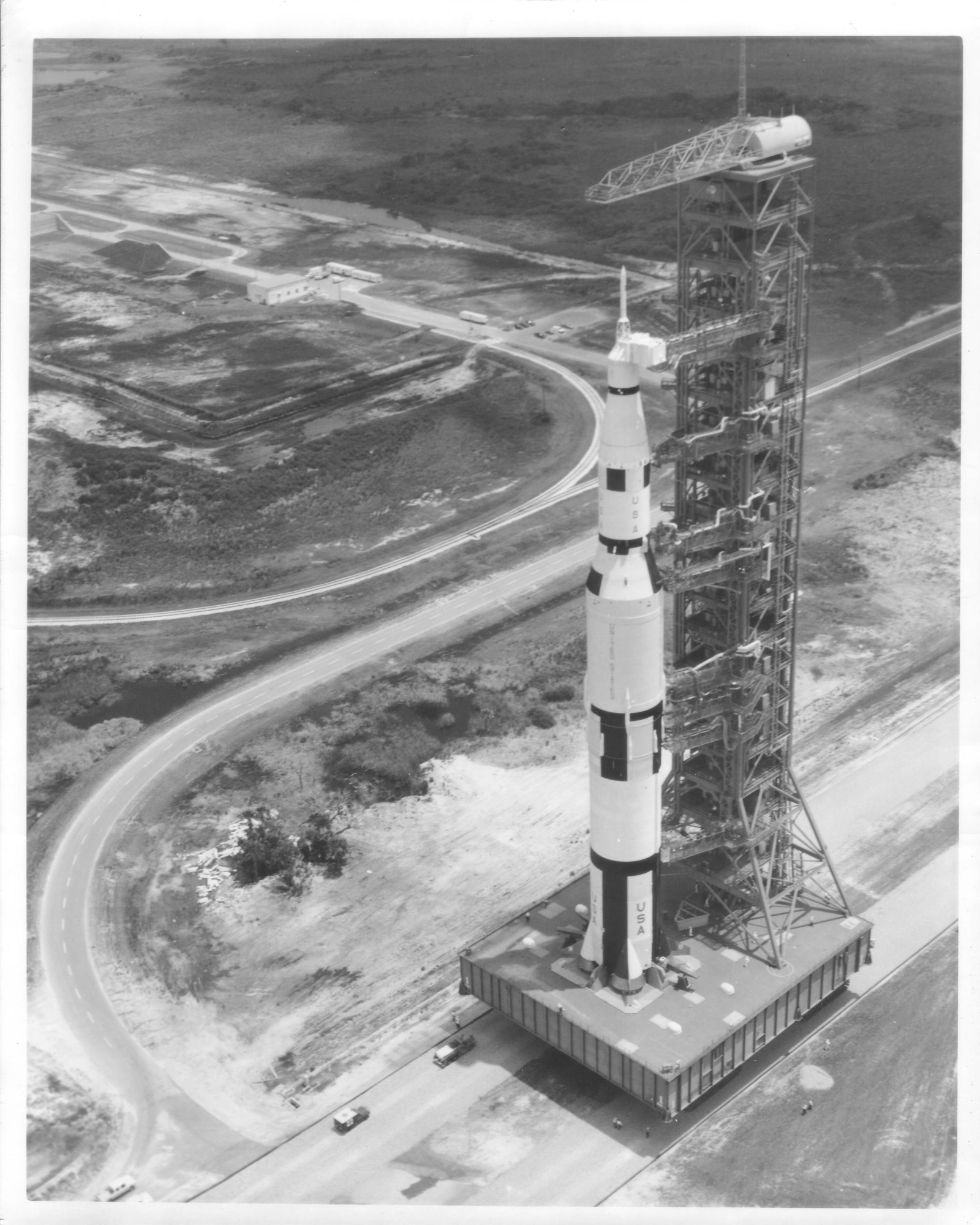
Between 1945 and 1959, the U.S. Army Ordnance Corps and the Joint Intelligence Objectives Agency secretly transported more than 1,600 German scientists, engineers, and technicians from defeated Nazi Germany to the United States — together with files that had been quietly stripped of references to Nazi Party membership, SS rank, and slave-labour exploitation. The clip on the folder was where the program got its name. The most prominent of the imported men was Wernher von Braun, designer of the V-2 ballistic missile, who twenty-four years later watched the Saturn V — a rocket built by his Huntsville team — lift Apollo 11 toward the Moon.
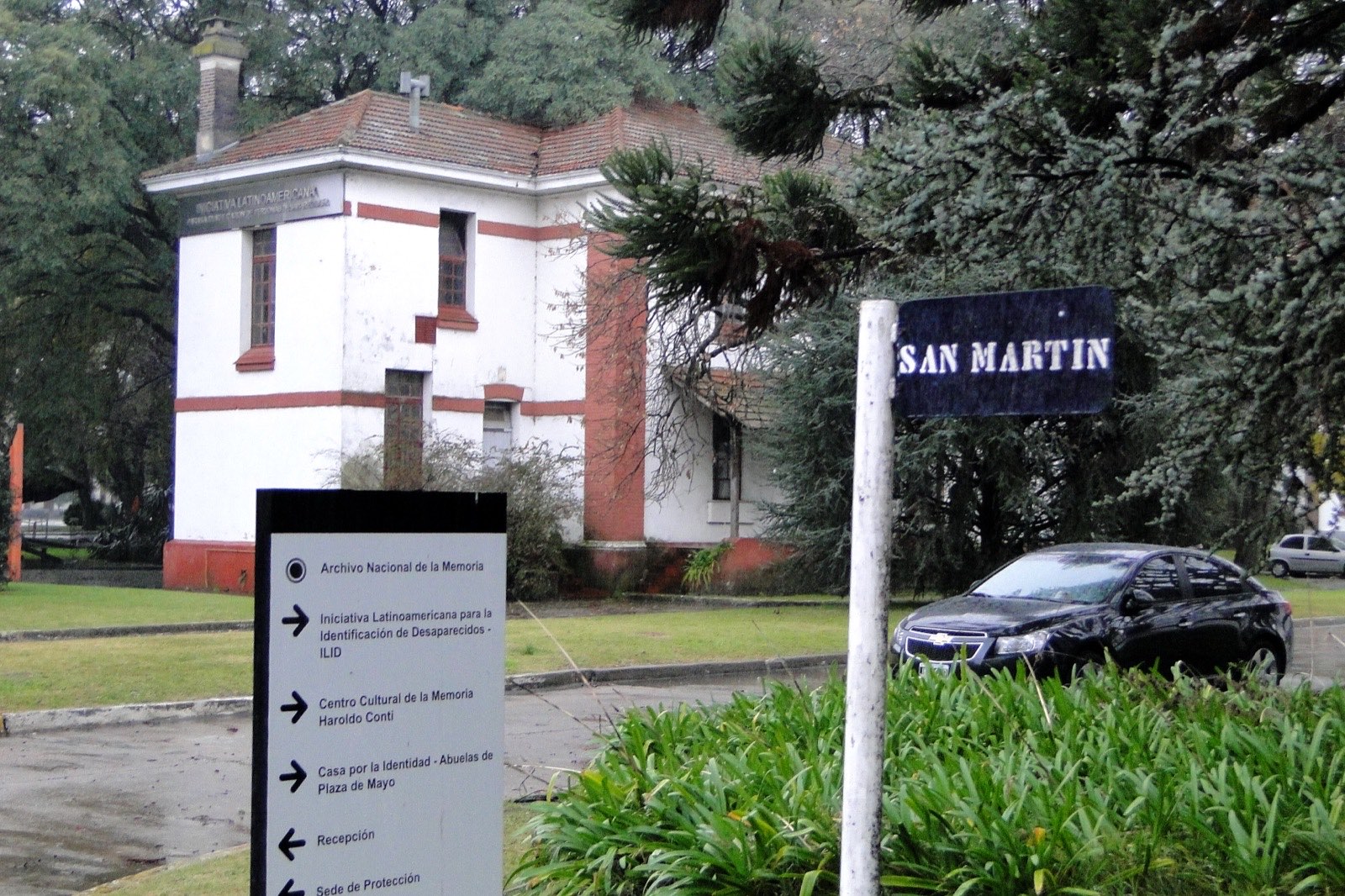
Argentina's Dirty War
On March 24, 1976, a military junta led by General Jorge Rafael Videla seized power from President María Estela 'Isabel' Martínez de Perón in a coup that the United States had been quietly informed about in advance. Over the next seven years, the junta operated approximately 340 clandestine detention centers across Argentina. An estimated 30,000 people — students, journalists, trade unionists, priests, psychoanalysts, and the children of perceived opponents — were 'disappeared.' The single largest detention site, the Escuela de Mecánica de la Armada (ESMA), processed roughly 5,000 detainees, of whom approximately 90% were murdered. Some were drugged and dropped from naval aircraft into the Río de la Plata. Approximately 500 babies were taken from pregnant detainees and given to military families. The Madres de Plaza de Mayo — mothers and grandmothers in white headscarves — began circling the square in front of the presidential palace every Thursday from April 1977 demanding their children's return. The regime ended in December 1983 after the Falklands defeat. The Trial of the Juntas in 1985 convicted five top commanders, including Videla.